
Pruning
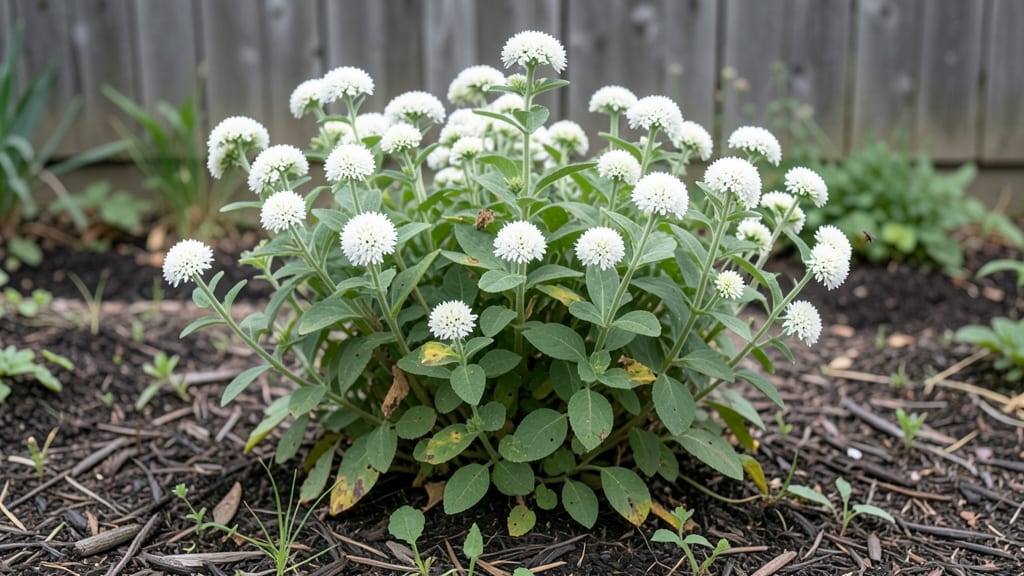
That stunning snowball verbena tree could turn your Pacific Northwest garden into a yearly floral wonderland—this frost-hardy beauty thrives where others falter. 🌿 The secret lies in understanding how its growth habits differ from tropical relatives, especially when winter rolls in with damp, chilly air.
I’ve watched mine push through 30-degree nights to deliver those iconic white pom-pom flowers, and the key to keeping it happy is pruning that respects its resilience.
This isn’t your average pruning job—think of it as sculpting a living sculpture. Start in late winter or early spring before new growth begins, cutting back one-third of the previous year’s growth to encourage bushier, more vigorous stems.
The goal? Open up the center for airflow (which prevents fungal issues) while preserving the structure that makes those snowball clusters stand out. And here’s the game-changer: never prune after early summer—you’ll sacrifice next year’s blooms.
What you’ll end up with is a tree that looks like it belongs in a storybook, with glossy leaves and those signature white flower clusters that seem to defy the Pacific Northwest’s gray skies.
The blooms last for weeks, attracting pollinators even when other plants have gone dormant. Plus, the pruned branches make fantastic cuttings for propagating new plants—free insurance against winter losses.
Works just as well in containers as in the ground, making it perfect for patios, balconies, or as a focal point in mixed borders. The only real challenge? Overwatering in winter—this plant prefers to dry out slightly between waterings once established. Ready to transform your garden into a frost-resistant showstopper?
📚 In This Guide
- What you need
- Instructions
- Tips and common mistakes
- Wrapping up and next steps
What you need
- ● Pruning shears: Sharp, bypass-style shears (for clean cuts) or anvil-style for thicker branches. Size: 6–8 inches.
- ● Lopping shears: For thicker branches (1–2 inches in diameter). Quantity: 1 pair.
- ● Pruning saw: For branches over 2 inches thick. Type: Curved blade for precision.
- ● Gloves: Heavy-duty, cut-resistant gloves to protect hands from thorns and rough bark.
- ● Disinfectant: 70% isopropyl alcohol or rubbing alcohol to sterilize tools between cuts (prevents disease spread).
- ○ Pruning sealant: Optional but helpful for large cuts (1-inch diameter or wider) to prevent decay.
- ● Ladder: Extension ladder (16–20 feet) if your tree is tall (safety first!).
- ● Trash bags: Heavy-duty for collecting pruned branches (quantity: 2–3 bags).
- ● Timing: Prune during late winter or early spring (before new growth starts) or right after flowering (summer). Avoid pruning in fall—it can encourage new growth that won’t harden off before frost.
- ● Weather: Choose a dry, calm day (no rain forecasted for 24–48 hours).
- ● Safety gear: Safety glasses (to protect from debris) and closed-toe shoes.
- ● Tree health check: Inspect for diseased or dead branches before starting—remove those first!
- ● ✨ Sharpen your tools! Dull blades tear bark, stressing the tree. Use a file or sharpening stone before you begin.
- ● 🌡️ Work in layers. Start with dead/diseased wood, then thin out crowded branches, and finally shape for airflow.
- ● 🎯 Label your cuts. If sealing large wounds, mark them with a waterproof marker to track progress.
Step-by-Step pruning guide for your snowball verbena tree
This Pacific Northwest favorite thrives with precise pruning—here’s how to coax those iconic white blooms while keeping your tree frost-hardy.
✂️ Step 1: Time Your First Prune for Late Winter
Prune your snowball verbena (Lantana camara) in late February or early March, just as new growth begins to swell. This timing ensures you remove dead wood while leaving dormant buds intact for spring blooms. I always check for swollen buds—they look like tiny green teardrops along the branches. If you prune too early, you risk cutting off next year’s flowers.
Use clean, sharp pruners to make cuts at a 45-degree angle about ¼ inch above a leaf node. This angle helps water run off, preventing rot. Avoid cutting into old, woody stems—focus on the younger growth that emerged last season. Real talk: If you missed the window, wait until after the first flush of flowers in spring, but you’ll sacrifice some early blooms.
🌿 Step 2: Thin Out Crowded Branches for Airflow
Snowball verbena blooms best when branches aren’t overcrowded. Look for crossing branches or those growing inward—they compete for sunlight and reduce airflow, inviting fungal diseases. Remove one-third of the oldest, thickest stems at the base to encourage new growth from the center. I like to step back and imagine the tree’s natural shape, then prune to open it up like a dome.
Never remove more than 25% of the tree’s foliage in one session—this stresses the plant and weakens its frost resistance. If your tree is leggy, prioritize cutting back the longest branches by one-third their length. You’ll see fresh green shoots emerge within 4-6 weeks, signaling successful pruning.
☀️ Step 3: Summer Maintenance to Encourage Frost Hardiness
After the first flush of blooms in June, give your snowball verbena a light trim to shape it and promote a second flowering. Pinch back the tips of new growth by ½ inch to encourage bushier growth. This step is crucial for Pacific Northwest winters—denser foliage insulates buds better against 20-25°F frosts, which this variety can handle with proper care.
Remove spent flowers (deadheading) to redirect the plant’s energy into new blooms instead of seed production. I use my fingers to pluck off faded clusters—no need for pruners here. Water deeply after pruning to help the tree recover, but avoid wetting the foliage to prevent mildew. If your tree looks stressed after summer heat, a balanced fertilizer (10-10-10) in early fall gives it a boost for winter.
⏰ Step 4: Final Frost Prep in Late Fall
In October or November, do one last light prune to remove any dead, diseased, or weak branches. This clears space for air circulation and reduces moisture retention on the tree. I also tie younger stems to stakes if they’re flopping—this prevents wind damage during winter storms. Mulch the base with 2-3 inches of organic mulch (like shredded bark) to protect roots from freezing temperatures.
Stop fertilizing by mid-September—new growth won’t harden off in time for winter. If your tree is in a windy or exposed location, consider wrapping the trunk with burlap for extra protection. By December, your snowball verbena should look like a well-groomed, frost-resistant powerhouse ready to rebound in spring.
Tips & tricks for pruning your snowball verbena tree
These essential techniques will help you master the art of pruning your snowball verbena while preserving its iconic blooms and frost resistance.
Bud Identification: In Step 1, when checking for swollen buds, look for tiny green teardrop-shaped buds along the branches. These are your visual cue that it's time to prune—don't confuse them with leaf buds, which are smaller and more pointed. I've learned the hard way that cutting too early can remove next year's flower buds, so always wait until you see these distinctive teardrop shapes.
Pruning Angle Precision: The 45-degree angle mentioned in Step 1 is crucial for water runoff. Use a small mirror or protractor tool to check your angle if needed—this prevents water from pooling at the cut site, which can lead to rot. I also recommend marking your pruners with a small piece of tape at the 45-degree point for quick reference during your pruning session.
Seasonal Timing Strategy: The late February to early March window in Step 1 is ideal for our Pacific Northwest climate. If you're in a warmer microclimate, you might need to adjust slightly earlier. Watch for the first signs of new growth—when you see those tiny green shoots emerging, that's your confirmation to start pruning. The same principle applies to your fall pruning in October/November: wait until you see the first frost warnings before doing your final prep.
Frost Hardiness Enhancement: To maximize frost resistance as mentioned in Steps 3 and 4, focus on creating a dense canopy. The 20-25°F frost tolerance mentioned becomes even better when you combine it with proper mulching (2-3 inches) and avoiding late-season fertilizing. I've found that trees with this combination can handle brief dips to 15°F without significant damage.
Pro Tips for Snowball Verbena Tree
- These essential techniques will help you master the art of pruning your snowball verbena while preserving its iconic blooms and frost resistance.
- Bud Identification: In Step 1, when checking for swollen buds, look for tiny green teardrop-shaped buds along the branches.
- Pruning Angle Precision: The 45-degree angle mentioned in Step 1 is crucial for water runoff.
Frequently asked questions
about the snowball verbena tree—especially for PNW gardeners—can help you avoid common pitfalls and maximize those stunning, frost-resistant blooms. Here are answers to the most common queries:How cold can snowball verbena trees tolerate in the Pacific Northwest?
The snowball verbena (Premna serratifolia) is surprisingly hardy for a tropical-looking tree, typically enduring temperatures down to 15–20°F (-9 to -7°C). In the PNW’s mild winters, it thrives in USDA Zones 9–11, but younger trees may need winter wraps or microclimates in colder micro-zones (like near south-facing walls). Mulch heavily to protect roots!
When is the best time to prune snowball verbena in the PNW?
Prune late winter to early spring (February–March), before new growth starts, to avoid frost damage. Light shaping can happen after blooming (summer), but avoid heavy cuts then—it may reduce fall flowers. Never prune in fall, as new growth won’t harden off before winter.
What if my snowball verbena isn’t blooming? How can I fix it?
Lack of blooms often stems from over-fertilizing (too much nitrogen), poor sunlight, or recent heavy pruning. Try this:
Yes! Use a large pot (15+ gallons) with well-draining soil and winterize it by moving to a garage or wrapping in burlap. Choose a fast-draining mix (add perlite/pumice) to prevent root rot. Water sparingly in winter—overwatering is the #1 killer in containers! If branches are brown, mushy, or hollow, they’re likely dead—cut them back to healthy green wood (just above a bud or leaf node). For dormant but viable branches, wait until spring to prune. If 50%+ of the tree is dead, it may need a rejuvenation prune (cut back to 1/3 of the canopy) in late winter. Sterilize tools with rubbing alcohol to prevent disease spread.
If it’s young, be patient—mature trees (3+ years) bloom best!
Can I grow snowball verbena in containers in the PNW?
How do I revive a snowball verbena with dead branches?
Wrapping up and next steps
The snowball verbena tree is a stunning, frost-resistant gem perfect for the Pacific Northwest’s climate—when pruned with care! By mastering the right timing, tools, and techniques, you’ll encourage lush blooms and a healthy shape for years to come. Your garden deserves this vibrant touch!
Ready to take the next step? Grab your pruners and schedule a quick session this late winter or early spring—your tree (and future blooms) will thank you! 🌸✂️