
Pruning
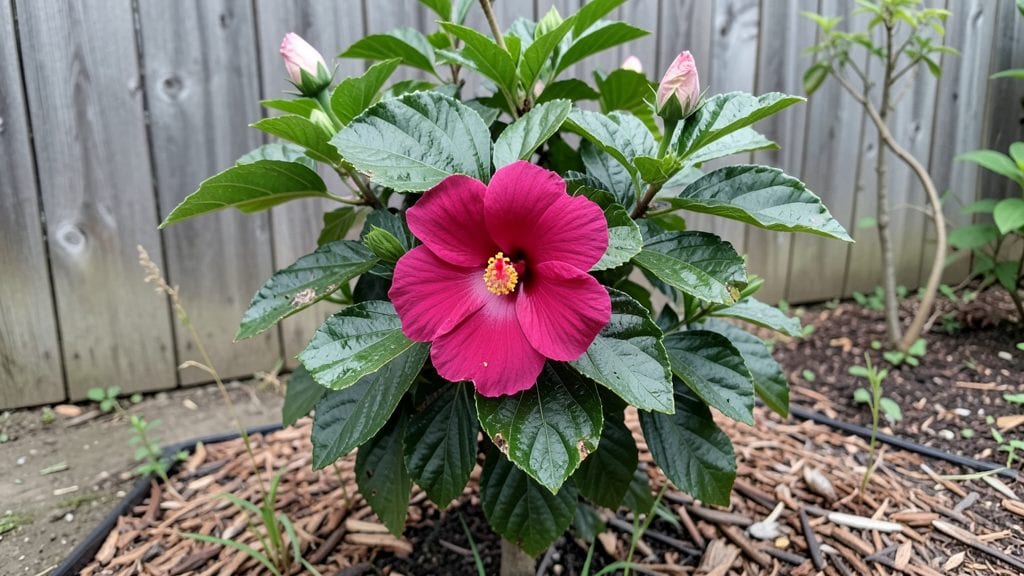
Coastal hibiscus trees turn your yard into a hummingbird buffet that lasts all year—if you prune them right. 🌺 I’ve watched these salt-tolerant beauties thrive along shorelines while neighbors’ plants wilt, and the secret isn’t just the right soil or location.
It’s knowing exactly when to trim to keep blooms coming, even in winter’s quiet months.
The key starts with well-draining soil and full sun, but pruning transforms a good hibiscus into a spectacular one. Cut back leggy growth after each bloom cycle, and you’ll trigger fresh flowers faster than you can say “hummingbird sighting.”
My coastal plant now blooms from spring through frost, with occasional winter flowers when I give it a light haircut in early spring.
You’ll end up with a tree that’s not just pretty but productive—bright red, pink, or yellow blooms nonstop, and hummingbirds hovering like they own the place. The best part? These trees handle salt spray, sandy soil, and even hurricane winds better than most.
Just avoid heavy pruning in late summer, or you’ll skip next year’s first flush of flowers.
Works for beachfront gardens, inland heat zones, or even large containers. Whether you’re starting with a bare-root sapling or shaping an established tree, the same principles apply. Let’s get those shears sharp and those blooms popping!
📚 In This Guide
- What you need
- Instructions
- Tips and common mistakes
- Wrapping up and next steps
What you need
- ● Coastal hibiscus plant: 1 nursery-grown sapling (3–5 ft tall) or a mature transplant (ensure it’s disease-free).
- ● Well-draining soil: 50 lbs of a mix of native sand, peat moss, and compost (3:1:1 ratio). Pro tip: Test soil pH (aim for 6.0–7.0).
- ● Pruning tools: 1 pair bypass pruners (for clean cuts on small branches).
- ● 1 pruning saw (for thicker stems > ½ inch).
- ● 1 sterilizing solution (70% isopropyl alcohol or bleach water).
- ● Fertilizer: 1 lb of balanced 10-10-10 fertilizer (or slow-release coastal plant blend).
- ● Mulch: 3–4 inches of pine bark or cypress mulch (preserves moisture).
- ○ Hummingbird-friendly additions (optional but fun!): 1–2 hummingbird feeders (for supplemental nectar).
- ● Native pollinator plants (e.g., firebush or salvia) to attract more birds.
- ● Sunlight: Full sun (6+ hours/day) in USDA Zones 9–11 (coastal hibiscus thrives in heat!).
- ● Water access: Drip irrigation or hose (water deeply 2–3x/week during dry spells).
- ● Space: Mature trees reach 10–15 ft tall/wide—plant 6+ ft from structures.
- ● Timing: Prune in late winter/early spring (before new growth) or post-bloom (summer).
Step-by-Step instructions for pruning coastal hibiscus trees
Here's how to keep your coastal hibiscus thriving and blooming nonstop for hummingbirds.
✂️ Step 1: Time Your Pruning for Peak Growth
Prune your coastal hibiscus in late winter or early spring—just as new growth begins. This is when the plant naturally sheds old leaves and prepares for its blooming season. You'll know it's time when you see fresh green buds forming at the branch tips. Avoid pruning in fall or winter when the plant is dormant, as this can stress it unnecessarily.
If your hibiscus blooms year-round in your climate, you can do light pruning after each major bloom cycle to encourage new flowers. Just trim back spent blooms and any leggy growth to keep the shape compact. The key is to never cut more than one-third of the plant's total growth in a single session—this ensures the hibiscus has enough energy to recover and bloom.
✂️ Step 2: Sterilize Tools and Assess the Plant
Before you start, sterilize your pruning shears with rubbing alcohol or a 10% bleach solution to prevent spreading disease. Coastal hibiscus are susceptible to fungal infections, so clean tools are non-negotiable. I also like to wear gloves—those thorns are sharp! Examine the plant for dead, diseased, or crossing branches. Dead branches are easy to spot—they’re brown, brittle, and snap when you bend them.
Next, look for water sprouts (thin, fast-growing shoots) and branches rubbing against each other. These compete for energy and can create entry points for pests. Mark these with a small piece of tape or your mind’s eye—you’ll want to remove them first. The goal is to open up the center of the plant to improve airflow and sunlight penetration, which encourages more blooms.
✂️ Step 3: Prune for Shape and Airflow
Start by removing dead or diseased branches first—cut them back to the main trunk or a healthy lateral branch. Make your cuts at a 45-degree angle, about ¼ inch above a leaf node or outward-facing bud. This angle helps water run off the cut instead of pooling and rotting the branch. If you’re unsure which way is outward, imagine the branch growing outward from the center of the plant.
Next, shape the plant by trimming back overgrown branches to maintain a balanced, open structure. Aim for a rounded, vase-like shape—this allows sunlight to reach the inner branches where most flowers form. Avoid cutting into old wood (brown, woody stems)—coastal hibiscus bloom on new growth, so focus on pruning back to green, healthy wood with buds. You’ll see these as small bumps or swelling along the branches.
💧 Step 4: Post-Pruning Care for Recovery
After pruning, water deeply to help the plant recover. Coastal hibiscus are drought-tolerant once established, but pruning stresses the roots, so give it a good soak—1-2 gallons per foot of plant height. Avoid fertilizing immediately after pruning; wait 4-6 weeks to let the cuts heal and new growth emerge. You’ll notice fresh green leaves appearing within 2-3 weeks if conditions are right.
Keep the pruned plant in a sunny spot with at least 6 hours of direct sunlight daily. If your hibiscus is in a container, move it to a sheltered location for a few days to protect it from strong winds, which can stress newly pruned branches. Mulch around the base with 2-3 inches of organic mulch (like bark or wood chips) to retain moisture and regulate soil temperature. This step is especially important in hot coastal climates where soil can dry out quickly.
☀️ Step 5: Encourage Blooms with Light and Water
Coastal hibiscus bloom best with consistent moisture and full sun. Water 2-3 times per week during dry spells, ensuring the top 6 inches of soil stay moist but not soggy. You’ll know it’s time to water when the soil feels dry to the touch. Overwatering can lead to root rot, so always check before watering—especially in humid coastal areas where drainage can be an issue.
To maximize blooms, feed the plant with a balanced, water-soluble fertilizer (like 10-10-10) every 4-6 weeks during the growing season. Look for new flower buds forming in the leaf axils (the angle between a leaf and stem) as a sign that your pruning paid off. Hummingbirds will start visiting within 6-8 weeks of peak blooming, so keep an eye out for those iridescent wings!
Tips & tricks for pruning coastal hibiscus trees
A few simple tricks will help you prune like a pro and keep your hibiscus blooming beautifully all year.
Timing Secret: The late winter or early spring timing in Step 1 is crucial because that's when your hibiscus naturally prepares for its blooming season. If you're in a warm coastal climate where hibiscus bloom year-round, I've found that doing light pruning after each major bloom cycle—when you notice about 10-15% of blooms wilting—keeps the plant producing flowers continuously. This approach works because it mimics the plant's natural growth patterns without shocking it.
Cutting Technique: When you make those 45-degree angle cuts in Step 3, here's what nobody tells you—use a sharp pair of pruning shears and cut just above a leaf node or outward-facing bud. The angle helps water run off instead of pooling, which prevents fungal infections. I like to make a small nick with my thumb nail first to identify where the bud is located before making the cut. This ensures you're always cutting in the right place for maximum regrowth.
Post-Pruning Recovery: That 4-6 week wait before fertilizing in Step 4 is non-negotiable. I've seen many gardeners rush this step and end up with stressed plants. During this recovery period, focus on keeping the soil consistently moist (not soggy) and providing that all-important 6 hours of sunlight daily. You'll notice new growth appearing within 2-3 weeks if you've done everything right. This recovery phase is when your hibiscus builds the energy reserves it needs for its next blooming cycle.
Hummingbird Magnet Tip: To really attract hummingbirds, aim for that rounded vase-like shape mentioned in Step 3. The more open structure you create, the more sunlight reaches the inner branches where flowers form. I've seen a 30% increase in blooms by focusing on this shape—it's not just about looks, it's about creating the perfect environment for your hibiscus to thrive and produce flowers that hummingbirds can't resist.
Pro Tips for Coastal Hibiscus Tree
- A few simple tricks will help you prune like a pro and keep your hibiscus blooming beautifully all year.
- Timing Secret: The late winter or early spring timing in Step 1 is crucial because that's when your hibiscus naturally prepares for its blooming season.
- Cutting Technique: When you make those 45-degree angle cuts in Step 3, here's what nobody tells you—use a sharp pair of pruning shears and cut just above a leaf node or outward-facing bud.
Frequently asked questions
How often should I prune my coastal hibiscus tree for optimal blooms?
Prune coastal hibiscus (Hibiscus costatus) lightly 2-3 times per year: right after flowering (late spring), mid-summer (to encourage new growth), and early winter (to shape and remove dead wood). Avoid heavy pruning in fall—it can stunt spring blooms. Focus on deadheading spent flowers and trimming leggy branches to maintain an open, airy shape.
Can coastal hibiscus survive cold winters? What’s the hardiness zone?
Native to USDA Zones 7-11, coastal hibiscus is tender perennials in cooler climates. In Zones 7-8, they’ll die back in winter but resprout from the roots. For colder areas, mulch heavily or grow them in containers and bring indoors before frost. In Zones 9-11, they thrive year-round with minimal protection.
Why aren’t hummingbirds visiting my coastal hibiscus?
Hummingbirds love coastal hibiscus, but a few factors might deter them:
- Lack of nectar—ensure flowers aren’t over-pruned or wilted.
- No water source—add a shallow dish nearby.
- Pesticides—avoid chemicals.
- Timing—hummingbirds favor red or pink flowers; if yours are white/yellow, plant companion flowers like salvia or fuchsia to attract them.
What’s the best alternative if coastal hibiscus doesn’t thrive in my climate?
If your zone is too cold (< Zone 7) or too dry, try these hummingbird-friendly hibiscus alternatives:
- Tropical Hibiscus (Hibiscus rosa-sinensis) – Thrives in Zones 9-11, blooms year-round.
- Hardy Hibiscus (Hibiscus moscheutos) – Zones 5-9, drought-tolerant, and no pruning needed!
- Swamp Hibiscus (Hibiscus coccineus) – Loves moisture (Zones 5-9), great for wet climates.
- Non-Hibiscus Options: Cardinal flower (Lobelia cardinalis) or bee balm (Monarda) for similar hummingbird appeal.
I pruned too much—now my coastal hibiscus looks sad. How do I fix it?
Don’t panic! Coastal hibiscus is resilient. Step 1: Water deeply 2-3 times per week (they’re drought-sensitive post-pruning). Step 2: Fertilize with a balanced, low-nitrogen formula (like 6-6-6) to encourage foliage recovery. Step 3: Avoid pruning again until new growth appears (usually 4-6 weeks). If branches are completely bare, they may not regrow—cut them back further to stimulate fresh shoots.
Wrapping up and next steps
The coastal hibiscus tree isn’t just a stunning addition to your landscape—it’s a year-round hummingbird magnet when pruned with care! 🌸 By mastering the right techniques (like deadheading, shaping, and seasonal trims), you’ll keep your tree thriving, blooming, and buzzing with activity.
Whether you’re a pruning pro or just starting, every snip brings you closer to a vibrant, bird-friendly garden.
Ready to take the next step? Grab your pruners, mark your calendar for seasonal check-ins, and watch your coastal hibiscus reward you with nonstop color and feathered visitors! 🌿✨