
Propagation
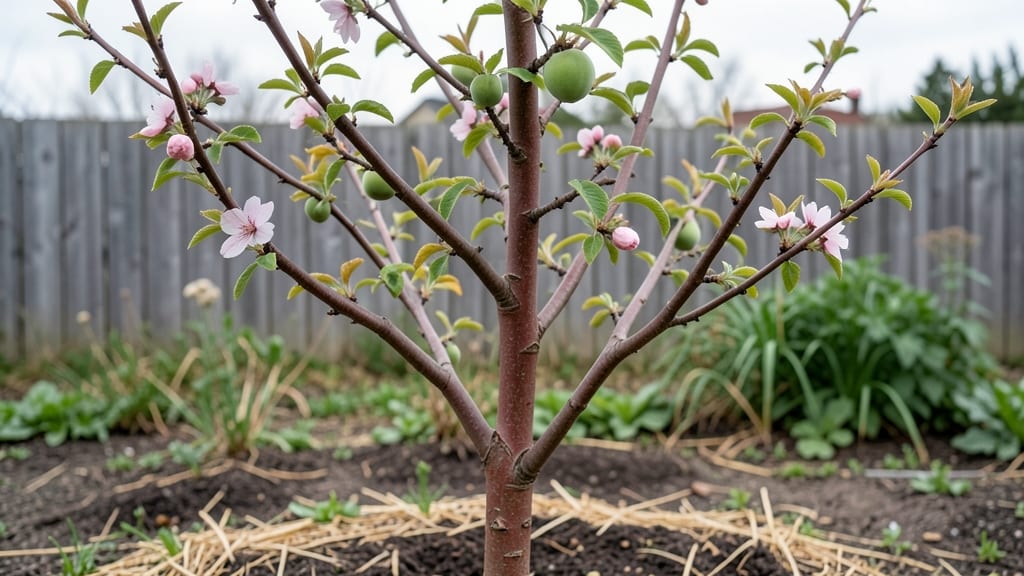
Growing a peach tree from seed to fruit is the ultimate gardening adventure—one that rewards patience with juicy, sun-ripened fruit you’ll never find in a grocery store. 🌱 I’ve grown three from seed, and while it takes years, the payoff of that first homegrown peach makes every step worth it.
The key isn’t rushing; it’s understanding each stage’s needs so you don’t waste time or resources.
The process starts with a simple pit from your favorite peach, but don’t expect store-bought reliability—seed-grown trees take 3-5 years to bear fruit. You’ll need a sunny spot with well-draining soil, regular watering, and winter protection in colder zones.
Pruning in late winter shapes the tree while encouraging strong growth, and pollination (either by bees or a second tree) ensures fruit sets properly.
By year three, you’ll see actual peaches forming—small, fuzzy, and maybe not perfect, but 100% yours. The real magic happens in summer when the tree bursts with color, and by fall, you’re harvesting fruit sweeter than anything you’ve bought.
It’s not instant, but the journey turns even a small backyard into a peach orchard.
This method works for any climate, though warmer zones speed up fruiting. Cold snaps? Protect young trees with burlap wraps. Too much rain? Improve drainage. The challenges are manageable, and the rewards—homegrown peaches—are unmatched. Let’s get those pits planted!
📚 In This Guide
- What you need
- Instructions
- Tips and common mistakes
- Wrapping up and next steps
What you need
- ● Peach pit (seed): 1 fresh, disease-free pit from a ripe peach (preferably organic or homegrown).
- ● Growing containers: 1 small pot (4-6 inches wide) for germination.
- ● 1 larger pot (10-12 inches wide) or garden bed for seedling growth (if not planting directly outdoors).
- ● Potting soil: 1 bag of high-quality, well-draining seed-starting mix or a blend of 50% peat moss and 50% perlite.
- ○ Grow lights or sunny windowsill: A full-spectrum LED grow light (optional but helpful for indoor germination) or a south-facing window with 6+ hours of sunlight.
- ● Plastic wrap or humidity dome: 1 sheet to retain moisture during germination.
- ● Watering can or spray bottle: With a fine mist nozzle for gentle hydration.
- ● Fertilizer: 1 bottle of balanced liquid fertilizer (e.g., 10-10-10 or 5-5-5) for seedlings.
- ● 1 bag of slow-release granular fertilizer (e.g., 10-10-10) for mature trees.
- ● Pruning tools: 1 pair of bypass pruners (for clean cuts on small branches).
- ● 1 hand saw (for thicker branches as the tree grows).
- ● Mulch: 2-3 inches of organic mulch (e.g., straw or wood chips) to retain soil moisture and suppress weeds.
- ● Soil pH test kit: To ensure your soil is slightly acidic (pH 6.0-6.5), ideal for peach trees.
- ● Epsom salt: 1 box (for magnesium sulfate boosts during flowering).
- ● Tree stakes & ties: For support as the tree grows taller (especially in windy areas).
- ● Pest control: Neem oil or insecticidal soap (for aphids or mites).
- ● Bird netting (to protect fruit from birds and pests).
- ● Cold frame or greenhouse: For extending the growing season in cooler climates.
Step-by-step instructions for growing a peach tree from seed to fruit
Here's the straightforward method I've used to grow peach trees from seed—no fancy tools, just patience and the right timing.
🌱 Step 1: Stratify the Seeds for Strong Germination
Start with fresh peach pits—never dried or stored ones. Remove the pit from a ripe peach, clean off any remaining fruit, and let it dry completely for 24 hours. Place the pit in a small plastic bag with a damp paper towel, seal it, and refrigerate for 60-90 days. This cold stratification mimics winter and breaks seed dormancy.
Check the towel every few weeks—it should stay moist but not soggy. After 90 days, plant the pit ½ inch deep in a small pot filled with sterile potting mix. Keep the soil consistently moist but not waterlogged. You'll see sprouts in 4-8 weeks, depending on your climate.
☀️ Step 2: Nurture the Seedling Through Its First Year
Once the seedling emerges, move it to a sunny window or under a grow light for 12-14 hours daily. Peach trees need full sun to grow strong, so avoid shady spots. Use a small hand trowel to gently loosen soil around the stem as it grows—this prevents roots from circling.
Fertilize lightly with a balanced 10-10-10 fertilizer every 4-6 weeks in spring and summer. Over-fertilizing now can burn tender roots. By fall, your seedling should be 12-18 inches tall with a sturdy trunk. This is the year it builds its root system—don’t rush flowering.
🪴 Step 3: Transplant to the Ground in Spring
Wait until spring, after the last frost, to move your peach tree outside. Choose a sunny spot with well-draining soil—peach trees hate soggy roots. Dig a hole twice as wide as the root ball but no deeper. Mix compost into the native soil before planting to boost nutrients.
Water deeply before transplanting, then place the seedling in the hole and backfill with soil. Tamp gently to remove air pockets. Mulch around the base with 2-3 inches of organic mulch (like wood chips) to retain moisture and regulate soil temperature. Water once a week unless rain provides enough moisture.
✂️ Step 4: Prune and Care for Fruit Development
In late winter or early spring, prune to remove dead, crossing, or weak branches. Use clean, sharp pruning shears to make cuts just above a bud. This encourages an open canopy that lets sunlight reach all fruit. Avoid heavy pruning—peach trees set fruit on new growth, so limit cuts to 20-30% of the tree per year.
Fertilize again in early spring with a low-nitrogen, high-phosphorus fertilizer (like 5-10-10) to support flowering. Thin fruit when it’s golf-ball sized—leave 6-8 inches between peaches to prevent overcrowding. This ensures larger, sweeter fruit. Watch for pests like aphids or peach tree borers and treat early with neem oil if needed.
🍑 Step 5: Harvest and Plan for Next Year’s Fruit
Peaches from seed-grown trees may take 5-7 years to bear fruit, but it’s worth the wait. Harvest when the fruit slips easily from the tree and has a slightly soft feel—usually late summer to early fall. Pick in the morning after dew has dried to preserve quality. Store in a cool, dry place for up to 2 weeks or refrigerate for longer storage.
After harvest, clean up fallen leaves and fruit to reduce disease risk. In late fall, apply a 2-3 inch layer of mulch around the base (but not touching the trunk) to protect roots from winter cold. Water deeply once a month in winter if rainfall is scarce. Next spring, repeat pruning and fertilizing to keep your tree productive.
Tips & tricks for perfect peach tree cultivation
Growing a peach tree from seed can feel like a long game, but these simple tricks will help you avoid common pitfalls and set your tree up for success from day one.
Stratification Success: The 60-90 day cold stratification is non-negotiable for breaking seed dormancy. I've learned the hard way that skipping this step results in seeds that either won't sprout or produce weak seedlings. Place your sealed bag in the crisper drawer of your fridge for consistent cold temperatures. After 90 days, don't rush to plant—let the seeds acclimate to room temperature for 24 hours before planting to avoid shocking them.
Seedling Sunlight Strategy: Those 12-14 hours of daily light in Step 2 are crucial for strong stem development. If your natural sunlight isn't sufficient, supplement with a basic grow light placed 6-12 inches above the seedling. I've seen seedlings grow leggy and weak when they don't get enough light early on. Rotate your seedling quarter-turn daily so it grows straight toward the light source.
Transplanting Timing: Waiting until after the last frost for Step 3 is essential, but don't wait too long—once your seedling reaches 12-18 inches, it's ready for its permanent home. I recommend checking your local frost dates and marking your calendar two weeks before the average last frost date. This gives you time to prepare the planting site while ensuring warm soil temperatures for healthy root establishment.
Pruning Precision: When you're ready for Step 4's pruning, make your cuts just above a bud at a slight angle. This technique encourages new growth from that bud. I always sanitize my pruning shears with rubbing alcohol between cuts to prevent spreading disease. Remember, you're shaping the tree's future fruit production—each cut affects sunlight exposure and air circulation for years to come.
Pro Tips for Peach Tree From Seed To Fruit
- Growing a peach tree from seed can feel like a long game, but these simple tricks will help you avoid common pitfalls and set your tree up for success from day one.
- Stratification Success: The 60-90 day cold stratification is non-negotiable for breaking seed dormancy.
- Seedling Sunlight Strategy: Those 12-14 hours of daily light in Step 2 are crucial for strong stem development.
Frequently asked questions
Got questions? You’re not alone—growing a peach tree from seed is a rewarding but hands-on process! Here are answers to the most common queries to keep your journey smooth and successful.
How long does it take for a peach tree grown from seed to bear fruit?
A peach tree grown from seed can take 5 to 10 years to produce fruit, depending on the variety, climate, and care. Unlike grafted trees (which fruit in 2–4 years), seed-grown trees may not yield true-to-parent fruit—so patience is key! If you want faster results, consider grafting a known variety onto your seedling later.
What’s the best climate for growing a peach tree from seed?
Peach trees thrive in USDA Zones 5–9, where they get 6–8 hours of sunlight daily and well-draining soil. They’re sensitive to frost—late spring frosts can damage blossoms. If you live in a cooler zone, opt for cold-hardy varieties like ‘Reliance’ or grow the tree in a sheltered spot.
Can I grow a peach tree from seed indoors, or does it need to be outside?
You can start peach seeds indoors (in spring) for a head start, but the tree must be transplanted outdoors once it’s 1–2 feet tall. Peaches need full sun, space (15–20 feet apart), and pollination—indoor growth alone won’t suffice. A sunny windowsill or grow light works for germination, but outdoor conditions are non-negotiable for fruiting.
Why isn’t my peach seedling growing? Troubleshooting slow or stunted growth.
Common culprits include:
- Overwatering: Peach trees hate soggy roots—let soil dry slightly between waterings.
- Poor soil: Amend with compost or a balanced fertilizer (10-10-10) in early spring.
- Pests: Check for aphids, spider mites, or borers. Neem oil or insecticidal soap can help.
- Lack of sunlight: Move the seedling to a sunnier spot if growth stalls.
Will my homegrown peach tree produce fruit like the store-bought peach I planted?
Probably not! Peach trees grown from seed are not true to type—meaning the fruit may differ in size, flavor, or even color. For reliable fruit, save seeds from a named variety (like ‘Elberta’ or ‘Redhaven’) or graft a known cultivar onto your seedling. If you’re okay with surprises, enjoy the adventure!
Wrapping up and next steps
Growing a peach tree from seed to fruit is a rewarding journey that blends patience, care, and a little bit of magic! 🌱 From selecting the perfect seed to nurturing your tree through the seasons, each step brings you closer to that sweet, juicy reward. Remember: consistency is key—whether it’s pruning, fertilizing, or protecting your tree from pests, your efforts will pay off in the most delicious way possible.
Now that you’re armed with knowledge, why not take the next step? Start small: plant that seed today, or gift a sapling to a fellow gardening enthusiast. Before you know it, you’ll be sharing fresh peaches with neighbors—and maybe even selling them at a local market!
The fruit of your labor (literally!) is just around the corner. 🍑✨