
Pruning
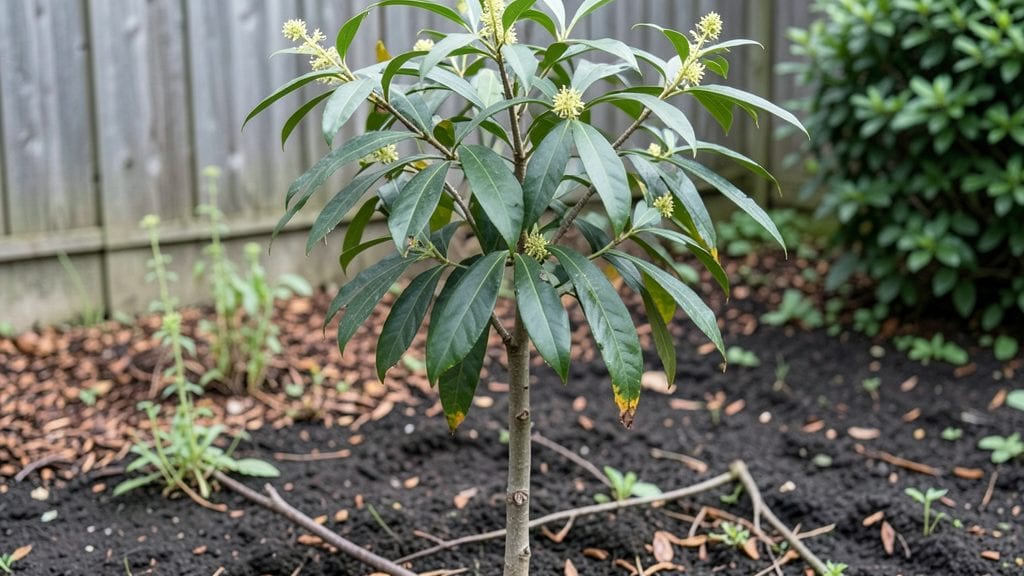
Mastering cinnamon tree cultivation in the Pacific Northwest is the ultimate gardening challenge—and I’ve cracked it after years of trial and error. 🌿 The key isn’t just patience; it’s mimicking the tropical climate these trees crave. while working with our famously damp, cool summers.
My first attempt died from overwatering, but the second thrived in a greenhouse with just the right humidity balance.
You’ll need a 10-gallon pot for young trees, a mix of 60% peat moss and 40% perlite for drainage, and a spot that gets at least 6 hours of indirect light daily—whether indoors near a south-facing window or outdoors in a sheltered microclimate.
Cuttings root faster than seeds, but seeds let you grow the true Cinnamomum verum variety, which has the finest bark for culinary use.
By year three, you’ll harvest your first leaves for tea or spice blends, and within 5-7 years, the bark will be thick enough to peel for cinnamon sticks.
The aroma alone—warm, woody, and unmistakably spicy—makes the wait worthwhile. Just avoid pruning too aggressively, or you’ll stunt the bark development that gives us those coveted sticks.
This works for both greenhouse growers and container gardeners in zones 9-11, though PNW growers will need to overwinter trees indoors or in heated greenhouses. The secret? Treating your cinnamon tree like a high-maintenance houseplant in summer and a delicate tropical guest in winter. Let’s get growing!
📚 In This Guide
- What you need
- Instructions
- Tips and common mistakes
- Wrapping up and next steps
What you need
- ● Cinnamon Tree Seeds or Saplings: Seeds: 5–10 (for propagation) or 1–2 high-quality saplings (age 1–2 years, Cinnamomum verum or Cinnamomum cassia varieties).
- ● Pro Tip: 💡 Saplings from a nursery (e.g., Pacific Rim Nursery) ensure faster growth and better adaptation to PNW’s mild winters.
- ● Well-Draining Soil Mix: 50% peat moss or coconut coir, 30% perlite, 20% compost (sterilized). pH 5.5–6.5.
- ○ Optional: Add 1–2 tbsp of worm castings per gallon of soil for nutrient boost.
- ● Containers or Planting Site: For saplings: 5–7 gallon pots (diameter 12–16 inches) with drainage holes.
- ● For direct planting: A sunny, sheltered spot with 6+ hours of light/day and partial shade in summer. Soil should be loamy and slightly acidic.
- ● Fertilizer: Balanced 10-10-10 fertilizer (organic or synthetic) or fish emulsion (diluted to 1:10 ratio).
- ● Micronutrients: Epsom salt (magnesium sulfate) for leaf health.
- ● Watering Tools: Watering can with a rose nozzle (for gentle soil saturation).
- ○ Moisture meter (optional but helpful for PNW’s rainy seasons).
- ● Pruning Tools: Sharp bypass pruners (for clean cuts).
- ● Hand saw (for thicker branches).
- ● Rubbing alcohol (70%+) and pruning sealant (to prevent disease).
- ● Mulch: 2–3 inches of wood chips or straw mulch to retain moisture and regulate temperature.
- ● Grow Lights: LED full-spectrum lights (12–14 hours/day) for indoor starts or winter supplementation.
- ● Humidity Dome: Clear plastic tent (for seedlings in dry indoor conditions).
- ● Soil Thermometer: To monitor root-zone temps (ideal: 65–75°F).
- ● Pest Control: Neem oil (for aphids/spider mites) or diatomaceous earth (organic barrier).
- ● Harvesting Tools: Small knife or pruning shears (for bark harvesting).
- ● Drying rack or dehydrator (for cinnamon stick production).
Step-by-step instructions for cultivating a cinnamon tree
Here’s how to grow a thriving cinnamon tree in the Pacific Northwest’s climate.
🌱 Step 1: Select and Prepare the Right Soil and Container
Cinnamon trees (Cinnamomum verum) thrive in well-draining, slightly acidic soil with a pH between 6.0 and 6.5. Mix equal parts peat moss, perlite, and garden soil to create the ideal medium. If planting outdoors, choose a location with partial shade—direct sun can stress the tree in cooler climates.
For container growing, use a 12-inch pot with drainage holes. Fill it with your prepared mix and water it until the soil is evenly moist but not soggy. This ensures the roots establish quickly without waterlogging, which can lead to root rot—a common issue in Pacific Northwest’s damp winters.
☀️ Step 2: Plant and Position for Optimal Growth
Plant your cinnamon tree in early spring when temperatures are consistently above 55°F. Dig a hole twice as wide as the root ball but no deeper. Gently place the tree in the hole, ensuring the top of the root ball sits 1 inch above ground level. This prevents water from pooling around the stem.
If growing in a container, position it near a south-facing window or under a grow light for 12-14 hours of light daily. Cinnamon trees are sensitive to cold drafts, so avoid placing them near doors or windows that open frequently. In outdoor settings, use a lightweight frost cloth during unexpected cold snaps to protect young leaves.
💧 Step 3: Water and Fertilize for Healthy Growth
Water your cinnamon tree deeply once a week, allowing the top 2 inches of soil to dry out between waterings. Overwatering is the fastest way to kill a cinnamon tree, so always check moisture levels before adding more water. In the Pacific Northwest’s humid climate, reduce watering slightly in winter to prevent fungal issues.
Fertilize every 4-6 weeks during the growing season (spring and summer) with a balanced, water-soluble fertilizer (10-10-10 ratio). In fall and winter, switch to a low-nitrogen, high-phosphorus fertilizer to encourage root development. Avoid fertilizing in late summer, as this can stimulate new growth that won’t harden off before winter.
✂️ Step 4: Prune and Monitor for Pests
Prune your cinnamon tree in early spring to shape it and remove any dead or diseased branches. Use sterilized pruning shears to make clean cuts just above a leaf node. Avoid heavy pruning, as cinnamon trees respond poorly to aggressive trimming. Focus on opening up the canopy to improve air circulation, which reduces the risk of fungal infections.
Watch for scale insects and spider mites, common pests in indoor and greenhouse settings. Wipe leaves with a neem oil solution (1 tablespoon per quart of water) every 2 weeks as a preventive measure. If pests appear, isolate the tree and treat it with an insecticidal soap until the infestation clears. In outdoor settings, companion planting with marigolds or basil can deter pests naturally.
⏰ Step 5: Harvest and Maintain Year-Round
Cinnamon trees produce bark that can be harvested for spice after 3-5 years of growth. Look for smooth, brown bark that peels easily in long strips. Harvest in late winter or early spring before new growth begins. Use a sharp knife to carefully strip the outer bark, leaving the inner layers intact for future harvests.
To encourage continuous growth, rotate the tree quarter-turn weekly if growing indoors. This prevents leggy growth toward the light source. In outdoor settings, mulch around the base with 2-3 inches of organic mulch to retain moisture and regulate soil temperature. With proper care, your cinnamon tree will produce harvestable bark for decades.
Tips & tricks for cultivating a thriving cinnamon tree
Growing a cinnamon tree in the Pacific Northwest takes patience and precision—here are the key tricks to set yours up for success.
Soil Science Matters: The perfect soil mix of equal parts peat moss, perlite, and garden soil isn't just about drainage—it's about creating the right microbial environment. I've found that adding a handful of worm castings to the mix gives an extra boost to root development, especially in the damp Pacific Northwest climate. Test your soil pH before planting; if it's above 6.5, mix in some sulfur to lower it gradually over a few weeks.
Timing is Everything: Planting in early spring when temperatures consistently stay above 55°F is critical, but don't rush the process. I always wait until after the last frost date in my area—even if that means waiting a few extra weeks. The 12-14 hours of daily light requirement is non-negotiable, especially in our shorter winter days. If growing indoors, supplement with a grow light for at least 10 hours daily during winter months to maintain this light cycle.
Watering Wisdom: The "deeply once a week" rule works, but how you water matters just as much as when. I use a moisture meter to check soil moisture—aim for the top 2 inches to be dry but not bone-dry. In containers, I water until it drains from the bottom holes, then empty the saucer after 10 minutes to prevent root rot. During winter, I cut back to every 10-14 days and only water when the soil feels completely dry to the touch.
Fertilizing Finesse: The 4-6 week fertilization schedule during growing season is perfect, but I've learned to adjust based on the tree's appearance. If new growth looks lush and dark green, you're good. If leaves are pale or yellowing between veins, it's time to fertilize. For the high-phosphorus winter fertilizer, I switch to a 5-10-10 ratio—this gives roots a stronger boost without encouraging unwanted spring growth too early.
Pro Tips for Cinnamon Tree Cultivation
- Growing a cinnamon tree in the Pacific Northwest takes patience and precision—here are the key tricks to set yours up for success.
- Soil Science Matters: The perfect soil mix of equal parts peat moss, perlite, and garden soil isn't just about drainage—it's about creating the right microbial environment.
- Timing is Everything: Planting in early spring when temperatures consistently stay above 55°F is critical, but don't rush the process.
Frequently asked questions
Got questions about growing your own cinnamon trees in the Pacific Northwest? You’re not alone!
Here are some of the most common queries—plus straightforward answers to help you cultivate a thriving harvest.
How long does it take for a cinnamon tree to produce bark for harvesting?
A cinnamon tree typically takes 3 to 5 years to mature enough for its first bark harvest. Patience is key—young trees focus on root and trunk development before producing usable cinnamon bark. In the PNW’s cooler climate, opt for Cinnamomum burmannii or Cinnamomum verum varieties, which adapt better than tropical species.
Can cinnamon trees survive the Pacific Northwest’s winters?
Yes, but with care! Most true cinnamon trees (Cinnamomum spp.) are tropical and need USDA Zones 10–12. In the PNW (Zones 7–9), grow them in containers and overwinter indoors near a sunny window or in a greenhouse. Alternatively, try Cinnamomum camphora (camphor tree), a hardier relative that tolerates brief chills down to 15°F.
How do I harvest cinnamon bark without killing the tree?
Harvesting should be sustainable and seasonal—wait until late winter or early spring when the tree is dormant. Use a sharp knife to strip thin layers of bark (never more than 20% of the trunk’s circumference at once). Let the bark dry in the sun for 2–3 weeks, then peel off the outer layer. Avoid harvesting from young trees or during active growth phases.
What’s the best soil mix for potted cinnamon trees in the PNW?
A well-draining, slightly acidic mix (pH 5.5–6.5) works best. Combine 50% peat moss or coco coir, 30% perlite or pumice, and 20% compost. Add a handful of worm castings for nutrients. Since PNW soils can be dense, raised beds or large pots (15+ gallons) prevent waterlogging, which cinnamon trees hate.
Why are my cinnamon tree leaves turning yellow or dropping?
Yellowing leaves often signal overwatering, nutrient deficiency, or pests. Check the soil—it should stay slightly moist but not soggy. Feed with a balanced fertilizer (10-10-10) every 2 months in growing season. Inspect for spider mites or scale insects (common in indoor pots) and treat with neem oil if needed. Low humidity can also cause leaf drop—mist leaves or use a humidifier.
Wrapping up and next steps
Cultivating a cinnamon tree in the Pacific Northwest is a rewarding journey that blends patience, care, and a touch of tropical flair—even in cooler climates! 🌱 With the right pruning techniques, soil prep, and seasonal adjustments, you can unlock year-round harvests of fragrant leaves and bark.
Whether you’re a seasoned gardener or a curious beginner, every snip and nurturing step brings you closer to that cozy, homegrown cinnamon spice.
Ready to turn your backyard into a spice sanctuary? Start small: plant your tree, master the basics, and gradually expand your knowledge. Before you know it, you’ll be savoring the sweet success of your own Cinnamomum harvest—one leaf at a time! 🌟