
Pruning
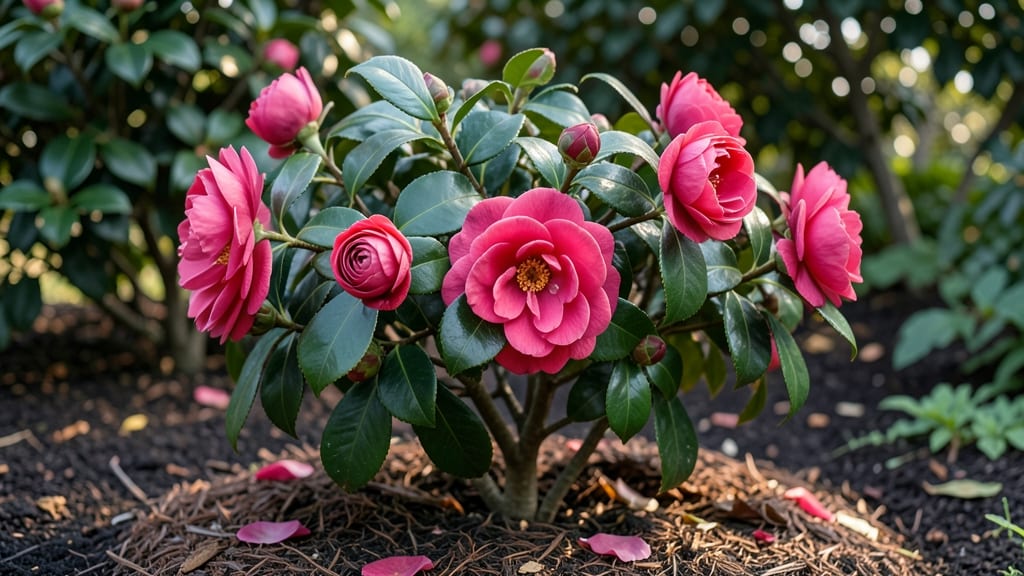
A breathtaking camellia flower tree can turn your Pacific Northwest yard into a lush, year-round spectacle—if you master the art of pruning these evergreens. ✨ The secret? Timing: spring and summer for Camellia japonica, while Camellia sasanqua loves winter shaping.
My first camellia nearly lost all its blooms after aggressive fall pruning, but I learned the hard way.
You'll need sharp pruners, a ladder for taller trees, and a clear plan: remove dead growth first, then shape lightly to encourage dense foliage. Pacific Northwest's mild winters mean you can prune almost year-round, but avoid heavy cuts during bloom season.
The goal is to maintain that lush, bushy form while preserving next year's flower buds.
With proper pruning, your camellia will reward you with vibrant blooms from late fall through spring, creating a living tapestry of color against the rain-soaked greenery. The secret is patience—camellias respond best to gradual shaping over time, not drastic makeovers. You'll see the difference in just one growing season.
Whether you're working with a mature specimen or a young sapling, these techniques adapt to all camellia varieties. The Pacific Northwest's climate actually makes camellias easier to grow than in hotter regions—just follow the seasonal cues. Let's get those blooms flourishing!
📚 In This Guide
- What you need
- Instructions
- Tips and common mistakes
- Wrapping up and next steps
What you need
- ● Pruning shears: Bypass pruners (sharp, 6–8” blades) for clean cuts on small branches.
- ● Loppers: Bypass or anvil type (18–24” handles) for thicker branches (½”–1.5” diameter).
- ● Hand saw: Pruning saw with curved blade for stubborn, woody growth (2”+ diameter).
- ● Disinfectant: 70% isopropyl alcohol or bleach solution (1 part bleach : 9 parts water) to sterilize tools between cuts.
- ● Garden gloves: Heavy-duty, cut-resistant (to protect from thorns and sap).
- ○ Pruning sealant: Optional but helpful (e.g., Tanglefoot Tree Wound Pruning Seal) for large cuts to prevent disease.
- ● Ladder or step stool: Sturdy, extendable (if your camellia is over 6’ tall).
- ● Trash bags or bucket: For collecting pruned branches and debris.
- ● Best timing: Prune after flowering (late winter/early spring for PNW climate) or lightly in summer to encourage new growth.
- ● Weather check: Choose a dry, overcast day to avoid stressing the tree.
- ● Safety first: Wear long sleeves and eye protection—camellia thorns are sharp!
- ● Tool sharpening: Hone blades before starting for precise cuts.
Step-by-Step guide to pruning your camellia for Pacific Northwest blooms
Here’s how to coax vibrant, year-round flowers from your camellia—without sacrificing its health.
✂️ Step 1: Time Your Pruning for Seasonal Growth
Camellias bloom best when pruned just after flowering, typically in late winter or early spring (February–March in the Pacific Northwest). This timing ensures you remove spent blooms while leaving buds intact for the next flush. Avoid pruning in fall—new growth won’t harden off before winter’s chill, risking frost damage.
Look for dormant stems with no fresh leaves or buds. Use clean, sharp pruners to make cuts at a 45-degree angle, about ¼ inch above a outward-facing bud. This encourages outward growth, keeping the tree’s natural shape and preventing congestion. If you miss the window, wait until summer—just avoid heavy pruning then, as it stresses the plant.
🌿 Step 2: Remove Dead, Diseased, or Crowded Wood
Start by inspecting the tree for dead branches—they’ll snap easily when bent or show no green beneath the bark. Cut these back to the main trunk or a healthy lateral branch. Next, target crossing or rubbing branches, which create wounds and weaken the plant. Remove the smaller of the two to maintain airflow and reduce disease risk.
For overly dense areas, thin out branches to improve light penetration. Aim for an open, vase-like shape, with the widest part of the tree one-third up from the base. This mimics the tree’s natural growth habit and ensures blooms aren’t shaded out. Never remove more than one-third of the tree’s foliage in a single session—camellias are sensitive to drastic changes.
☀️ Step 3: Shape for Light and Airflow
Step back and assess the tree’s canopy. Camellias thrive with dappled sunlight, so avoid heavy topping or shearing, which can leave ugly stubs and reduce flowering. Instead, focus on selective pruning to open the center. Cut back overly long branches to a lateral bud or side shoot, but leave at least 3–4 leaves on each remaining stem to sustain photosynthesis.
Pay special attention to water sprouts—thin, upright shoots that grow straight up from the trunk or branches. These steal energy from flowering. Snip them off at the base with your pruners. For larger branches, use three cuts: the first undercut, the second top cut, and the final twist to avoid tearing the bark. Wipe your pruners with rubbing alcohol between cuts to prevent spreading disease.
💧 Step 4: Post-Pruning Care for Strong Recovery
After pruning, water the tree deeply to help it recover. Camellias prefer acidic, well-draining soil, so add a 2–3 inch layer of organic mulch (like pine bark or compost) around the base, keeping it 6 inches away from the trunk. This retains moisture and mimics the tree’s native understory conditions.
Apply a balanced, slow-release fertilizer (like 10-10-10) in early spring to support new growth. Avoid high-nitrogen fertilizers—they promote leafy growth at the expense of flowers. Monitor the tree for new shoots emerging from old wood; these are a sign your pruning was successful. If you notice yellowing leaves, it could indicate over-fertilization or poor drainage—adjust your care routine accordingly.
⏰ Step 5: Maintain Year-Round with Light Trims
Throughout the year, perform light maintenance pruning to keep the tree tidy. After each flush of blooms, remove spent flowers by cutting the stem just above the first set of leaves below the bloom. This encourages the tree to produce more buds for the next cycle. In summer, trim any shoots growing toward the center to maintain airflow and reduce humidity-related diseases like petal blight.
By late fall, avoid heavy pruning, but you can shape lightly to remove any remaining deadwood or crossing branches. This keeps the tree healthy through winter without stressing it before dormancy. With consistent care, your camellia will reward you with lush, continuous blooms—a Pacific Northwest gardener’s dream.
Tips & tricks for perfect camellia flower tree pruning
Mastering camellia pruning takes patience and precision—but these pro tips will help you avoid common pitfalls and keep your tree blooming beautifully year after year.
Seasonal Timing is Everything: The late winter to early spring window (February-March in the Pacific Northwest) is critical because it allows the tree to recover before summer heat. If you miss this window, summer pruning is your next best option—but avoid heavy cuts then, as it stresses the plant during its active growing season. Real talk: I once pruned my camellia in fall, and it took two full seasons for it to fully recover, with sparse blooms both years.
Pruning Technique Matters More Than You Think: When making cuts at a 45-degree angle about ¼ inch above an outward-facing bud (as in Step 1), you're not just removing branches—you're directing the tree's future growth. The angle prevents water from pooling on the cut, which reduces disease risk. And here's what nobody tells you: Always wipe your pruners with rubbing alcohol between cuts (mentioned in Step 3) to prevent spreading fungal spores from one branch to another.
Don't Overdo It: The one-third foliage rule in Step 2 isn't arbitrary—it's based on the tree's ability to recover. Camellias are sensitive plants that store energy in their roots. Removing more than a third in one session can shock the tree, leading to fewer blooms the following season. I learned this the hard way after giving my tree a drastic haircut one spring—it took me three years to get it back to its former glory.
Post-Pruning Care Makes All the Difference: That 2-3 inch layer of organic mulch (Step 4) isn't just decoration—it's crucial for moisture retention and temperature regulation. In our Pacific Northwest climate, this layer helps protect roots from our cool, damp winters and hot summers. Pro tip: Use pine bark mulch if possible, as it naturally acidifies the soil, which camellias love. And remember, keep that mulch 6 inches away from the trunk to prevent rot.
Pro Tips for Camellia Flower Tree
- Mastering camellia pruning takes patience and precision—but these pro tips will help you avoid common pitfalls and keep your tree blooming beautifully year after year.
- Seasonal Timing is Everything: The late winter to early spring window (February-March in the Pacific Northwest) is critical because it allows the tree to recover before summer heat.
- Pruning Technique Matters More Than You Think: When making cuts at a 45-degree angle about ¼ inch above an outward-facing bud (as in Step 1), you're not just removing branches—you're directing the tree's future growth.
Frequently asked questions
Got questions about keeping your camellia flower tree blooming beautifully in the Pacific Northwest?
You’re not alone! Here are answers to the most common queries—from pruning timing to troubleshooting—so your camellia stays healthy and stunning year-round.
When is the best time to prune a camellia flower tree in the PNW?
The ideal time is right after blooming (late spring to early summer). Avoid pruning in fall or winter, as camellias bloom on old wood, and cutting too late can remove next year’s flower buds. For shaping, light trims can be done in early spring, but keep it minimal to preserve blooms.
Can I prune camellias in winter?
Not without risk! Pruning in winter (especially after frost) can kill next year’s flowers, since buds form on last year’s growth. If you must trim for safety (e.g., storm damage), do it immediately but avoid heavy cuts. Wait until spring to prune for blooms.
How do I prune a camellia if it’s overgrown or leggy?
Start by removing dead, crossing, or crowded branches first. For leggy growth, thin out 1/3 of the oldest, woody stems to encourage new, bushier growth. Avoid cutting back into old wood—focus on shaping outer branches. Never “top” the tree (cutting the top flat), as this stresses camellias.
My camellia leaves are yellowing or dropping—did I prune wrong?
Yellow leaves can signal over-pruning, root issues, or pests (like spider mites). If you cut too aggressively, the tree may struggle to support new growth. Check for thinning canes (long, bare branches) and reduce future cuts. Water deeply, mulch, and fertilize lightly in spring to recover.
Are there alternatives to camellias for PNW gardens that bloom year-round?
While camellias are iconic, consider rhododendrons (spring blooms), pieris japonica (early spring flowers), or ornamental cherries (spring bursts). For year-round interest, pair camellias with evergreens (like holly) or dwarf conifers for texture. Each has unique care needs!
Wrapping up and next steps
The camellia flower tree is a stunning asset to Pacific Northwest gardens, and with the right pruning techniques, you can ensure vibrant blooms year-round! 🌸 From shaping your tree to encouraging healthy growth, the key lies in timing, tools, and a gentle touch.
Remember, patience and consistency are your best friends—your camellia will reward you with breathtaking flowers for seasons to come.
Ready to transform your garden? Grab your pruners and start planning your next pruning session. Whether you’re a beginner or a seasoned gardener, every trim brings you closer to that show-stopping camellia display. Happy pruning! ✂️🌿