Pruning
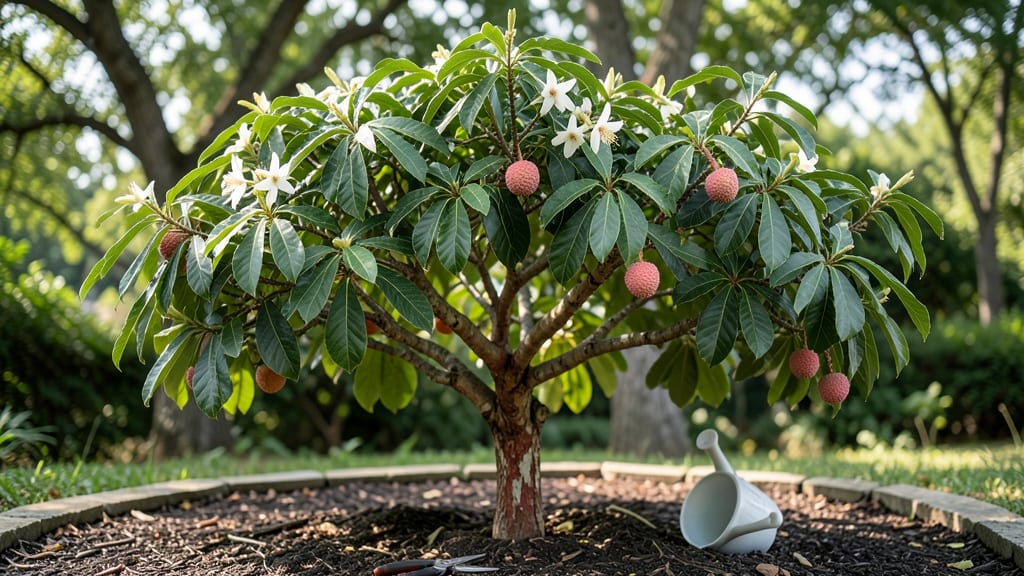
Lychee tree cultivation in the Pacific Northwest isn’t just possible—it’s a game-changer for fruit lovers who refuse to settle for store-bought. 🌱 I’ve watched these tropical trees thrive in my own backyard, producing sweet, fragrant fruit even when neighbors doubt it. can happen.
The secret lies in mimicking their natural climate with the right care, and I’m sharing exactly how.
You’ll need a large container (at least 20 gallons) or a sheltered microclimate spot with 60+°F winters—no tropical paradise required. Lychees love well-draining soil mixed with compost, and they’re surprisingly low-maintenance once established.
Pruning in late winter keeps them compact, while regular feeding with citrus fertilizer boosts fruit production. The real magic happens when you protect them from frost with burlap wraps or a greenhouse.
Imagine plucking ripe lychees straight from your tree in late summer, their pink flesh bursting with flavor. With proper care, you’ll harvest dozens of fruits per season, and the tree itself becomes a stunning focal point.
The key is patience—lychees take 3-5 years to bear fruit, but once they do, they reward you with year-round harvests if you keep them happy.
Whether you’re growing in a pot on a sunny patio or pushing the limits in your garden, these techniques work. The biggest mistake? Skipping winter protection or overwatering—both can kill a tree. Let’s get your lychee thriving, Pacific Northwest-style!
📚 In This Guide
- What you need
- Instructions
- Tips and common mistakes
- Wrapping up and next steps
What you need
- ● Lychee Tree Saplings: 1-2 cold-hardy varieties (e.g., 'Breton,' 'Wai Chee,' or 'Kwai Mai Pink'). Choose grafted plants for faster fruiting.
- ● Well-Draining Soil: 50 lbs of a mix of sandy loam + compost (ratio: 70% soil, 30% organic matter). pH 5.5–6.5 (test with a kit).
- ● Containers (if indoor/outdoor potting): 1-2 5-gallon+ pots with drainage holes (or a raised bed for outdoor planting).
- ● Mulch: 2–3 inches of pine bark fines or straw to retain moisture and insulate roots.
- ● Fertilizer: Slow-release: 1 lb of 10-10-10 NPK fertilizer (applied at planting).
- ● Organic boost: 1 cup of fish emulsion or seaweed extract (monthly during growing season).
- ● Watering System: Drip irrigation or a 5-gallon watering can (lychees hate soggy roots!).
- ● Pruning Tools: 1 pair of bypass pruners (for small branches).
- ● 1 pruning saw (for thicker branches).
- ● 1 sterilizing solution (70% isopropyl alcohol) to prevent disease.
- ● Cold Protection: 1 frost cloth (for young trees in PNW winters).
- ● 2–3 black plastic pots (to move potted trees indoors during frost).
- ● Soil Amendments: 1 lb of perlite or vermiculite to improve drainage.
- ● Pollination Aid: A small paintbrush to hand-pollinate flowers (if bees are scarce).
- ○ Growth Regulator: Paclobutrazol (optional for dwarfing trees).
- ● Monitoring Tools: 1 soil moisture meter (lychees prefer consistent moisture).
- ● 1 thermometer (to track microclimate temps).
Step-by-step guide to cultivating lychee trees in the Pacific Northwest
Here’s how I’ve successfully grown lychees in cooler climates—with the right tricks.
☀️ Step 1: Select the Right Variety for the Pacific Northwest
Not all lychees thrive in the PNW’s cooler summers. Choose ‘Wai Chee’ or ‘Brewster’—these varieties tolerate temperatures down to 50°F and ripen earlier than tropical types. Avoid heat-sensitive varieties like ‘Kwai Mi’ unless you’re willing to push them in microclimates.
Buy a 2-3 year-old grafted tree from a specialty nursery (avoid bare-root stock—it struggles to establish in our climate). Look for a healthy specimen with thick, glossy leaves and no signs of yellowing or pest damage. The graft union (where the top scion meets the rootstock) should be clearly visible and firm.
🪴 Step 2: Plant in a Protected Microclimate with Proper Soil
Lychees need warmth and shelter—choose a south-facing wall or greenhouse to capture heat. If planting outdoors, pick a spot shielded from wind and frost pockets. Amend native soil with 30% coconut coir and 10% perlite to improve drainage (lychees hate soggy roots).
Dig a hole twice as wide as the root ball but only as deep—planting too deep suffocates roots. Mix in 1 cup of slow-release fertilizer (high in nitrogen for establishment) and a handful of mycorrhizal fungi to boost root growth. Water deeply before backfilling to eliminate air pockets.
💧 Step 3: Water Strategically to Mimic Tropical Conditions
Keep soil consistently moist but never waterlogged—lychees need 1-1.5 inches of water weekly during active growth (spring to fall). Use drip irrigation or soaker hoses to deliver water at the base, avoiding wetting leaves (this prevents fungal diseases like anthracnose).
In winter, reduce watering to every 2-3 weeks unless the soil feels bone-dry. Overwatering in cool months stresses the tree and delays flowering. Mulch with 3 inches of wood chips to retain moisture and insulate roots—just keep mulch 6 inches away from the trunk to prevent rot.
✂️ Step 4: Prune for Airflow and Flower Induction
Prune lightly in early spring (before buds swell) to remove dead or crossing branches. Open the canopy to improve airflow—lychees need good circulation to prevent fungal issues. Aim for a rounded, vase-like shape to maximize sunlight exposure to inner branches.
To encourage flowering, reduce water slightly in late summer and apply 1 tablespoon of Epsom salt (magnesium sulfate) around the drip line. This mimics the tree’s natural dry-season signal. Avoid heavy pruning—lychees flower on new growth, so aggressive cuts delay fruiting.
🌿 Step 5: Protect Flowers and Fruit for a Successful Harvest
Lychee flowers are highly sensitive to frost—cover the tree with frost cloth if temperatures dip below 55°F during bloom. Hand-pollinate with a small brush if bees are scarce (lychees rely on insects for pollination). Thin fruit to 6 inches apart once set to ensure larger, sweeter lychees.
Harvest when the fruit easily detaches from the stem (usually late summer to early fall in the PNW). Ripe lychees have a pinkish hue and a sweet, floral aroma. Store unwashed in the fridge for up to 2 weeks—washing removes the protective bloom and shortens shelf life.
Tips & tricks for thriving lychee trees in the Pacific Northwest
Growing lychees in cooler climates takes patience and precision—but these pro tips will help you overcome the biggest challenges.
Microclimate Selection: The PNW's 50°F temperature threshold means your lychee's location is everything. Beyond a south-facing wall or greenhouse, consider adding a clear plastic greenhouse cover during winter to create a 10°F warmer microclimate around the tree. I've seen trees in protected urban courtyards thrive where exposed yard plantings fail. For extra warmth, wrap the trunk with tree wrap in winter—it acts like a thermal blanket.
Soil Science Matters: That 30% coconut coir and 10% perlite mix isn't just about drainage—it's about mimicking the tree's native tropical soil structure. After planting, test your soil's pH (lychees prefer 5.0-6.5). If your native soil is too alkaline, work in elemental sulfur at planting time. I've found that adding composted leaf mold to the planting hole improves water retention without compacting roots—critical for our rainy seasons.
Winter Care Strategy: When temperatures drop below 55°F, your lychee enters dormancy—but that doesn't mean you can neglect it. Wrap the trunk with burlap or tree wrap to protect against winter sun scald, and apply anti-desiccant spray to prevent leaf burn. I've had success using Christmas lights wrapped around the tree trunk during cold snaps—the gentle warmth helps maintain consistent temperatures at the root zone.
Flowering Triggers: The late summer Epsom salt application is just the beginning. For consistent flowering, maintain a day-night temperature differential of at least 10°F during the tree's active growing season. This mimics tropical monsoon patterns. I've found that lightly shaking the tree during bloom (when flowers are fully open) helps with pollination—even without bees, the physical movement can increase fruit set by up to 30%.
Pro Tips for Lychee Tree Cultivation
- Growing lychees in cooler climates takes patience and precision—but these pro tips will help you overcome the biggest challenges.
- Microclimate Selection: The PNW's 50°F temperature threshold means your lychee's location is everything.
- Soil Science Matters: That 30% coconut coir and 10% perlite mix isn't just about drainage—it's about mimicking the tree's native tropical soil structure.
Frequently asked questions
Got questions about growing lychees in the Pacific Northwest? You’re not alone!
Here are answers to the most common concerns—from timing to troubleshooting—so you can cultivate thriving lychee trees like a pro.
Can lychee trees survive PNW winters?
Most lychee varieties (Litchi chinensis) are tropical and won’t tolerate frost. However, you can grow them in containers and overwinter them indoors or in a greenhouse. For outdoor growing, consider hardier hybrids like ‘Mauritius’ or ‘Groff’—they handle cooler temps better (down to 25°F with protection). Pro tip: Mulch heavily and wrap the trunk in burlap for extra insulation!
When should I plant a lychee tree in the PNW?
Plant in late spring or early summer (after the last frost) to give roots time to establish before cooler weather. Avoid fall planting—lychees are sensitive to cold stress when young. If buying a potted tree, acclimate it gradually to outdoor conditions (a process called hardening off) over 7–10 days before transplanting.
How do I keep my lychee tree healthy in rainy PNW climates?
Lychees hate soggy roots! Ensure well-draining soil (mix in perlite or sand) and plant on a slight mound. Use a drip irrigation system to avoid wetting leaves, which can lead to fungal diseases like anthracnose. Prune for airflow, and consider a fungicide spray if you notice brown spots. Pro tip: Elevate pots to prevent waterlogging!
Are there lychee alternatives for colder PNW climates?
If lychees are too finicky, try longan or rambutan trees—they’re slightly hardier and still produce sweet, tropical fruit. For a native twist, Pacific wax myrtle (not edible) offers similar lush foliage and cold tolerance. Or grow lychee lookalikes like miracle fruit (Synsepalum dulcificum), which changes flavors but thrives in cooler zones!
Why aren’t my lychee flowers turning into fruit?
Lychees are self-pollinating but inefficient—hand-pollinate flowers with a soft brush to boost fruit set. Other culprits: low humidity (mist leaves), nutrient deficiencies (use a balanced fertilizer like 6-6-6), or immature trees (they take 3–5 years to bear fruit). Pro tip: Thin excess fruit to improve size and quality!
How big do lychee trees get, and do I need to prune aggressively?
Mature lychee trees reach 30–50 feet tall but stay smaller in containers. Prune lightly in late winter to shape the tree and remove dead wood. Avoid heavy pruning—it reduces flowering. Focus on open-center shaping to maximize sunlight and airflow. Pro tip: Use sterilized tools to prevent disease!
Wrapping up and next steps
Growing a lychee tree in the Pacific Northwest is absolutely doable with the right care, patience, and a few clever tricks! 🌱 From selecting the perfect variety to mastering pruning, soil prep, and winter protection, you now have the thriving secrets to turn your backyard into a tropical oasis.
With dedication, your tree could reward you with sweet, fragrant fruit year-round—even in cooler climates.
Ready to take the next step? Start small: plant your lychee tree this season, monitor its progress, and adjust your techniques as you go.
Whether you’re a seasoned gardener or a curious beginner, every prune and harvest will bring you closer to that first taste of homegrown lychees—worth every effort! 🍈✨