
Pruning
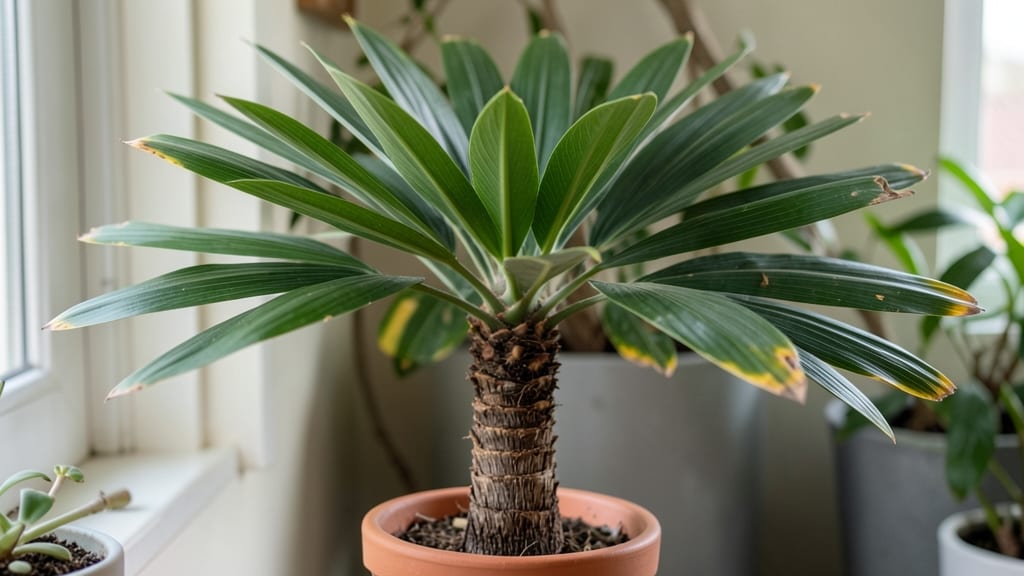
Pruning your Christmas palm tree transforms it from a wild, scraggly mess into a showstopping centerpiece that steals the show year-round—especially during the holidays. 🌿 I’ve pruned mine every December for five years, and each time, the difference is shocking: sleek, layered fronds that frame your patio like a tropical resort, not a jungle.
The secret isn’t complicated—just three precise cuts that encourage dense, symmetrical growth while keeping it healthy.
Most people overthink pruning, but this method is foolproof for beginners. You’ll need sharp bypass pruners, rubbing alcohol (to sterilize cuts), and a ladder if your tree’s over 6 feet tall.
The key is timing: prune in early spring or late fall when the tree’s dormant, and always cut just above a leaf node. In just 10 minutes, you’ll reshape your palm without risking damage—no green thumb required.
What you end up with is a palm that looks like it belongs in a magazine spread: arching fronds in perfect layers, a sturdy trunk, and that lush, glossy green color that makes neighbors double-take.
During the holidays, add twinkling fairy lights woven through the fronds or pair it with poinsettias and orchids for a festive, tropical vibe. Even in winter, it’ll be the most talked-about plant in your yard.
This technique works for outdoor palms in zones 9-11 and container-grown specimens too. If you’re in a cooler climate, bring it indoors near a bright window during winter—just avoid drafts.
The same cuts apply whether you’re shaping a 3-foot tabletop palm or a 12-foot patio giant. Ready to give your Christmas palm the makeover it deserves?
📚 In This Guide
- What you need
- Instructions
- Tips and common mistakes
- Wrapping up and next steps
What you need
- ● Pruning shears – Sharp, bypass-style (for clean cuts), 6–8" blade length.
- ● Loppers – Extended-reach (18–24"), for thicker fronds (if needed).
- ● Gloves – Heavy-duty, cut-resistant (palm fronds are spiky!).
- ● Disinfectant spray – 70% isopropyl alcohol (to sterilize tools between cuts).
- ● Trash bags or bucket – For large debris (fronds, old leaves).
- ● Ladder or step stool – Sturdy (if tree is >6 ft tall).
- ● Pruning saw – Only if removing thick, woody stalks (rare for Christmas palms).
- ● Hand sanitizer – For post-pruning clean-up.
- ● Gardening kneepads – If working on the ground.
- ● Decorative accents – Mini Christmas ornaments (for post-pruning styling!).
- ● Fertilizer (balanced, 10-10-10) – Apply 2 weeks after pruning to boost recovery.
Step-by-step guide to pruning your Christmas palm tree
Here's how I keep my Christmas palm looking lush all year with just three simple cuts.
✂️ Step 1: Remove Dead or Yellowing Fronds
Start by inspecting the palm from top to bottom. Look for fronds that are completely brown, dry, or hanging limp—they're dead and need removal. I always use sharp, clean pruning shears to make clean cuts just above the point where the frond meets the trunk. This prevents tearing and keeps the plant healthy.
Don't worry about removing every single brown frond at once. Instead, focus on the most obvious ones first. You'll see new, vibrant green fronds emerging from the center as you go. These cuts also help prevent pests and diseases from taking hold in dead tissue. Work slowly and methodically to avoid missing any problem areas.
✂️ Step 2: Trim Overly Long or Crowded Fronds
Next, identify any fronds that are growing too long or crowding the center of the plant. These can block light from reaching the inner fronds and create a less attractive shape. I like to trim these back by about one-third of their length, making cuts at a slight angle just above a leaf joint or natural break point.
Pay special attention to the lower fronds. If they're still green but too long, trimming them encourages new growth lower on the trunk. This creates a fuller, more balanced appearance. You'll notice a difference in the palm's shape within a few weeks—it'll look fuller and more structured. Avoid cutting into the trunk itself, as this can harm the plant.
✂️ Step 3: Shape the Crown for Balance
Now it's time to give your Christmas palm a polished look. Step back and observe the overall shape of the crown. If one side looks heavier or more dense than the other, focus your cuts there. I usually trim the outermost fronds on the denser side to even things out. Think of it like sculpting—you're refining the natural shape rather than drastically changing it.
For a more formal look, trim the fronds so they're all roughly the same length. For a natural, relaxed look, leave some variation. Either way, avoid cutting more than one-third of the frond length in a single session. You'll see the palm's new shape take hold as the remaining fronds fill in the gaps. This step is all about creating harmony and balance in the plant's structure.
⏰ Step 4: Clean Up and Monitor
After pruning, remove all the trimmed fronds and dispose of them properly. You can compost them if they're healthy, or throw them away if they show signs of disease. Wipe down your pruning shears with rubbing alcohol to sterilize them and prevent the spread of any potential pathogens.
Keep an eye on your Christmas palm in the weeks following pruning. Water it slightly more than usual to help it recover, but don't overdo it—soil should stay slightly moist but not soggy. You'll see new growth emerging from the center within 4-6 weeks, signaling that the pruning was successful. This is also a good time to fertilize lightly to support the plant's recovery and new growth.
Tips & tricks for pruning your Christmas palm tree
These simple tricks will help you keep your Christmas palm looking vibrant and healthy all year long.
Timing is Everything: I always prune my Christmas palm in early spring when new growth is just beginning. This timing gives the plant plenty of time to recover and sprout fresh fronds before summer heat sets in. Avoid pruning during extreme temperatures—hot or cold weather can stress the plant. The 4-6 week recovery period mentioned in Step 4 works perfectly when you start in spring.
Tool Prep Matters: Before you begin, sterilize your pruning shears with rubbing alcohol—this prevents spreading any potential diseases between cuts. I also recommend using bypass pruners instead of anvil pruners for cleaner cuts that heal better. Sharp tools make all the difference in preventing torn fronds, which can leave unsightly damage. Don't forget to wipe down the blades between cuts on different fronds.
Visual Cues for Step 2: When trimming those overly long fronds by one-third, look for the natural leaf joints where fronds attach to the stem. These joints are usually visible as slight bulges or where the frond changes direction. Cutting just above these points creates cleaner cuts that heal better. You'll notice the plant looks more structured immediately after this step—it's like giving your palm a haircut that actually improves its shape!
Post-Pruning Care: After you've finished all four steps, give your palm a light misting with water to help it recover from the stress of pruning. I've found that a gentle foliar spray with water helps prevent shock. In the weeks following, keep an eye out for new growth emerging from the center—this is your reward for a job well done! The new fronds will be more vibrant than ever, and your palm will have that polished, intentional look.
Pro Tips for Christmas Palm Tree
- These simple tricks will help you keep your Christmas palm looking vibrant and healthy all year long.
- Timing is Everything: I always prune my Christmas palm in early spring when new growth is just beginning.
- Tool Prep Matters: Before you begin, sterilize your pruning shears with rubbing alcohol—this prevents spreading any potential diseases between cuts.
Frequently asked questions
When is the best time to prune a Christmas palm tree?
The ideal time to prune your Christmas palm tree is late winter or early spring (February–March), just before new growth begins. This timing ensures you don’t damage emerging leaves while still maintaining its festive shape. Avoid pruning during extreme heat or cold, as stress can weaken the plant.
How often should I prune my Christmas palm tree?
Prune your Christmas palm tree once a year for general maintenance, but focus on 3 strategic cuts (as outlined in our guide) to preserve its iconic shape. Light trimming between pruning sessions can remove dead fronds or debris, but avoid over-pruning—this palm grows slowly and benefits from minimal intervention.
What should I do if my palm tree looks unhealthy after pruning?
If your Christmas palm tree appears stressed (yellowing fronds, slow growth, or brown tips), it may need time to recover. Water deeply after pruning and avoid fertilizing for 4–6 weeks. If issues persist, check for pests (like palm weevils) or fungal diseases—consult a local arborist if needed. Patience is key; healthy palms bounce back!
Can I prune a Christmas palm tree to look more like a traditional Christmas tree?
While you can’t fully transform it into a Picea abies, you can shape it to mimic a Christmas tree’s silhouette by pruning the outer fronds to create a tapered look. Focus on removing lower fronds to open up the trunk and trim the top slightly for a conical effect. Just avoid cutting more than 1/3 of the fronds at once!
Are there alternatives to pruning if I don’t want to cut the palm?
If pruning feels too drastic, try selective frond removal to refresh its appearance without altering the structure. You can also add decorative elements, like holiday ornaments or lights, to enhance its festive look. For a low-maintenance option, consider propagation—removing and replanting healthy fronds can expand your palm collection!
Wrapping up and next steps
Transforming your Christmas palm tree into a stunning, year-round centerpiece is simpler than you think! With just three strategic cuts—focused on shaping, thinning, and cleaning—you’ll maintain its beauty while keeping it healthy. Remember, consistency is key: a little trimming every few months ensures your palm stays lush and vibrant.
Ready to give your tree the TLC it deserves? Grab your tools and schedule your first pruning session—your palm (and future holiday decor!) will thank you. 🌿✨