
Pruning
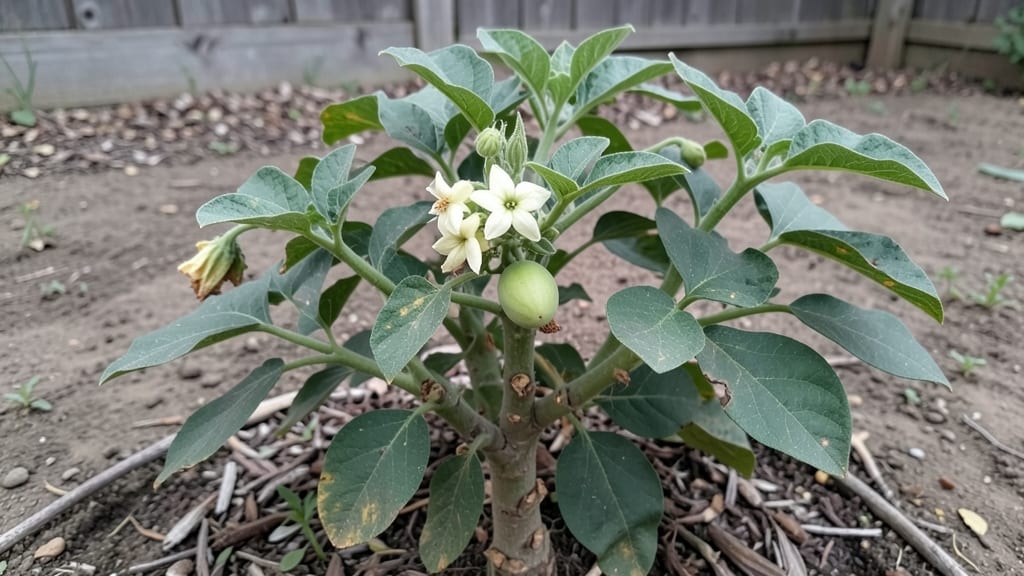
Pruning a pepino melon tree (Solanum muricatum) transforms it from a finicky vine into a year-round fruit machine—and the secret is surprisingly simple. I’ve watched mine go from sparse, leggy branches to a dense, productive bush with just a few strategic cuts each season.
The key isn’t aggressive trimming but understanding how this tropical relative of tomatoes and eggplants responds to light and air circulation.
Most gardeners overthink pruning, but pepino melons thrive with minimal intervention—think of it as sculpting, not haircutting. You’ll focus on three things: removing dead wood, opening up the center for sunlight, and pinching back new growth to encourage bushier habits.
My plant now produces fruit every 8-10 weeks instead of just once a year, and the flavor—sweet, tangy, with a hint of pineapple—is worth the effort. The best part? It’s forgiving enough that even missed pruning seasons won’t kill it.
This method works whether you’re growing it as a perennial in Zone 9-11 or a tender annual in cooler climates. The pepino melon’s tuberous roots store energy, so it rebounds quickly even after neglect.
You’ll notice new shoots within 2-3 weeks of pruning, and the fruit—small, cucumber-shaped, and covered in fuzzy skin—will start appearing by mid-summer if you start early. The real magic happens when you combine pruning with consistent watering and morning sun exposure.
For those in colder zones, treat it like a houseplant in winter—it’ll survive indoors near a sunny window. In warmer areas, let it sprawl a bit, but keep it contained to 6-8 feet for easier harvests.
The goal is balance: enough cuts to shape the plant, but not so many that it stresses. Once you master this, you’ll never buy pepino melons again—they’re impossible to resist once you taste homegrown ones fresh off the vine.
📚 In This Guide
- What you need
- Instructions
- Tips and common mistakes
- Wrapping up and next steps
What you need
- ● Pruning shears: Bypass pruners (for clean cuts on stems up to ½ inch thick). Example: Felco F2 or Corona Tools Classic.
- ● Loppers: For thicker branches (½ to 1½ inches). Example: Fiskars PowerGear.
- ● Hand pruners: For delicate trimming of new growth or suckers (avoid dull blades!).
- ● Disinfectant (70% rubbing alcohol or bleach solution): 1 part bleach to 9 parts water (to sterilize tools between cuts).
- ● Garden gloves: Heavy-duty, cut-resistant (e.g., Mechanix or Wolverine).
- ○ Twine or plant ties: ¼-inch wide, for supporting new growth (optional but helpful).
- ● Sharpie marker or plant tags: To label pruned sections if needed.
- ● Sunlight & timing: Prune on a dry, overcast day (avoid wet conditions to prevent disease). Early morning is ideal!
- ● Weather check: No rain forecast for 24–48 hours post-pruning.
- ○ Optional: Horticultural oil or pruning sealant (for large cuts to prevent disease).
- ● Compost or mulch (to replenish soil after heavy pruning).
- ● Growth regulator (e.g., seaweed extract) to boost recovery.
Step-by-Step guide to pruning your pepino melon tree
This method keeps your vine vigorous, productive, and healthy without sacrificing fruit.
Identify the Right Time for Each Pruning Phase
Pepino melon trees respond best to seasonal pruning rather than one-and-done cuts. Start with late winter (just before new growth begins) to remove dead or weak wood. Then, prune lightly after each harvest to encourage continuous fruiting. Avoid heavy cuts during peak flowering—this stresses the plant and can reduce fruit set.
Watch for new growth flushes (rapid leaf expansion) as your cue. When you see 10-12 inches of fresh green growth, it’s time for a light shaping trim to redirect energy to fruit production. Use sharp pruners to make clean cuts at a 45-degree angle just above a leaf node or lateral branch.
Remove Dead, Diseased, or Crowded Growth
Start by inspecting the entire plant for dead branches (brown, brittle stems) or diseased tissue (black spots, mold). Cut these out first—they drain energy and invite pests. Next, target crossing branches or those growing inward, which block airflow and sunlight. Remove suckers (small shoots at the base of the main stem) unless you’re propagating new plants.
Here’s the thing—pepino melon trees fruit on new wood, so never prune more than one-third of the plant at once. If you see yellowing leaves or stunted growth, you’ve pruned too aggressively. Step back and assess: the goal is to maintain an open, airy canopy that lets sunlight reach the center.
Shape for Maximum Sunlight and Airflow
Pepino melons thrive in full sun (6+ hours daily), so your pruning should create a balanced, umbrella-like shape. Focus on lateral branches—these bear the most fruit. Trim back any that grow longer than 24 inches to encourage bushier growth. Use your fingers to gently bend younger branches into place; they’ll hold better than older wood.
Pay special attention to the lower third of the plant. If branches there are overcrowded, thin them out to prioritize upward growth. You’ll know you’ve done it right when the inner stems receive direct light and the plant’s silhouette looks even from all sides. Avoid "top-heavy" pruning—this causes instability, especially in container-grown trees.
Stimulate Continuous Flowering and Fruiting
After harvesting, prune lightly to promote new flower clusters. Cut back spent flowers (wilted blooms) and overly long vines (those exceeding 36 inches). This redirects the plant’s energy to lateral buds, which develop into new fruit-bearing branches. Use a sterilized pair of pruners to make cuts just above a leaf node—never leave stubs.
Real talk: Don’t prune during heatwaves (above 90°F). The plant’s energy goes into survival, not recovery. Instead, time your cuts for mild days (60-75°F) when the tree can heal quickly. You’ll see new leaves unfurl within 7-10 days—that’s your signal the pruning worked. If growth stalls, you’ve pruned too late in the season.
Winter Dormancy Preparation (For Cold Climates)
If you’re in USDA Zones 8-10, your pepino melon tree may need minimal winter pruning. Focus on removing all dead wood and thinning crowded branches by 20-30% to reduce wind damage. In colder zones (below Zone 7), prune back harder (50%) and mulch heavily to protect roots.
Here’s what I do: Wait until late winter (when the ground is workable but before buds swell) to prune. Cut back weak stems to healthy lateral branches, leaving 2-3 strong canes per plant. This ensures a vigorous spring flush of growth. Avoid pruning frost-damaged branches until after the last frost—you might remove live tissue by mistake.
Tips & tricks for pruning your pepino melon tree
Pruning pepino melon trees is all about balance—too much and you stress the plant, too little and you miss out on maximum fruit production. Here’s how to get it right without sacrificing yield.
Seasonal Timing is Everything: The instructions highlight late winter and post-harvest pruning, but here’s the key detail: always prune when the plant is actively growing—not during dormancy or heat stress. In Step 1, when you see those 10-12 inches of fresh green growth, that’s your perfect window. I’ve learned the hard way that pruning during heatwaves (above 90°F) can shock the plant, so I wait for those mild days between 60-75°F when the tree can heal quickly. This timing ensures new growth responds within 7-10 days.
Tool Maintenance Matters: Your pruners are just as important as your timing. Sterilize them between cuts with rubbing alcohol to prevent spreading disease—this is especially critical in Step 2 when removing diseased tissue. I also recommend using bypass pruners (not anvil-type) for cleaner cuts that heal faster. Sharp tools make precise 45-degree cuts above leaf nodes, which is what the instructions emphasize for redirecting energy to fruit production. Dull tools crush stems, creating entry points for pests.
Visual Cues Over Guesswork: The instructions mention creating an "open, airy canopy," but here’s what that looks like in practice: when you step back and the plant’s silhouette appears evenly balanced from all sides, you’ve succeeded. In Step 3, focus on the lower third—if branches there are overcrowded, thin them to prioritize upward growth. You’ll know you’ve done it right when sunlight reaches the center of the plant. I’ve found that bending younger branches with my fingers (as suggested) helps them hold their new shape better than cutting and hoping they’ll stay put.
Winter Pruning by Zone: The instructions differentiate between Zones 8-10 and colder climates, but here’s the practical breakdown: in Zone 7 and below, prune back 50% of the plant’s growth to protect against harsh winters. In milder zones, a 20-30% thinning suffices. The key is to wait until late winter—when the ground is workable but before buds swell—as this ensures you’re cutting back weak stems while preserving the plant’s energy reserves for spring. I’ve seen frost-damaged branches mistakenly pruned too early, so always wait until after the last frost to assess true damage.
Pro Tips for Pepino Melon Tree
- Pruning pepino melon trees is all about balance—too much and you stress the plant, too little and you miss out on maximum fruit production.
- Seasonal Timing is Everything: The instructions highlight late winter and post-harvest pruning, but here’s the key detail: always prune when the plant is actively growing—not during dormancy or heat stress.
- Tool Maintenance Matters: Your pruners are just as important as your timing.
Frequently asked questions
Got questions about keeping your pepino melon tree productive with smart pruning? Here are answers to the most common ones—so you can enjoy sweet, year-round harvests without the guesswork!
When is the best time to prune a pepino melon tree?
Prune your pepino melon tree twice a year: late winter/early spring (before new growth starts) to shape the tree and remove dead wood, and after harvest (summer/fall) to encourage more fruiting branches. Avoid heavy pruning during flowering or fruiting—light trimming is best then!
How much should I cut back for maximum fruit production?
Keep it balanced! Remove 1/3 of the oldest, least productive branches in winter to promote new growth. In summer, trim only lightly—just enough to open airflow and remove overcrowded or diseased stems. Over-pruning stresses the tree and can reduce fruit yield.
Why isn’t my pepino melon tree fruiting after pruning?
If your tree isn’t producing, check these first:
- Light: Pepino melons need 6+ hours of sun daily—move it if shaded.
- Pollination: Hand-pollinate with a small brush if bees aren’t visiting.
- Fertilizer: Feed with low-nitrogen, high-potassium fertilizer during flowering/fruiting.
- Patience: Young trees may take 1–2 years to bear fruit after pruning.
Can I grow pepino melons in containers, and how does pruning differ?
Yes! Container-grown pepino melons thrive in 5-gallon+ pots with drainage. Prune more aggressively in winter (up to 50% of growth) to control size, and pinch back tips in summer to encourage bushier (and fruitier) growth. Use dwarf or trailing varieties like ‘Sweet Delight’ for best results.
What should I avoid when pruning my pepino melon tree?
Avoid these pruning pitfalls:
- Cutting into old wood: Pepino melons won’t regrow from mature wood—stick to new, green growth.
- Pruning during frost: Wait until temps stay above 50°F (10°C).
- Using dull tools: Ragged cuts invite disease—always use sterilized, sharp pruners.
- Over-trimming after harvest: Let the tree recover before heavy cuts.
Still stumped? Snap a photo of your tree and pruning cuts, and we’ll help troubleshoot!
Wrapping up and next steps
Growing a thriving pepino melon tree is all about balance—pruning just enough to encourage fruitfulness while keeping your plant happy and healthy! 🌱 With the right tools, timing, and techniques, you’ll enjoy a year-round harvest of sweet, aromatic fruit.
Now that you’re armed with the knowledge, there’s no better time to grab your pruners and give your tree the care it deserves.
Ready to take the next step? Start small:
- Pick a sunny day and inspect your tree’s growth.
- Trim with confidence using the tips you’ve learned.
- Watch your pepino melon tree flourish—and maybe even share the bounty with friends!