
Pruning
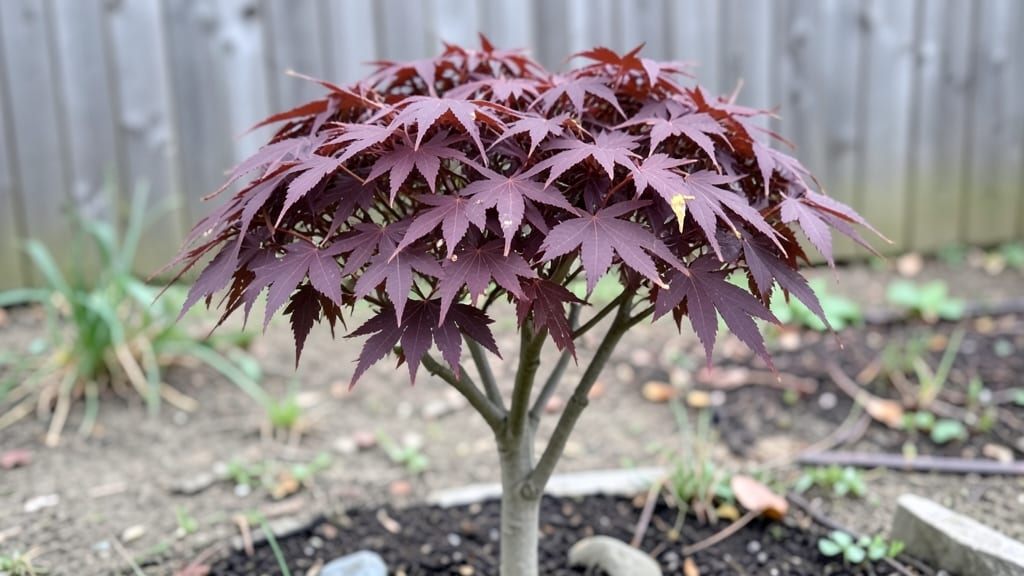
The Chinese red maple tree (Acer palmatum 'Atropurpureum') thrives in the Pacific Northwest's damp climate, offering vibrant foliage that stays stunning even after frost. 🌿 I planted mine last spring, and its deep red leaves now turn my yard into a seasonal masterpiece—without needing constant care.
The secret lies in its natural resilience against cold snaps and wet winters, making it a low-maintenance star for any landscape.
This tree loves well-draining soil mixed with compost and prefers partial shade to protect its delicate leaves from harsh afternoon sun. In the PNW's rainy climate, it handles moisture better than many ornamentals, but avoid waterlogged spots.
A single application of balanced fertilizer in early spring kickstarts growth, and you'll see new shoots within weeks. The key is patience—it grows slowly but steadily, rewarding you with bold color for decades.
Pruning is simple: trim dead branches in late winter and shape lightly in early spring before new growth starts. Watch for aphids or fungal spots, which are rare but can appear on stressed trees.
With the right spot, your Chinese red maple will become the showstopper of your garden, offering four-season interest with minimal effort. Here’s how to set it up for success.
Perfect for both city gardens and rural landscapes, this tree adapts to urban pollution and coastal winds. Whether you're a beginner or an experienced gardener, its hardiness and striking foliage make it a must-have for PNW yards. Let’s get yours planted right.
📚 In This Guide
- What you need
- Instructions
- Tips and common mistakes
- Wrapping up and next steps
What you need
- ● Pruning shears: Bypass pruners (sharp, 10-12 inch blades) for small branches (½ inch diameter). 1 pair.
- ● Loppers: For medium branches (½–1½ inch diameter). 1 pair with long handles for reach.
- ● Pruning saw: Curved-tooth saw for thick branches (> 1½ inch). 1 medium-sized (16–20 inch blade).
- ● Disinfectant: 70% isopropyl alcohol or rubbing alcohol in a spray bottle (8 oz) to sterilize tools between cuts.
- ● Heavy-duty gloves: Leather or nitrile-coated (rated for cut-resistant protection). 1 pair.
- ● Ladder or extension pole: Sturdy, aluminum or fiberglass (avoid metal near power lines). 1 unit (height depends on tree size).
- ● Tarp or drop cloth: 10x12 ft to collect debris.
- ● Twine or zip ties: 1 roll (for securing branches during pruning).
- ● Pruning sealant: Tree wound paint (e.g., Tanglefoot Tree Seal) to protect large cuts (if desired).
- ● Safety goggles: To shield eyes from debris.
- ● Pole pruner: For high branches (extendable 10–16 ft).
- ● Notebook & pen: To sketch pruning plans or track growth.
- ● Wheelbarrow: For hauling heavy branches.
How to plant and care for a Chinese red maple tree in the Pacific Northwest
This stunning tree thrives in our region’s climate—here’s how to plant and nurture it for decades of vibrant color.
🌱 Step 1: Choose the Perfect Planting Site
Select a location with full sun to partial shade—at least 6 hours of sunlight daily—and well-draining soil. Chinese red maples tolerate a range of soil types but perform best in slightly acidic to neutral soil with a pH between 5.5 and 7.0. Test your soil’s pH before planting; if it’s too alkaline, amend with sulfur or peat moss to adjust.
Space the tree 20-30 feet apart from other trees or structures, allowing room for its mature spread of 25-35 feet wide. Avoid low-lying areas where cold air pools, as this can damage the tree’s frost-hardy but tender young bark. In the Pacific Northwest, where winter rains are common, ensure the site has good drainage to prevent root rot.
🪴 Step 2: Dig the Hole and Plant Properly
Dig a hole twice as wide as the root ball but no deeper. The top of the root ball should sit 1-2 inches above ground level—this prevents water from pooling around the trunk and causing rot. Gently loosen the roots if they’re circling or tightly bound, then place the tree in the hole.
Backfill with the native soil, tamping lightly every 6 inches to remove air pockets. Water deeply to settle the soil around the roots, then create a 2-3 inch deep basin around the base to direct water away from the trunk. Mulch with 3 inches of organic mulch (like wood chips) and extend it 2 feet out from the trunk, but avoid piling mulch against the bark.
☀️ Step 3: Water and Fertilize for Strong Establishment
Water the tree deeply 2-3 times per week for the first month, then taper to once a week for the first growing season. In the Pacific Northwest’s damp climate, overwatering is a bigger risk than underwatering—check soil moisture by sticking your finger 2 inches deep; if it’s dry, water again. Avoid wetting the foliage to prevent fungal diseases like anthracnose, which can discolor leaves.
Apply a balanced, slow-release fertilizer (like 10-10-10) in early spring before new growth begins. Follow the package instructions for dosage, but reduce by half if your soil is already nutrient-rich. Chinese red maples respond well to organic fertilizers like compost tea or worm castings, which improve soil structure over time. Skip fertilizer in the first year if the tree looks healthy.
✂️ Step 4: Prune and Maintain Year-Round
Prune in late winter or early spring before new growth starts. Remove any dead, diseased, or crossing branches first, then thin out crowded branches to improve airflow. Avoid heavy pruning—this tree’s beauty lies in its natural shape, so focus on light shaping to maintain its elegant form. Use sterilized pruning shears to prevent spreading disease.
In the Pacific Northwest, where winters are mild but wet, protect young trees from late-season frost by wrapping the trunk with tree guard if temperatures drop below 20°F. Once established, Chinese red maples handle frost well, but their vibrant foliage may fade slightly in extreme cold. Monitor for pests like aphids or spider mites—treat with neem oil if needed, but this tree is generally pest-resistant when healthy.
⏰ Step 5: Enjoy Year-Round Interest and Plan for Long-Term Care
Chinese red maples deliver stunning fall color (deep reds and oranges) and attractive bark in winter, making them a standout year-round. In the Pacific Northwest’s mild winters, they often retain some foliage, adding texture even when other trees are bare. Watch for new growth in spring—healthy leaves should emerge vibrant green and gradually develop their signature red hues.
After the first year, reduce watering to once every 2-3 weeks unless the summer is exceptionally dry. Fertilize lightly in early spring and mid-summer to support steady growth. Mulch annually in early spring to replenish organic matter and suppress weeds. With proper care, your Chinese red maple will thrive for 50+ years, becoming a cherished landscape centerpiece.
Tips & tricks for perfect Chinese red maple tree planting
A few simple tricks will help your Chinese red maple thrive for decades in the Pacific Northwest's unique climate.
Soil Prep Secret: Before planting, mix in compost or aged manure into the backfill soil to give your tree a nutrient boost right from the start. Since Chinese red maples prefer slightly acidic soil, you can also add a handful of peat moss to the bottom of the planting hole to create the perfect growing environment. This extra care during planting pays off with healthier roots and more vibrant foliage.
Watering Wisdom: The first month is critical—stick to the 2-3 times per week deep watering schedule, but pay attention to your soil. In our damp climate, it's easy to overwater. Press your finger 2 inches deep—if it feels moist, wait another day. The goal is to keep the soil consistently moist but never soggy, which can lead to root rot.
Mulch Mastery: When you apply that 3 inches of organic mulch, extend it 2 feet out from the trunk but keep it 2 inches away from the tree itself. This creates a protective barrier that retains moisture while preventing mulch from touching the bark, which can cause rot. Refresh the mulch annually in early spring to maintain its protective qualities.
Frost Protection: In the Pacific Northwest's mild winters, late-season frosts can still damage young trees. If temperatures are forecasted to drop below 20°F, wrap the trunk with tree guard or even burlap. This extra protection gives your tree's tender bark a fighting chance against unexpected cold snaps, especially in the first few years when the tree is establishing its root system.
Pro Tips for Chinese Red Maple Tree
- A few simple tricks will help your Chinese red maple thrive for decades in the Pacific Northwest's unique climate.
- Soil Prep Secret: Before planting, mix in compost or aged manure into the backfill soil to give your tree a nutrient boost right from the start.
- Watering Wisdom: The first month is critical—stick to the 2-3 times per week deep watering schedule, but pay attention to your soil.
Frequently asked questions
Got questions about your Chinese Red Maple Tree? You’re not alone! Whether you're a pruning pro or just starting, these answers cover the most common concerns—from timing to troubleshooting. Let’s dive in!
When is the best time to prune a Chinese Red Maple Tree?
The ideal time to prune is late winter or early spring (before buds swell), when the tree is dormant but ready to regrow. Avoid heavy pruning in fall—it can stimulate late-season growth vulnerable to frost. For minor shaping, light pruning in summer is fine, but skip heavy cuts to preserve energy for winter.
How cold can a Chinese Red Maple Tree tolerate?
This hardy tree thrives in USDA zones 5-8 and can handle temperatures as low as -20°F (-29°C) with proper care. Young trees may need winter protection (like burlap wraps) in extreme cold, but mature specimens are tough as nails. Pro tip: Mulch the root zone in fall to boost frost resistance!
Can I prune too much? What are the signs?
Yes! Over-pruning stresses the tree, leading to stunted growth, weak branches, or excessive water sprouts. Limit cuts to no more than 25% of the canopy per year. Signs of over-pruning include yellowing leaves, slow regrowth, or dead branches. If you see these, scale back and focus on thinning (removing crossing branches) over heavy cuts.
What’s the difference between Chinese Red Maple and Japanese Maple pruning?
While both are maples, Chinese Red Maples are hardier and faster-growing, so they tolerate more aggressive pruning than delicate Japanese Maples. Avoid shearing (which harms structure)—instead, use selective thinning to maintain an open canopy. Japanese Maples need gentler shaping to preserve their fine foliage.
Why are my Chinese Red Maple leaves turning yellow or dropping early?
Yellowing or early leaf drop often signals overwatering, nutrient deficiency, or pest issues. Check for:
- Root rot (soggy soil? Reduce watering.)
- Iron deficiency (yellow between veins? Use chelated iron.)
- Spider mites or scale (sticky leaves or webs? Spray with horticultural oil.)
If the issue persists, test your soil pH—Chinese Red Maples prefer slightly acidic (6.0–7.0) conditions.
Wrapping up and next steps
The Chinese Red Maple isn’t just a stunning addition to your Pacific Northwest garden—it’s a resilient, low-maintenance powerhouse that thrives in frost and adds year-round beauty.
With the right pruning techniques, you’ll keep it healthy, vibrant, and full of those iconic fiery hues, ensuring it remains the star of your landscape for decades. 🌿
Ready to elevate your outdoor space? Grab your tools, follow the steps you’ve learned, and give your Chinese Red Maple the care it deserves. Watch it flourish—and enjoy the compliments! 🌟