Pruning
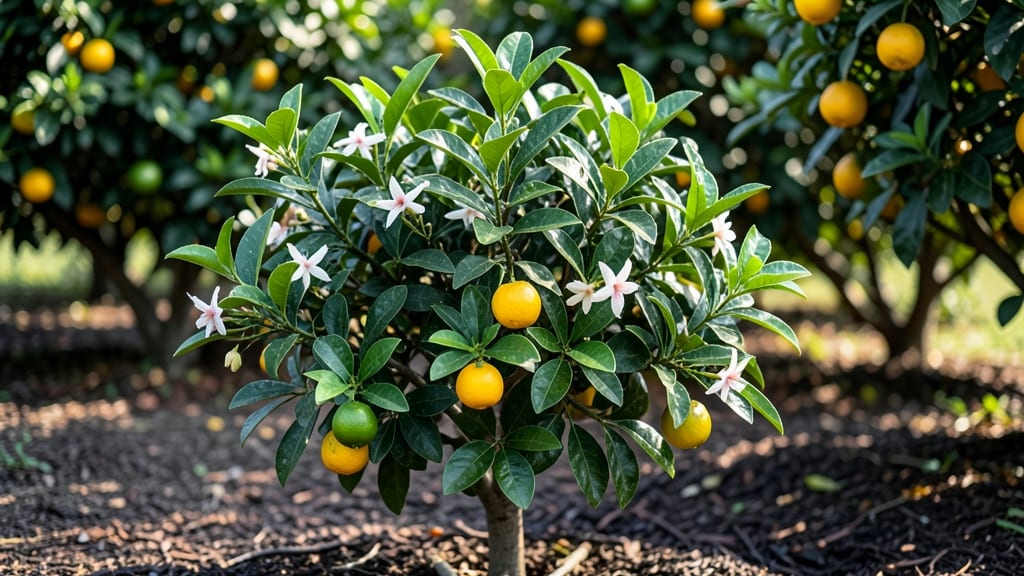
The Eustis limequat tree thrives where citrus usually freezes—its frost-resistant nature makes it a standout for Florida gardeners. 🌱 I planted mine three years ago after struggling with traditional citrus, and now it's loaded with sweet-tart fruit even after light freezes.
The secret lies in its hybrid roots, blending lime and kumquat hardiness with a citrusy kick.
This tree needs full sun and well-draining soil, but it’s forgiving about moisture—just don’t let it sit in soggy ground. Pruning in late winter removes dead wood and encourages new growth, while summer trims keep the shape manageable.
My 5-foot-tall tree now produces fruit year-round, with the best flavor after the first frost.
You’ll love the glossy foliage and fragrant white blossoms, but the real payoff is the fruit: tart when green, honey-sweet when ripe. It’s a low-maintenance star for small yards or containers, and the birds leave it alone. The only challenge? Overwatering—this tree prefers dry spells between drinks.
Perfect for USDA zones 8-11, it’s the citrus tree that actually survives Florida’s winters. Start with a young grafted plant for faster fruit, and you’ll have a productive, drought-tolerant tree in no time. The first harvest is the sweetest reward!
📚 In This Guide
- What you need
- Instructions
- Tips and common mistakes
- Wrapping up and next steps
What you need
- ● Pruning shears: Bypass pruners (sharp, 6–8 inches) for small branches
- ● Loppers: 1 pair (for branches ½–2 inches thick)
- ● Pruning saw: Curved-tooth saw (for branches >2 inches)
- ● Disinfectant: 70% isopropyl alcohol or 10% bleach solution (to sterilize tools)
- ● Gloves: Heavy-duty, cut-resistant gloves (for safety)
- ● Rubbing alcohol or hand sanitizer: (to clean hands between cuts)
- ○ 5-gallon bucket: For collecting pruned branches (optional but helpful!)
- ● Permanent marker: (to label branches if grafting or training)
- ● Tree wound paint: (e.g., Tanglefoot Tree Seal) – controversial; skip if your tree is young/healthy!
- ● Extension pole: (for high branches, 6–10 feet)
- ● Frost cloth or row cover: (if pruning in late fall/winter)
- ● Notebook & pen: (to track pruning notes by season)
How to prune a Eustis limequat for maximum frost resistance
This citrus hybrid thrives in cooler climates—here's how to keep it productive and protected.
✂️ Step 1: Time Your Pruning for Frost Protection
Prune your Eustis limequat late winter to early spring, just before new growth begins. This timing ensures you remove weak wood while leaving buds intact for spring flushes. I always check for first blooms—once you see them, stop pruning immediately. Late winter pruning also strengthens wood before cold snaps, giving it time to heal before summer heat.
If you missed the window, prune in early fall instead, but avoid heavy cuts after September 1st—new growth won’t harden before winter. The key is to work when the tree is dormant but before active growth starts. You’ll know you’ve timed it right when you see tight, brown buds along the branches, not yet swollen for spring.
🌿 Step 2: Remove Dead or Damaged Wood First
Start by cutting out any dead, diseased, or crossing branches—these compete with healthy growth and invite pests. Use clean, sharp pruners to make cuts at a 45-degree angle, about ¼ inch above a bud that faces outward. I always sanitize my tools with rubbing alcohol between cuts to prevent spreading any hidden pathogens.
Look for branches that rub against each other or grow inward—they’ll eventually break or create weak entry points for frost damage. Remove any branches thinner than a pencil, too; they’re unlikely to survive winter. You’ll know you’ve done this step right when the tree’s structure looks open and airy, allowing sunlight and air circulation to reach all fruit.
☀️ Step 3: Shape for Sun Exposure and Airflow
Thin the canopy to let sunlight reach the center of the tree—this prevents frost pockets where cold air settles. Aim for an open vase shape, removing branches that grow inward or downward. I like to step back every few cuts to visualize the tree’s silhouette; you want a rounded top with branches spaced 6-12 inches apart.
Never remove more than 25% of the tree’s foliage in one season—this stresses the plant and reduces its ability to recover from frost. Focus on selective pruning: cut back overcrowded branches to half their length and leave stronger, outward-facing branches intact. You’ll know you’ve balanced it right when you can see light filtering through the center without gaps.
⏰ Step 4: Post-Pruning Care for Frost Hardiness
After pruning, apply a 2-inch layer of mulch around the base (but not touching the trunk) to insulate roots. Water deeply once a week until fall rains begin—consistent moisture helps the tree recover. I also spray the tree with a copper fungicide in early spring to prevent fungal diseases that thrive in damp conditions after pruning.
Watch for new growth within 3-4 weeks—this confirms the tree is recovering well. If you see weak, leggy shoots, it means you pruned too late or too aggressively. Adjust next year’s cuts to be more conservative. The goal is a tree that looks full but not overcrowded, with strong branches ready to support fruit through winter.
Tips & tricks for perfect Eustis limequat pruning
Mastering the art of pruning your Eustis limequat ensures it thrives through winter and produces fruit year-round.
Timing is Everything: In Step 1, I can't stress enough how critical the late winter to early spring window is. If you're unsure about the exact timing, use the "bud test"—prune when buds are tight and brown, not yet swollen. This ensures you're cutting at the perfect moment to encourage strong new growth without risking frost damage to fresh cuts.
Tool Prep Matters: Before you start Step 2, sharpen your pruners and sterilize them with rubbing alcohol. Dull tools crush branches instead of making clean cuts, which invites disease. I also keep a small spray bottle of alcohol handy to wipe between cuts—this prevents cross-contamination when removing diseased wood. Think of it like sanitizing between patients at the dentist!
Visualize the Final Shape: When shaping your tree in Step 3, step back every few cuts to visualize the open vase shape. You want sunlight to reach the center, so aim for branches spaced 6-12 inches apart. A good trick is to imagine the tree as a lamp—you want light to shine through the center without gaps. This open structure is your best defense against frost pockets where cold air settles.
Post-Pruning Recovery: After completing all steps, monitor your tree closely for 3-4 weeks. If you notice weak, leggy growth, you may have pruned too late or too aggressively. In Step 4, adjust next year's cuts to be more conservative—remember, the goal is a balanced tree that looks full but allows proper airflow and sunlight penetration.
Pro Tips for Eustis Limequat Tree
- Mastering the art of pruning your Eustis limequat ensures it thrives through winter and produces fruit year-round.
- Timing is Everything: In Step 1, I can't stress enough how critical the late winter to early spring window is.
- Tool Prep Matters: Before you start Step 2, sharpen your pruners and sterilize them with rubbing alcohol.
Frequently asked questions
Got questions about your Eustis limequat tree? You’re not alone—this hybrid citrus is a favorite, but pruning and care can feel tricky! Below, we’ve rounded up the most common questions (and answers) to help you keep your tree thriving year-round.
How cold can a Eustis limequat tree tolerate?
The Eustis limequat is one of the most frost-resistant citrus trees, surviving brief dips to 15–20°F (-9 to -7°C). However, prolonged exposure below 28°F (-2°C) may damage leaves or fruit. For extra protection, wrap the tree in frost cloth or use a space heater on cold nights.
When is the best time to prune my Eustis limequat?
Prune your limequat late winter or early spring (February–March), just before new growth begins. Avoid heavy pruning in summer or fall, as this can stress the tree. Light shaping can be done year-round, but major cuts should wait for dormancy.
Why aren’t my Eustis limequat fruits ripening?
Fruit may fail to ripen due to insufficient sunlight, overwatering, or nutrient deficiencies. Ensure your tree gets 6+ hours of direct sun daily and prune to improve airflow. Test soil pH (ideal: 6.0–7.0) and fertilize with citrus-specific food in early spring.
Can I grow a Eustis limequat in a container?
Yes! This tree thrives in containers (choose a 15–20 gallon pot for mature trees). Use well-draining soil, and repot every 2–3 years. Place it in a sunny spot and water deeply when the top inch of soil feels dry. Just remember: container-grown trees may need winter protection in colder zones.
What should I avoid when pruning my Eustis limequat?
Avoid these pruning mistakes:
- Cutting into old wood—always prune just above a leaf node or bud.
- Over-pruning—remove no more than 25% of the canopy at once.
- Using dull tools—clean, sharp pruners prevent tearing and disease.
- Pruning after frost—wait until the tree shows new growth.
Still stumped? Snap a photo of your tree and send it to our expert team for personalized advice!
Wrapping up and next steps
Growing a frost-resistant Eustis limequat tree is a rewarding way to enjoy year-round fruit with minimal hassle! By mastering the right pruning techniques—like selective trimming in late winter and summer shaping—you’ll boost airflow, fruit production, and resilience against cold snaps. 🌱✨
Ready to take the next step? Grab your pruners and schedule your first post-harvest trim—your tree (and future fruit baskets!) will thank you. Happy pruning!