
Container Gardens
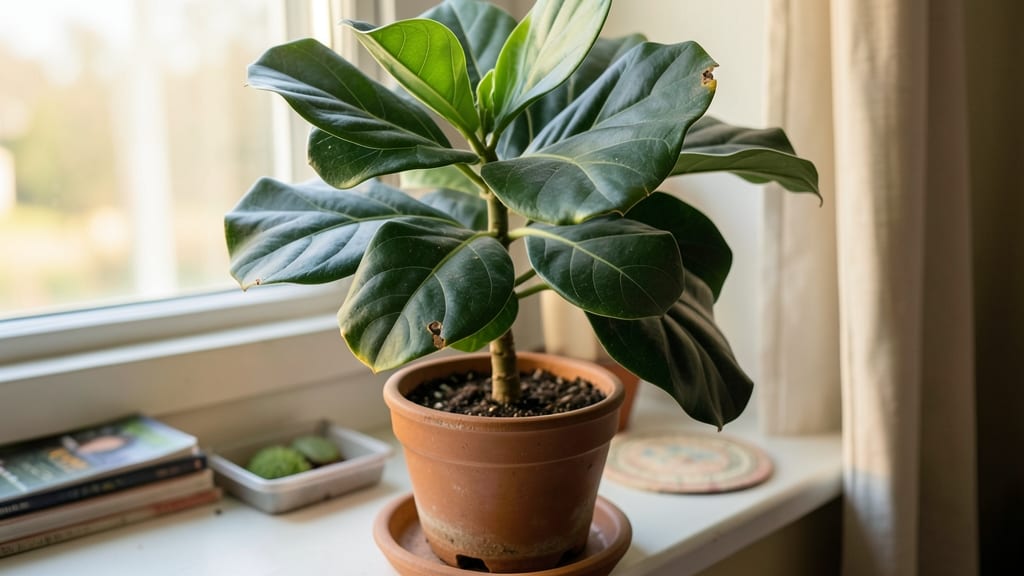
A potted flower tree in your Pacific Northwest yard isn’t just a plant—it’s a living canopy that dances with seasonal color while shrugging off frost. I’ve styled mine with a mix of evergreen and deciduous varieties, creating a year-round show that even winter can’t dull.
The key? Choosing cold-hardy species like Japanese maples or serviceberry that thrive in containers and still put on a show when temperatures dip.
You’ll need containers with 10+ gallons of space—think large ceramic pots or half whiskey barrels for drama—and drainage holes to keep roots happy. Pair your tree with trailing plants like ferns or ornamental grasses to soften the edges and fill in bare spots.
My setup includes a sun-loving crabapple as the star, surrounded by shade-tolerant heuchera for contrast. The result? A focal point that feels intentional, not accidental.
What you’ll love most is how these trees transform your space: dappled shade in summer, fiery foliage in fall, and even winter interest with berries or bark texture. Move them to highlight different views—near patios for summer gatherings or against a blank wall for winter structure.
The best part? No permanent commitment; your "living art" can follow the sun or your mood.
Works for patios, porches, or even large balconies—just pick containers that match your style. Here’s how to make it work without the guesswork, so you end up with a showstopper, not a science project.
📚 In This Guide
- What you need
- Instructions
- Tips and common mistakes
- Wrapping up and next steps
What you need
- ● Flowering Tree Variety: Choose a frost-resistant option like Weigela, Japanese Maple (e.g., 'Bloodgood'), or Dwarf Cherry Blossom (Prunus 'Kanzan'). Ensure it’s labeled container-friendly.
- ● Large, Durable Pot: 15–25 gallon capacity with drainage holes (e.g., ceramic, fiberglass, or heavy-duty plastic). Pro tip: 💡 Add feet to prevent waterlogging!
- ● High-Quality Potting Mix: 1 bag (1–2 cubic feet) of well-draining mix (e.g., Metro-Mix 360 or Miracle-Gro Premium). Avoid garden soil!
- ● Slow-Release Fertilizer: 1 lb of balanced 10-10-10 or acid-loving plant fertilizer (e.g., Osmocote or Espoma Holly-Tone).
- ● Mulch: 1–2 inches of organic mulch (e.g., pine bark fines or cocoa hulls) to insulate roots.
- ● Watering Can or Hose with Nozzle: 1 gallon capacity for deep watering.
- ● Tree Stake & Ties (if needed): 1–2 stakes and soft ties for young/small trees.
- ● Heated Mat or Insulated Pot Sleeve: For extra frost protection in winter (e.g., Sunbeam Heated Mat).
- ● Self-Watering System: A wicking bed kit or smart watering sensor (e.g., Blumatic) for busy gardeners.
- ● Decorative Accents: Gravel, pebbles, or moss for a polished look.
- ● Tree Pruning Shears: Bypass pruners (Felco F-2) for shaping and maintenance.
- ● Eco-Friendly Pest Control: Neem oil or beneficial nematodes for PNW-specific pests.
How to cultivate a frost-resistant potted flower tree for year-round Pacific Northwest beauty
This method focuses on selecting and maintaining a hardy, multi-seasonal tree that thrives in containers while withstanding PNW winters.
Select a Cold-Hardy Tree Species Suited for Containers
For the Pacific Northwest's Zone 7-9 climate, focus on species like Japanese maple (Acer palmatum), dwarf Korean lilac (Syringa meyeri), or serviceberry (Amelanchier lamarckii). These tolerate 10-20°F temperatures when properly winterized. Avoid tropical species like citrus or bougainvillea—they’ll succumb to frost damage within hours.
Choose a dwarf or semi-dwarf cultivar with a mature height under 12 feet to ensure it fits standard 15-20 gallon containers. Check the root flare (where roots meet trunk) to confirm it won’t outgrow the pot within 5-7 years. I always verify the species’ USDA hardiness zone and container suitability before purchasing, as some "cold-hardy" trees still struggle in heavy clay soils when potted.
Prepare the Container and Soil for Optimal Drainage and Root Health
Use a 15-20 gallon container with multiple drainage holes—poor drainage kills potted trees faster than frost. Line the bottom with 2-3 inches of gravel or broken pottery to prevent soil compaction. The right soil mix is critical: blend 60% high-quality potting mix, 20% perlite or pumice, and 20% compost for aeration and nutrient retention.
Fill the pot to 2 inches below the rim, leaving room for watering. Tap the container gently to settle the soil without compacting it. The goal is a loose, well-draining mix that mimics natural forest soil while preventing waterlogging. I always add a slow-release fertilizer (like Osmocote) at planting to avoid mid-winter nutrient stress.
Plant and Stake for Stability During Wind and Storms
Remove the tree from its nursery pot and loosen the roots if they’re circling. Place it in the container so the root flare sits just above soil level—burying it too deep suffocates the trunk. Backfill with soil, pressing gently to eliminate air pockets but avoiding compaction. Water deeply until water runs freely from the drainage holes, then let it drain completely.
Stake the tree immediately using two ¼-inch diameter stakes positioned 3-4 inches from the trunk and tied with soft tree ties (not wire). This prevents toppling in PNW’s frequent windstorms. Mulch the surface with 2-3 inches of shredded bark, keeping it 2 inches away from the trunk to prevent rot. The mulch insulates roots in winter while retaining moisture in summer.
Winterize for Frost Resistance and Spring Readiness
When nighttime temperatures drop below 32°F, move the container to a protected location like a garage or under an eave, where it’s sheltered from north winds. Wrap the pot and root ball in burlap or frost blankets, leaving the top open to allow light. For extreme cold (<20°F), add a clear plastic dome (like a large storage bin) to trap heat without suffocating the tree.
Reduce watering to once every 3-4 weeks in winter, only enough to keep soil slightly moist. Overwatering in cold soil leads to root rot, which is deadlier than frost. In early spring, resume normal watering and fertilize lightly with a balanced 10-10-10 formula once new growth appears. Prune dead or crossing branches in late winter to promote airflow and reduce disease risk.
Maintain Year-Round Health with Seasonal Adjustments
In spring and summer, water deeply 2-3 times per week (more in heatwaves), ensuring the top 2 inches of soil dry out between waterings. Monitor for aphids or spider mites—common in potted trees—and treat with neem oil at the first sign of infestation. I always inspect the undersides of leaves where pests hide, catching problems before they spread.
Every 2-3 years, repot into a container 2-3 inches larger in diameter to accommodate root growth. Refresh the soil mix with new potting mix and compost, and trim 10-15% of the canopy to maintain shape and encourage bushier growth. This pruning also prevents the tree from becoming top-heavy in windy PNW conditions. With these steps, your potted flower tree will thrive for decades, providing year-round color and structure in any outdoor space.
Tips & tricks for perfectly cultivating your frost-resistant potted flower tree
Creating a thriving potted flower tree that survives PNW winters requires attention to detail—here's how to elevate your success beyond the basics.
Species Selection Wisdom: When choosing your tree in Step 1, prioritize cultivars with USDA Zone 7-9 hardiness and specifically bred for container life. I recommend verifying the nursery's growing conditions—trees grown in colder climates within their hardiness zone will adapt better to PNW winters than those from milder regions. For example, a Japanese maple grown in Zone 6 might struggle more than one from Zone 7 when both are labeled as cold-hardy.
Soil Mix Strategy: In Step 2, the soil blend is your foundation for winter survival. I've found that adding 10% coconut coir to your 60-20-20 mix improves moisture retention during winter dormancy while maintaining excellent drainage. This subtle adjustment prevents the soil from becoming too dry in winter or too compacted in summer. The slow-release fertilizer should be a low-nitrogen blend (like 10-5-10) to prevent excessive growth that weakens cold tolerance.
Winter Protection Technique: For Step 4's frost protection, I've had the most success with a two-layer insulation system during extreme cold (<20°F). First wrap the pot and root ball in burlap, then add a clear plastic dome—but leave the top open 2-3 inches to allow air circulation. This creates a microclimate that can raise temperatures by 5-10°F inside the dome while preventing condensation buildup that leads to fungal issues.
Seasonal Transition Insight: The shift from winter to spring in Step 4 is critical. I've noticed that trees often show signs of stress when moved back outdoors too early. Wait until consistent daytime temperatures above 50°F before moving your potted tree back outside, even if nighttime temps still dip. This gradual transition prevents the sudden shock that can cause leaf scorch or bud failure.
Pro Tips for Potted Flower Tree
- Creating a thriving potted flower tree that survives PNW winters requires attention to detail—here's how to elevate your success beyond the basics.
- Species Selection Wisdom: When choosing your tree in Step 1, prioritize cultivars with USDA Zone 7-9 hardiness and specifically bred for container life.
- Soil Mix Strategy: In Step 2, the soil blend is your foundation for winter survival.
Frequently asked questions
Got questions about adding a stunning potted flower tree to your Pacific Northwest space? Here are some of the most common queries—plus expert answers to keep your container garden thriving all year!
What’s the best frost-resistant flower tree for potted growing in the PNW?
Opt for ornamental cherries (Prunus serrulata), Japanese maples (Acer palmatum), or flowering crabapples (Malus)—they handle light frosts (down to 10°F) and thrive in containers. Avoid tropical varieties like bougainvillea, which won’t survive PNW winters. Pro tip: Choose dwarf cultivars (e.g., ‘Royal Purple’ smokebush) to simplify potting!
How do I protect my potted flower tree from PNW winter freezes?
Move pots to a sheltered spot (like a garage or porch) before hard freezes. Wrap the container in bubble wrap or frost cloth and add extra mulch around the base. For extreme cold (<15°F), use a container heater or surround the pot with straw bales. Remember: Never let soil freeze solid—water before bringing indoors!
How often should I water a potted flower tree in the PNW’s rainy climate?
Even with rain, container soil dries faster than ground soil. Check moisture weekly—stick your finger 2 inches deep. Water deeply when dry (aim for 1–2 gallons per 12-inch pot). In winter, reduce watering to prevent root rot, but never let pots sit in standing water. Drainage holes are a must!
Can I keep a potted flower tree small forever, or will it outgrow its container?
Most flower trees can stay potted indefinitely if pruned annually (late winter/early spring). Use root-restricting containers (like fabric grow bags) to encourage bushier growth. However, some varieties (like flowering cherries) may need repotting every 2–3 years. Watch for: roots circling the pot or slow growth—signs it’s time to upgrade!
What’s a low-maintenance alternative if I don’t want to deal with pruning?
Try dwarf conifers (like ‘Blue Star’ juniper) or ornamental grasses (e.g., ‘Karl Foerster’ feather reed). These require minimal pruning and add texture/color without the upkeep. For blooms, ‘Iceberg’ spirea is a hardy, low-fuss option that thrives in pots and handles PNW winters like a champ!
Wrapping up and next steps
Transforming your space with a potted flower tree is a rewarding way to enjoy year-round beauty while embracing the Pacific Northwest’s climate.
These frost-resistant beauties bring color, texture, and life to patios, balconies, or entryways—no matter the season! 🌿 With the right care and placement, your tree will thrive, becoming a stunning focal point that reflects your style and love for nature.
Ready to bring this vision to life? Start by choosing your favorite variety, gathering your supplies, and following the steps outlined above. Whether you’re a seasoned gardener or a beginner, your potted flower tree will reward you with blooms, greenery, and endless joy. Happy planting! 🌸