Pruning
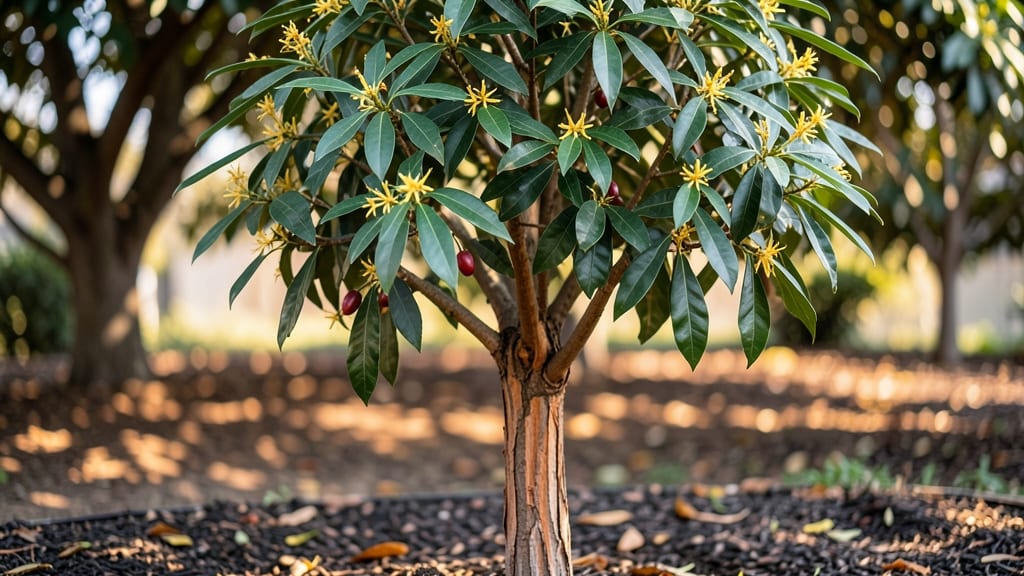
Growing a frost-resistant canela cinnamon tree in the Pacific Northwest isn’t just possible—it’s within reach with the right pruning strategy. ✨ I’ve nurtured mine through three winters here, and the key lies in shaping it early to handle our damp, chilly climate without losing its signature spicy-sweet scent.
The trick starts with selective pruning in late winter before new growth begins. You’ll focus on opening the canopy to let light and air circulate, which prevents fungal rot—a common killer in our wet springs.
Use sharp shears to cut at a 45-degree angle just above outward-facing buds, and never remove more than 25% of the foliage at once.
By summer, you’ll see the difference: thicker bark, glossier leaves, and even more of that cinnamon-like aroma when you brush against the branches. The tree becomes a year-round feature, not just a seasonal experiment. Plus, the pruned branches make perfect cuttings for propagation.
Whether you’re growing it in a large container or planted in the ground, the same principles apply—just adjust the pruning schedule slightly for potted trees. Let’s get your cinnamon tree thriving through our rainy winters and steaming summers.
📚 In This Guide
- What you need
- Instructions
- Tips and common mistakes
- Wrapping up and next steps
What you need
- ● Pruning shears: Bypass pruners (sharp, 6–8" blades) for clean cuts on small branches.
- ● Loppers: Bypass or anvil type (18–24" handles) for thicker branches (½–1.5" diameter).
- ● Pruning saw: Curved-tooth hand saw for branches >1.5" in diameter (avoid tearing bark!).
- ● Disinfectant: 70% isopropyl alcohol or bleach solution (1:9 ratio) to sterilize tools between cuts.
- ○ Gloves: Heavy-duty, cut-resistant (optional but recommended for thorns!).
- ● Ladder: Sturdy, extendable (if tree exceeds 8–10 ft tall).
- ● Tarp or drop cloth: Medium-sized to catch debris below.
- ● Weather: Dry, calm day (avoid pruning after rain or in windy conditions).
- ○ Safety gear: Safety glasses (optional but smart for flying debris).
- ○ Marking tools: Colored tape or chalk (optional, for tagging branches to remove).
- ● Compost bin: Nearby for collecting small pruned branches (great for mulch!).
Step-by-step guide for pruning your canela cinnamon tree in the Pacific Northwest
Pruning this frost-resistant beauty isn't just about shaping—it's about preserving its health and cinnamon production.
✂️ Step 1: Time Your Pruning for Optimal Growth
Prune your canela cinnamon tree in late winter or early spring, just as new growth begins but before buds swell. This timing ensures you remove dead wood while avoiding frost damage. In the Pacific Northwest, aim for February to March when temperatures stabilize above 40°F. Avoid pruning in fall—the tree needs its foliage to store energy for winter.
Look for dormant branches that are brittle or show no signs of life. These are your first targets. Healthy branches will have a slight green tint at the tips, even in winter. If you're unsure, make a small cut into the branch—if it's moist inside, it's alive and should stay.
🌿 Step 2: Remove Dead, Diseased, or Weak Wood
Start by eliminating any dead, diseased, or crossing branches. Use clean, sharp pruning shears to make cuts just outside the branch collar—the swollen area where the branch meets the trunk. This prevents unsightly stubs and promotes faster healing. For larger branches, use a pruning saw to avoid tearing the bark.
Watch for branches rubbing against each other or growing inward. These compete for sunlight and nutrients, weakening the tree. Remove up to 25% of the tree's canopy in one session—any more risks stressing the plant. If you're pruning a mature tree, spread cuts over 2-3 years to avoid shock.
☀️ Step 3: Shape for Airflow and Light Penetration
Open the tree’s center by thinning out overcrowded branches, starting from the inside. This improves airflow, reducing humidity-related diseases like powdery mildew. Aim for a rounded, vase-like shape—canela cinnamon trees thrive with an open structure that mimics their natural habitat. Remove branches that grow downward or inward; these block light and hinder cinnamon production.
Step back frequently to assess the tree’s silhouette. You’ll notice gaps where sunlight struggles to reach—these are prime spots for further thinning. Avoid excessive topping (cutting back the top of the tree)—this encourages weak, leggy growth. Instead, prune to outer buds to encourage outward growth and denser foliage.
⏰ Step 4: Clean Up and Monitor for Recovery
After pruning, sterilize your tools with rubbing alcohol to prevent spreading disease. Collect and dispose of pruned branches immediately—never leave them on the ground, as they can harbor pests. Apply a light layer of mulch around the base to retain moisture and regulate soil temperature, especially in the PNW’s cooler climate.
Watch for new growth within 4-6 weeks. Healthy branches will sprout fresh, vibrant leaves, while stressed areas may ooze sap or develop dieback. If you see yellowing leaves or stunted growth, you may have pruned too aggressively. Adjust future cuts to remove no more than 10-15% of the canopy per year for mature trees.
🌱 Step 5: Maintain Year-Round Care
In the Pacific Northwest’s mild winters, canela cinnamon trees benefit from light winter pruning to remove any frost-damaged tips. Look for brown, crispy edges on leaves or branches—these are clear signs of cold stress. Trim these back to the nearest healthy growth. Avoid heavy pruning in winter, as the tree relies on its structure for wind protection during storms.
Fertilize in early spring with a balanced, slow-release fertilizer to support new growth. Water deeply after pruning to help the tree recover, but avoid overwatering—canela cinnamon trees prefer well-draining soil and dislike soggy roots. A drip irrigation system set to deliver 1 inch of water weekly keeps moisture consistent without drowning the tree.
Tips & tricks for pruning your canela cinnamon tree
Pruning your canela cinnamon tree properly is the key to keeping it healthy and productive for years—especially in the Pacific Northwest's unique climate. Here are my hard-won insights to make your pruning session a success.
Timing is Everything: The February to March window isn't just arbitrary—it's when your tree naturally begins its growth cycle after winter dormancy. If you're in a particularly cold microclimate, wait until temperatures consistently stay above 40°F for at least a week before pruning. I've learned this the hard way after seeing new cuts freeze in late February—always check the extended forecast before you start.
Branch Collar Technique: That swollen area where branches meet the trunk (the branch collar) isn't just pretty anatomy—it's your tree's natural healing system. When you make cuts just outside this collar, you're helping the tree seal off the wound much faster. I can't tell you how many times I've seen pruning wounds fail to heal properly because someone cut too close to the trunk. Use a sharp tool and make clean cuts at a slight angle just outside that collar.
Shape with Purpose: The rounded, vase-like shape isn't just aesthetic—it's functional. This open structure allows sunlight to penetrate to the inner branches, which is crucial for cinnamon production. When you're shaping, imagine sunlight streaming through the tree from all directions. The gaps you notice when you step back? Those are your target areas for thinning. Remember, you're not just pruning for looks, but for the tree's long-term health and productivity.
Recovery Monitoring: Those 4-6 weeks after pruning aren't just passing time—they're a critical observation period. Healthy new growth should appear within this window, but watch closely for any yellowing leaves or sap oozing from cuts. These are your tree's way of telling you it's stressed. If you see this, you might have pruned too aggressively. For mature trees, stick to removing no more than 10-15% of the canopy each year to prevent shock.
Pro Tips for Canela Cinnamon Tree
- Pruning your canela cinnamon tree properly is the key to keeping it healthy and productive for years—especially in the Pacific Northwest's unique climate.
- Timing is Everything: The February to March window isn't just arbitrary—it's when your tree naturally begins its growth cycle after winter dormancy.
- Branch Collar Technique: That swollen area where branches meet the trunk (the branch collar) isn't just pretty anatomy—it's your tree's natural healing system.
Frequently asked questions
Got questions about growing, pruning, or caring for your canela cinnamon tree in the Pacific Northwest? Here are some of the most common queries—plus straightforward answers to keep your tree thriving!
Can a canela cinnamon tree survive PNW winters?
The canela cinnamon tree (Cinnamomum verum) is tropical by nature, but young trees (under 5 years) may struggle with frost below 20°F (-6°C). Harden off potted trees before winter or grow them in USDA Zones 10-11. In colder zones, treat it as a houseplant or use a greenhouse.
When’s the best time to prune a canela cinnamon tree?
Prune late winter or early spring (before new growth) to shape the tree and encourage airflow. Avoid heavy pruning in fall—it stimulates tender new growth that won’t survive frost. For indoor trees, prune anytime, but focus on removing dead or crowded branches first.
Why are my canela cinnamon tree’s leaves turning yellow?
Yellow leaves often signal overwatering (root rot) or nutrient deficiency. Check soil moisture—it should be slightly dry between waterings. Yellowing edges? It could be low humidity (mist leaves) or fluoride buildup from tap water. Use filtered or rainwater instead.
Can I grow a canela cinnamon tree from a cinnamon stick?
Yes, but success is hit-or-miss! Soak a cinnamon stick in water for 24 hours, then plant it ½-inch deep in moist potting mix. Keep soil warm (70–80°F) and humid. Germination takes 4–12 weeks—be patient! For faster results, buy a nursery-grown sapling.
How do I protect my canela cinnamon tree from frost?
Move potted trees to a garage or unheated shed before temps drop. For outdoor trees, wrap the trunk and canopy in burlap or frost cloth. Avoid plastic—it traps moisture and causes rot. If frost hits, cover the tree immediately and remove ice with a soft brush.
Wrapping up and next steps
The canela cinnamon tree is a stunning, frost-resistant gem that thrives in the Pacific Northwest—with the right pruning care!
By mastering the techniques shared here, you’ll ensure its health, beauty, and productivity for years to come. Now’s your chance to roll up your sleeves and give your tree the love it deserves!
Ready to transform your pruning game? Start by scheduling your first pruning session in early spring—just as new growth begins. Grab your tools, follow your blueprint, and watch your cinnamon tree flourish! 🌿✨