
Pruning
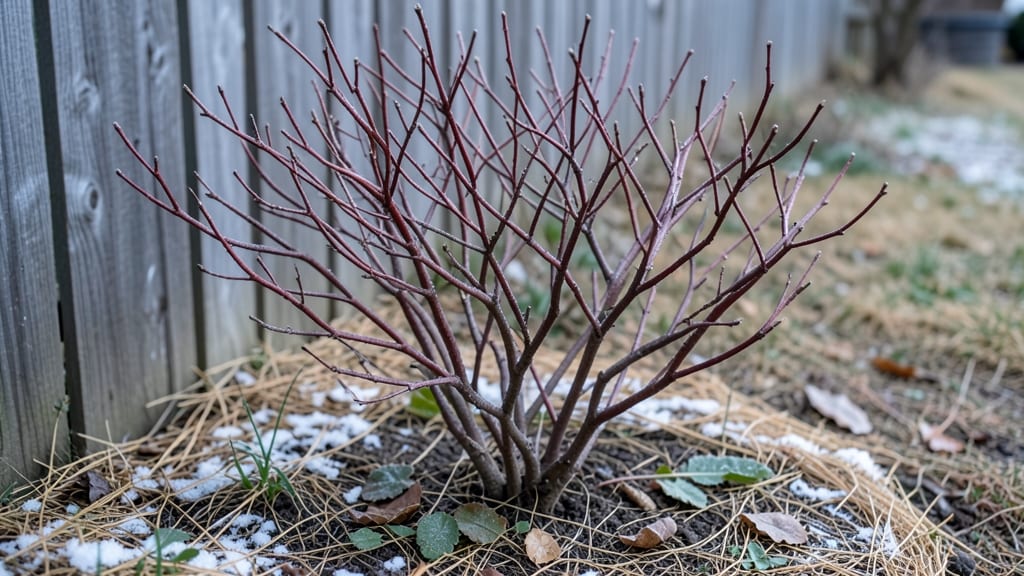
Winter pruning blueberry trees in the Pacific Northwest isn’t just about shaping—it’s about survival. 🌿 The right cuts now mean stronger branches that handle frost, snow, and wind without breaking.
I’ve pruned my bushes for five winters, and the difference between a healthy plant and a snapped one comes down to timing and technique.
The key is working while the tree’s dormant but before hard freezes lock the wood. You’ll need sharp loppers, a pruning saw for thicker branches, and a clear day when temps stay above 40°F. The goal?
Open the center to sunlight and air while keeping the structure sturdy—think of it like giving your tree a winter coat that’s both warm and flexible.
By spring, you’ll see new growth emerging from the pruned areas, with fewer weak, frost-susceptible branches. The tree’s energy focuses on producing fruit rather than repairing damage. Plus, the open shape means better airflow, which cuts down on fungal issues that thrive in damp Pacific Northwest winters.
This method works for highbush and rabbiteye varieties alike, whether you’re in Seattle’s mild winters or Portland’s occasional deep freezes. The same principles apply to other cold climates too—just adjust for your local frost dates. Let’s get those branches in shape before the snow flies.
📚 In This Guide
- What you need
- Instructions
- Tips and common mistakes
- Wrapping up and next steps
What you need
- ● Pruning shears – Bypass pruners (sharp, 6-8 inch blades) for clean cuts on small branches.
- ● Loppers – For thicker branches (2-3 inch diameter)—look for bypass or anvil types with a long handle (24+ inches) for leverage.
- ● Pruning saw – For branches over 3 inches thick—choose a bow saw or folding pruning saw with a fine-tooth blade.
- ● Disinfectant (70% isopropyl alcohol or bleach solution) – 1 part bleach to 9 parts water to sterilize tools between cuts and prevent disease.
- ● Gloves – Heavy-duty, cut-resistant gloves (e.g., mechanics’ gloves) to protect hands from thorns and sharp tools.
- ● Rubbing alcohol or hand sanitizer – To clean hands after handling sap or thorns.
- ● Tarp or drop cloth – 4x6 feet or larger to collect fallen branches and debris.
- ○ Marking twine or flags – For tagging branches to remove (optional but helpful for complex pruning).
- ● Pruning sealant – For large cuts (over ½ inch) to prevent disease entry (e.g., Tanglefoot Tree Wound Pruning Seal).
- ● Extension pole – For high branches (10+ feet)—attach shears or a saw for hard-to-reach spots.
- ● Work boots with ankle support – For stability on uneven garden terrain.
- ● Safety glasses – To protect eyes from debris or sap splatter.
- ● Notebook & pencil – To sketch your tree’s structure before/after pruning.
How to prune blueberry trees for winter in the Pacific Northwest
Here's the method I trust to shape blueberries for frost resilience—tested across wet winters and coastal winds.
✂️ Step 1: Time Your Pruning for Dormancy
Prune your blueberry bushes after harvest but before new growth starts—typically late winter to early spring (February-March in the PNW). The tree is fully dormant but hasn't yet begun its spring flush. This timing ensures you remove last year's wood without encouraging new growth that could be damaged by late frosts.
Look for brown, leafless branches with no visible buds. If you see even a hint of green, wait a few weeks. I always prune after a cold snap—the shock of frost makes the tree less likely to sprout new growth from pruning cuts.
✂️ Step 2: Remove Dead, Diseased, and Crossing Branches
Start by cutting out any dead or diseased wood—these branches won't produce fruit and can spread disease. Dead wood is easy to spot: it's gray, brittle, and snaps when bent. Diseased branches often have blackened cankers or fungal growth. Remove these at the base using clean, sharp pruners.
Next, eliminate crossing or rubbing branches—these create wounds where disease can enter. Look for branches growing toward each other or touching. Make your cuts just outside the branch collar (the swollen area where the branch meets the trunk). This ensures proper healing and prevents water from pooling at the cut.
✂️ Step 3: Thin the Canopy for Airflow and Light
Blueberries need good airflow to prevent fungal diseases like botrytis. Step back and visualize the tree as an open vase shape—wider at the base, narrower at the top. Remove up to 25% of the oldest wood (branches over 5 years old) to encourage new, productive growth. Older branches produce smaller berries and are less vigorous.
Focus on removing branches that grow inward—these block sunlight and air from reaching the center. You'll know you're doing it right when you can see light through the center of the bush and air moves freely between branches. Leave 3-5 main branches per year of the tree's age (a 10-year-old tree should have 30-50 main branches).
✂️ Step 4: Shape for Frost Resistance
In the PNW, late frosts can damage new growth, so shaping matters. Angle cuts slightly outward (about 45 degrees) on remaining branches to encourage upright, sturdy growth. Avoid cutting back to stubs—this invites disease and weakens the tree.
For young trees, prune to encourage a strong central leader (main upright stem). For mature trees, maintain a rounded, open shape that allows snow to slide off easily. If your tree has low-hanging branches, consider raising the canopy by cutting back to a strong lateral branch—this keeps fruit higher and less vulnerable to frost or soil-borne diseases.
🪴 Step 5: Clean Up and Protect for Winter
After pruning, sterilize your tools with rubbing alcohol to prevent spreading disease. Rake and remove all pruned branches from the area—leaving them invites pests and fungal spores. For heavy snowfall areas, consider tying larger branches to stakes to prevent breakage.
Apply a 2-3 inch layer of mulch (like wood chips or straw) around the base, but keep it 6 inches away from the trunk to prevent rot. This insulates roots and retains moisture. In coastal PNW areas, where winters are wet but mild, a light frost cloth over young trees can protect new growth from unexpected late frosts.
Tips & tricks for perfect blueberry tree winter pruning
These simple strategies will help you shape your blueberries for resilience against Pacific Northwest winters.
Timing is Everything: The February-March window is critical for PNW pruning. If you miss it, you risk encouraging new growth that late frosts can damage. I learned this the hard way after seeing tender shoots killed by April freezes. Check for brown, leafless branches with no buds—this confirms dormancy. If you see any green, wait another week or two.
Tool Preparation Matters: Sterilize your pruners with rubbing alcohol before you start—this prevents spreading disease between cuts. I keep a small bottle of 70% isopropyl alcohol in my gardening toolkit specifically for this purpose. Sharp tools make cleaner cuts that heal faster, so take a few minutes to sharpen your blades before beginning. This small step prevents long-term damage to your tree.
Visualize the Vase Shape: When thinning the canopy in Step 3, step back frequently to check your progress. The goal is an open vase shape that lets light and air circulate freely. I find it helpful to sketch a rough outline on paper first—this prevents over-pruning. Remember, you're aiming for 3-5 main branches per year of the tree's age, with no branches growing inward that block sunlight.
Frost Protection for Young Trees: For young blueberry bushes in coastal areas, consider using frost cloth after pruning. I've had great success with lightweight frost blankets on 2-3 year old trees during unexpected late frosts. Secure the cloth loosely—you want to protect without suffocating the new growth. This extra step can mean the difference between a thriving bush and one struggling to recover from frost damage.
Pro Tips for Blueberry Tree Winter
- These simple strategies will help you shape your blueberries for resilience against Pacific Northwest winters.
- Timing is Everything: The February-March window is critical for PNW pruning.
- Tool Preparation Matters: Sterilize your pruners with rubbing alcohol before you start—this prevents spreading disease between cuts.
Frequently asked questions
Got questions about winterizing your blueberry tree? You’re not alone! Here are some of the most common concerns Pacific Northwest gardeners have when it comes to pruning and protecting their blueberry trees during the cold months. Let’s dive in:
When is the best time to prune blueberry trees in winter?
The ideal window for pruning is late winter—after the worst frosts have passed but before buds start swelling (typically February or early March in the PNW). This timing balances frost protection with early-season growth. Avoid pruning too early, as cold snaps can stress fresh cuts.
How do I protect my blueberry tree from winter frost damage?
Focus on mulching (3–4 inches of straw or wood chips) around the base and wrapping young trees in burlap or frost cloth. Mature trees usually handle frost well, but thin canopies (from pruning) improve airflow and reduce ice buildup. Avoid heavy snow loads by gently shaking off accumulation from branches.
Should I remove dead or diseased branches now, or wait until spring?
Remove obviously dead or diseased wood immediately—even in winter—to prevent pests or pathogens from spreading. Sterilize pruners with rubbing alcohol between cuts. Healthy branches can wait until late winter, but act fast if you spot mummy berry fungus or cankers.
Can I prune blueberry trees in fall instead of winter?
Fall pruning is risky in the PNW due to late-season frosts and fungal diseases. If you must prune, do it in early fall (September), remove only dead wood, and avoid heavy cuts. Winter pruning gives you a cleaner slate and reduces stress before dormancy. Pro tip: Label branches you plan to prune in fall to avoid confusion!
Will pruning in winter affect next year’s blueberry harvest?
Not if done correctly! Pruning in late winter encourages stronger growth and larger yields by improving sunlight penetration and air circulation. Just avoid over-pruning—remove no more than 25% of the canopy per year. Focus on open-center shaping to maximize fruit production.
Wrapping up and next steps
Winter is the perfect time to shape your blueberry tree for a bountiful harvest and resilient growth—especially in the Pacific Northwest’s chilly climate! 🌲 By following these pruning tips, you’ll encourage strong branches, better airflow, and frost-resistant structure. Remember: patience and precision pay off with healthier trees and sweeter berries next season.
Ready to take action? Grab your pruners, mark your calendar for late winter (before buds swell), and start shaping your tree today! Your future blueberry harvests will thank you.