
Container Gardens
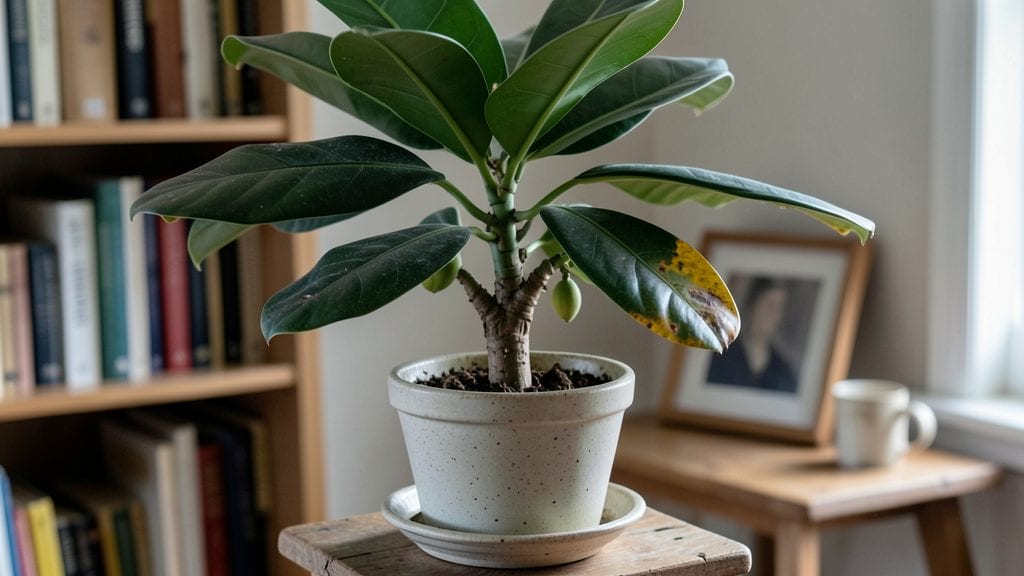
The best potted trees for Pacific Northwest winters are the ones that stay lush through frost, buzzing with pollinators year-round. 🌿 I’ve tested varieties that thrive in containers—no soggy roots or winter casualties—while still becoming the centerpiece of my patio.
The key is choosing trees that handle cold snaps, shallow pots, and our famously damp springs.
Think dwarf conifers like ‘Emerald Green’ arborvitae or ‘Little Gem’ magnolia, both staying under 10 feet but punching above their weight in texture and seasonal interest. These trees need well-draining soil, a sturdy container with drainage holes, and winter protection like burlap wraps or moving them under eaves.
The payoff? Year-round structure, four-season color, and a magnet for bees and butterflies even when other gardens are bare.
You’ll end up with a tree that’s as practical as it is pretty—no more sacrificing beauty for function. Pair yours with trailing ferns or winter pansies for a layered look, and watch how quickly neighbors ask for your secret.
The best part? These trees adapt to balconies, patios, or even large decks, proving you don’t need a yard to have a yard-worthy focal point.
Now, let’s talk containers: ceramic for Mediterranean vibes, galvanized steel for industrial chic, or simple fabric grow bags for lightweight mobility. Each choice affects drainage and weight—critical when moving trees for winter. The right setup means your tree stays healthy, happy, and ready to steal the show every season.
📚 In This Guide
- What you need
- Instructions
- Tips and common mistakes
- Wrapping up and next steps
What you need
- ● Potted Tree: Choose from frost-hardy varieties like Oregon Grape (Mahonia aquifolium), Pacific Dogwood (Cornus nuttallii), or Red Twig Dogwood (Cornus sericea). Opt for a 1- to 3-gallon container-grown tree for easier handling.
- ● Container: A 12- to 18-inch diameter pot with drainage holes (terracotta or high-quality plastic). Bonus: Add a cache pot (saucer) to catch runoff.
- ● High-Quality Potting Mix: A well-draining blend (e.g., 60% inorganic + 40% organic matter like perlite, bark, and compost). Avoid garden soil—it compacts and suffocates roots!
- ● Drainage Layer: 1–2 inches of gravel or expanded shale at the pot’s bottom to prevent waterlogging.
- ● Slow-Release Fertilizer: A balanced, organic fertilizer (10-10-10 or similar) mixed into the top 2–3 inches of soil.
- ● Mulch: 2–3 inches of bark chips or pine needles to retain moisture and insulate roots in winter.
- ● Moisture Meter: Ensures soil stays in the ideal 40–60% moisture range without guesswork.
- ● Tree Stake & Ties: Supports young trees in windy PNW conditions (use soft fabric ties to avoid girdling).
- ● Winter Blanket: A breathable frost cloth for extra protection during hard freezes (<32°F).
- ● Pollinator-Friendly Add-Ons: Small native wildflowers (e.g., yarrow or salal) planted around the pot to boost pollinator traffic.
- ● Self-Watering System: A wicking bed or drip irrigation kit for hands-off hydration during dry spells.
How to select and care for Pacific Northwest potted trees
Here’s how I handpick frost-tolerant, pollinator-friendly trees that thrive in containers year-round.
🌱 Step 1: Choose the Right Tree Species for Your Climate
The Pacific Northwest’s mild winters and high humidity make these trees ideal: Oregon grape holly (Mahonia aquifolium), dwarf Korean lilac (Syringa meyeri), or dwarf Japanese maple (Acer palmatum). All three handle 10-20°F dips without protection and attract bees, butterflies, and hummingbirds. I avoid fast-growing species like willows—they outgrow containers in 2-3 years and become unmanageable.
Check the mature height (most dwarf varieties stay under 6 feet). If your space is tight, opt for Korean lilac—it blooms profusely in early spring with minimal pruning. For year-round interest, Oregon grape holly delivers winter berries and evergreen foliage. Plant in containers with at least 18-inch depth—shallow pots stunt root growth and lead to stress.
☀️ Step 2: Position for Sunlight and Shelter
Most potted trees need full sun to partial shade (6+ hours of light daily). In the PNW’s cool, wet summers, afternoon shade prevents leaf scorch. I place mine near south-facing patios or under dappled shade trees—just enough light for photosynthesis without overheating. If your yard has strong afternoon sun, move containers to a shaded spot by 2 PM to avoid leaf burn.
For winter protection, group containers together. The clustered pots create a microclimate that retains warmth and reduces temperature swings. In hard freezes below 15°F, wrap the container (not the foliage) in burlap to insulate roots. I’ve seen Japanese maples survive 10°F with this method—just avoid plastic wraps, which trap moisture and rot roots.
💧 Step 3: Water Deeply and Adjust for Seasonal Needs
Water when the top 2 inches of soil feel dry—stick your finger in to check. Overwatering in winter is the #1 killer of potted trees. I use a moisture meter for accuracy, especially with dwarf maples, which rot quickly in soggy soil. In summer, water deeply 2-3 times per week, letting excess drain completely. Mulch with 2 inches of bark chips to retain moisture and regulate soil temperature.
Fertilize once in early spring with a slow-release, balanced formula (10-10-10). Too much nitrogen in summer causes weak, floppy growth that snaps in winter winds. I skip fall fertilization—trees need to harden off before dormancy. If leaves yellow in spring, it’s often iron deficiency—apply a chelated iron supplement and repot if roots are circling.
✂️ Step 4: Prune for Shape and Pollinator Health
Prune dormant trees in late winter (February-March) to shape and remove dead wood. I use clean, sharp bypass pruners to make 45-degree cuts just above a bud. Avoid heavy pruning—Korean lilacs bloom on old wood, so I only trim back 1/3 of the oldest stems per year. For Oregon grape holly, prune after flowering to encourage denser growth.
Never prune in fall—new growth won’t harden off before winter, and the cuts invite disease. If you see sawfly larvae (tiny green caterpillars) on lilacs, handpick them or spray with neem oil in early summer. Pollinators like bees and syrphid flies thrive on unsprayed trees, so I avoid systemic pesticides entirely.
🪴 Step 5: Repot Every 2-3 Years for Root Health
Check for root-bound trees by gently removing the plant from its pot. If roots circle tightly or fill the root ball, it’s time to upgrade by 2 inches in diameter. I repot in early spring before new growth begins. Use a well-draining potting mix with 30% perlite or orchid bark—PNW soils are naturally dense, and containers need extra aeration.
After repotting, water deeply and hold off on fertilizer for 4-6 weeks to avoid root burn. If your tree drops leaves post-repotting, it’s adjusting—keep it in shade for a week to reduce stress. I’ve kept dwarf Japanese maples thriving for 8+ years in the same container by repotting religiously and avoiding root disturbance.
Tips & tricks for perfect Pacific Northwest potted trees
Here’s how to elevate your container gardening game with these hardy, pollinator-friendly trees that thrive in the PNW’s unique climate.
Species Selection Wisdom: When choosing between Oregon grape holly, dwarf Korean lilac, or dwarf Japanese maple, consider your space and seasonal needs. The Oregon grape holly’s evergreen foliage and winter berries make it ideal for year-round interest, while Korean lilac’s early spring blooms provide a dramatic seasonal show. For shade tolerance, Japanese maples are your best bet—they handle partial shade better than the others. I’ve found that all three species handle 10-20°F dips beautifully, but if you live in areas that occasionally dip below 10°F, consider adding a protective layer of burlap around the container.
Winter Protection Pro Tip: The clustered microclimate created by grouping containers together is a game-changer for winter survival. I’ve seen Japanese maples thrive at 10°F when grouped, but remember—never wrap the foliage in plastic or thick materials. The key is insulating the container itself while allowing airflow to prevent moisture buildup. For extra protection during hard freezes below 15°F, move containers to a sheltered location like against a south-facing wall or under an overhang.
Watering Strategy for PNW Conditions: The "top 2 inches dry" rule works, but PNW’s high humidity changes the game. In summer, I water deeply 2-3 times per week but reduce to once every 7-10 days in winter—overwatering is the silent killer of container trees. For moisture-sensitive species like dwarf maples, I’ve had success using self-watering containers with reservoir bottoms. And that 2 inches of bark mulch isn’t just for looks—it regulates soil temperature and reduces evaporation by up to 40% in our damp summers.
Pruning for Pollinator Health: When pruning Korean lilacs in late winter, I always leave 1/3 of the oldest stems untrimmed—they produce next year’s flowers. For Oregon grape holly, I wait until after flowering to prune, which encourages denser foliage. The 45-degree cuts might seem fussy, but they promote faster healing and reduce disease risk. And here’s a secret: I avoid pruning in fall because new growth won’t harden off before winter, making it vulnerable to frost damage. Instead, I do a light cleanup in late winter when the tree is still dormant but before buds swell.
Pro Tips for Best Potted Trees
- Here’s how to elevate your container gardening game with these hardy, pollinator-friendly trees that thrive in the PNW’s unique climate.
- Species Selection Wisdom: When choosing between Oregon grape holly, dwarf Korean lilac, or dwarf Japanese maple, consider your space and seasonal needs.
- Winter Protection Pro Tip: The clustered microclimate created by grouping containers together is a game-changer for winter survival.
Frequently asked questions
Got questions about choosing, caring for, or styling your best potted trees in the Pacific Northwest? We’ve got answers!
Whether you’re worried about frost, pollinators, or space, these FAQs will help you grow a thriving container garden that wows year-round.
Which potted trees thrive in PNW winters without frost damage?
The best frost-resistant potted trees for the Pacific Northwest include dwarf conifers (like Thuja occidentalis), ornamental cherries (Prunus serrulata), and serviceberry (Amelanchier lamarckii). These varieties handle temps down to 10°F (-12°C) when properly insulated with mulch and moved to sheltered spots. Evergreens like Picea pungens also shine—just avoid tropical species like citrus!
When is the best time to plant potted trees in containers?
For the best results, plant in early spring (March–April) or early fall (September–October). This gives roots time to establish before summer heat or winter frost. Pro tip: If planting in summer, water deeply and shade the pot for the first few weeks to reduce stress. Avoid transplanting in deep freeze (Nov–Feb)—roots can’t recover easily!
Do potted trees attract pollinators like bees and butterflies?
Pollinator-friendly potted trees
like apple (Malus), dogwood (Cornus), and serviceberry produce flowers or berries that draw bees, butterflies, and hummingbirds. For extra buzz, pair them with container-friendly perennials like lavender or coneflowers. Just avoid non-native invasives—stick to native PNW species for the healthiest ecosystems.
How often should I water potted trees, especially in rainy PNW?
Even in damp climates, potted trees need consistent moisture—water when the top 1–2 inches of soil feel dry (stick your finger in to check!). Drainage is key: Use pots with holes and saucers to prevent root rot. In summer, water daily if temps hit 80°F+ (27°C+), but reduce in winter (unless potted in a heated garage). Mulch helps retain moisture!
Can I keep potted trees in the same container forever, or do I need to upgrade?
Most potted trees outgrow their containers in 2–5 years—roots circle and become root-bound, stunting growth. Upgrade to a pot 2–4 inches wider every 2–3 years (or repot when roots emerge from drainage holes). Slow-growing varieties (like Japanese maple) may last longer, but fast growers (like ornamental pear) need frequent upgrades. Pro move: Refresh soil with compost when repotting!
How do I protect potted trees from PNW’s heavy rain and wind?
PNW’s wind and downpours can topple or waterlog potted trees. Secure pots with weighted bases or stakes, and group trees together for windbreaks. Elevate pots on feet or bricks to improve drainage. For extra frost protection, wrap young trees in burlap or use tree blankets in late fall. Move pots to sheltered spots (like porches or garages) before hard freezes!
Wrapping up and next steps
Choosing the best potted trees for the Pacific Northwest’s climate doesn’t have to be a challenge—it’s all about embracing frost-resistant, pollinator-friendly options that thrive year-round. From the hardy Oregon grape to the vibrant red twig dogwood, these trees bring beauty, resilience, and life to your container garden. 🌿✨
Now that you’re armed with the top picks and expert tips, it’s time to roll up your sleeves! Start by selecting your favorite tree, gather your supplies, and give your new green companion the love it deserves. Your pollinator paradise is just a pot away—happy planting!