
Trees
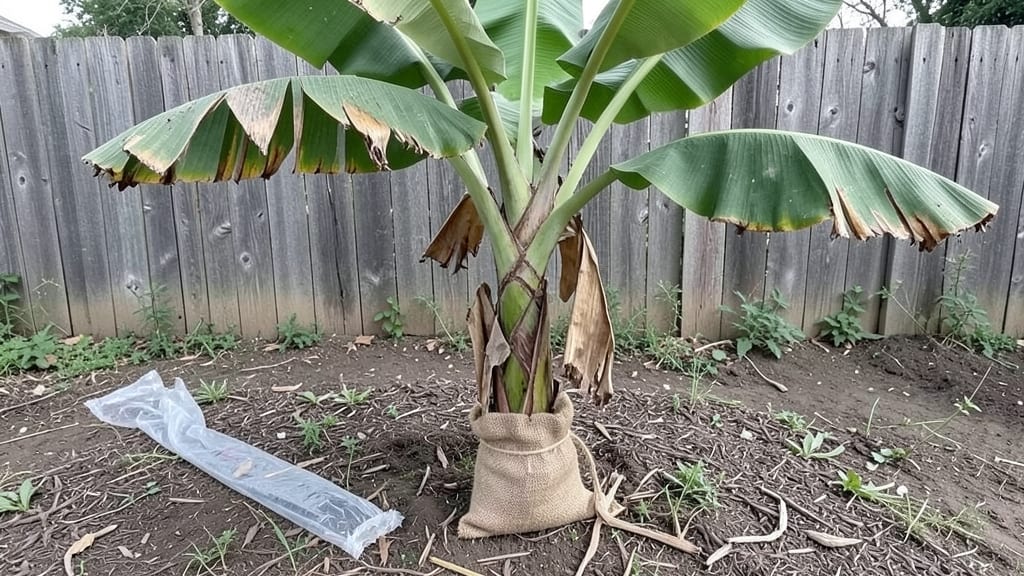
Wrapping banana trees for winter isn’t just about protecting the trunk—it’s your first line of defense against frost cracks that can kill a tree before spring. I’ve seen healthy banana trees split wide open after just one hard freeze, and the damage is irreversible.
The key is acting before temperatures dip below 25°F, when the trunk’s moisture expands and cracks form like glass.
You’ll need burlap or frost cloth (not plastic—it traps moisture and causes rot), twine or zip ties, and a sharp knife for trimming dead fronds. The process takes about 30 minutes per tree, but the payoff is a trunk that survives winter intact.
Start by removing any dead leaves, then wrap the base tightly from the ground up, leaving room for new growth at the top.
When done right, your wrapped tree will look like it’s wearing a cozy sweater—just sturdy enough to shield against cold snaps while letting air circulate. You’ll notice fewer brown patches on the trunk come spring, and the tree will bounce back faster after winter dormancy.
The wrap also keeps gnawing rodents away, which is a bonus I didn’t expect.
For colder zones, add mulch around the base (6 inches deep) and consider a protective cover over the canopy if temperatures drop below 20°F. Even with wrapping, monitor your tree—if the trunk feels soft or oozes sap, it’s signaling stress and needs extra care.
Now let’s get those trunks shielded before the first frost hits.
📚 In This Guide
- What you need
- Instructions
- Tips and common mistakes
- Wrapping up and next steps
What you need
- ● Burlap or landscape fabric – 10–20 sq. ft. per tree (depending on trunk size; choose breathable, frost-resistant fabric).
- ● Twine or zip ties – 1–2 rolls (jute twine or plastic ties work best for securing wraps).
- ● Insulating materials – Choose one: Straw or dried leaves (5–10 lbs)
- ● Pine needles or wood shavings (3–5 inches thick layer)
- ● Frost cloth (1–2 sheets, if extra protection is needed).
- ○ Plastic wrap or clear tarp – Optional but helpful for added moisture barrier (use sparingly to avoid suffocating the trunk).
- ● Scissors or utility knife – For cutting fabric/twine.
- ● Measuring tape – To gauge trunk circumference and fabric length.
- ● Gloves – Recommended for handling straw or rough materials.
- ○ Stakes or garden pins – Optional to anchor fabric if windy.
- ● Pruners – For trimming dead fronds (if prepping the tree before wrapping).
Step-by-Step instructions for wrapping banana trees for winter
Here's the straightforward method I've used for years to protect banana trees from winter damage.
Choose the Right Wrapping Materials
You'll need burlap or frost cloth for the main wrap and plastic sheeting or bubble wrap for an inner insulating layer. I prefer burlap because it breathes while still blocking wind and frost. Cut the burlap to be 2-3 feet taller than your tree's trunk—this extra height ensures full coverage even if the tree sways.
For the inner layer, use plastic sheeting that's at least 6 mil thick. This creates a microclimate that traps heat while allowing some airflow. Avoid thick insulation like foam boards—banana trunks need to breathe to prevent rot. If you're wrapping multiple trees, have all materials ready before starting so you don't leave any tree exposed.
Prepare the Trunk for Wrapping
Start by cleaning the trunk thoroughly with a damp cloth to remove any dirt, sap, or debris. This prevents moisture from getting trapped between the wrap and the trunk, which can cause rot. Gently scrape off any loose bark or dead tissue with a small knife or sandpaper—just enough to expose fresh, healthy tissue underneath.
Next, apply a thin layer of petroleum jelly or beeswax to the trunk's surface. This creates a moisture barrier that prevents water from seeping into the wrap. I like to use my fingers to spread it evenly, working from the base upward. The jelly will also help the plastic adhere better to the trunk, creating a tighter seal against cold air.
Apply the Inner Insulating Layer
Carefully wrap the plastic sheeting around the trunk, starting from the base and working upward. Overlap each layer by at least 2 inches to eliminate gaps where cold air could penetrate. Smooth out any wrinkles or bubbles as you go—the tighter the fit, the better the insulation. Leave the top 6-8 inches of the trunk unwrapped for now; you'll cover it with the burlap.
Secure the plastic with twist ties or soft cloth strips every 12-18 inches to keep it in place. Avoid using staples or nails—they can damage the trunk over time. If your tree has a particularly thick trunk, you may need to use two layers of plastic for maximum protection. The goal is to create a snug, airtight barrier that traps heat while still allowing some airflow.
Wrap the Trunk with Burlap
Place the burlap over the plastic, ensuring it extends at least 6 inches above the highest point of the trunk. This extra height protects the growing tip from frost. Fold the top edge of the burlap downward to create a tight seal around the plastic. Secure the burlap with soft cloth strips or twine, spacing them 12 inches apart to allow for some flexibility as the tree moves in the wind.
Leave the bottom 6 inches of the trunk exposed—this prevents moisture buildup at the base, which can lead to rot. If your tree has pseudostems (the layered trunk sections), wrap each section individually to ensure even protection. The burlap should fit snugly but not so tight that it restricts the tree's natural movement. Think of it as giving your banana tree a cozy, breathable sweater.
Add Final Protective Layers
For extra insulation, especially in areas with harsh winters, wrap the burlap with a second layer of frost cloth or another piece of burlap. This double layer adds an additional barrier against wind and frost. If you're in a region with heavy snowfall, you can also loosely pile straw or mulch around the base of the tree to provide extra warmth and protection from cold ground temperatures.
Finally, label each wrapped tree with the date and variety if you have multiple types. This helps you keep track of when to remove the wraps in the spring. Store any extra materials in a dry place for next winter—properly stored burlap and plastic can last for years. With the wrap in place, your banana tree is now shielded from winter's worst, ready to bounce back when spring arrives.
Tips & tricks for perfect banana tree winter wrapping
These simple but crucial tips will help you shield your banana trees from winter's harshest effects without making common mistakes that can actually harm your plants.
Material Selection Matters: When choosing burlap in Step 1, opt for the heaviest weight you can find—it provides better wind protection while still allowing airflow. For the plastic layer, 6 mil thickness is the sweet spot, but if you're in an especially cold climate, consider doubling up with two layers of 4 mil plastic instead of one 6 mil sheet. This creates better insulation without trapping too much moisture. I've found that using recycled feed sacks for the burlap layer works beautifully and is more economical than specialty garden fabric.
Preparation Prevents Problems: In Step 2, don't rush the cleaning process—take time to remove all loose bark and debris. I learned this the hard way after seeing rot develop where old tissue trapped moisture. For the petroleum jelly application, use your fingers rather than a brush to work it into all the crevices, especially around pseudostems. This creates a complete moisture barrier that prevents water from seeping between the wrap and trunk during rain or snow.
Layering Like a Pro: When applying the plastic in Step 3, think of it like wrapping a gift—smooth and tight with no air pockets. I've found that using a hairdryer on low heat helps shrink the plastic slightly after wrapping, creating an even tighter seal. For securing, twist ties work best because they're gentle on the trunk and can be easily removed in spring. The 12-18 inch spacing for securing is perfect—close enough to prevent sagging, but far enough to allow some flexibility.
Seasonal Storage Wisdom: After removing wraps in spring, clean all materials thoroughly with a mild bleach solution (1 part bleach to 10 parts water) to prevent mold growth. Store burlap in a dry, shaded area and roll plastic sheets loosely to prevent creasing. I keep my supplies in heavy-duty contractor bags with silica gel packets to absorb any moisture. Properly stored materials can last 5-7 years, making this a cost-effective solution for long-term banana tree care.
Pro Tips for Wrap Banana Trees For Winter
- These simple but crucial tips will help you shield your banana trees from winter's harshest effects without making common mistakes that can actually harm your plants.
- Material Selection Matters: When choosing burlap in Step 1, opt for the heaviest weight you can find—it provides better wind protection while still allowing airflow.
- Preparation Prevents Problems: In Step 2, don't rush the cleaning process—take time to remove all loose bark and debris.
Frequently asked questions
Got questions about wrapping banana trees for winter? You’re not alone! Here are answers to the most common concerns to help you protect your tropical beauty without the stress.
When is the best time to wrap banana trees for winter?
Wrap your banana trees before the first frost hits—typically in late fall (October–November, depending on your climate zone). If you’re in a mild-winter area, wait until temperatures consistently dip below 32°F (0°C). Early wrapping gives the trunk time to adjust, while late wrapping risks frost damage before you’re ready.
Can I use burlap or plastic sheeting instead of tree wrap?
Both work, but with key differences! Burlap is breathable and eco-friendly, making it ideal for long-term protection (3+ months). Plastic sheeting traps heat but risks moisture buildup—use it short-term (under 2 weeks) or pair it with ventilation. For best results, opt for specialized tree wrap or burlap with a waterproof liner.
What if my banana tree’s trunk splits after wrapping?
Splitting is a common issue if the wrap is too tight or applied over damp wood. Fix it fast: Loosen the wrap immediately, let the trunk dry, and reapply with extra padding (like foam or bubble wrap) between the wrap and bark. If the split is deep, prune jagged edges and seal with tree wound dressing. Prevention tip: Never wrap a wet trunk!
Do I need to wrap the leaves too, or just the trunk?
Focus on the trunk first—it’s the most vulnerable to frost cracks. For leaves, remove yellow or damaged fronds before winter to reduce moisture retention. If your banana tree is in a container, move it to a sheltered spot (like a garage or against a south-facing wall) and cover the entire plant with frost cloth on cold nights. Leaves can handle light frost better than the trunk!
How often should I check wrapped banana trees in winter?
Spot-check your tree every 2–4 weeks for signs of mold, pests, or condensation. If you notice dark spots (mold) or chewed bark (pests), unwind the wrap, dry the trunk thoroughly, and reapply fresh material. Pro tip: Ventilate the wrap slightly on warm days to prevent rot. Spring is the best time to completely remove the wrap once frost risk passes!
Wrapping up and next steps
Wrapping your banana trees for winter is a simple yet effective way to protect them from frost and keep them thriving for years to come! 🌱 With the right materials—like burlap, frost cloth, or even mulch—and a few easy steps, you’ll shield their trunks and roots from harsh temperatures. Don’t let winter catch you off guard: take action now to ensure your tropical beauty survives the cold season.
Ready to give your banana tree the cozy care it deserves? Grab your supplies and start wrapping today! Your future harvests will thank you! 🍌✨