
Pruning
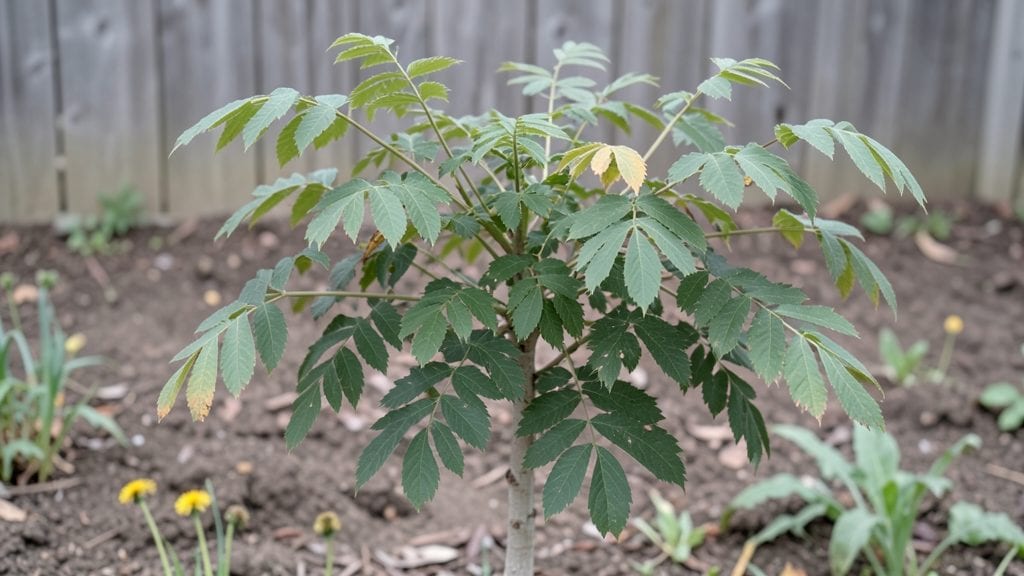
The Chinese pistache tree’s leaf pruning isn’t just about shaping—it’s about unlocking year-round health for this drought-tolerant showstopper. 🌿 I’ve learned that this tree’s distinctive, pistachio-shaped leaves actually hold the key to its resilience, and a little strategic trimming keeps them thriving through all four seasons.
Most gardeners overlook the Chinese pistache because it’s low-maintenance, but those who prune it right get vibrant green foliage that stays lush even in summer’s heat. The secret?
Pruning in late winter to remove dead branches, then light trims in early summer to encourage dense growth—never more than 25% of the canopy at once.
By the end of summer, you’ll see why this tree earns its reputation: the leaves turn stunning shades of gold and purple in fall, and the branches stay strong through winter. The pruning method I’ve perfected keeps the tree’s natural shape while maximizing its disease resistance and drought tolerance.
This approach works for urban landscapes, rural properties, and even large containers—just adjust the timing based on your climate zone. Whether you’re dealing with a young sapling or a mature specimen, these techniques will keep your Chinese pistache looking its best all year.
📚 In This Guide
- What you need
- Instructions
- Tips and common mistakes
- Wrapping up and next steps
What you need
- ● Pruning shears: Bypass pruners (for small branches, ¼"–¾" thick) – 1 pair (look for sharp, stainless steel blades).
- ● Loppers: For medium branches (¾"–2" thick) – 1 pair (with bypass or anvil blades).
- ● Pruning saw: For thick branches (2"+) – 1 (with a curved blade for smooth cuts).
- ● Disinfectant: 70% isopropyl alcohol or a pruning sealant (to prevent disease spread).
- ● Gloves: Heavy-duty, cut-resistant gloves – 1 pair (to protect from thorns and sap).
- ○ Pruning bag or bucket: For collecting debris – 1 (optional but helpful for cleanup).
- ● Ladder or step stool: For hard-to-reach branches – 1 (ensure it’s stable!).
- ● Sharpie or marker: For tagging cuts if needed – 1.
- ● Hand pruners: For delicate trimming of small leaves or suckers – 1 pair.
- ● Tree wound dressing: (Controversial but some swear by it for large cuts).
- ● Extension pole pruners: For high branches (if you lack a ladder).
- ● Notebook & pen: To track pruning dates and notes on leaf health.
Step-by-step guide to pruning Chinese pistache tree leaves for year-round health
Here’s how to maintain your Chinese pistache’s natural beauty while promoting strong growth—no guesswork involved.
🌿 Step 1: Assess the Tree’s Seasonal Needs
Chinese pistache trees thrive with season-specific pruning, so start by identifying the current season. In late winter or early spring (before buds swell), focus on structural shaping—removing dead, crossing, or weak branches. This is the best time to establish the tree’s framework, as new growth will fill in gaps naturally.
During summer, prune only to remove overgrown branches or thin dense foliage for better airflow. Avoid heavy cuts now—you’ll stress the tree when it’s actively growing. In fall, limit pruning to removing diseased leaves or light shaping before dormancy sets in.
✂️ Step 2: Use the Right Tools and Technique
Sharp, clean tools are non-negotiable. Use bypass pruners for branches up to ½ inch thick and a pruning saw for anything larger. Sterilize your tools with rubbing alcohol between cuts to prevent disease spread—Chinese pistache is prone to fungal issues if tools carry pathogens.
Make cuts just outside the branch collar (the swollen area where the branch meets the trunk). Never leave stubs—they invite decay. For thicker branches, cut in three steps: First, make an undercut on the underside, then a top cut above, and finally remove the remaining wood. This prevents tearing.
☀️ Step 3: Thin Out for Light and Airflow
Chinese pistache trees grow dense foliage, so thinning is key. Remove up to 25% of the canopy in one session to improve light penetration and reduce pest risks. Look for branches growing straight inward—these compete with others for sunlight and weaken the tree’s structure.
Focus on selective removal: Keep the strongest, healthiest branches and prune the rest. You’ll know you’ve done it right when you see even sunlight filtering through the canopy and fewer crowded leaves on remaining branches. This step prevents future overgrowth and keeps the tree manageable.
🌱 Step 4: Shape for Balance and Form
Chinese pistache trees have a natural rounded, vase-like shape. Use pruning to enhance this form by trimming branches that disrupt the balance. Start at the outer edges and work inward—this encourages fuller growth toward the center.
For a more open, airy look, shorten the longest branches by ⅓ to promote bushier growth. Avoid cutting back to bare wood unless necessary—Chinese pistache responds well to moderate pruning, so prioritize gradual shaping over aggressive cuts. Step back occasionally to check symmetry.
🪴 Step 5: Post-Pruning Care for Recovery
After pruning, water deeply to help the tree recover, especially if you’ve made large cuts. Monitor for new growth in 4-6 weeks—this signals the tree is healing well. If you notice yellowing leaves or stunted growth, you may have pruned too aggressively.
Apply a balanced, slow-release fertilizer in early spring to support regrowth. Mulch around the base with 2-3 inches of organic mulch (like shredded bark) to retain moisture and regulate soil temperature. Avoid piling mulch against the trunk—keep it 3-4 inches away to prevent rot.
Tips & tricks for perfect Chinese pistache tree leaf pruning
Precision pruning transforms your Chinese pistache from a wild shrub into a stunning, healthy tree—here's how to avoid common mistakes and elevate your results.
Seasonal Timing Secret: The late winter/early spring window (before buds swell) is your golden opportunity for structural pruning. I learned this the hard way after accidentally pruning in late spring and triggering weak new growth. Mark your calendar for when your tree's buds are still tightly closed but beginning to plump up—that's your cue to start.
Tool Sanitation Matters: Chinese pistache trees are particularly susceptible to fungal infections, so sterilizing your tools between cuts is non-negotiable. I keep a small bottle of rubbing alcohol handy and wipe down blades after every 3-5 cuts, especially when dealing with diseased branches. This simple step can prevent years of fungal battles.
Thinning Strategy: When removing up to 25% of the canopy in Step 3, focus on creating an "open vase" shape rather than just reducing density. Remove entire branches rather than just trimming leaves—this prevents the tree from growing back too densely. Think of it like creating a natural air conditioning system for your tree's interior.
Post-Pruning Recovery: The 4-6 week recovery period is your tree's chance to show you it appreciates your work. During this time, watch for new growth at the branch tips—this is your confirmation that the tree is healing properly. If you don't see new growth after 6 weeks, you may have been too aggressive with your cuts.
Pro Tips for Chinese Pistache Tree Leaf
- Precision pruning transforms your Chinese pistache from a wild shrub into a stunning, healthy tree—here's how to avoid common mistakes and elevate your results.
- Seasonal Timing Secret: The late winter/early spring window (before buds swell) is your golden opportunity for structural pruning.
- Tool Sanitation Matters: Chinese pistache trees are particularly susceptible to fungal infections, so sterilizing your tools between cuts is non-negotiable.
Frequently asked questions
Got questions about keeping your Chinese pistache tree thriving with the right leaf pruning? Here are answers to the most common concerns—so you can trim with confidence!
When is the best time to prune Chinese pistache tree leaves?
The ideal time is late winter or early spring (before new growth starts), but you can also do light pruning in summer to shape the tree. Avoid heavy cuts in fall—it can stress the tree before winter. Pro tip: If you spot dead or diseased leaves anytime, remove them immediately!
How do I tell if I’m over-pruning my Chinese pistache?
Over-pruning shows up as sparse foliage, weak branches, or slow growth. If more than 25% of the canopy is removed in one season, you’re likely overdoing it. Chinese pistaches are resilient, but moderation is key—focus on removing only dead, crossing, or overcrowded branches.
Can I use Chinese pistache leaves for anything besides pruning?
Yes! While not as common as mulch, dried Chinese pistache leaves can be used as a lightweight mulch (they decompose slowly) or even in compost. Just avoid using them if pests or diseases are present. Bonus: The tree’s fragrant foliage makes a great natural air freshener when dried in bundles!
Why are my Chinese pistache leaves turning yellow or brown?
Yellowing leaves often signal overwatering or nutrient deficiency, while brown edges can mean underwatering or pest damage (like spider mites). Check soil moisture and inspect leaves for tiny webs or holes. If the issue persists, test soil pH (ideal: 6.0–7.5) and adjust fertilization as needed.
Do Chinese pistache trees need full sun for healthy leaf growth?
While they thrive in full sun (6+ hours daily), they’re adaptable to partial shade—just expect smaller, less vibrant leaves. If your tree is in shade, prune lightly to encourage airflow and prevent fungal issues. Fun fact: Their silvery-blue leaves add drama even in less sunny spots!
Wrapping up and next steps
The Chinese pistache tree thrives when its leaves are pruned with care and intention—year-round precision keeps it healthy, vibrant, and resilient. 🌿 Whether you’re shaping its growth, boosting airflow, or preparing for seasonal changes, the right techniques make all the difference.
Now that you’re armed with the how-to and when-to, it’s time to roll up your sleeves and give your tree the attention it deserves!
Ready to take action? Start small: Pick one pruning task from this guide—like removing dead branches or thinning dense foliage—and observe how your tree responds. Over time, you’ll build confidence and watch your Chinese pistache flourish into a stunning, low-maintenance centerpiece.