
Pruning
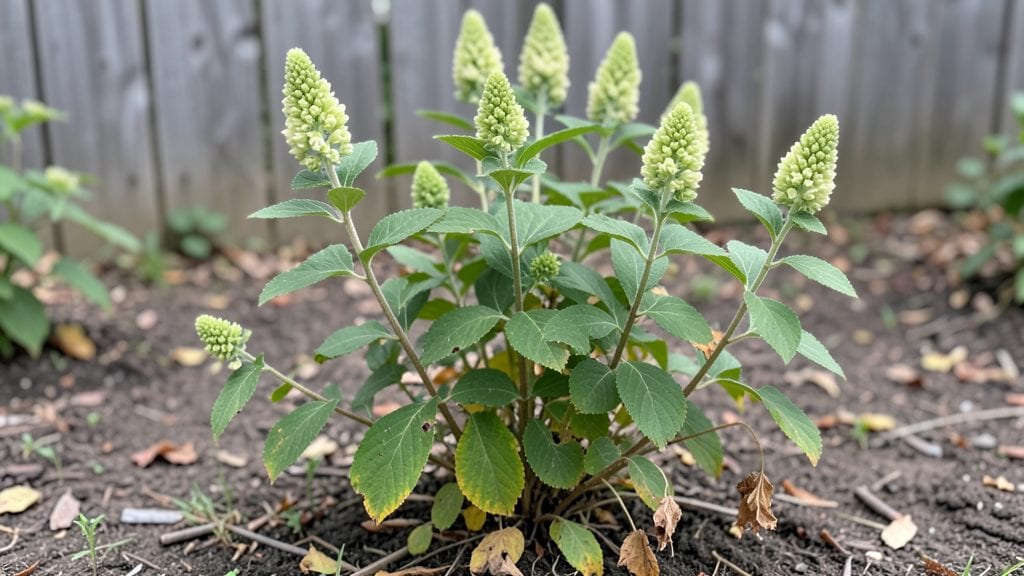
The Quick Fire hydrangea tree grows bold foliage and blooms faster than most shrubs—perfect for Pacific Northwest gardeners who want instant impact without waiting years. 🌿 I planted mine last spring, and by summer, it was already showing off its fiery red leaves and clusters of white blooms, thriving even through our damp, cool summers and occasional late frosts.
This hydrangea thrives in partial shade, making it ideal for spots under trees or along north-facing walls where other plants struggle. It tolerates a wide range of soils but prefers well-draining, slightly acidic mixes—think rich garden soil amended with compost.
Water deeply once a week during its first year to establish strong roots, then let it fend for itself once established.
Pruning is the secret to keeping it lush and blooming. In late winter or early spring, trim back any dead or weak stems to just above a set of buds.
The foliage color intensifies with pruning, and you’ll encourage more blooms by cutting back about one-third of the oldest growth each year. By midsummer, you’ll have a 6-foot-tall shrub bursting with color, even in less-than-ideal conditions.
Watch for powdery mildew in humid summers—spraying with neem oil prevents it—and deer tend to avoid this hydrangea, making it a low-maintenance star for any PNW garden. With minimal effort, you’ll get a year-round interest plant that handles our climate like a champ.
📚 In This Guide
- What you need
- Instructions
- Tips and common mistakes
- Wrapping up and next steps
What you need
- ● Pacific Northwest hydrangea (Hydrangea macrophylla or H. arborescens) – Choose a frost-resistant variety like ‘Endless Summer’ or ‘Annabelle’ for best results.
- ● Pruning shears – Sharp, bypass pruners (for clean cuts) or anvil pruners (for thicker branches).
- ● Loppers – For branches ½-inch to 2-inches thick (1–2 pairs).
- ● Hand pruners – For smaller stems (under ½-inch).
- ● Gloves – Garden-grade (cut-resistant for safety).
- ● Disinfectant (70% isopropyl alcohol or pruning sealant) – To prevent disease spread.
- ○ Pruning saw – For thick, woody branches (2+ inches) (optional but handy).
- ● 5-gallon bucket or trash bag – To collect pruned debris.
- ● Measuring tape – For precise cuts and spacing.
- ○ Sharpie or permanent marker – To mark cuts (optional but helpful).
- ● Pruning paint or wound dressing – For sealing large cuts (prevents rot).
- ● Knee pads or stool – For comfort during long pruning sessions.
- ● Garden hose with spray nozzle – To rinse tools and clean cuts.
- ● Compost bin – For repurposing healthy pruned material.
- ● Safety glasses – If working near overhead branches.
How to grow a Quick Fire hydrangea tree in the Pacific Northwest
This frost-resistant variety thrives in our region's climate—here's how to get it established fast.
🌱 Step 1: Choose the Right Location and Prepare the Soil
Pick a spot with morning sun and afternoon shade—Quick Fire hydrangeas hate scorching afternoon rays. The Pacific Northwest's mild summers mean they'll appreciate some relief from direct sun after 11 AM. Dig a hole twice as wide as the root ball but only as deep as it currently sits in its container.
Amend the native soil with 3 inches of compost mixed into the bottom of the hole. Quick Fire hydrangeas prefer slightly acidic to neutral soil (pH 6.0-7.0). If your soil tests higher, add a handful of sulfur to lower the pH. The goal is loose, well-draining soil that holds moisture without becoming soggy—our region's winter rains mean drainage is key.
🪴 Step 2: Plant at the Correct Depth and Water Thoroughly
Remove the hydrangea from its container and loosen the roots gently if they're circling. Place it in the hole so the top of the root ball sits level with the surrounding soil—burying too deep suffocates the plant, while planting too high stresses roots. Backfill with native soil mixed with compost, tamping down lightly every 2 inches to eliminate air pockets.
Water immediately with 5 gallons of water to settle the soil and eliminate air gaps. You'll see the soil surface sink slightly as it absorbs moisture. After planting, add 2-3 inches of mulch (wood chips or bark) around the base, keeping it 6 inches away from the trunk. This mulch layer protects roots from our region's cold snaps while retaining moisture during dry spells.
☀️ Step 3: Provide Consistent Moisture and Light Management
Water deeply once a week during the first growing season, aiming for 1-2 inches of water per week. Our Pacific Northwest summers can be deceptively dry, so check soil moisture by pushing your finger 2 inches deep—if it feels dry, water again. Avoid overhead watering, which can promote fungal diseases. Instead, use a soaker hose or water at the base.
Quick Fire hydrangeas develop their signature deep pink blooms when they receive partial shade—especially in hotter microclimates. If your tree starts to look stressed (yellowing leaves or sparse blooms), it might need more shade cloth (30-50%) during peak summer afternoons. The goal is to balance sun exposure so leaves stay lush but stems don't scorch.
✂️ Step 4: Prune for Shape and Encourage Vigorous Growth
Prune in early spring (March) before new growth appears. Remove dead or crossing branches first, then cut back last year's growth by one-third to encourage bushier, more compact growth. Quick Fire hydrangeas bloom on new wood, so don't worry about cutting back old stems—they'll produce fresh blooms from the base.
After flowering, trim back any spent blooms but leave the stems intact. This prevents the plant from diverting energy into seed production and keeps it focused on next year's growth. In fall, remove any weak or diseased branches to keep the tree healthy through winter. Our Pacific Northwest's mild winters mean Quick Fire hydrangeas rarely need winter protection, but a light layer of mulch helps insulate roots during occasional freezes.
⏰ Step 5: Fertilize for Quick, Healthy Growth
Apply a balanced, slow-release fertilizer (10-10-10) in early spring when new growth begins. Use ½ cup per tree and work it into the soil around the base, keeping it 6 inches away from the trunk. Quick Fire hydrangeas respond well to organic matter, so top-dress with 1 inch of compost in early spring and again in fall.
Watch for signs of over-fertilization—yellow leaves or excessive leaf growth with few blooms means you're feeding too much nitrogen. If this happens, reduce fertilizer by half next time. Our region's rich soils often mean hydrangeas don't need much extra feeding, so err on the side of caution. A light feeding in spring is usually enough for vigorous, blooming growth.
Tips & tricks for perfect Quick Fire hydrangea growth
A few essential tricks will help your Quick Fire hydrangea thrive faster in our Pacific Northwest climate.
Soil Prep Secret: Before planting, test your soil's pH using a simple kit from the garden center. Quick Fire hydrangeas prefer slightly acidic to neutral soil (pH 6.0-7.0), and our region's native soils often lean more alkaline. If your soil tests above 7.0, mix in a handful of sulfur when amending with compost—this adjustment makes all the difference for vibrant blooms.
Planting Depth Matters: The top of the root ball should sit level with the surrounding soil after planting—this is critical! If you bury it too deep, roots suffocate; if too high, roots dry out. A simple trick: use a pencil to mark the root ball's top before planting, then reference it when backfilling. This ensures perfect positioning every time.
Watering Wisdom: Our Pacific Northwest summers can be surprisingly dry, even with frequent rain. After planting, water deeply with 5 gallons to settle the soil, then maintain 1-2 inches of water per week. The key is consistency—check soil moisture by pushing your finger 2 inches deep. If it feels dry, water again. A soaker hose works best to deliver moisture directly to the roots without wetting the leaves.
Pruning Pro Tip: Quick Fire hydrangeas bloom on new wood, so you can prune boldly in early spring. The one-third cutback rule encourages bushier growth, but here's the secret: focus on removing crossing branches first. This improves airflow and prevents diseases common in our damp climate. After flowering, trim spent blooms but leave stems intact—they'll produce next year's flowers from the base.
Pro Tips for Quick Fire Hydrangea Tree
- A few essential tricks will help your Quick Fire hydrangea thrive faster in our Pacific Northwest climate.
- Soil Prep Secret: Before planting, test your soil's pH using a simple kit from the garden center.
- Planting Depth Matters: The top of the root ball should sit level with the surrounding soil after planting—this is critical!
Frequently asked questions
Got questions about your quick-fire hydrangea tree? You're not alone! Here are some of the most common queries from Pacific Northwest gardeners—plus expert answers to keep your frost-resistant beauty thriving.
When is the best time to plant a quick-fire hydrangea tree in my zone?
The ideal window is late spring to early summer (May–June) after the last frost risk has passed. This gives roots 6–8 weeks to establish before winter. For Zone 7–9 (PNW-friendly!), avoid planting in fall—it struggles with early cold snaps. Pro tip: Mulch heavily after planting to insulate roots!
How cold can a quick-fire hydrangea tree tolerate?
These trees are hardy to USDA Zone 6 (down to -10°F/-23°C), but young plants need extra care. Once established (2+ years), they handle PNW winters like a champ. For first-year protection, wrap the base in burlap or use a tree guard to shield from drying winds. No need for fancy blankets—just common sense!
Can I prune a quick-fire hydrangea tree in winter?
Wait for late winter/early spring (February–March) when buds swell but before leaves emerge. Prune dead or crossing branches first, then shape lightly—these trees bloom on old wood, so avoid heavy cuts. Never prune after June! That’ll sacrifice next year’s blooms. Patience = more flowers.
What’s the fastest way to revive a leggy or sparse quick-fire hydrangea?
Leggy growth? It’s usually overcrowding or poor light. Thin out 1/3 of the oldest stems at the base to encourage new shoots. For sparse blooms, feed with acidic fertilizer (like coffee grounds or hydrangea-specific food) in early spring. Bonus: Move to partial shade if it’s in full sun—hydrangeas hate scorching!
Are there drought-tolerant alternatives to quick-fire hydrangeas?
If your soil drains like a sieve, try ‘Limelight’ or ‘Endless Summer’ hydrangeas—they’re slightly more drought-resistant once established. For true low-water options, consider Oakleaf hydrangeas (H. quercifolia) or butterfly bush (Buddleia). All three thrive in PNW shade but need mulch to retain moisture. Test your soil first—amend with compost if needed!
Wrapping up and next steps
Transforming your quick-fire hydrangea tree into a thriving, frost-resistant beauty is totally within reach! With the right tools, timing, and techniques—especially tailored for the Pacific Northwest’s unique climate—you’re set for stunning blooms year after year.
Remember, pruning in late winter or early spring is key, and patience pays off as your tree matures.
Ready to take the next step? Grab your pruners, mark your calendar, and start planning your pruning session—your future hydrangea masterpiece is waiting! 🌿✨