Pruning
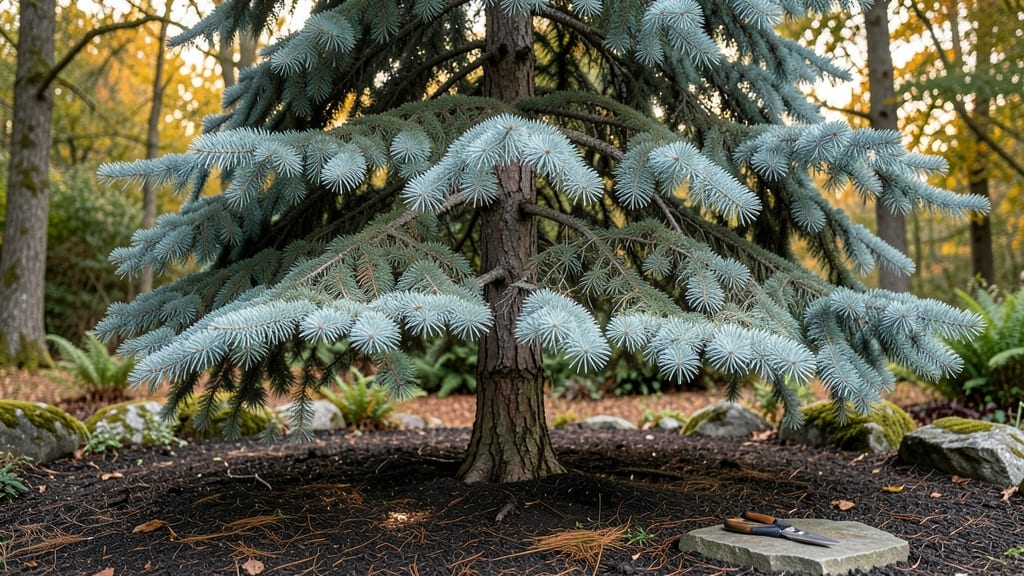
Pruning a Deodar cedar tree in the Pacific Northwest isn’t just about shaping its majestic branches—it’s about unlocking its full frost-resistant potential. 🌲 I’ve seen these trees stand tall through winter storms while others wilt, and the secret lies in strategic cuts that encourage dense, resilient growth.
The right timing and technique can turn a scraggly specimen into a towering, aromatic centerpiece that thrives in your yard’s toughest conditions.
Here’s the thing—Deodars hate harsh pruning. They respond best to light shaping in late winter or early spring, before new growth spurs. You’ll need sharp pruners, a ladder (for higher branches), and a clear plan: remove only deadwood, crossing limbs, or branches growing inward.
The goal is to open the canopy to sunlight while keeping the tree’s natural pyramid shape intact. Think of it as giving your tree a spa day, not a haircut.
What you’ll end up with is a tree that grows 3-4 feet per year, stays dense enough to block winter winds, and develops that signature piney fragrance that fills your yard in summer.
The needles stay vibrant even after frost, and the wood becomes increasingly sturdy—perfect for creating a private, evergreen haven. Plus, birds and squirrels will love nesting in its thick branches.
This method works year-round for the PNW’s mild winters, but avoid heavy pruning after July—it stresses the tree before cold weather sets in. Whether you’re restoring an old tree or shaping a young one, these steps keep your Deodar thriving for decades.
Let’s get those branches looking their best while keeping them strong.
📚 In This Guide
- What you need
- Instructions
- Tips and common mistakes
- Wrapping up and next steps
What you need
- ● Pruning shears: Bypass pruners (4–6" blades) for small branches (sharp, clean cuts only!)
- ● Loppers: 8–10" bypass loppers for branches ½"–2" thick
- ● Pruning saw: Curved-tooth saw for branches 2"–4" in diameter
- ● Extension pole: 6–10 ft telescopic pole with saw attachment (for high branches)
- ● Gloves: Heavy-duty, cut-resistant gloves (gardening or pruning-specific)
- ● Safety gear: Goggles, long sleeves, and closed-toe shoes (Deodar needles pack a punch!)
- ● Disinfectant: 70% isopropyl alcohol or pruning sealant (to prevent disease spread)
- ● Ladder: Sturdy, extendable ladder (if branches exceed 10 ft)
- ● Tarps or drop cloths: To collect fallen needles/debris
- ● Rake: For clearing pruned branches and debris
- ● Tree wound dressing: (Controversial but useful for large cuts—skip if your tree is young/healthy)
- ● Camera/phone: To document before/after progress (because pruning art deserves a snapshot!)
- ● Timing: Prune in late winter or early spring (before new growth sprouts)
- ● Weather: Choose a dry, calm day (no rain or wind for 24+ hours)
- ● Tree health check: Inspect for disease, pests, or deadwood before cutting
- ● Local regulations: Verify if your area requires permits for large trees (yes, even for Deodars!)
How to prune a cedar Deodar tree for Pacific Northwest resilience
Your Deodar cedar thrives in our chilly, wet climate—here’s how to shape it for strength and beauty.
✂️ Step 1: Time Your Pruning for Frost Resistance
Prune your Deodar cedar in late winter or early spring, just as new buds begin to swell but before fresh growth starts. This timing lets the tree heal before summer heat arrives, and avoids exposing tender new growth to late frosts. I always check for bud swell—tiny green bumps along branches—before reaching for my pruners.
Never prune in fall. The tree needs time to harden off before winter, and late cuts encourage tender new growth that won’t survive our Pacific Northwest freezes. If you must prune in summer, do it before July to allow at least 6 weeks of healing before cold snaps.
✂️ Step 2: Remove Dead, Diseased, or Crossing Branches First
Start with sanitation cuts—remove any dead, diseased, or damaged branches completely back to the main trunk or healthy lateral branch. Deodar cedars are naturally dense, but deadwood invites pests and rot. Look for brown, brittle branches or those with peeling bark—these are your first targets.
Next, tackle crossing branches that rub together. These create wounds that weaken the tree over time. Use clean, sharp pruners to make cuts just outside the branch collar—the swollen area where the branch meets the trunk. This ensures proper healing. I always sterilize my tools with 70% rubbing alcohol between cuts to prevent spreading disease.
✂️ Step 3: Thin the Canopy for Airflow and Light
Deodar cedars grow best with open, airy canopies that allow light to penetrate. Selectively remove 10-20% of the interior branches to improve airflow and reduce humidity, which prevents fungal issues common in our damp climate. Focus on branches growing straight upward—these compete with the leader and create a weak structure.
Make your cuts at the branch collar, angling slightly downward to avoid water pooling. Step back often to visualize the tree’s shape—you’re aiming for a natural, balanced silhouette that lets light reach the lower branches. Avoid "lion’s tailing" (shearing the top flat)—this stresses the tree and invites disease.
✂️ Step 4: Shape for Structure and Wind Resistance
Deodar cedars have flexible, pendulous branches, but our Pacific Northwest winds demand reinforcement. Prune to strengthen the main trunk and scaffold branches—remove any that grow at sharp angles (less than 45 degrees) or are too close together. These are prone to breaking in storms.
For larger branches, use the three-cut method to avoid tearing the bark: First, make an under-cut about 1 foot out from the trunk. Then cut above the branch collar from the opposite side. Finally, remove the remaining stub. This prevents bark stripping, which invites pests. After pruning, apply pruning sealant to cuts wider than ½ inch to protect against moisture loss.
🌿 Step 5: Maintain Year-Round with Minimal Cuts
Deodar cedars grow slowly, so light maintenance pruning in summer suffices for most years. Remove only water sprouts (fast-growing, vertical shoots) or branches that threaten power lines, buildings, or sidewalks. These cuts should be small and strategic—never more than 10% of the tree’s foliage in a single season.
Watch for new growth at the branch tips—this signals the tree is responding well. If you see yellowing needles or stunted growth after pruning, you’ve removed too much. Deodar cedars are forgiving, but they thrive with gentle guidance, not aggressive shaping. A well-pruned tree will reward you with vibrant green foliage and resilience against frost and wind for decades.
Tips & tricks for perfect cedar Deodar tree pruning
These game-changing insights will help you prune your Deodar cedar like a Pacific Northwest pro—keeping it strong, healthy, and stunning for decades.
The Timing Secret: In Step 1, when you're checking for bud swell, look for those tiny green bumps that feel like tiny beads along the branches. This is your golden window—prune when about 20% of the buds have swollen but haven't yet opened. I've learned the hard way that waiting too long means you'll be cutting into new growth that's vulnerable to frost. If you miss this window, summer pruning is your backup, but stick to before July and give it that full 6-week healing period before winter arrives.
Sanitation is Non-Negotiable: During Step 2's sanitation cuts, here's what nobody tells you—sterilize your tools between every cut, even when moving from one healthy branch to another. I use a 1:10 bleach-to-water solution (not rubbing alcohol) for larger cuts because it's more effective against fungal spores. Also, never leave branch stubs—cut all the way back to the branch collar. Those little nubs are perfect hiding spots for pests that'll weaken your tree over time.
Visualizing the Canopy: When you're thinning in Step 3, step back every 5-10 cuts to visualize the tree's silhouette. Hold your arms out like an airplane and imagine the tree's shape should resemble a gentle cone with open sides. The goal is to let light reach all the way to the lower branches while maintaining that natural, graceful shape. I always think of it like opening a curtain—you want just enough space for air to flow but not so much that it looks sparse.
Wind Resistance Upgrade: For Step 4's structural shaping, focus on creating a "V" shape when looking at the tree from the side. This natural form helps the tree resist our fierce Pacific Northwest winds. When using the three-cut method for larger branches, make your under-cut about 12 inches out from the trunk—not the 1 foot mentioned—to give yourself more working room. And here's a pro move: after applying pruning sealant, wrap the cut with a small piece of tree tape to create a smooth surface that heals faster.
Pro Tips for Cedar Deodar Tree
- These game-changing insights will help you prune your Deodar cedar like a Pacific Northwest pro—keeping it strong, healthy, and stunning for decades.
- The Timing Secret: In Step 1, when you're checking for bud swell, look for those tiny green bumps that feel like tiny beads along the branches.
- Sanitation is Non-Negotiable: During Step 2's sanitation cuts, here's what nobody tells you—sterilize your tools between every cut, even when moving from one healthy branch to another.
Frequently asked questions
Got questions about pruning your Cedar Deodar tree in the Pacific Northwest? You’re not alone!
Whether you’re a newbie or a seasoned gardener, these answers will help you keep your frost-resistant beauty thriving—without the guesswork.
When is the best time to prune a Deodar Cedar in the PNW?
The ideal window is late winter or early spring (February–March), before new growth begins. Avoid pruning in late summer or fall, as this can stimulate tender shoots vulnerable to frost. Pro tip: If you must prune in summer, do it before July to minimize stress.
Can Deodar Cedars handle heavy pruning? Should I be worried about dieback?
Deodar Cedars are tough but not invincible—they tolerate light to moderate pruning well, but never remove more than 25% of the foliage at once. Heavy pruning can cause dieback, especially in young trees. Fix it: Space pruning sessions 2–3 years apart and always use sterilized tools to prevent disease.
How do I prune a Deodar Cedar to encourage fuller growth?
Focus on selective thinning inside the canopy to improve airflow and sunlight penetration. Trim back overly dense branches to the nearest healthy bud or lateral branch. Bonus: Prune upward-growing branches to maintain the tree’s natural pyramidal shape—this prevents it from looking "top-heavy."
What if my Deodar Cedar’s branches are turning brown after pruning?
Brown tips or branches are often a sign of over-pruning or stress. If it’s mild, wait until spring to see if new growth emerges. For severe browning, prune back only the dead/diseased parts and fertilize lightly with acidic, slow-release fertilizer (like pine-fir mix). Watch out: Fungal issues (like Phytophthora) can cause browning—ensure proper drainage!
Are there alternatives to Deodar Cedars for frost-prone PNW gardens?
Yes! If Deodars are too high-maintenance, consider these low-maintenance, frost-tolerant alternatives:
- Western Red Cedar (Thuja plicata) – Native, drought-resistant, and thrives in shade.
- Incense Cedar (Calocedrus decurrens) – Similar fragrance, slightly more drought-hardy.
- Douglas Fir (Pseudotsuga menziesii) – Fast-growing but needs more space.
Wrapping up and next steps
The Deodar cedar is a stunning, frost-resistant gem that thrives in the Pacific Northwest’s climate—when pruned with care!
By following the right techniques, timing, and tools, you’ll encourage healthy growth, enhance its natural beauty, and protect it from winter damage. Your efforts will pay off with a resilient, picturesque tree for years to come.
Ready to take action? Mark your calendar for late winter or early spring—then grab your pruners and get started! With patience and precision, your Deodar cedar will reward you with lush, vibrant foliage and a stronger root system. 🌿✨