
Pruning
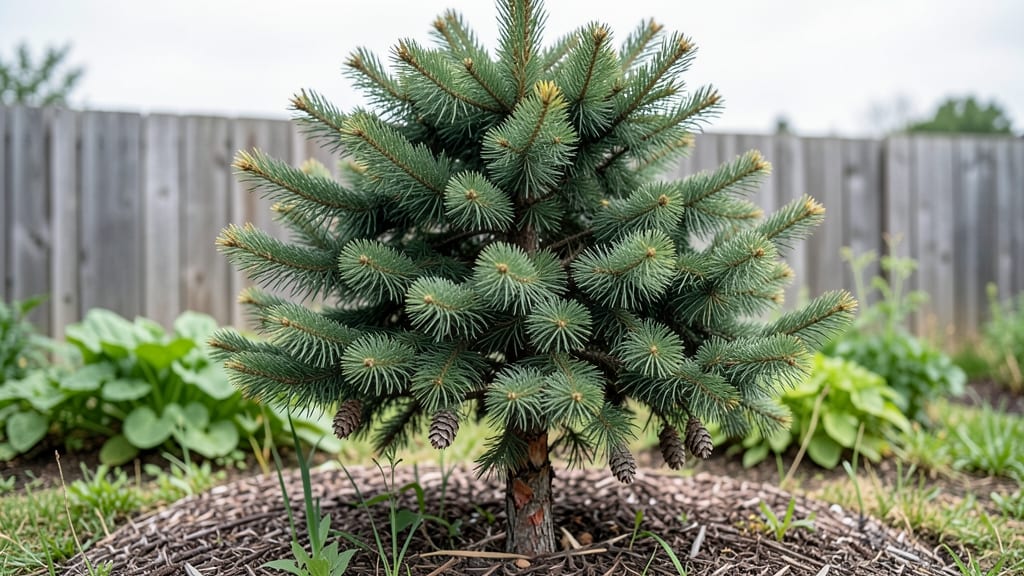
Pruning a ball pine tree (Pinus bungeana) in the Pacific Northwest isn’t just about shaping—it’s about unlocking its natural frost resistance and keeping it thriving through wet winters. 🌲 I’ve watched these trees survive subzero nights while neighbors’ pines struggle, and the secret lies in strategic cuts that encourage dense growth from the center outward.
The key starts with timing: prune in late winter or early spring before new growth begins, when the tree’s energy reserves are highest. You’ll need sharp bypass pruners and a ladder (these trees can reach 30 feet), plus a disinfectant spray to prevent disease spread between cuts.
The goal is to remove dead branches first, then thin out crowded growth to improve airflow—this keeps the center healthy and frost-resistant.
What you’ll end up with is a tree that looks like a living snowball in winter, its needles dusted with frost but unharmed. The dense interior blocks cold winds, while the open canopy lets sunlight warm the trunk.
Plus, you’ll cut back on those unsightly bare spots that plague so many pines—ball pines naturally fill in when pruned correctly.
This method works for both young trees and mature specimens, though younger pines recover faster. If you’re in a Zone 6-8 area, you’ll see the most dramatic results—these trees handle our wet, chilly winters better than most.
Just avoid heavy pruning in fall, or you risk exposing tender new growth to late-season frosts.
📚 In This Guide
- What you need
- Instructions
- Tips and common mistakes
- Wrapping up and next steps
What you need
- ● Pruning shears: Bypass pruners (for cuts under ½ inch) – 1 pair (look for sharp, stainless steel blades for clean cuts).
- ● Loppers: For branches ½ to 2 inches thick – 1 pair (choose ratcheting or bypass loppers for leverage).
- ● Pruning saw: For branches over 2 inches thick – 1 saw (a bow saw or folding pruning saw works best).
- ● Ladder: Aluminum extension ladder (16–20 ft) – non-slip feet and sturdy base are a must for safety.
- ● Work gloves: Heavy-duty, cut-resistant gloves – 1 pair (protects against sap and sharp branches).
- ● Disinfectant: 70% isopropyl alcohol or bleach solution (1 part bleach to 9 parts water) – for sterilizing tools between cuts.
- ● Heavy-duty trash bags: 2–3 large bags – for collecting pruned branches and debris.
- ● Sharpie or permanent marker: – for labeling branches if you’re doing structured pruning.
- ● Safety goggles: Protects eyes from flying debris.
- ● Pole saw: For high branches (if you don’t want to climb).
- ● Tree wound dressing: Not recommended for pines (ball pines heal naturally, but you can use it if you prefer).
- ● Camera or phone: Snap before/after photos to track your progress!
- ● Best time to prune: Late winter or early spring (before new growth starts).
- ● Weather check: Prune on a dry, calm day—no rain or wind!
- ● Safety first: Always face away from the branch when cutting to avoid sap splatters.
- ● Tool prep: Sharpen blades before starting to make clean cuts (no jagged edges!).
Step-by-Step instructions for pruning ball pine trees in the Pacific Northwest
Here's how I keep my ball pines thriving through our wet winters and dry summers.
✂️ Step 1: Time Your Pruning for Frost Resistance
Prune your ball pine late winter to early spring, just as new growth begins—February through March works best in the Pacific Northwest. This timing ensures your tree enters dormancy with a strong framework, ready to handle our region's frost down to 10°F. Avoid pruning in fall, as new growth won't harden before winter.
Look for bud swell—those fat, plump buds along the branches signal it's time. If you miss this window, wait until late spring after the last frost, but you'll sacrifice some frost resistance. I always prune on a dry, calm day to prevent stress on the tree.
✂️ Step 2: Remove Dead, Diseased, or Crossing Branches First
Start by cutting out 100% of the dead, diseased, or crossing branches—these are your tree's weak points. Use clean, sharp pruning shears to make 1/4-inch cuts just above a healthy bud or branch collar. Never leave stubs; they invite rot and pests. In ball pines, crossing branches compete for sunlight and weaken the tree's natural round shape.
If a branch is larger than 2 inches thick, switch to a pruning saw and make your cut 1/8 inch above a lateral branch or bud. You'll see these as small bumps along the branch. I always step back after each cut to check the tree's balance—ball pines rely on symmetry for their signature look.
✂️ Step 3: Thin the Canopy for Airflow and Light
Next, thin the interior branches by removing up to 25% of the foliage to improve airflow and sunlight penetration. Focus on overcrowded areas where branches grow too close together. Use your shears to cut branches back to their origin point—this encourages new growth in the center of the tree.
Watch for branches growing inward—these will rub against each other and create wounds. Remove them entirely. You'll notice the tree's natural round shape start to emerge as you work. If you're unsure which branches to cut, imagine looking at the tree from above—anything breaking the circle goes.
✂️ Step 4: Shape the Tree While Maintaining Its Natural Form
Now, refine the tree's shape by lightly trimming the outer branches to maintain that classic ball form. Never cut more than 1/3 of the branch length in one season—this prevents shock. Use your shears to trim just the tips of branches that extend beyond the desired round outline.
Step back frequently to check your progress. The goal is a dense, even ball with no bare spots. If you see long, leggy branches, they're reaching for light—cut them back to a side branch or bud. I like to leave a few slightly longer branches on the bottom to create a natural taper.
💧 Step 5: Clean Up and Protect Your Tree
After pruning, sterilize your tools with rubbing alcohol to prevent spreading disease. Collect all clippings and debris—ball pines are prone to fungal issues if left to rot under the tree. Dispose of them in the trash, not your compost bin.
Give your tree a deep watering to help it recover, especially if we've had a dry winter. Mulch around the base with 2-3 inches of organic mulch (like bark chips) to retain moisture and protect roots. Avoid piling mulch against the trunk—keep it 2-3 inches away to prevent rot.
Tips & tricks for perfect ball pine tree pruning
A few key insights will help you avoid common mistakes and keep your ball pine thriving for years to come.
Timing is Everything: The February-March window isn't just ideal—it's critical for frost resistance. I've seen ball pines struggle when pruned outside this time because new growth needs time to harden before our Pacific Northwest winters hit. Look for those fat, plump buds—this is your tree's way of telling you it's ready. If you miss this window, late spring works but your tree will be more vulnerable to frost damage.
Precision Cuts Prevent Problems: When making those 1/4-inch cuts in Step 2, think of it like surgery—clean, precise cuts heal better. I've learned the hard way that leaving stubs invites rot and pests. For branches over 2 inches thick, that 1/8-inch clearance above the lateral bud makes all the difference. It might seem small, but this tiny detail prevents weak attachment points that can snap in winter storms.
Canopy Thinning Strategy: That 25% foliage reduction in Step 3 isn't arbitrary—it's about balance. Too little and you miss airflow benefits; too much and you shock the tree. I like to visualize the tree from above like a pie chart—every slice should represent healthy growth. Focus on removing branches that grow inward or cross others, as these create pressure points that weaken the tree's structure over time.
Shape with Purpose: When refining the outer branches in Step 4, remember that ball pines have a natural taper. Those slightly longer branches at the bottom aren't mistakes—they create that signature natural shape. Step back frequently to check your progress. The goal is a dense, even ball, but don't be afraid to embrace the tree's natural character. It's okay if it's not perfectly symmetrical—ball pines have a rustic charm that comes from their organic growth patterns.
Pro Tips for Ball Pine Tree
- A few key insights will help you avoid common mistakes and keep your ball pine thriving for years to come.
- Timing is Everything: The February-March window isn't just ideal—it's critical for frost resistance.
- Precision Cuts Prevent Problems: When making those 1/4-inch cuts in Step 2, think of it like surgery—clean, precise cuts heal better.
Frequently asked questions
Got questions about keeping your ball pine tree thriving in the Pacific Northwest’s chilly climate? Here are some common concerns—and expert answers—to help you prune like a pro!
When is the best time to prune a ball pine tree?
The ideal window is late winter to early spring (February–March), just before new growth begins. This timing minimizes stress, avoids frost damage, and lets the tree focus on recovery. Avoid pruning in fall—it can stimulate tender new growth that won’t survive PNW winters!
How do I protect my ball pine from frost after pruning?
Ball pines are frost-resistant, but fresh cuts are vulnerable. Apply a light layer of anti-desiccant spray (like Wilt-Pruf) to pruned areas to prevent drying. Mulch the base with 2–3 inches of wood chips and avoid pruning 6+ weeks before the first frost to ensure wounds heal.
Can I shape a ball pine into a perfect sphere, or should I leave it natural?
While ball pines naturally grow rounded, avoid aggressive shaping—their dense, layered branches are part of their charm! Lightly trim only the outermost tips (no more than 10–15% of the canopy) to maintain form. Over-pruning can expose the trunk to sun scorch or pests.
What should I do if my ball pine gets brown tips after pruning?
Brown tips often signal drought stress or over-pruning. Water deeply (1–2 inches per week) and monitor for pests like pine needle scale. If the issue persists, test soil moisture—PNW’s dry summers can dehydrate even resilient pines. A balanced fertilizer (like 10-10-10) in spring can help.
Are there frost-hardy alternatives to ball pine for PNW gardens?
Yes! Consider these low-maintenance, cold-tolerant evergreens:
- Douglas fir – Fast-growing, drought-resistant, and thrives in shade.
- Western red cedar – Disease-resistant and adaptable to wet or dry sites.
- Port Orford cedar – Slow-growing but stunning for formal hedges.
- Japanese black pine – More ornamental but equally hardy (USDA Zone 5+).
Wrapping up and next steps
Mastering the art of pruning your ball pine tree in the Pacific Northwest isn’t just about keeping it healthy—it’s about embracing the resilience of nature while creating a stunning, frost-resistant landscape. 🌲✨ Whether you’re trimming for shape, removing dead branches, or prepping for winter, the key lies in patience, precision, and timing.
With the right tools and techniques, your ball pine will thrive for years to come!
Ready to take the next step? Grab your pruners and schedule a session during the dormant season—your tree (and your future gardening pride) will thank you!