
Trees
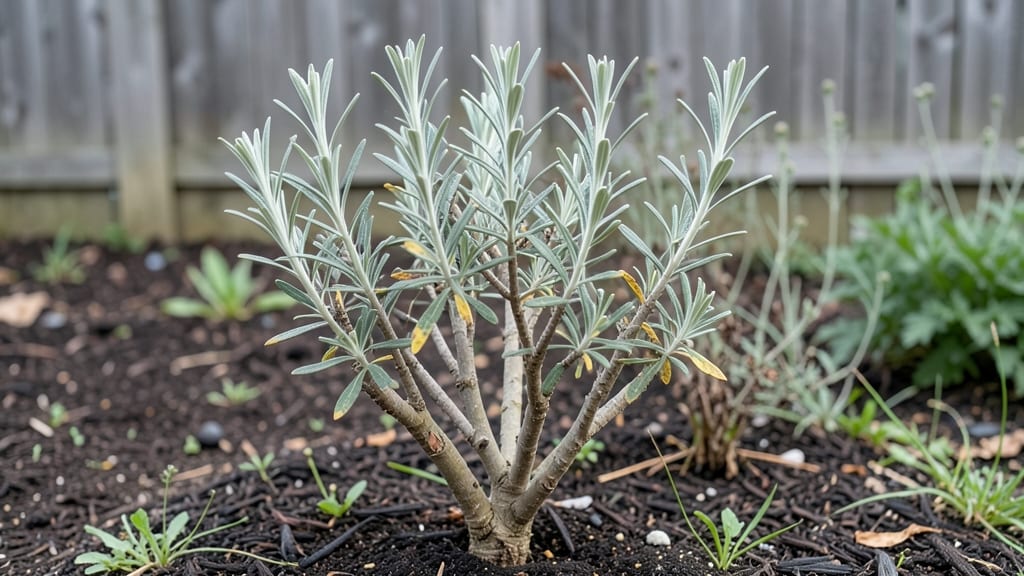
Fast-growing Australian tea trees (Leptospermum species) turn any yard into a lush, fragrant privacy screen that thrives year-round. 🌿 I planted mine last spring, and within months, they shot up taller than my waist—without needing constant attention.
The secret lies in their adaptability: they handle heat, humidity, and even coastal winds better than most shrubs.
These trees love well-draining soil and full sun, but they’re forgiving if you can’t give them perfect conditions. In my zone 8 garden, they’ve survived droughts and occasional neglect while still blooming with those signature white, tea-scented flowers.
The key is planting them 6–8 feet apart for a dense hedge that fills in quickly.
By year two, you’ll have a vibrant, wildlife-friendly screen that repels pests naturally and attracts bees. The glossy leaves stay evergreen in mild winters, and the occasional pruning keeps them shaped just right. Best of all, they’re low-maintenance once established—ideal for busy gardeners who still want a stunning backdrop.
Whether you’re in Australia’s coastal regions or a temperate climate like the U.S. South, these trees deliver fast results with minimal fuss. Here’s how to get them growing strong in your space.
📚 In This Guide
- What you need
- Instructions
- Tips and common mistakes
- Wrapping up and next steps
What you need
- ● Australian Tea Tree Seeds or Saplings: 5–10 seeds (if starting from scratch) or 3–5 nursery-grown saplings (for faster results).
- ● Pro tip: Look for Melaleuca alternifolia or Melaleuca quinquenervia varieties for best privacy screen performance! 🌿
- ● Well-Draining Soil: Mix 1 part native soil with 1 part coarse sand or perlite (improves drainage—critical for tea trees!).
- ● Sunlight: A full-sun to part-sun location (6+ hours of sunlight daily).
- ● Watering Can or Hose: With a gentle spray nozzle for moisture control.
- ● Organic Mulch: Pine bark or wood chips (2–3 inches thick) to retain moisture and suppress weeds.
- ● Garden Trowel or Shovel (for digging holes, 6–12 inches deep).
- ● Pruning Shears (to shape young plants and encourage bushiness).
- ○ Fertilizer (Optional): Low-phosphorus, native plant fertilizer (apply lightly in spring/autumn).
- ● Pro tip: Tea trees are light feeders—over-fertilizing can harm them! 🚫💨
- ○ Erosion Control Fabric (Optional): For sloped areas to prevent soil loss.
- ○ Pest Control (Optional): Neem oil or insecticidal soap (rarely needed, but tea trees can attract aphids).
Step-by-Step guide to planting Australian tea trees for privacy
Here's how to create a lush, fast-growing privacy screen that thrives year-round.
🌱 Step 1: Choose the Right Location and Planting Time
Australian tea trees (Melaleuca) love full sun—plant them in a spot with 6+ hours of direct sunlight daily. These evergreens grow best in well-draining soil, so avoid low-lying areas where water pools. I always plant mine in late winter or early spring, just as new growth begins. This gives roots time to establish before summer heat arrives.
Dig a hole twice as wide as the root ball but only as deep. The top of the root ball should sit 1 inch above ground level—burying it too deep suffocates the plant. Loosen the soil around the edges of the hole to encourage root spread. If your soil is heavy clay, mix in 1 part compost to 3 parts native soil to improve drainage.
🪴 Step 2: Plant and Water Deeply
Gently remove the plant from its container and place it in the hole, backfilling with soil as you go. Press lightly around the base to eliminate air pockets, but don’t compact the soil—tea trees hate dense roots. Water immediately after planting to settle the soil and remove any air gaps.
Give each tree 6-8 gallons of water to encourage deep root growth. You’ll know it’s enough when water drains out the bottom of the hole. Mulch with 2-3 inches of organic mulch (like wood chips or shredded bark) to retain moisture and protect roots from temperature swings. Keep mulch 3 inches away from the trunk to prevent rot.
☀️ Step 3: Provide Consistent Care for Fast Growth
Australian tea trees are drought-tolerant once established, but young plants need regular watering. Water 2-3 times per week for the first year, then taper to once a week once they reach 3 feet tall. You’ll see fast growth when leaves stay vibrant green and new shoots appear every 4-6 weeks.
Fertilize lightly in spring with a balanced 10-10-10 fertilizer to encourage lush foliage. Avoid heavy-handed feeding—tea trees prefer lean soil and over-fertilizing causes weak, leggy growth. Prune only to shape, removing any dead or crossing branches in late winter. This keeps the screen dense and encourages bushier growth.
✂️ Step 4: Maintain for Year-Round Privacy
These trees grow 3-5 feet per year under ideal conditions, so you’ll see a noticeable screen within 2-3 years. Thin out the center plants slightly if they’re too crowded, leaving 4-6 feet between mature trees for airflow. This prevents disease and ensures all plants get sunlight.
Watch for pests like scale insects—wipe them off with a damp cloth if you spot them. Tea trees rarely need pesticides, but a strong spray of water usually clears minor infestations. In winter, they may drop some leaves, but don’t worry—they’re evergreens and will regrow quickly in spring.
Tips & tricks for perfect Australian tea tree privacy screens
Here's what I've learned from planting and growing these fast-growing evergreens—details that make all the difference.
Location is Everything: In Step 1, don't just look for sunlight—check for wind patterns too. Tea trees can handle light breezes but avoid spots where strong winds would stress them. I've seen them planted near fences or buildings where wind gets funneled, and those trees grow twice as fast because they're not struggling against windburn. Also, test your soil's drainage by digging a hole and filling it with water—if it doesn't drain within 2 hours, you'll need to amend that soil with more compost.
Root Ball Handling: When removing your tea trees from containers in Step 2, I can't stress enough how important it is to preserve that root ball. Gently squeeze the sides of the container while lifting to encourage the roots to stay intact. If you see circling roots (roots growing in circles around the inside of the pot), use your fingers to carefully tease them apart before planting. This prevents girdling as the tree matures, which can strangle growth. The 1-inch elevation above ground level is critical too—this prevents root rot from sitting water.
Watering Wisdom: Those 6-8 gallons per tree in Step 2 might seem like a lot, but it's worth it for establishing deep roots. I've seen people water lightly multiple times, thinking they're being thorough, but this actually encourages shallow roots. Instead, water deeply but less frequently. You'll know you've done it right when water appears at the bottom of the hole—this means the roots are getting what they need to grow downward. For the first year's 2-3 weekly watering in Step 3, I set a timer to remind me—consistency matters more than exact timing.
Fast Growth Secret: To hit that 3-5 feet per year growth rate mentioned in Step 4, focus on the 4-6 week new shoot cycle. When you see those fresh green shoots appear, that's your tree telling you it's thriving. If shoots are sparse or yellowing, it's usually a sign of overwatering or poor drainage. I've found that a light application of seaweed fertilizer in spring (instead of the 10-10-10) gives an extra growth boost without the risk of over-fertilizing. And remember—pruning in late winter isn't just about shaping, it's about encouraging bushier growth from those dormant buds.
Pro Tips for Australian Tea Trees
- Here's what I've learned from planting and growing these fast-growing evergreens—details that make all the difference.
- Location is Everything: In Step 1, don't just look for sunlight—check for wind patterns too.
- Root Ball Handling: When removing your tea trees from containers in Step 2, I can't stress enough how important it is to preserve that root ball.
Frequently asked questions
Got questions about Australian tea trees? You’re not alone!
Here are answers to the most common queries about growing, caring for, and maximizing these fast-growing, evergreen privacy screens.
How fast do Australian tea trees grow, and how tall can they get?
Australian tea trees (Leptospermum laevigatum) are one of the fastest-growing privacy screens, adding 3–5 feet per year under ideal conditions. With proper care, they can reach 20–30 feet tall and 10–15 feet wide, creating a lush, dense hedge in just a few years. For quicker results, plant them close together (3–4 feet apart) and prune regularly.
When is the best time to plant Australian tea trees?
The ideal time to plant is in early spring or fall when temperatures are mild, and the soil is moist but not waterlogged. Avoid planting in summer heat or winter frost, as extreme conditions can stress young trees. If you must plant in summer, do it in the early morning or late afternoon to reduce transplant shock.
How much water do Australian tea trees need, and how often should I water them?
Newly planted tea trees need deep watering 2–3 times per week for the first month to establish roots. After that, water 1–2 times per week, depending on rainfall—aim for 1–2 inches of water per week. Once established (after 1–2 years), they’re drought-tolerant but appreciate occasional deep watering during dry spells. Pro tip: Mulch around the base to retain moisture!
How and when should I prune Australian tea trees for a neat privacy screen?
Prune in late winter or early spring before new growth begins. Use sharp, clean shears to trim back overgrown branches to encourage bushier growth. For a formal hedge, prune 2–3 times per year—after flowering (summer) and again in fall. Avoid heavy pruning in late summer, as it can stimulate tender new growth vulnerable to frost.
What pests or diseases should I watch for with Australian tea trees?
These trees are generally low-maintenance and pest-resistant, but watch for aphids, scale insects, or psyllids (sap-sucking pests). Treat infestations early with insecticidal soap or horticultural oil. Fungal issues like root rot can occur in soggy soil, so ensure well-draining soil and avoid overwatering. Pro tip: Remove fallen leaves to prevent fungal buildup!
Can I grow Australian tea trees in containers, or are they only for gardens?
While they thrive in ground plantings, Australian tea trees can also grow in large containers (at least 2–3 feet deep) for patios or small spaces. Use a well-draining potting mix and repot every 2–3 years as they outgrow their container. Note: Container-grown trees may grow slower and need more frequent watering.
Wrapping up and next steps
Australian Tea Trees (Leptospermum) are a fantastic choice for homeowners seeking a fast-growing, low-maintenance privacy screen that thrives year-round. Their lush foliage, vibrant flowers, and resilience make them a standout option—whether you're enhancing curb appeal or creating a natural barrier.
With the right care, these trees can transform your outdoor space into a serene, evergreen haven.
Ready to get started? Research your local climate and soil conditions, then pick the perfect variety for your yard. Planting one (or a few!) could be the first step toward a greener, more beautiful home—why wait?