
Flowers
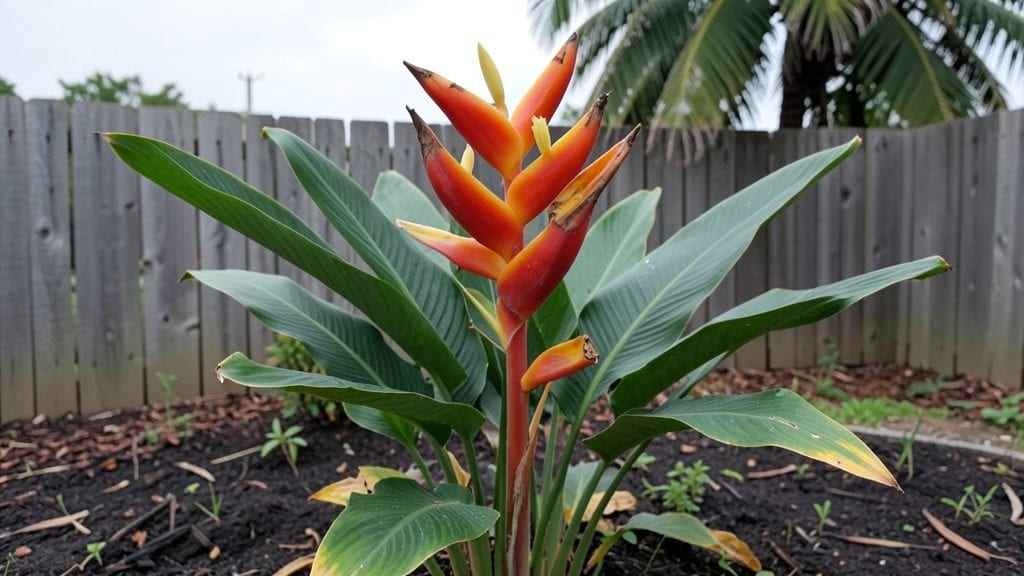
The right flowers around palm trees turn your yard into a sun-drenched paradise. 🌺 I learned this the hard way—planting delicate annuals that wilted under the palms' shade. Now my front yard bursts with year-round color that thrives in the same heat and humidity as my palm.
Start with drought-tolerant stars like hibiscus, bougainvillea, and birds of paradise—they love full sun and sandy soil just like palms. Mix in varied heights (tall cannas behind shorter plumerias) for a lush, layered look. For small spaces, try dwarf varieties or containers to keep things proportional.
What you’ll end up with is a privacy screen that blooms continuously, smells like a tropical vacation, and requires almost no extra watering. The key is matching moisture needs—palms and these flowers all want well-draining soil and occasional deep watering.
This design works for Mediterranean courtyards, Florida backyards, or California coastal gardens. The same principles apply whether you’re framing a single palm or creating a full tropical grove. Let’s make your outdoor space feel like a resort retreat.
📚 In This Guide
- What you need
- Instructions
- Tips and common mistakes
- Wrapping up and next steps
What you need
- ● Palm Trees: 3-5 mature Phoenix canariensis (Canary Island Date Palm) or Archontophoenix cunninghamiana (Bamboo Palm) – choose based on your climate zone (USDA Zones 9-11 for best results).
- ● Flowering Plants: 10-15 Plumeria rubra (Frangipani) – for fragrant blooms.
- ● 8-10 Ixora coccinea (Jewel of the Garden) – compact shrubs with vibrant clusters.
- ● 6-8 Bougainvillea (thornless varieties) – for cascading color.
- ● 5-7 Hibiscus rosa-sinensis – tropical showstoppers.
- ● Soil & Mulch: 50 lbs of well-draining potting mix (e.g., cactus/succulent blend).
- ● 20 lbs of orchid bark or coconut coir for aeration.
- ● 10 lbs of slow-release fertilizer (14-14-14 NPK ratio).
- ● Heavy-duty shovel and garden fork for planting.
- ● Pruning shears (bypass, 8-inch) for shaping.
- ● Wheelbarrow or garden cart for transporting soil.
- ○ Hose with adjustable nozzle or drip irrigation kit (optional but recommended).
- ● Measuring tape and stakes for spacing.
- ● Gloves (gardening and pruning-specific).
- ● Bird of Paradise (Strelitzia reginae) – for bold architectural contrast.
- ● Orchids (e.g., Dendrobium) – to hang from palm fronds.
- ● Solar-powered garden lights for evening ambiance.
- ● Decorative rocks or lava stones for mulch topping.
How to create a stunning tropical privacy screen around your palm tree
This lush, colorful design thrives in warm climates and delivers year-round privacy while complementing your palm’s natural beauty.
🌱 Step 1: Choose the Right Flowering Plants for Your Climate
Select plants that thrive in your hardiness zone and match your palm tree’s light exposure. For full sun areas, consider hibiscus, plumeria, or bougainvillea—all of which bloom vibrantly and tolerate heat. If your palm is in partial shade, opt for ginger lilies, bird of paradise, or canna lilies, which add bold foliage and striking flowers without requiring intense sunlight.
I always check each plant’s mature size to avoid overcrowding. For example, hibiscus can grow 6-10 feet tall, while plumeria stays more compact at 4-8 feet. Arrange taller varieties behind the palm and shorter ones in the front for a layered effect. Avoid invasive species like Mexican petunia—they spread aggressively and can smother your palm’s roots over time.
🪴 Step 2: Prepare the Planting Area for Optimal Drainage
Palm trees and most tropical flowers despise soggy roots, so amend the soil with 3-4 inches of organic compost and 10-20% perlite or coarse sand to improve drainage. Dig a 12-inch-deep trench around the palm’s drip line (the area where branches naturally extend) to create a 6-foot-wide planting bed. This gives roots room to establish without competing directly with the palm.
If your soil is heavy clay, mix in a 2-inch layer of expanded shale or pumice at the bottom of the trench. This creates air pockets and prevents waterlogging. Test drainage by digging a 6-inch hole, filling it with water, and checking if it drains within 30 minutes. If not, add more perlite or create a raised bed instead.
☀️ Step 3: Plant in a Strategic, Layered Arrangement
Start by planting taller varieties (6-10 feet) at the back of the bed, 3-4 feet from the palm’s trunk. Space them 4-6 feet apart to allow airflow and prevent fungal diseases. For mid-height plants (3-5 feet), place them 2 feet in front of the taller ones, and fill the front with shorter, bushier plants (1-3 feet) like firecracker plants or sweet potato vine for instant color.
Dig holes twice as wide as the root ball but only as deep as the container. This encourages roots to spread horizontally rather than settling too low. Water each plant deeply before backfilling with soil, pressing gently to remove air pockets. Mulch the bed with 2-3 inches of wood chips or pine straw, keeping mulch 6 inches away from the palm trunk to prevent rot.
💧 Step 4: Water and Fertilize for Year-Round Blooms
Water deeply twice weekly for the first month, then taper to once weekly once plants are established. Aim for 1-1.5 inches of water per session, delivered at the base of plants (not overhead) to reduce fungal risks. In hot, dry climates, increase to every 4-5 days and watch for wilting leaves—a sign of underwatering. Overwatering is just as dangerous; yellowing leaves or mushy stems mean you’re overdoing it.
Fertilize monthly during the growing season (spring through fall) with a balanced, slow-release fertilizer (10-10-10). In winter, switch to a low-nitrogen, high-phosphorus formula (5-10-10) to encourage blooming. I always scratch fertilizer into the top 2 inches of soil after watering to avoid burning roots. Avoid synthetic fertilizers with high salts—they can harm palm trees over time.
✂️ Step 5: Prune and Maintain for Long-Term Health
Deadhead spent blooms weekly to encourage continuous flowering. For hibiscus and plumeria, trim back 1/3 of the oldest stems in early spring to promote new growth. For bougainvillea, prune after blooming to shape the plant and remove leggy stems. Always use sterilized pruners and clean cuts at a 45-degree angle to prevent disease.
Monitor for pests like scale, spider mites, or aphids, which thrive in tropical conditions. Treat infestations early with neem oil or insecticidal soap, applying in the early morning to avoid harming beneficial insects. If a plant shows signs of stress—brown tips, stunted growth, or no blooms—check for root rot, nutrient deficiencies, or improper watering before assuming it’s a lost cause.
Tips & tricks for perfect tropical privacy screens
A few strategic touches will transform your palm tree into a vibrant privacy oasis that thrives all year. Here's what I've learned from creating these stunning tropical displays myself.
Layering is Everything: The key to that lush, three-dimensional look comes from proper layering. In Step 3, when arranging your plants, think of it like a tropical painting—taller varieties like hibiscus (6-10 feet) should form the background, while mid-height plants (3-5 feet) create the middle layer. For the front, use bushy, colorful plants like sweet potato vine (1-3 feet) to add that final pop of color. This arrangement not only looks stunning but also prevents overcrowding that can stress your palm tree's roots.
Soil Science Matters: The 30-minute drainage test in Step 2 isn't just about preventing root rot—it's about creating the perfect environment for your tropical plants to thrive. If your soil drains too slowly, consider creating a raised bed instead of amending with perlite. I've found that even in heavy clay soils, raised beds with proper drainage can make all the difference in keeping your flowers healthy and blooming continuously. The goal is to mimic the sandy, well-draining soils these plants naturally grow in.
Seasonal Fertilizing Strategy: While the instructions mention monthly fertilizing, here's the secret I've discovered: adjust your approach with the seasons. During the growing season (spring through fall), stick with that balanced 10-10-10 formula. But in winter, when many tropical plants go semi-dormant, switch to the 5-10-10 formula to encourage blooming without promoting excessive leaf growth. This seasonal adjustment has dramatically improved my blooming results, especially with hibiscus and plumeria.
Pest Prevention Pro Tip: Early morning is the perfect time to apply neem oil or insecticidal soap, as mentioned in Step 5. But here's what nobody tells you—always apply these treatments when temperatures are below 85°F. Heat can burn the leaves, making your pest problems worse. I've learned this the hard way after seeing beautiful bougainvillea leaves turn brown from midday applications. Timing really is everything in tropical gardening!
Pro Tips for Flowers Around Palm Tree
- A few strategic touches will transform your palm tree into a vibrant privacy oasis that thrives all year.
- Layering is Everything: The key to that lush, three-dimensional look comes from proper layering.
- Soil Science Matters: The 30-minute drainage test in Step 2 isn't just about preventing root rot—it's about creating the perfect environment for your tropical plants to thrive.
Frequently asked questions
Got questions about creating a stunning flowers-around-palm-tree privacy screen? Here are some common ones—and their easy answers!
What are the best flowers to plant near a palm tree?
Opt for drought-tolerant, shade-loving blooms like hibiscus, plumeria, or bird-of-paradise. Avoid heavy-rooted plants (like banana trees) that compete with the palm. Pro tip: Use mulch to retain moisture and suppress weeds!
How long does it take for flowers to grow around a palm tree?
Most tropical flowers bloom within 6–12 months, but faster-growing varieties (like bougainvillea) may show color in 3–6 months. Palm trees themselves grow slowly—expect 1–2 feet per year for mature height. Patience pays off for that lush, layered look!
Can I plant flowers directly under a palm tree’s canopy?
Yes, but choose low-light-tolerant species like caladiums, ferns, or impatiens. Avoid deep-rooted flowers that may strangle the palm’s roots. Warning: Palm fronds can drop debris—place flowers 3–5 feet away to avoid leaf buildup.
How often should I water flowers near a palm tree?
Water deeply 2–3 times per week for the first year, then taper to once weekly (or when soil feels dry). Palm trees and flowers share roots—drip irrigation or soaker hoses help distribute water evenly without over-saturating.
What if my flowers aren’t thriving near the palm?
Check for overwatering, poor drainage, or pests (like scale insects). Fix it:
- Amend soil with compost for nutrients.
- Prune crowded fronds to improve airflow.
- Fertilize lightly with balanced 10-10-10 in spring.
Wrapping up and next steps
Creating a stunning tropical privacy screen with flowers around a palm tree isn’t just about aesthetics—it’s about crafting a serene, year-round oasis that thrives with minimal fuss. 🌺 From sun-loving hibiscus to fragrant plumeria, these plants bring color, texture, and privacy while complementing the palm’s natural elegance.
Whether you’re a gardening novice or a green-thumb pro, the key is starting small—pick a few favorites, prioritize sunlight and soil, and let nature do the rest!
Ready to transform your space? Take the next step:
- Sketch a simple layout (even on paper!) to visualize your dream screen.
- Visit a local nursery to test soil drainage and pick your top 3 plants.
- Grab a shovel and plant with confidence—your tropical retreat is just weeks away! 🌴✨