
Pruning
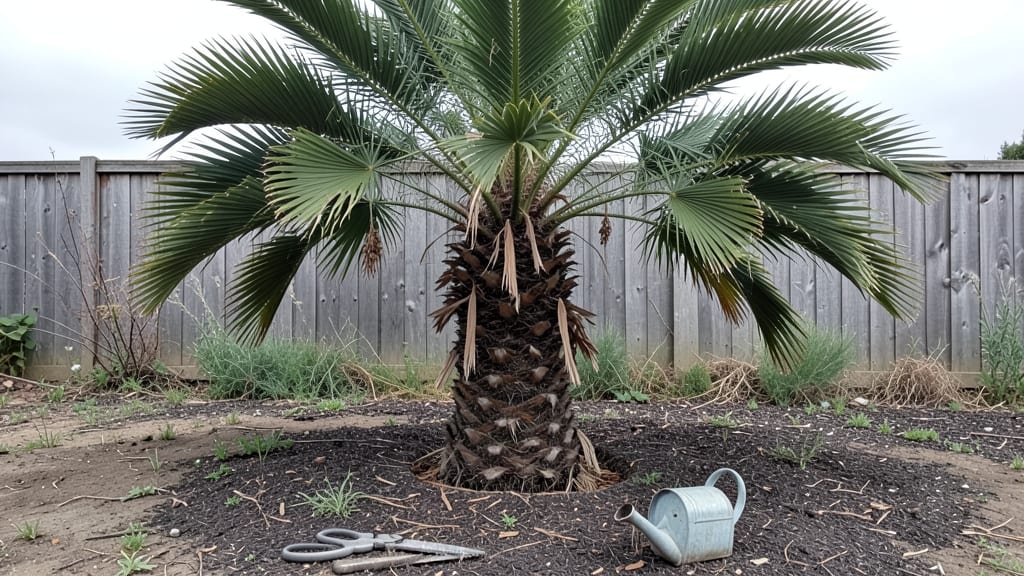
To maintain a palm tree, focus on five simple but critical habits that keep your tree thriving year-round—because a healthy palm isn’t just about looks, it’s about longevity. 🌴 I’ve learned the hard way that neglecting even one of these can turn a stunning centerpiece into a struggling survivor within months.
The key is consistency: watering right, pruning strategically, and protecting against pests before they become problems.
Most people mess up the basics—overwatering or underwatering, pruning at the wrong time, or ignoring soil health. My foolproof routine starts with checking the soil every two weeks: stick your finger 2 inches deep. If it’s dry, water deeply; if it’s soggy, hold off.
Tropical palms need more frequent watering than cold-hardy types, and that’s where most mistakes happen. A 3-gallon bucket of water per week in summer keeps roots happy without drowning them.
You’ll notice the difference in just a few months: vibrant green fronds, no yellowing at the tips, and new growth appearing where old fronds used to sag.
The real reward? A palm that stands tall for decades instead of struggling through seasons. Let’s break down the exact steps that make this work—no guesswork, just results.
Whether you’re dealing with a 10-foot date palm or a 6-foot dwarf variety, these techniques adapt. Cold climates? Wrap young trunks in burlap for winter. Hot, dry areas?
Mulch heavily to retain moisture. The goal is the same: a palm that looks effortless but is actually thriving because you’re giving it exactly what it needs.
📚 In This Guide
- What you need
- Instructions
- Tips and common mistakes
- Wrapping up and next steps
What you need
- ● Pruning shears or loppers: Sharp, bypass-style (for clean cuts), 6–10" blades. Quantity: 1 pair.
- ● Sterilizing solution: 70% isopropyl alcohol or copper-based fungicide (e.g., Bonide Copper Fungicide). Quantity: Small bottle.
- ● Heavy-duty gloves: Cut-resistant, gardening-grade (e.g., Mechanix Wear). Quantity: 1 pair.
- ● Pruning saw: Curved-tooth for thick fronds (e.g., Felco F-2). Quantity: 1 (if needed).
- ● Disposable pruning bags: 10–20 gallon capacity (for debris). Quantity: 2–3 bags.
- ● Ladder (if needed): Extension ladder (20–30 ft) with non-slip feet and stabilizer. Quantity: 1.
- ● Watering can or hose: With adjustable nozzle for gentle rinsing.
- ● Sealant: Pruning sealant (e.g., Tanglefoot Tree Wound Pruning Seal) for large cuts.
- ● Fertilizer: Slow-release palm fertilizer (e.g., Miracle-Gro Shake ‘n Feed Palm Food).
- ● Safety goggles: To protect from debris.
- ● Work boots: With ankle support for stability.
- ● Spray bottle: With water to dampen fronds before pruning (reduces dust).
Step-by-Step palm tree maintenance for year-round health
Here’s the straightforward approach I’ve used to keep palm trees thriving in diverse climates—no guesswork, just proven care.
🌿 Step 1: Water Deeply but Infrequently
Palms hate soggy roots, so water only when the top 6 inches of soil feels completely dry. Stick your finger in—if it comes out clean, it’s time. I water deeply, soaking the root zone until water runs out the drainage holes. This encourages deep root growth, which makes palms more drought-resistant over time.
Real talk: Overwatering is the #1 killer. Yellowing fronds often signal too much moisture, not too little. If you’re unsure, wait another day. Mature palms can go weeks without water once established, but young trees need consistent moisture during their first year.
☀️ Step 2: Provide the Right Light Exposure
Most palms thrive in full sun (6+ hours daily), but a few varieties tolerate partial shade. If fronds yellow or brown at the tips, your palm might be getting too much harsh afternoon sun—especially in hot climates. Move it to a spot with morning sun and afternoon shade if needed.
Here’s the thing—young palms need gradual sun exposure. If you’re transplanting, start with 2-3 hours of filtered light daily and increase by 1 hour weekly to avoid sunburn. Watch for crispy leaf edges; that’s your warning sign to adjust placement.
🪴 Step 3: Fertilize Seasonally for Strong Growth
Feed palms in early spring and late summer with a balanced, slow-release fertilizer (10-10-10 or similar). I avoid high-nitrogen fertilizers—they promote weak, floppy fronds. Instead, I use a palm-specific blend with micronutrients like magnesium and potassium, which palms crave.
Apply fertilizer to the drip line (the edge of the canopy), not the trunk. Water thoroughly after applying to prevent root burn. If you notice slow growth or pale fronds, it’s time to test your soil—palms often need extra magnesium, which you can add as Epsom salt (1 tablespoon per gallon of water, applied monthly).
✂️ Step 4: Prune Dead Fronds and Protect the Crown
Remove only brown, dry fronds—never healthy ones. Use clean, sharp pruners or a handsaw to cut fronds at the base, leaving a small stub. I sterilize my tools with rubbing alcohol between cuts to prevent fungal spread. The crown (the top of the trunk) should always stay clean—never pile debris around it.
Watch for black, oily spots on fronds or trunk—this is a sign of sooty mold or scale insects. Spray with neem oil or insecticidal soap if you spot these pests. And never prune more than 1/3 of the fronds at once. Palms rely on their leaves for energy, and aggressive pruning stresses them.
⏰ Step 5: Monitor for Pests and Environmental Stress
Check fronds monthly for spider mites, palm weevils, or mealybugs. Spider mites leave fine webbing on the undersides of leaves, while weevils create small holes and sawdust-like frass. If you find weevils, act fast—adults can kill a palm in weeks. I treat with systemic insecticide applied directly to the trunk.
Palms also struggle in extreme cold or wind. If temperatures drop below 30°F, wrap the trunk with burlap or use frost cloth to protect it. In windy areas, stake young palms to prevent trunk damage. A palm that sways excessively in strong winds is at risk of splitting—better to secure it now than replace it later.
Tips & tricks for perfect palm tree maintenance
Here's what nobody tells you about keeping your palm trees thriving—these are the details that separate good care from exceptional results.
Soil Test Tip: Before you start fertilizing, grab a soil test kit from your local garden center. Palms often need more magnesium than generic soil tests detect. I've seen palms with yellowing fronds that tested "balanced" for nitrogen but were actually magnesium-deficient. That 1 tablespoon of Epsom salt per gallon in Step 3 makes a world of difference when applied monthly to magnesium-deficient soil.
Transplanting Technique: When moving young palms, the gradual sun exposure in Step 2 is non-negotiable. I've learned this the hard way—after moving a palm directly into full sun, I ended up with crispy leaf edges that took months to recover. Start with those 2-3 hours of filtered light and increase by just 1 hour weekly. Think of it like sunburn prevention for your palm.
Pruning Precision: That 1/3 rule in Step 4 isn't just arbitrary—palms photosynthesize through their fronds. Removing too many at once shocks the tree. I mark fronds with a white ribbon before cutting to track which ones I've removed. This visual system helps me stay under that critical third threshold while still keeping my palm looking tidy.
Winter Protection Hack: For that 30°F threshold in Step 5, I've found that wrapping the trunk with burlap isn't just about insulation—it's about preventing moisture buildup that can lead to fungal issues. I double-wrap with plastic wrap on the outside to create a moisture barrier. This two-layer system protects against both cold and potential rot during those winter months.
Pro Tips for Maintain A Palm Tree
- Here's what nobody tells you about keeping your palm trees thriving—these are the details that separate good care from exceptional results.
- Soil Test Tip: Before you start fertilizing, grab a soil test kit from your local garden center.
- Transplanting Technique: When moving young palms, the gradual sun exposure in Step 2 is non-negotiable.
Frequently asked questions
Got questions about keeping your palm tree thriving? Here are answers to the most common concerns—so you can enjoy a lush, healthy tree all year round!
How often should I water my palm tree?
Palm trees need consistent moisture but hate soggy roots. Water deeply 1-2 times per week (more in extreme heat, less in winter). Check soil moisture—if the top 2-3 inches are dry, it’s time to water. Drainage is key! Use well-draining soil and avoid standing water to prevent root rot.
When is the best time to prune a palm tree?
Prune dead or damaged fronds year-round, but the ideal time is late winter or early spring (just before new growth starts). Avoid heavy pruning in summer—it stresses the tree. Remove fronds only when they’re brown and dry (never more than ⅓ of the crown at once). Safety first: Wear gloves and use sharp tools!
Why are my palm tree’s fronds turning yellow?
Yellow fronds usually mean overwatering, nutrient deficiency, or disease. First, check drainage—palms hate wet feet. If soil is soggy, reduce watering. For yellowing at the tips, it could be salt buildup (flush soil with fresh water). If spots or blackened areas appear, it might be fungal infection—trim affected fronds and treat with fungicide.
Can I grow a palm tree in a pot?
Yes! Dwarf varieties (like Pygmy Date Palm) thrive in containers, but larger palms need big pots (at least 18” wide) and well-draining mix. Use a fast-draining blend (cactus soil + perlite). Repot every 2-3 years and move indoors if temps drop below 30°F. Just remember: Potted palms need more frequent watering than in-ground trees.
How do I protect my palm tree from pests?
Palm trees attract spider mites, palm weevils, and scale insects. Inspect fronds regularly for webbing, holes, or sticky residue. For mites, spray with water to dislodge them. For weevils (a major threat!), apply systemic insecticide at the first sign of frond drooping. Preventative tip: Keep the base clean and mulch properly to deter pests.
Wrapping up and next steps
Maintaining your palm tree doesn’t have to be overwhelming—just a little consistent care goes a long way! By pruning properly, watering wisely, protecting against pests, and monitoring for signs of stress, you’ll keep your palm thriving for years.
Think of it as a small investment of time that pays off with lush, healthy foliage and a stunning landscape.
Ready to take the next step? Grab your tools and schedule a quick check-in with your palm tree this weekend—your future tropical oasis will thank you! 🌴✨