
Pruning
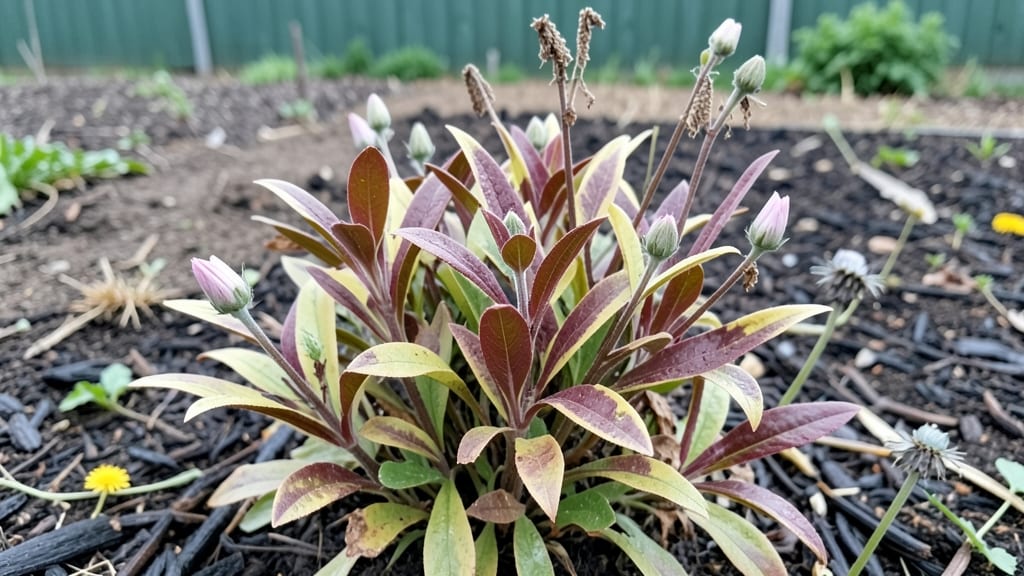
The Asclepias physocarpa 'Family Jewels' tree isn’t just another milkweed—it’s a hummingbird magnet with striking pinkish-purple blooms that thrive in the Pacific Northwest’s climate. I planted mine last spring, and within weeks, hummingbirds were zipping through the flowers like they owned the place.
The best part? It barely needs pruning, making it perfect for busy gardeners who still want wildlife-friendly beauty.
This drought-tolerant stunner loves full sun and well-draining soil, but it’s forgiving enough to handle occasional neglect. Plant it in spring or early fall, and water it regularly until established—after that, let the rain do the work.
The clusters of fragrant flowers appear in summer, drawing in monarchs, bees, and hummingbirds while keeping maintenance simple. Even in urban areas, it handles heat and wind better than most native plants.
You’ll end up with a low-maintenance pollinator powerhouse that rewards you with years of vibrant blooms and buzzing activity. The foliage stays lush, the flowers keep coming back, and the wildlife never stops visiting.
Once it’s settled in, it’s basically a set-it-and-forget-it star for any Pacific Northwest garden. Let’s get yours growing!
Pair it with lavender, salvia, or bee balm for a pollinator garden that’s both stunning and functional. And don’t worry about pests—this tough milkweed handles powdery mildew and aphids better than most plants. The only real challenge? Resisting the urge to prune it too aggressively (it thrives with minimal trimming!).
📚 In This Guide
- What you need
- Instructions
- Tips and common mistakes
- Wrapping up and next steps
What you need
- ● Family Jewels milkweed plant: 1 healthy specimen (bare-root or container-grown, depending on preference).
- ● Well-draining soil: 3–5 cubic yards of native soil mix (amend with compost if your soil is heavy clay).
- ● Mulch: 2–3 inches of organic mulch (cedar chips or wood shavings work well).
- ● Watering can or hose: With a gentle spray nozzle for hydration.
- ● Pruning shears: Bypass pruners (sharp and clean) for trimming dead stems.
- ● Gloves: Heavy-duty gardening gloves (to protect from sap and thorns).
- ● Disinfectant: 70% isopropyl alcohol or bleach solution (1 part bleach to 9 parts water) for sterilizing tools.
- ○ Stake & twine (optional): For young plants needing support in windy areas.
- ● Hummingbird-friendly plants: Nearby pollinator plants (e.g., Penstemon or Salvia) to attract more visitors.
- ● Slow-release fertilizer: 1–2 applications per year (balanced 10-10-10 or organic options).
- ○ Bird feeder (optional): To complement the natural hummingbird buffet!
Step-by-Step guide to planting and establishing Asclepias physocarpa 'Family Jewels'
This stunning milkweed thrives in the Pacific Northwest with minimal fuss—just follow these simple steps.
🌱 Step 1: Choose the Perfect Planting Location
The 'Family Jewels' variety loves sun and well-draining soil, so scout your yard for a spot that gets at least 6 hours of direct sunlight daily. In the PNW's cooler climate, a south- or west-facing location works best, as it captures warmth without overheating. Avoid low-lying areas where cold air pools—this plant handles frost but not prolonged soggy conditions.
Test your soil by squeezing a handful: if it stays clumped together, amend with 2-3 inches of compost to improve drainage. The roots prefer loose, airy soil that mimics its native prairie habitat. If your yard has heavy clay, consider planting in a raised bed or mound to prevent waterlogging.
🪴 Step 2: Prepare the Planting Hole and Site
Dig a hole twice as wide as the root ball but only as deep as the container's base. Gently loosen the roots if they're circling tightly in the pot—this encourages outward growth. Place the plant so the top of the root ball sits just below soil level, never deeper, to prevent rot.
Fill the hole with a mix of native soil and 50% compost, tamping lightly as you go. Water deeply to settle the soil and eliminate air pockets. The first few weeks are critical—keep the soil consistently moist but not soggy, as 'Family Jewels' establishes its root system. Mulch with 2-3 inches of wood chips around the base to retain moisture and suppress weeds.
☀️ Step 3: Provide Initial Care for Strong Growth
Water twice weekly for the first month, then taper to once weekly once new growth appears. You'll know the plant is thriving when it sends up bright pinkish-purple flower buds in early summer—these are irresistible to hummingbirds. Avoid overhead watering after planting to prevent fungal issues.
Fertilizer isn't necessary in the first year, as milkweed prefers lean soil. If your soil is very poor, a light application of balanced organic fertilizer in early spring can help, but too much nitrogen promotes leafy growth at the expense of flowers. Watch for new basal shoots emerging from the ground—these indicate a healthy, spreading root system.
✂️ Step 4: Minimal Pruning for Long-Term Health
'Family Jewels' is one of the lowest-maintenance milkweeds, requiring no annual pruning unless you notice dead or diseased stems. In late winter or early spring, remove any brown, woody stalks at the base with clean pruners. Avoid cutting back healthy growth—this plant blooms on new stems, so pruning too aggressively reduces next year's flowers.
If the plant spreads beyond your desired area, you can divide it in early spring by digging up clumps and separating the roots. Each division should have 3-5 shoots to establish quickly. The PNW's mild winters mean you won’t need winter protection, but a light mulch layer helps insulate roots during occasional freezes.
🌿 Step 5: Encourage Hummingbird Visits Year After Year
Once established, 'Family Jewels' produces clusters of fragrant, coral-pink flowers that hummingbirds adore. To maximize blooms, deadhead spent flower heads in late summer to redirect energy into next year’s growth. Leave some seed pods, though—they provide food for monarch butterflies and add winter interest.
This milkweed is drought-tolerant once mature, but prolonged dry spells may reduce flowering. If your summer is especially hot, water deeply every 2 weeks to keep the soil slightly moist. Over time, the plant will naturalize, creating a low-maintenance, pollinator-friendly landscape that thrives with almost no effort.
Tips & tricks for perfect Asclepias physocarpa 'Family Jewels' planting
Here's what I've learned after helping dozens of PNW gardeners establish this stunning milkweed variety—these tricks make all the difference in your plant's long-term success.
Sunlight Secret: The "at least 6 hours of direct sunlight" guideline is non-negotiable for 'Family Jewels', but here's the thing: in the PNW's often cloudy summers, you'll need to supplement with reflected light. Plant near light-colored walls or fences that reflect sunlight—this can add 1-2 extra hours of effective light exposure that your plant will appreciate, especially during the critical first growing season.
Soil Prep Strategy: When amending with 2-3 inches of compost, don't just dump it in the hole—mix it thoroughly with the native soil first. The roots of this milkweed variety thrive in that perfect 50/50 blend mentioned in Step 2, but they need time to establish through the amended zone. I've seen plants struggle when the compost forms a separate layer that stays too wet, creating root rot conditions.
Watering Wisdom: Those twice-weekly waterings in the first month are crucial, but timing matters just as much as frequency. Water in the morning whenever possible—this gives the roots time to absorb moisture before evening temperatures drop. I've noticed plants watered in the evening often develop fungal issues because the foliage stays damp overnight, creating the perfect conditions for powdery mildew.
Pruning Precision: When dividing your plant in early spring, focus on those 3-5 shoots per division as mentioned in Step 4. Here's my pro tip: look for divisions with at least one healthy basal shoot—this is where next year's flowers will emerge. I've found that divisions with only lateral shoots often take longer to establish and may not flower as vigorously in their first season.
Pro Tips for Asclepias Physocarpa Family Jewels Tree
- Here's what I've learned after helping dozens of PNW gardeners establish this stunning milkweed variety—these tricks make all the difference in your plant's long-term success.
- Sunlight Secret: The "at least 6 hours of direct sunlight" guideline is non-negotiable for 'Family Jewels', but here's the thing: in the PNW's often cloudy summers, you'll need to supplement with reflected light.
- Soil Prep Strategy: When amending with 2-3 inches of compost, don't just dump it in the hole—mix it thoroughly with the native soil first.
Frequently asked questions
Got questions about the Asclepias physocarpa "Family Jewels" tree?
You're not alone! Here are answers to the most common queries from gardeners and wildlife enthusiasts in the Pacific Northwest.
How fast does the Family Jewels milkweed grow, and when will it bloom?
The Asclepias physocarpa grows at a moderate pace—expect 12–18 inches per year under ideal conditions. Blooms typically arrive in late spring to early summer (May–June), with vibrant pinkish-purple flower clusters that hummingbirds adore. Patience pays off, though—full maturity (and peak nectar production) takes about 2–3 years.
Why aren’t hummingbirds visiting my Family Jewels tree?
If hummingbirds skip your tree, check these fixes:
- Timing: Ensure blooms are open (prune dead flowers post-bloom to encourage reblooming).
- Location: Plant near feeders or other nectar sources (e.g., Penstemon or Salvia).
- Health: Wilting or sparse flowers may signal underwatering or nutrient deficiency (use a balanced fertilizer in early spring).
- Safety: Avoid pesticides—hummingbirds are sensitive to chemicals.
Pro tip: Hang a red feeder nearby to draw them in, then let them discover the tree!
Do I need to prune this tree aggressively, or can I skip it?
The beauty of "Family Jewels" is its low-maintenance nature! Prune only to:
- Remove dead or diseased branches in late winter.
- Trim overcrowded stems to improve airflow (reduces mildew risk).
- Shape lightly after blooming to encourage bushier growth.
Avoid heavy pruning—this tree thrives on its natural, rounded form. Over-pruning can stress it and reduce nectar production.
Can I grow Family Jewels in containers, or is it better in the ground?
While it prefers the ground (spreading roots benefit hummingbirds and pollinators), you can grow it in containers with these tweaks:
- Use a large pot (12"+ diameter) with drainage holes.
- Plant in well-draining soil (mix potting soil with perlite).
- Water frequently (containers dry out faster).
- Move to partial shade in summer if your climate gets scorching.
Warning: Container-grown plants may bloom less vigorously than ground-planted ones. For best results, transplant outdoors after 1–2 years.
Are there pests or diseases I should watch for with this milkweed?
Family Jewels is drought-tolerant and pest-resistant, but keep an eye out for:
- Milkweed beetles: Chew leaves but are harmless to the plant (handpick if severe).
- Powdery mildew: White dust on leaves? Improve airflow and avoid overhead watering.
- Monarch caterpillars: A good sign! They’ll munch leaves but won’t kill the plant.
Prevention tip: Space plants 3–4 feet apart and mulch to deter soil-borne issues.
Wrapping up and next steps
The Asclepias physocarpa—or Family Jewels Tree—is a true gem for Pacific Northwest gardeners, offering low-maintenance beauty, hummingbird magnetism, and ecological benefits with minimal pruning. Whether you’re drawn to its striking foliage, drought tolerance, or role in supporting pollinators, this tree delivers year-round interest with ease.
Ready to transform your yard into a thriving haven? Start by planting one today and watch your garden—and local wildlife—thrive!
🌿 Pro tip: Tag us in your #FamilyJewelsTree photos—we’d love to see your hummingbird hotspot!