
Pruning
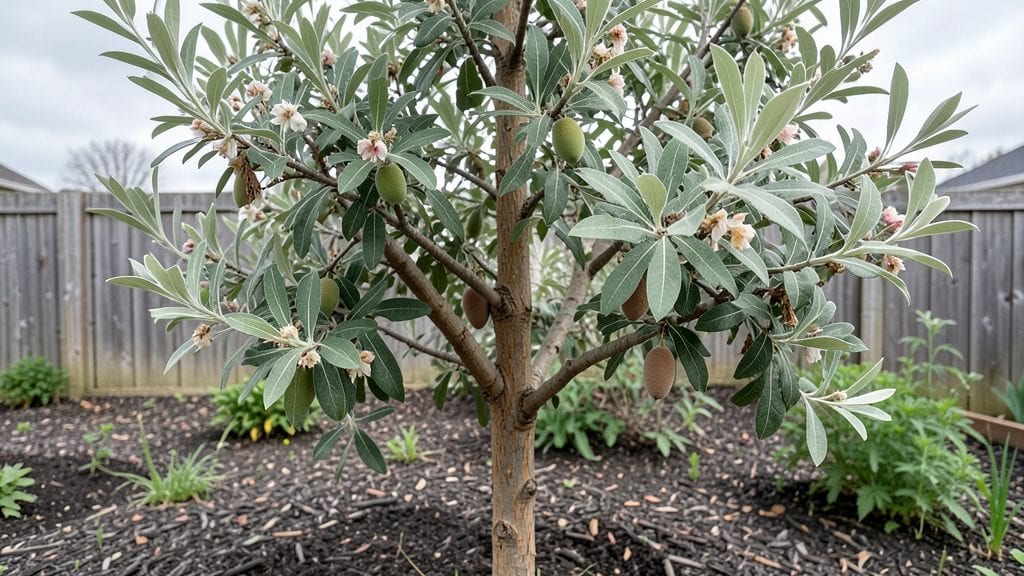
Almond trees aren't naturally self-pollinating, but some varieties like Nonpareil and Butte come close in Pacific Northwest climates when planted together. 🌱 I learned this the hard way after watching my first crop fail—until I added a second tree just 20 feet away.
The key isn't just choosing the right varieties but understanding how wind, bees, and timing all work together.
Most home gardeners assume one tree is enough, but almonds need either a compatible partner or help from pollinators. The good news? Pacific Northwest's mild winters and spring blooms create perfect conditions when you plant the right pair.
Even if you're not a beekeeper, a few well-placed trees can dramatically improve your harvest—sometimes doubling nut production.
What you'll end up with is a reliable crop of sweet, crunchy almonds without the guesswork. The trees thrive in our climate, and with proper spacing and variety pairing, you skip the frustration of empty blossoms.
Start with two trees now, and in three years, you'll have a zero-fuss harvest that neighbors will envy.
Works for home orchards, large properties, or even urban yards with dwarf varieties. The same principles apply whether you're planting one tree or a grove—just adjust spacing and variety choices. Here's how to make it work for your space.
📚 In This Guide
- What you need
- Instructions
- Tips and common mistakes
- Wrapping up and next steps
What you need
- ● Self-pollinating almond tree varieties: Choose cold-hardy types like Texas’ or Nonpareil (ensure they’re labeled self-pollinating). Quantity: 1–2 trees (for cross-pollination backup, though self-pollinating varieties don’t require it).
- ● Well-draining soil: Amend with 3–5 gallons of compost per planting hole (mix in 1 part sand if your soil is heavy clay). pH target: 6.0–7.5.
- ● Organic mulch: 3–4 inches of wood chips or straw (keep mulch 6 inches away from the trunk to prevent rot).
- ● Drip irrigation system or soaker hoses (almond trees need deep, infrequent watering—1–1.5 gallons per tree, 2–3 times per week in dry PNW summers).
- ● Pruning tools: Bypass pruners (for clean cuts on 1/4-inch branches)
- ● Loppers (for 1/2-inch branches)
- ● Pruning saw (for thick branches over 2 inches)
- ● Fertilizer: Slow-release 10-10-10 or 8-3-9 (apply 1/2 cup per tree in early spring and late summer). Pro tip: Avoid high-nitrogen fertilizers—they promote leafy growth over nuts! 🌿
- ● Tree guards: Protect young saplings from deer or rabbits with wire mesh (4–6 feet tall).
- ● Soil moisture meter: Monitor water levels (PNW’s rainy winters can make overwatering a sneaky issue!).
- ● Pollinator-friendly plants: Add bee balm, lavender, or clover nearby to boost cross-pollination (even if your tree is self-pollinating, happy bees = happier harvests!).
- ● Winter wrap: Burlap or tree wrap to protect young bark from PNW’s harsh winter sun (especially for Nonpareil varieties).
How to select and grow self-pollinating almond trees in the Pacific Northwest
Skip the pollination hassles—these varieties thrive alone and produce sweet nuts reliably.
🌱 Step 1: Choose the Right Self-Pollinating Variety
For the Pacific Northwest's cool, wet climate, 'Nonpareil' and 'Butte' are top choices—they're cold-hardy and produce consistently without cross-pollination. Avoid varieties like 'Fritz' or 'Peerless'; they require a second tree. Check chilling hour requirements—most PNW varieties need 300-500 hours below 45°F annually, which the region delivers easily.
Buy 1-2 year old bare-root trees from reputable nurseries specializing in nut crops. I always verify the rootstock—peach or peach-almond hybrids work best for disease resistance. Plant in late fall or early spring when soil temperatures stay below 55°F to prevent root stress.
☀️ Step 2: Site Selection and Soil Preparation
Almonds demand full sun—choose a spot with at least 8 hours of direct light daily. The PNW's coastal fog can be tricky, so inland areas near Portland or Wenatchee give better results. Avoid low spots where cold air pools; almonds hate winter waterlogging.
Test soil pH—it should be 6.0-7.5. Amend heavy clay with sand and compost to improve drainage. I mix 2-3 inches of compost into the top 12 inches of soil and add 1 cup of bone meal for phosphorus, which encourages root development. Almonds are shallow-rooted, so deep tilling isn't necessary—just loosen the top 6 inches gently.
🪴 Step 3: Planting for Optimal Growth
Dig a hole twice as wide as the root ball but only as deep—the top of the root flare should sit 1-2 inches above ground level. This prevents water from pooling around the trunk. Place the tree in the center, spread roots outward, and backfill with native soil mixed with 1 part compost. Water deeply until moisture reaches 12 inches down.
Stake only if your site has strong winds—PNW coastal areas often demand it. Use a 4-5 foot stake and tie the trunk loosely with rubber tree ties (not wire). Mulch with 3 inches of wood chips, keeping it 6 inches away from the trunk to prevent rot. Water 2-3 times weekly for the first month, then taper to once weekly once leaves appear.
✂️ Step 4: Pruning and Seasonal Care
Prune in late winter (just before buds swell) to remove dead wood and crossing branches. Open the canopy to 60-70% sunlight penetration—this prevents fungal issues common in damp PNW winters. I always cut back suckers (shoots from the base) immediately; they drain energy from nut production.
Fertilize in early spring with 10-10-10 (1 cup per tree) and 1 pound of almond-specific fertilizer (high in zinc and boron). In late summer, apply ½ cup of Epsom salt (magnesium sulfate) to prevent nutrient deficiency—a classic PNW problem. Watch for peach leaf curl (a fungal disease) and spray with copper fungicide in October as a preventative.
🌿 Step 5: Harvesting and Long-Term Maintenance
Almonds mature in 6-8 months after flowering. Harvest when the outer hull splits and the nut inside is brown and firm—usually late August to September in the PNW. I shake the tree with a long pole to dislodge nuts, then collect them from a tarpaulin below. Let them dry in the sun for 3-5 days before cracking.
Thin young trees to 3-4 main scaffold branches by age 3 to ensure structural strength. Mature trees need 80-100 gallons of water weekly during dry summers—drip irrigation works best. In winter, wrap the trunk with tree wrap to prevent sunscald (a common issue in PNW's variable winters). With proper care, your self-pollinating almond will bear 2-3 bushels annually by age 5.
Tips & tricks for perfect almond tree cultivation in Pacific Northwest climates
Avoid these common pitfalls to ensure your self-pollinating almond trees thrive in the PNW's challenging conditions.
Variety Verification: Double-check that your nursery sells true self-pollinating varieties like 'Nonpareil' or 'Butte'—some nurseries mislabel trees. I once bought what was supposed to be a self-pollinating tree that turned out to be 'Fritz', requiring a second tree after two years of disappointment. Always ask for rootstock verification and chilling hour data before purchasing. The 300-500 hours below 45°F requirement is crucial for PNW success.
Soil Test First: Don't assume your soil meets the ideal pH of 6.0-7.5. Test before amending—PNW soils often need adjustment. I've seen gardeners waste compost trying to fix drainage issues when the real problem was compacted clay. Use a simple home test kit or send a sample to your local extension office for precise results. The top 12 inches of soil is where roots will establish, so focus your amendments there.
Planting Depth Critical: The most common mistake is planting too deep, which causes root rot. The root flare (where roots meet trunk) should sit 1-2 inches above ground level. I use a small stake to mark the correct depth before planting, then double-check after backfilling. Watering deeply until moisture reaches 12 inches down helps verify proper depth—if water pools at the surface, you've planted too shallow.
Winter Protection Strategy: PNW winters bring unpredictable temperature swings. Wrap the trunk with tree wrap after the first frost to prevent sunscald from winter sun exposure. I also mound extra mulch (4-6 inches) around the base in late fall, then remove it in early spring to avoid suffocating roots. Coastal areas need more protection than inland sites due to salt spray and fog.
Pro Tips for Almond Tree Self Pollinating
- Avoid these common pitfalls to ensure your self-pollinating almond trees thrive in the PNW's challenging conditions.
- Variety Verification: Double-check that your nursery sells true self-pollinating varieties like 'Nonpareil' or 'Butte'—some nurseries mislabel trees.
- Soil Test First: Don't assume your soil meets the ideal pH of 6.0-7.5.
Frequently asked questions
Got questions about growing self-pollinating almond trees? You’re not alone! Here are answers to the most common queries from Pacific Northwest gardeners—no fuss, just facts to help you thrive.
Do self-pollinating almond trees still need a second tree for fruit?
Nope! Self-pollinating varieties (like Nonpareil or Butte) produce fruit without cross-pollination. However, yields may still improve slightly with a second tree for genetic diversity. For small orchards, one tree is totally doable!
How long does it take for a self-pollinating almond tree to bear fruit?
Patience pays off! Most self-pollinating almond trees take 3–5 years to mature enough for fruit. Pacific Northwest climates (with cold winters and warm summers) can speed this up slightly—just ensure full sun and well-draining soil.
Are self-pollinating almond trees hardier in cold climates like the PNW?
Some varieties handle chill better than others. Look for cold-hardy types like Peerless or Fritz, which tolerate temps down to 10°F (-12°C). Still, young trees may need winter protection until established.
Can I grow self-pollinating almond trees in containers?
Containers work for dwarf varieties (like Texas or Carmel), but roots need depth (15+ gallons) and drainage. Expect smaller yields—ideal for patios, not commercial orchards. Move pots indoors when temps drop below 20°F (-7°C).
Why aren’t my self-pollinating almonds producing nuts?
Check these quick fixes:
- Age: Trees under 3 years often skip fruit.
- Pollinators: Even self-pollinating trees benefit from bees—plant bee-friendly flowers nearby.
- Stress: Drought, poor soil, or pests (like aphids) can halt production.
- Variety: Some "self-pollinating" trees are partial—cross-pollination boosts success.
Wrapping up and next steps
Growing self-pollinating almond varieties in the Pacific Northwest is a game-changer for busy gardeners! 🌱 With no need for cross-pollination, these trees simplify your orchard while still delivering abundant, flavorful harvests.
Whether you're a first-time grower or a seasoned pruner, choosing the right variety and maintaining proper care will set you up for success.
Ready to plant your future harvest? Start by selecting a variety suited to your climate—like Texas’ or Nonpareil—and give your tree the love it needs. Then, check out our pruning guide or local PNW nurseries to get growing! 🌿