Pruning
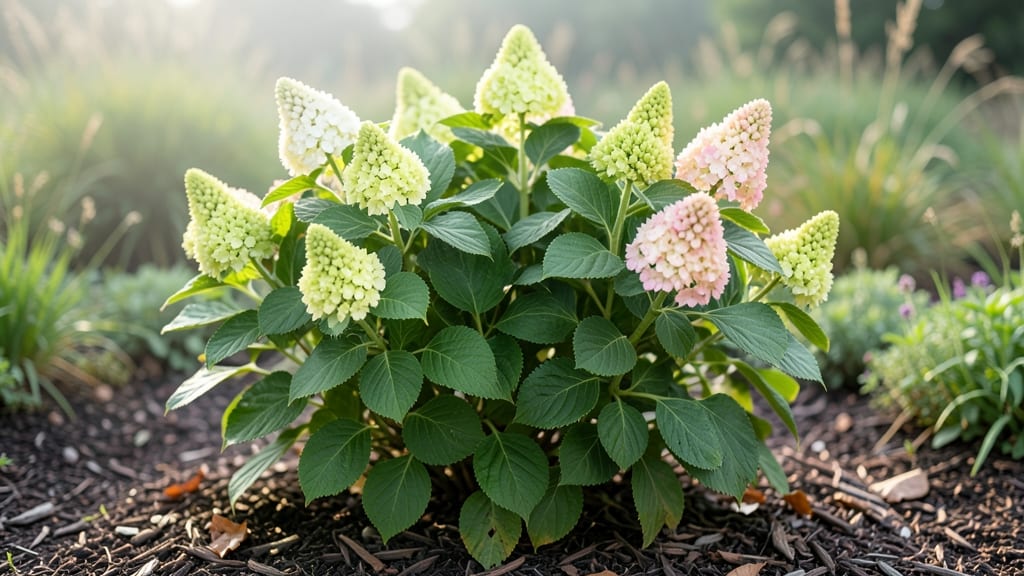
The Limelight hydrangea tree thrives in the Pacific Northwest's damp summers and mild winters, but its year-round blooms depend on precise care—especially pruning and watering.
I learned the hard way when my first Limelight struggled in soggy soil, but now it’s the star of my garden, bursting with cream-to-deep-pink blooms from early summer through frost. The secret? Treating it like the architectural powerhouse it is, not a finicky shrub.
This tree loves morning sun and afternoon shade, well-draining soil, and consistent moisture—think of it as a thirsty friend who hates soggy feet. Pruning in late winter (before buds swell) keeps its vase shape and encourages those iconic cone-shaped blooms, while a light feeding in spring jumpstarts growth.
The biggest mistake? Pruning too late or too hard—you’ll sacrifice next year’s flowers for a bushy silhouette.
By summer, your Limelight will reward you with 3-foot-tall blooms that attract hummingbirds and turn heads at neighborhood gatherings. The key to keeping it vibrant? Mulch to retain moisture, deadhead spent flowers in fall, and protect its roots from winter winds.
Even in the PNW’s wet climate, this tree stays lush and productive with minimal fuss.
Whether you’re a first-time grower or refining your skills, this care routine works for containers or garden beds. The payoff? A showstopping focal point that blooms when most hydrangeas are done for the year. Let’s get those blooms thriving!
📚 In This Guide
- What you need
- Instructions
- Tips and common mistakes
- Wrapping up and next steps
What you need
- ● Limelight Hydrangea Tree: 1 mature plant (or bare-root sapling) – check for healthy, green foliage and sturdy stems.
- ● Pruning Shears: 1 pair of sharp, bypass pruners (for clean cuts on smaller stems).
- ● Loppers: 1 pair (for thicker branches, up to 1.5 inches in diameter).
- ● Hand Pruners: 1 pair (for precision trimming and deadheading).
- ● Gloves: 1 pair of gardening gloves (to protect against thorns and sap).
- ● Mulch: 2–3 bags of organic mulch (e.g., shredded bark or wood chips, 2–3 inches deep).
- ● Slow-Release Fertilizer: 1 bag of balanced, acid-loving plant fertilizer (e.g., 10-10-10 or 8-3-9 with micronutrients).
- ● Watering Can or Hose: 1 with a gentle spray nozzle (for hydration without damaging blooms).
- ● pH Test Kit: 1 (to monitor soil acidity—aim for 5.0–6.0 for optimal blooms).
- ● Soil Amendments: 1 bag of peat moss or sulfur (if soil pH needs adjustment).
- ● Hydrangea Food: 1 bottle of hydrangea-specific fertilizer (for extra blooms).
- ● Plant Support: 1–2 stakes or cages (to secure young trees in windy PNW conditions).
- ● Rain Gauge: 1 (to track moisture—Limelight Hydrangeas love consistent hydration).
- ● Fungicide: 1 bottle (e.g., copper fungicide for prevention of powdery mildew).
- ● Pruning Sealant: 1 small tube (to protect large cuts from disease).
- ● Wheelbarrow or Tray: 1 (for mixing soil amendments or hauling mulch).
Step-by-Step instructions for cultivating a thriving Limelight hydrangea tree
Here’s how to coax vibrant, long-lasting blooms from your Limelight hydrangea—even in the Pacific Northwest’s damp, mild climate.
🌱 Step 1: Select the Ideal Planting Location
Limelight hydrangeas thrive in partial shade, receiving 4-6 hours of morning sun and protection from afternoon heat. In the Pacific Northwest, this means choosing a spot with dappled light—like under tall evergreens or near a north-facing wall. Avoid full shade, which weakens blooms, or scorching afternoon sun, which can bleach the foliage.
Test your site by observing how sunlight shifts throughout the day. The ideal location will have bright, indirect light for most of the morning and gentle shade by midday. If your yard lacks natural shade, a 50% shade cloth stretched overhead during peak sun hours mimics the perfect conditions.
💧 Step 2: Prepare Soil and Plant for Optimal Growth
Amend your native soil with 3 inches of organic compost mixed into the top 12 inches of soil to improve drainage and fertility. Limelight hydrangeas prefer slightly acidic to neutral soil (pH 6.0-7.0)—test your soil with a kit to adjust if needed. If your soil is heavy clay, blend in 1 part perlite for every 3 parts soil to prevent root rot.
Dig a hole twice as wide as the root ball but no deeper. Gently remove the hydrangea from its container and loosen any circling roots with your fingers. Place the plant so the top of the root ball sits 1 inch above ground level—this prevents waterlogging and encourages strong root development.
☀️ Step 3: Water Deeply and Mulch for Moisture Retention
Water the newly planted hydrangea deeply until the soil is 6 inches moist—this encourages roots to grow downward. In the Pacific Northwest’s rainy climate, you’ll need to water once a week during dry spells (when top 2 inches of soil feel dry). Overwatering is a common mistake—yellowing leaves often signal soggy roots.
Apply 3 inches of mulch (wood chips or shredded bark) around the base, keeping it 3 inches away from the trunk to prevent rot. Mulch conserves moisture, regulates soil temperature, and suppresses weeds. Refresh the mulch layer annually in early spring to maintain its effectiveness.
✂️ Step 4: Prune Strategically for Year-Round Blooms
Prune Limelight hydrangeas immediately after flowering (late summer to early fall) to shape the tree and encourage next year’s blooms. Remove dead, crossing, or weak branches first, then cut back last year’s growth by ⅓ to promote bushier growth. Avoid pruning in late winter—this removes next season’s flower buds.
Use clean, sharp pruners to make cuts at a 45-degree angle just above an outward-facing bud. This technique ensures new growth emerges in the right direction. If your hydrangea looks leggy, prune selective branches rather than hacking everything back—this maintains its natural form while stimulating blooms.
🌿 Step 5: Fertilize and Monitor for Long-Term Health
Apply a balanced, slow-release fertilizer (10-10-10) in early spring and again in mid-summer to support steady growth. Follow the package instructions for application rates—over-fertilizing can lead to excessive foliage at the expense of flowers. In the Pacific Northwest, where soil nutrients are often depleted, a light feeding in fall (with a low-nitrogen fertilizer) helps prepare the plant for winter.
Watch for aphids or powdery mildew, common issues in damp climates. Treat aphids with a strong spray of water or neem oil, and prevent mildew by ensuring good air circulation around the plant. If leaves yellow between veins, it may indicate iron deficiency—apply chelated iron according to label instructions to restore vibrancy.
Tips & tricks for perfect Limelight hydrangea tree care
A few strategic adjustments can transform your Limelight hydrangea from a struggling shrub to a vibrant centerpiece that thrives in Pacific Northwest conditions.
Lighting Strategy: The 4-6 hours of morning sun specified in Step 1 is crucial, but don't overlook the importance of observing your yard's microclimates. I've noticed that even small variations—like planting near a reflective surface or under different tree canopies—can change light exposure by up to 20%. Consider using a light meter app to track actual sunlight hours at potential planting sites for two weeks before committing.
Soil Preparation Secret: When amending soil with the 3 inches of organic compost in Step 2, I recommend adding a handful of worm castings to the mix for an extra nutrient boost. The castings contain beneficial microbes that improve root development, especially important for hydrangeas in our region's often-compacted soils. This small addition can make the difference between modest and spectacular blooms.
Watering Technique: The once-weekly watering guideline in Step 3 works well, but I've found that checking soil moisture at different depths reveals more nuanced needs. After watering, use a soil probe to verify moisture reaches 6 inches down—this ensures roots grow downward rather than staying shallow. In particularly rainy periods, you might need to skip watering entirely if the top 2 inches stay damp.
Pruning Insight: The late-summer pruning timing in Step 4 is perfect, but here's what nobody tells you: Look for the first set of new growth after flowering to identify last year's growth that needs trimming. This visual cue helps you avoid cutting back current season's blooms. Also, sterilize your pruners with rubbing alcohol between cuts to prevent spreading disease through sap.
Pro Tips for Limelight Hydrangea Tree Care
- A few strategic adjustments can transform your Limelight hydrangea from a struggling shrub to a vibrant centerpiece that thrives in Pacific Northwest conditions.
- Lighting Strategy: The 4-6 hours of morning sun specified in Step 1 is crucial, but don't overlook the importance of observing your yard's microclimates.
- Soil Preparation Secret: When amending soil with the 3 inches of organic compost in Step 2, I recommend adding a handful of worm castings to the mix for an extra nutrient boost.
Frequently asked questions
Got questions about keeping your Limelight Hydrangea Tree thriving in the Pacific Northwest? You’re not alone!
Here are answers to the most common concerns—from pruning puzzles to winter prep—so you can enjoy year-round blooms with confidence.
When is the best time to prune my Limelight Hydrangea Tree?
Prune your Limelight Hydrangea right after flowering (late summer to early fall) to encourage lush blooms for next season. Avoid pruning in late fall or winter, as this can remove next year’s flower buds. For shaping, light pruning in early spring is fine, but keep it minimal to preserve the tree’s natural form.
How do I protect my Limelight Hydrangea Tree from PNW winters?
Limelight Hydrangeas are hardy, but young trees or harsh winters may need extra care. Mulch the base with 2–3 inches of organic mulch (like bark or wood chips) in late fall to insulate roots. Water deeply before the first freeze to prevent drought stress. If heavy snow bends branches, gently brush it off to avoid damage.
Why aren’t my Limelight Hydrangeas blooming as much as they used to?
Over-pruning, underwatering, or poor soil can reduce blooms. Check for well-draining soil (they hate soggy roots!) and fertilize lightly in early spring with a balanced, acid-loving plant fertilizer. If blooms are sparse, prune back only dead or overcrowded branches—never more than 1/3 of the tree at once.
How often should I water my Limelight Hydrangea Tree in the PNW’s rainy climate?
While the PNW’s rain helps, Limelight Hydrangeas still need 1–1.5 inches of water per week, especially in summer. Water deeply at the base (avoid wetting foliage to prevent fungal issues) and mulch to retain moisture. Yellowing leaves? It might signal overwatering—let the top inch of soil dry out between waterings.
Can I grow a Limelight Hydrangea in a container, or is it better in the ground?
Yes! Limelight Hydrangeas thrive in containers if you choose a large pot (at least 20 gallons) with drainage holes. Use a well-draining, acidic potting mix and move the container to a sheltered spot in winter. Just remember: container-grown trees need more frequent watering and fertilizer than in-ground plants.
Pro Tip: For extra vibrancy, feed your tree with hydrangea-specific fertilizer (high in phosphorus) in early spring. And if your blooms look dull, a foliar spray with chelated iron can boost color fast!
Wrapping up and next steps
Caring for your Limelight Hydrangea Tree in the Pacific Northwest is all about patience, consistency, and a little love! 🌿 With the right pruning techniques, soil balance, and seasonal attention, you’ll enjoy stunning, year-round blooms that light up your garden.
Remember, pruning in late winter or early spring and monitoring soil moisture are your best friends for long-term success.
Now that you’re armed with the know-how, roll up your sleeves and give your tree the care it deserves! Next, head out to your garden and put these tips into action—your future blooms will thank you. Happy gardening! 🌸