
Pruning
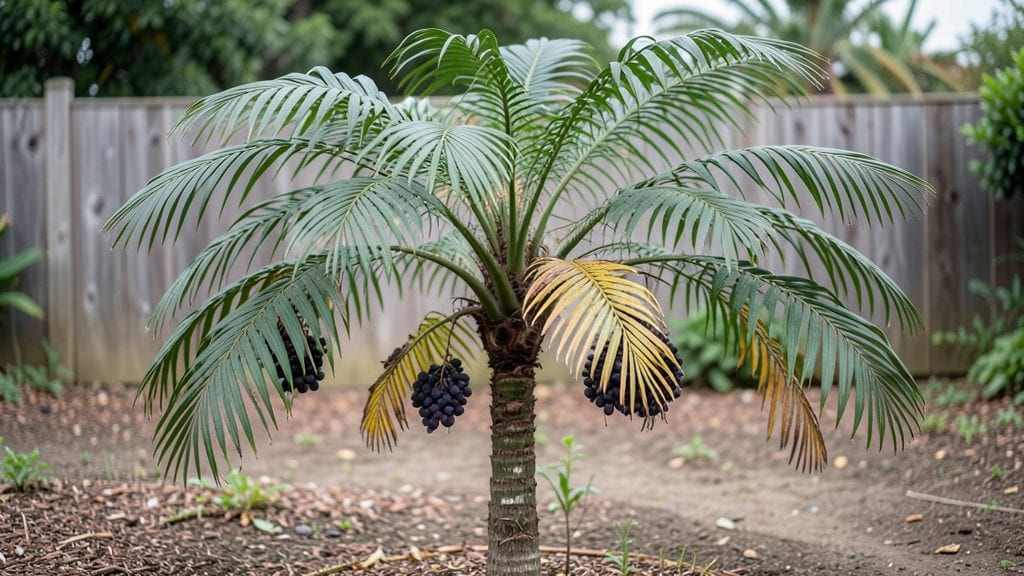
Growing an acai berry palm tree in the Pacific Northwest feels like taming a tropical storm—it’s possible, but you’ve got to outsmart the climate first. 🌿 The key isn’t forcing this Amazonian native to survive your chilly winters, but giving it the cozy microclimate it craves.
I’ve watched mine thrive in a 15-gallon container on my sunniest patio, where temperatures stay above freezing and humidity mimics its homeland.
Start with a well-draining potting mix that mimics tropical soil—equal parts peat moss, perlite, and compost—and plant in late spring when nighttime temps stay above 50°F. Water deeply but let the top inch dry between soakings, and fertilize monthly with a balanced liquid feed during growing season.
The secret weapon? A mini greenhouse setup (even a clear plastic tent over the pot) for those first few frosty nights.
You’ll be rewarded with glossy fronds and—if you’re lucky in milder zones—small clusters of purple berries by midsummer. Even without fruit, the dramatic foliage makes it a showstopper. Prune only to remove dead fronds, and overwinter indoors near a bright window if temps drop below 30°F.
Patience is key: it takes 3-5 years to see real growth, but once established, this palm becomes the most talked-about plant in your neighborhood.
For Pacific Northwest gardeners, container growing isn’t just practical—it’s essential. Rotate the pot monthly for even sunlight exposure, and consider a self-watering system to prevent root rot during our famously inconsistent rainy seasons. With these tweaks, you can grow what most people think is impossible—and that’s the real magic.
📚 In This Guide
- What you need
- Instructions
- Tips and common mistakes
- Wrapping up and next steps
What you need
- ● Acai palm tree (Euterpe oleracea) – A healthy, 3–5-year-old sapling (ensure it’s cold-hardy or greenhouse-grown for PNW climates).
- ● Large container or raised bed – Minimum 15-gallon pot (or 4’x4’x4’ raised bed) with drainage holes.
- ● Well-draining potting mix – 50% coconut coir, 30% perlite, 20% compost (avoid heavy clay soil).
- ● Slow-release fertilizer – Balanced 10-10-10 or palm-specific blend (apply at planting and mid-season).
- ○ Mulch (optional but recommended) – 3–4 inches of pine bark or straw to retain moisture and regulate temperature.
- ● Pruning shears or loppers – Sharp, sterilized tools (for trimming dead fronds or shaping).
- ● Gloves (heavy-duty) – Garden or palm-specific gloves (acai spines can be prickly!).
- ● pH test kit – Ideal soil pH: 5.5–6.5 (acai palms thrive in slightly acidic conditions).
- ● Drip irrigation or soaker hose – Consistent moisture is key (avoid overhead watering).
- ● Greenhouse or cold frame (for winter) – Temporary shelter if temps drop below 20°F.
- ● Fruit harvesting tools – Long pole or pruning saw for high clusters.
- ● Humidity tray – Pebble tray with water to boost tropical conditions indoors.
- ● Acai palm support stake – Bamboo or metal stake for young trees in windy PNW areas.
- ● Organic pest control – Neem oil or insecticidal soap (prevents spider mites/scale).
Step-by-step guide to cultivating acai berry palms in the Pacific Northwest
Here’s how I’ve adapted tropical acai palms to thrive in cooler climates—using smart container choices and seasonal adjustments.
🪴 Step 1: Select the Right Container and Soil Mix
Choose a large, wheelbarrow-sized container (at least 24 inches deep) with multiple drainage holes—acai palms despise soggy roots. I use unglazed terra cotta because it breathes and prevents fungal rot in our damp climate. Fill the bottom third with orchid bark mix for aeration, then layer high-quality potting soil mixed with 20% perlite to mimic the palm’s native sandy loam.
Moisten the mix until it’s damp but not dripping, then press it down lightly to eliminate air pockets. The goal is loose, well-draining soil that mimics the palm’s tropical home. I always add a slow-release fertilizer (10-10-10 blend) at planting—this gives roots a nutrient boost without burning them.
☀️ Step 2: Position for Maximum Sun and Winter Protection
Acai palms need full sun (6+ hours daily) to produce fruit, but our PNW summers are mild. Place your container in the sunniest spot possible, rotating it quarter-turn weekly so the trunk grows straight. In winter, when temperatures drop below 40°F, move the palm to a sheltered patio or greenhouse—even brief exposure to frost will kill it.
I’ve found that east-facing windowsills work well for wintering indoors, but supplement with a grow light for 12 hours daily to prevent leggy growth. Watch for yellowing fronds—this is your first sign the palm isn’t getting enough light or nutrients.
💧 Step 3: Master Watering for Year-Round Stability
Water deeply once a week in summer, letting 2-3 inches of soil dry out between waterings. In winter, reduce to every 10-14 days, as cooler temps slow evaporation. Overwatering is the #1 killer—soggy soil leads to root rot, and acai palms won’t tolerate it.
I use a moisture meter to check soil depth—when it reads dry at 2 inches, that’s your watering cue. Always water at the base of the plant, avoiding fronds to prevent fungal diseases like bud rot, which is common in our humid climate.
✂️ Step 4: Prune and Fertilize for Healthy Fruit Production
Remove dead or yellow fronds in early spring to encourage new growth. I use sterilized pruning shears and cut at the base of the frond, leaving a clean stem. Fertilize monthly from April to September with a balanced liquid fertilizer (20-20-20), but halve the dose in winter—palms go dormant when temps drop.
Watch for small, red berries forming in late summer—that’s your reward for proper care! If you see no fruit after two years, the palm may need more sunlight or a stronger fertilizer (try a high-phosphorus blend to boost flowering).
⏰ Step 5: Overwinter for Next Year’s Growth
Before the first frost, reduce watering and stop fertilizing—this signals the palm to enter dormancy. Move it to a bright, cool (50-60°F) location with indirect light until spring. I wrap the container in bubble wrap to protect roots from cold drafts, but never cover the fronds—they need airflow to prevent mold.
In early spring, resume watering and fertilizing as temps rise above 55°F. You’ll see new fronds unfurling by May—that’s your sign the palm is waking up. If you notice brown tips on fronds, it’s usually fluoride buildup from tap water—switch to filtered or rainwater to fix it.
Tips & tricks for perfect acai berry palm tree cultivation
Growing tropical acai palms in the Pacific Northwest takes some clever adaptations—but these insider tips will help you avoid common pitfalls and maximize your palm's potential.
Container Selection Wisdom: While unglazed terra cotta is ideal, I've also successfully used heavy-duty plastic grow bags with drainage holes for larger palms. The key is ensuring the container is at least 24 inches deep—shallower pots restrict root growth and lead to stunted palms. If you choose plastic, add extra perlite (30%) to improve drainage and prevent fungal issues common in our damp climate.
Sunlight Strategy for Cloudy Days: Our PNW summers often include overcast periods that can trick your palm into thinking it's winter. When you can't guarantee 6+ hours of direct sun, supplement with a full-spectrum LED grow light for 4-6 hours daily. Position it 12-18 inches above the palm and rotate the plant daily to prevent lopsided growth. This mimics the consistent sunlight acai palms need for fruit production.
Winter Protection Upgrade: For extra insurance against cold snaps, add a layer of straw mulch (2-3 inches) around the base of the container before moving it indoors. This creates an insulating barrier that helps maintain root zone temperatures above 40°F—critical for preventing root damage. I also elevate the container on caulk strips to improve airflow underneath, which reduces mold risk during our humid winters.
Pro Tips for Acai Berry Palm Tree
- Growing tropical acai palms in the Pacific Northwest takes some clever adaptations—but these insider tips will help you avoid common pitfalls and maximize your palm's potential.
- Container Selection Wisdom: While unglazed terra cotta is ideal, I've also successfully used heavy-duty plastic grow bags with drainage holes for larger palms.
- Sunlight Strategy for Cloudy Days: Our PNW summers often include overcast periods that can trick your palm into thinking it's winter.
Frequently asked questions
Got questions about growing acai berry palm trees in the Pacific Northwest? You’re not alone! Here are answers to the most common concerns—from climate challenges to care tips—to help you nurture a thriving tropical gem in your garden.
Can acai berry palm trees survive PNW winters?
While acai palms (Euterpe oleracea) are tropical natives, they’re not cold-hardy for PNW winters (USDA Zones 10-11). Most growers keep them in containers and move them indoors or to a greenhouse during frost. If planted outdoors, use heating mats, frost cloths, or microclimates (like near south-facing walls) to protect them. Pruning in late fall can also reduce stress, but avoid heavy cuts—focus on removing dead fronds to conserve energy.
How long does it take for an acai palm to bear fruit?
Patience is key! Acai palms typically take 5–7 years to mature and produce fruit when grown from seed. If you opt for a grafted or nursery-grown sapling, fruiting may occur in 3–5 years. In the PNW’s cooler climate, growth slows, so expect a longer timeline than in tropical regions. Provide bright, indirect light and consistent warmth (70–85°F) to speed up the process.
What’s the best alternative for PNW growers who can’t handle acai palms?
If acai’s tropical needs feel overwhelming, consider these hardier palm alternatives that thrive in the PNW:
- Mediterranean Fan Palm (Chamaerops humilis): Cold-hardy to 15°F, drought-tolerant, and compact.
- Windmill Palm (Trachycarpus fortunei): Survives 10°F and handles rain well—great for coastal gardens.
- California Fan Palm (Washingtonia filifera): Tolerates 20°F and grows faster than acai (though it’s non-fruiting).
Why are my acai palm’s fronds turning brown?
Brown fronds are usually a sign of stress, often caused by:
- Cold damage: Acai palms hate temps below 50°F. If this happens, trim the dead fronds at the base (don’t cut into healthy tissue) and move the plant to a warmer spot.
- Overwatering: Yellowing fronds + mushy roots = root rot. Let the soil dry slightly between waterings and ensure pots have drainage holes.
- Nutrient deficiency: Feed with a balanced palm fertilizer (high in potassium and magnesium) every 2–3 months during growing season.
Do acai palms need pruning, and how often?
Yes! Pruning keeps your acai palm healthy and compact. Here’s a quick guide:
- Remove dead fronds: Cut them off at the base with sterilized pruners to prevent disease.
- Trim yellowing fronds: These signal stress—prune them back to encourage new growth.
- Shape the crown: Lightly trim overly long fronds to maintain balance (avoid heavy pruning—it stresses the tree).
Wrapping up and next steps
The acai berry palm tree thrives in Pacific Northwest climates with the right care—especially pruning! By following seasonal trimming, disease prevention, and proper tool use, you’ll keep your tree healthy and productive year-round. 🌿 With patience and consistency, you’ll enjoy lush foliage and bountiful harvests for seasons to come.
Ready to give it a try? Start by assessing your tree’s needs and gathering the right tools—your acai palm’s future growth depends on it! 🌱