Pruning
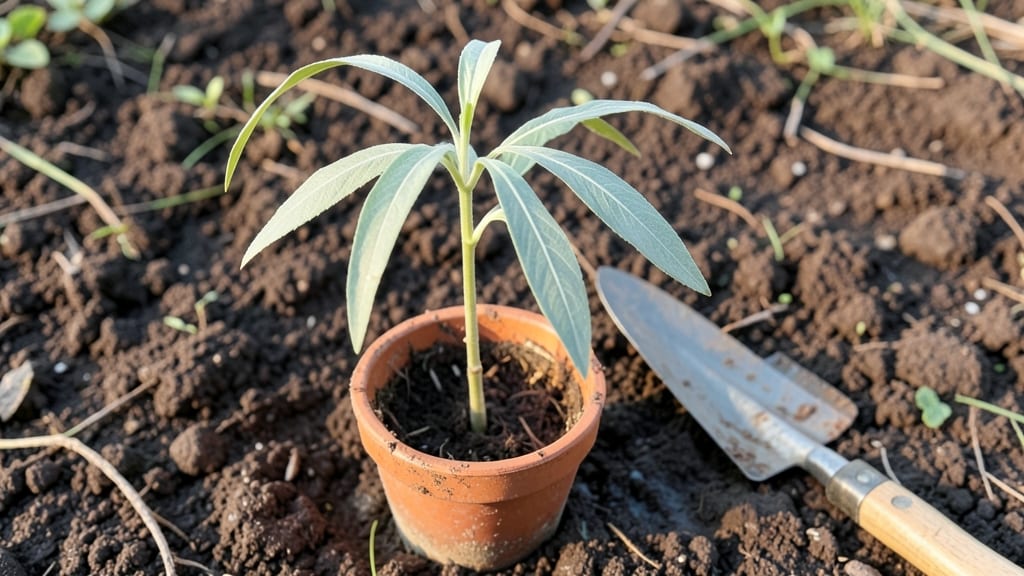
Growing a willow tree seedling into a fast, healthy specimen starts with the right pruning strategy—something I learned after my first seedling grew into a tangled mess. 🌿 The key is shaping it early to encourage strong branches and rapid vertical growth, not letting it sprawl like a wild vine.
Willow seedlings respond beautifully to pruning if you do it at the right time and with the right cuts.
You’ll need sharp pruning shears, a clean work surface, and a clear day to work—willow sap can be messy. The best time to prune is late winter or early spring, just as new growth begins. This is when the tree is still dormant but ready to burst into action.
I’ve found that willows grow up to 3 feet per year when pruned correctly, so patience and precision pay off big time.
What you’ll achieve is a sturdy, upright tree with fewer weak branches and more energy going into its main trunk. The leaves stay lush and green, and the roots establish deeper, making your willow more drought-resistant.
Think of pruning as giving your tree a haircut—it looks better and grows stronger afterward.
This method works for any willow variety, whether you’re growing it for shade, erosion control, or just the beauty of its long, graceful branches. The same principles apply whether you’re working with a single seedling or a small grove. Let’s get those branches in shape!
📚 In This Guide
- What you need
- Instructions
- Tips and common mistakes
- Wrapping up and next steps
What you need
- ● Willow tree seedling: 1-3 seedlings (choose fast-growing varieties like Salix babylonica or Salix fragilis for quicker results).
- ● Pruning shears: 1 pair (bypass pruners, sharp and sterilized, with a 6-8 inch blade for precision cuts).
- ● Gloves: 1 pair (gardening gloves to protect hands from thorns or sap).
- ○ Pruning sealant (optional but recommended): A small bottle of tree wound sealant (like Tanglefoot Tree Wound Pruning Sealer) to prevent disease.
- ● Disinfectant: 70% isopropyl alcohol or a diluted bleach solution (1 part bleach to 9 parts water) to clean tools between cuts.
- ● Watering can or hose: 1 (with a gentle spray nozzle for post-pruning hydration).
- ● Mulch: 2-3 inches of organic mulch (shredded bark or straw) to retain moisture and suppress weeds.
- ● Loppers: 1 pair (for thicker branches, though willow seedlings rarely need them early on).
- ● Hand saw: A small pruning saw (if dealing with stubborn, woody stems).
- ● Plant food: A balanced, slow-release fertilizer (like 10-10-10) to boost growth after pruning.
- ● Stake and ties: 1-2 stakes and soft ties (to support the seedling if it’s top-heavy post-prune).
Instructions: pruning your willow tree seedling for strength
Here's how I shape young willows—keeping them sturdy while encouraging that iconic fast growth.
✂️ Step 1: Identify and Remove Dead or Damaged Branches
Start by inspecting your seedling for any branches that look brown, brittle, or completely leafless. Willow wood is flexible when healthy but snaps easily if dead. Run your thumb along the branch—if it feels soft or crumbly, it's time to remove it. Use clean, sharp pruners to make a clean cut just outside the branch collar where it meets the main stem.
Don't worry if you miss a few—willows are forgiving. The key is to never leave stubs longer than ¼ inch. These little nubs invite disease and rot. I like to work on dry days when the branches are easier to see clearly against the foliage.
✂️ Step 2: Prune for Strong Structure During Dormancy
The best time to shape your willow is in late winter or early spring, just before new growth begins. Look for branches growing inward or crossing others—these compete for sunlight and nutrients. Remove about ⅓ of the total growth from last season, focusing on the weakest stems. Make your cuts at a 45-degree angle, about ¼ inch above an outward-facing bud.
Willows respond well to this aggressive pruning because they grow so quickly. You'll see fresh green shoots emerging within 2-3 weeks of your cuts. This is your signal that the plant is healing and redirecting energy to stronger growth.
☀️ Step 3: Thin Out Crowded Growth During Growing Season
As your seedling matures, you'll notice some branches growing straight up while others sprawl outward. The vertical ones need to go—they create weak, top-heavy growth. Use your pruners to remove these "water sprouts" at their base. For every 3-4 inches of new growth, keep only the strongest, most outward-facing branch.
This thinning improves airflow, which prevents fungal diseases that love damp willow foliage. You'll know you've done enough when sunlight reaches the center of the plant and new leaves appear along the remaining branches within 10-14 days.
⏰ Step 4: Shape for Wind Resistance in Fall
Late summer is perfect for final shaping before winter. Look for branches that grow too close to the ground or those that might break in storms. Reduce their length by ⅓ to ½, always cutting back to a strong bud. The goal is to create a vase-like shape that naturally sheds snow and wind.
Willows grow so vigorously that they'll fill out quickly next spring. If you see any branches bleeding sap after pruning, don't worry—this is normal. Just avoid heavy pruning in fall if you live in a cold climate, as new growth won't have time to harden off before winter.
Tips & tricks for pruning willow tree seedlings
Here's what I've learned after years of shaping willows—these tricks ensure your seedling grows strong and fast.
Tool Preparation: Always sterilize your pruners with rubbing alcohol before you start. I keep a small bottle in my gardening kit to prevent spreading disease between cuts. Sharp, clean tools make precise cuts that heal faster—willow bark seals quickly, so you won't see excessive bleeding. For thicker branches, use bypass pruners instead of anvil types to avoid crushing the wood.
Seasonal Timing Secret: Late winter/early spring pruning (Step 2) is non-negotiable for willows. The plant's energy is already shifting toward new growth, so it recovers faster. In Step 4, avoid fall pruning in cold climates—new growth won't harden off properly before winter. I mark my calendar with the first signs of bud swell to know when to prune for maximum regrowth.
Visual Cues for Pruning: When thinning in Step 3, look for branches that form a "V" shape with others—these are competing for the same space. For Step 4, imagine a vase shape: wider at the bottom, narrower at the top. This natural form helps your willow handle wind and snow loads better. The 10-14 day leaf response after thinning is your best indicator you've done enough.
Safety First: Wear gloves when handling willow branches—they can be sharp and have tiny hairs that irritate skin. Also, willow sap can stain clothing, so I wear old shirts when doing heavy pruning. Never prune during wet weather, as fungal spores spread easily when branches are damp. The 2-3 week recovery period after Step 2 is your window to spot any problems before they spread.
Pro Tips for Willow Tree Seedling
- Here's what I've learned after years of shaping willows—these tricks ensure your seedling grows strong and fast.
- Tool Preparation: Always sterilize your pruners with rubbing alcohol before you start. I keep a small bottle in my ga...
- Seasonal Timing Secret: Late winter/early spring pruning (Step 2) is non-negotiable for willows. The plant's energy i...
Frequently asked questions
Got questions about growing and pruning your willow tree seedling? You’re not alone! Here are some of the most common concerns—and expert answers to help you nurture a thriving tree.
How often should I prune a young willow tree seedling?
Prune your willow seedling once a year, ideally in late winter or early spring (before new growth starts). Avoid heavy pruning in fall—willows bleed sap, and cold weather can stress the tree. Focus on shaping, removing dead branches, and thinning crowded growth to encourage airflow.
Can I prune a willow tree seedling in summer?
Light summer pruning is fine for removing dead or diseased branches, but avoid heavy cuts. Willow trees grow rapidly, and summer pruning can stimulate weak, water-sprout growth. If you must prune, do it early morning to reduce stress, and keep cuts clean with sterilized tools.
What’s the best way to propagate a willow tree from cuttings?
Willows are easy to propagate! Take 4–6 inch cuttings from healthy stems in late winter or early spring. Strip leaves from the lower half, dip in rooting hormone (optional), and plant in moist soil or water. Keep in partial shade until roots form (usually 2–4 weeks).
Why is my willow seedling’s new growth yellow or stunted?
Yellow or stunted growth often signals overwatering, poor drainage, or nutrient deficiency. Ensure soil is moist but not soggy—willows hate "wet feet." Add compost or a balanced fertilizer (like 10-10-10) in spring. If leaves curl, check for pests like aphids or spider mites and treat with neem oil if needed.
Should I remove suckers from my willow seedling?
Yes! Suckers (shoots sprouting from the base or roots) drain energy from your seedling. Pinch them off early or prune them back to the ground. This redirects resources to the main trunk, promoting stronger, upward growth. Mulch around the base (but not touching the trunk) to suppress future suckers.
Wrapping up and next steps
Growing a thriving willow tree seedling is all about patience, precision, and proper care—and you’ve got this! 🌱 By mastering the art of pruning, you’re setting the stage for a fast-growing, resilient tree that will grace your landscape for years.
Remember, consistency is key: regular trims, sharp tools, and a little love go a long way.
Ready to watch your seedling soar? Start small with your first pruning session—then celebrate every leafy milestone! For even better results, consider journaling your progress or joining a local gardening group to swap tips. Happy growing! ✂️💚