
Trees
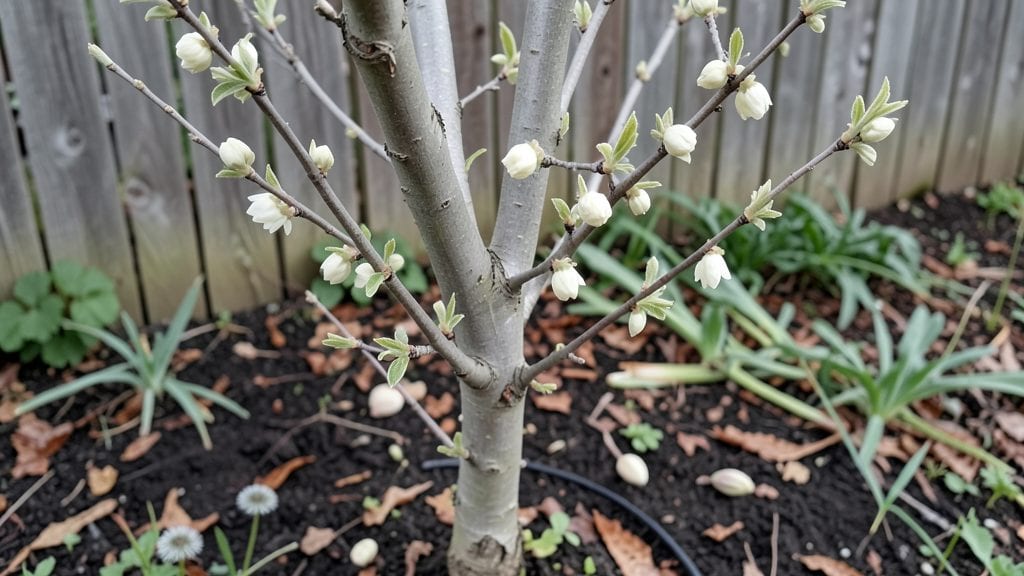
What does an almond tree look like—this sleek, upright tree soars 15 to 30 feet tall, its rounded, leafy canopy casting dappled shade in summer. 🌿 The bark is smooth and silvery-gray when young, developing deeper fissures as it matures, while its narrow, lance-shaped leaves (2-4 inches long) create a fine, feathery texture that catches the light beautifully.
In spring, pale pink blossoms burst in clusters along the branches, creating a breathtaking, almost fragrant cloud that lasts for weeks. By late summer, you’ll spot the distinctive almond fruit—oval-shaped nuts encased in a fuzzy, papery husk—hanging in tight clusters, a striking contrast to the tree’s glossy foliage.
This tree’s clean, structured form makes it a standout in orchards or as a specimen plant in large gardens, especially when paired with roses or lavender for a Mediterranean-inspired look. Unlike peach trees, its thinner branches and less dense canopy give it a more refined appearance.
For best results, plant it in full sun with well-draining soil, and watch as its elegant shape and seasonal transformations become the centerpiece of your landscape. The nuts themselves add a harvest-time bonus, too!
📚 In This Guide
- What you need
- Instructions
- Tips and common mistakes
- Wrapping up and next steps
What you need
- ● Basic identification guide: A smartphone or tablet with a camera (for close-up shots of leaves, bark, and flowers).
- ● Field notebook or app: Notion, Evernote, or even a simple notebook to jot down observations (e.g., leaf shape, tree height, or nut clusters).
- ○ Magnifying glass (optional but helpful): For inspecting fine details like leaf veins or flower structures.
- ● Ruler or measuring tape: To note the tree’s height or branch spread (almond trees typically grow 20–30 feet tall).
- ○ Gloves (optional): If handling rough bark or thorny branches (some varieties have slight prickles!).
- ● Knowledge of key features: Familiarize yourself with almond tree traits: Leaves: Lance-shaped, 1–3 inches long, with serrated edges.
- ● Flowers: Pink or white, 5-petaled, blooming in late winter/early spring (before leaves appear!).
- ● Nuts: Hard, woody shells in clusters, oval-shaped, and 1–1.5 inches long.
- ● Bark: Smooth and gray when young, becoming furrowed and rough with age.
- ● Best time to observe: Spring: For flowers and early leaves.
- ● Summer/Fall: For nuts and mature foliage.
- ● Location: Almond trees thrive in USDA Zones 5–10, so check your region’s climate compatibility!
How to identify an almond tree by its signature features
Recognizing an almond tree starts with its distinctive growth patterns and seasonal transformations.
🌿 Step 1: Examine the Leaf Shape and Arrangement
Almond tree leaves are oval with smooth, slightly rolled edges and a pointed tip. They grow in alternate patterns along the branches, creating a layered effect. When fully mature, leaves reach 3-5 inches long and have a silvery-gray underside that reflects light. This silvery hue helps distinguish them from similar-looking trees like peach or plum.
The leaves emerge late in spring, after the tree has already flowered, which is a key identifier. In early growth stages, the leaves appear soft and fuzzy before hardening into their characteristic smooth texture. Run your fingers along the leaf edges—they should feel slightly waxy, not rough or serrated.
🌱 Step 2: Observe the Flower Clusters and Blooming Pattern
One of the most striking features of an almond tree is its pink to lavender flower clusters that appear in late winter or early spring, often before the leaves emerge. These flowers grow in 3-5 inch long racemes along the branches, creating a dramatic display. The blossoms are fragrant, adding another sensory clue.
Watch for the timing—almond trees bloom earlier than many other fruit trees, often when temperatures reach 50-60°F. The flowers are followed by small, green seed pods that eventually develop into the familiar almond nuts. If you see these flowers in late winter, you're likely looking at an almond tree.
🪴 Step 3: Identify the Nut Clusters and Branch Structure
Almond trees produce oval-shaped nuts encased in a woody, green husk that turns brown as the nuts mature. These nuts grow in clusters along the branches, typically 1-2 inches long with a slightly ribbed texture. The nuts themselves are smooth and hard-shelled, often sold commercially in their familiar form.
The tree's branches are sturdy and spread outward, forming a rounded canopy that can reach 20-30 feet tall at maturity. Younger trees have a more upright growth habit, but as they age, the branches spread wider. Look for the distinctive horizontal branching pattern, which is common in many fruit trees but particularly pronounced in almonds.
⏰ Step 4: Note Seasonal Changes and Growth Cycles
Almond trees go through distinct seasonal changes that help with identification. In late fall, the leaves turn yellow or brown before dropping, leaving the tree bare until spring. This dormancy period is crucial for recognizing the tree in winter when it's devoid of leaves.
During summer, the tree produces new growth with fresh leaves and potential flower buds for the next season. The bark is smooth and gray when young but develops a rougher texture as the tree matures. Pay attention to the timing of leaf drop and new growth—almond trees are early bloomers but late leafers compared to other fruit trees.
Tips & tricks for identifying almond trees
Here's what nobody tells you about spotting these trees in the wild—details that make all the difference when distinguishing them from lookalikes.
Leaf Texture is Key: In Step 1, when examining those 3-5 inch long leaves, focus on the underside—the silvery-gray hue is your best friend. This reflective quality comes from fine hairs that distinguish almond leaves from similar oval-shaped leaves like peach or plum. Run your thumb along the leaf edge: almond leaves feel slightly waxy, not rough like cherry leaves or serrated like apple leaves. This subtle texture difference becomes obvious once you've examined a few trees.
Timing is Everything: The early spring blooming pattern in Step 2 is crucial—almond trees bloom before their leaves appear, often when temperatures reach 50-60°F. This timing difference separates them from many other fruit trees. Pro tip: If you see fragrant pink-to-lavender flowers in late winter without leaves, you're likely looking at an almond tree. The flowers' racemes (those 3-5 inch long clusters) are another distinctive feature that sets them apart from similar trees.
Nut Clusters Tell the Story: When you reach Step 3, focus on the nut clusters growing along the branches. Almond nuts are typically 1-2 inches long with a slightly ribbed texture, encased in a woody husk that turns brown as they mature. Unlike other nut trees, almonds grow in distinct clusters rather than solitary nuts. This clustering pattern combined with the oval shape makes them unmistakable once you know what to look for.
Pro Tips for What Does An Almond Tree Look Like
- Here's what nobody tells you about spotting these trees in the wild—details that make all the difference when distinguishing them from lookalikes.
- Leaf Texture is Key: In Step 1, when examining those 3-5 inch long leaves, focus on the underside—the silvery-gray hue is your best friend.
- Timing is Everything: The early spring blooming pattern in Step 2 is crucial—almond trees bloom before their leaves appear, often when temperatures reach 50-60°F.
Frequently asked questions
Got questions about almond trees?
Here’s a quick guide to the most common ones—whether you’re dreaming of planting one, curious about its growth, or just admiring its beauty from afar.
How big does an almond tree grow?
Mature almond trees typically reach 20 to 30 feet tall and spread 15 to 25 feet wide, depending on the variety. Dwarf varieties (like ‘Nonpareil’ or ‘Butte’) stay smaller—perfect for home gardens—while standard trees need space in orchards. Pruning helps control size and shape!
How long does it take for an almond tree to produce nuts?
Almond trees are slow starters—they usually take 3 to 5 years to bear fruit after planting. Young trees focus on root and branch growth first. Patience pays off: A healthy tree can yield 50–100 lbs of nuts per year once mature!
What do almond tree leaves look like?
Leaves are oval-shaped, 2–4 inches long, and have a slightly serrated edge with a silvery-gray underside (thanks to fine hairs). They’re dark green when young and turn yellow-brown in fall. No leaves? Check for pests or drought stress!
Why aren’t my almond tree’s flowers turning into nuts?
Almond trees are self-pollinating but need cross-pollination for full yields. Plant two compatible varieties (like ‘Nonpareil’ + ‘Carmel’) nearby. Other culprits: late frosts (damage flowers), poor soil (low nitrogen), or pests (like aphids). Test soil pH (6.0–7.5) and monitor for critters!
Can I grow an almond tree in a pot?
Yes, but it’s tricky! Dwarf varieties (like ‘Texas’) work best in large containers (15+ gallons) with well-draining soil. Move pots to sunny spots and water deeply when the top inch of soil dries. Expect smaller yields than ground-planted trees. Pro tip: Use a fast-draining mix (add perlite or sand) to avoid root rot.
Wrapping up and next steps
Now that you’ve explored the distinctive beauty and structure of an almond tree—from its silvery-gray bark and delicate pink blossoms to its glossy leaves and iconic nut clusters—you’re well-equipped to spot one in the wild or even dream of growing your own! 🌳 Whether you’re admiring its ornamental charm or envisioning a future harvest, almond trees bring a unique blend of aesthetic appeal and practical value to any landscape.
Ready to take the next step? Research local growing conditions or visit a nursery to bring this stunning tree into your garden—your future self (and snack time!) will thank you. 😊