
Pests
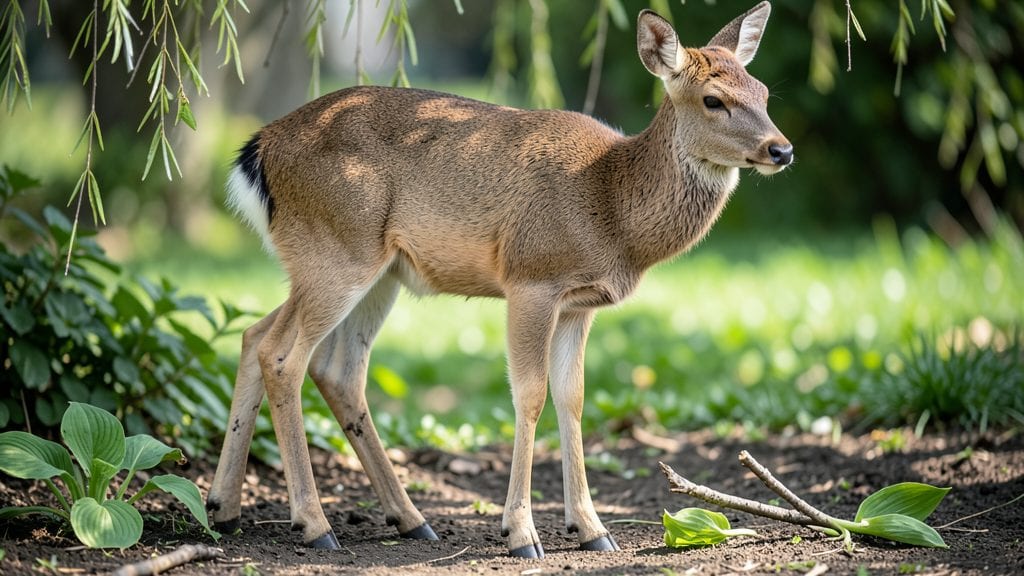
This weeping cherry tree, deer-resistant once I discovered the right blend of tricks and tougher plants, saved my garden—and my sanity. 🌿 The secret? Making it unappetizing while sharpening its built-in armor. Deer adore tender new growth, but with the right approach, you can keep those branches intact.
Start with deer-resistant companion plants like boxwoods or Russian sage around the base—they confuse deer and mask your cherry's scent. Add a spray repellent (like rotten egg or predator urine) every few weeks, especially after rain.
Prune strategically too: remove lower branches to create a "skirt" that deer can't reach, and avoid over-fertilizing with nitrogen-heavy feeds.
Within a season, you'll see fewer chewed leaves and more vibrant pink blooms in spring. The tree grows stronger, its canopy fills out, and those graceful branches stay intact. Deer move on to easier targets, and your landscape keeps its charm without constant battles.
Works best in areas with moderate deer pressure—urban edges or suburban yards. For heavy browsing zones, combine these methods with a lightweight fence (like woven wire) around the trunk. Your weeping cherry will thrive, and so will your sanity.
📚 In This Guide
- What you need
- Instructions
- Tips and common mistakes
- Wrapping up and next steps
What you need
- ● Weeping cherry tree (Prunus subhirtella or Prunus serrulata ‘Pendula’) – Choose a deer-resistant variety (e.g., grafted cultivars or those with bitter foliage). 1 sapling (3–5 gallons in container) is ideal for most yards.
- ● Shovel or trowel – For digging the planting hole. A garden spade (12–18 inches wide) works best for most soil types.
- ○ Native or deer-resistant companion plants – Optional but recommended for extra protection. Try boxwood, barberry, or Russian olive (1–3 plants).
- ● Organic mulch (3–4 inches) – Pine straw, wood chips, or shredded bark to retain moisture and deter deer. Avoid cedar mulch (can acidify soil).
- ● Slow-release fertilizer – 10-10-10 or 12-12-12 NPK ratio (1–2 lbs per tree). Look for organic options like bone meal or composted manure.
- ● Pruning shears – Bypass pruners (7–10 inches) for shaping and removing damaged branches.
- ● Garden hose with spray nozzle – For deep watering (aim for 1–1.5 inches per week).
- ○ Deer repellent (optional but helpful) – Commercial sprays (e.g., Deer Out, Liquid Fence) or homemade blends (garlic/chili pepper mix) for added protection during early growth.
- ● 🌡️ Soil test kit – Check pH (ideal: 6.0–7.0) before planting. Amend soil with lime (to raise pH) or sulfur (to lower pH) if needed.
- ● ✨ Tree guard or wire cage – 18–24 inches tall to protect young trunks from deer rubbing. Remove after 1–2 years.
- ○ 🎯 Drip irrigation system – Optional but convenient for consistent watering, especially in drought-prone areas.
Step-by-Step guide to planting a deer-resistant weeping cherry tree
Here's how to establish a living fence that deer won't touch—naturally.
🌱 Step 1: Select the Right Location and Variety
Choose a deer-resistant weeping cherry variety like 'Skyland' or 'Royal Burgundy', which have bitter bark and foliage deer avoid. Plant in full sun (at least 6 hours daily) where branches can cascade naturally—20-30 feet away from structures to allow mature spread. Test soil pH first; weeping cherries thrive in slightly acidic soil (6.0-6.5).
I always dig a hole twice as wide as the root ball but only as deep. The top of the root ball should sit 1-2 inches above ground level—this prevents rot from poor drainage. Loosen roots gently if they're circling the container, but don't tease them apart unless they're tightly bound.
☀️ Step 2: Prepare Soil and Plant with Proper Support
Amend native soil with 2-3 inches of compost mixed into the bottom of the hole—this improves drainage and provides nutrients. For clay soil, add 5 gallons of coarse sand to the backfill mix. Place the tree so its strongest branch faces the direction you want the weeping effect.
Stake the tree only if needed—weeping cherries have shallow roots and can girdle if tied too tightly. Use two 4-foot stakes placed 6 inches from the trunk and a wide, flexible tie that won't cut into the bark. Water deeply before backfilling to eliminate air pockets.
💧 Step 3: Water and Mulch for First-Year Establishment
Water deeply every 3-4 days for the first month, then taper to once a week (unless rainfall provides 1 inch). You'll know it's enough when water drains 6 inches down—stick a screwdriver in the soil to check. Overwatering is the #1 killer of young trees.
Apply 3 inches of mulch (wood chips or pine straw) in a 3-foot radius, keeping it 6 inches away from the trunk. This conserves moisture and suppresses weeds. Replenish mulch annually—never let it pile against the trunk, as it invites rot.
✂️ Step 4: Prune for Structure and Deer Deterrence
Prune in late winter (before buds swell) to remove dead, crossing, or inward-growing branches. Weeping cherries naturally develop a graceful arch—never prune more than 25% of the canopy in one year. Use clean, sharp pruners and seal cuts larger than ½ inch with pruning sealant to prevent disease.
Apply deer repellent spray (like Liquid Fence) in early spring and fall—this trains deer to avoid the tree. I also plant dwarf daffodils beneath the canopy; their toxicity deters browsing. Watch for sap-sucking insects like scale; treat with neem oil if you see sticky residue on leaves.
🪴 Step 5: Monitor and Maintain for Long-Term Health
Fertilize in early spring with 10-10-10 granular fertilizer (½ cup per year of growth). Water deeply after application to move nutrients into the root zone. Avoid high-nitrogen fertilizers—they encourage tender growth deer love.
Inspect the tree monthly for signs of stress: yellowing leaves (overwatering), brown edges (underwatering), or sawdust-like frass (pests). A mature weeping cherry (20+ feet wide) creates a natural privacy screen—just avoid planting near sidewalks, as dropped fruit can be messy.
Tips & tricks for perfect weeping cherry tree deer resistant living fences
These insights will help you establish a thriving deer-resistant living fence that grows into a stunning natural barrier.
The Variety Matters: While 'Skyland' and 'Royal Burgundy' are excellent choices, consider 'Stella Compact' for smaller spaces—it grows to about 15 feet wide while maintaining deer resistance. The key is selecting varieties with bitter foliage and bark that deer instinctively avoid. I've found that planting multiple varieties together creates a more robust barrier against browsing.
Soil Preparation Secret: In Step 2, when amending your soil with 2-3 inches of compost, add a handful of mycorrhizal fungi to the planting hole. These beneficial fungi form symbiotic relationships with tree roots, improving nutrient uptake and drought resistance—critical for young trees establishing themselves. For clay soil, mix in 5 gallons of coarse sand to prevent compaction around the roots.
Watering Wisdom: During the first month, when you're watering every 3-4 days, use a soaker hose placed at the base of the tree rather than overhead watering. This delivers water directly to the root zone while minimizing evaporation and fungal diseases. The 6-inch drainage check is crucial—if water pools on the surface, your hole needs better drainage or more compost.
Deer Deterrence Boost: In Step 4, after applying deer repellent spray, create a physical barrier around the base using hardware cloth (not chicken wire—deer can tear through it). Bury the hardware cloth 12 inches deep and extend it 2 feet outward from the trunk. This prevents deer from rubbing their antlers on the tree and creates a psychological barrier they'll avoid.
Pro Tips for Weeping Cherry Tree Deer Resistant
- These insights will help you establish a thriving deer-resistant living fence that grows into a stunning natural barrier.
- The Variety Matters: While 'Skyland' and 'Royal Burgundy' are excellent choices, consider 'Stella Compact' for smaller spaces—it grows to about 15 feet wide while maintaining deer resistance.
- Soil Preparation Secret: In Step 2, when amending your soil with 2-3 inches of compost, add a handful of mycorrhizal fungi to the planting hole.
Frequently asked questions
Got questions about keeping deer away from your weeping cherry tree while enjoying its beauty? Here are some common concerns—and their answers!
Why do deer usually avoid weeping cherry trees?
Deer typically steer clear of weeping cherry trees due to their bitter bark and mildly toxic leaves (especially in large quantities). While not 100% deer-proof, their fragrant blossoms and dense foliage make them less appealing than tender young shoots or herbaceous plants. For extra protection, pair them with deer-resistant companion plants like boxwood or lavender.
When is the best time to plant a weeping cherry tree to deter deer?
Plant in early spring or fall (before deer start browsing heavily). A well-established tree (3+ years old) is far less tempting than a sapling. Pro tip: Apply a deer repellent spray (like garlic-based options) during the first year to discourage nibbling while roots take hold.
What’s the most effective deer-resistant alternative if my weeping cherry gets damaged?
Consider these deer-deterrent trees with similar elegance:
- Japanese maple (mildly bitter leaves)
- Serviceberry (thorny branches + bitter taste)
- Oakleaf hydrangea (large leaves = less appealing)
My weeping cherry’s new growth is still getting chewed—what now?
Try these quick fixes:
- Physical barriers: Wrap the trunk with hardware cloth (12–18 inches high) or use deer netting over young branches.
- Repellents: Spray with rotten egg solution (1 tbsp ammonia + 1 gallon water) or commercial repellents like Liquid Fence.
- Motion-activated sprinklers (e.g., ScareCrow) startle deer without harm.
Can I prune a weeping cherry to make it less appealing to deer?
Prune lightly in late winter to remove browsed branches, but avoid heavy cuts—this can stress the tree and make it more vulnerable. Focus on shaping the canopy to create a denser, less accessible structure. Pro tip: Prune after deer activity peaks (spring) to encourage new, less palatable growth.
Wrapping up and next steps
Transforming your yard into a deer-resistant haven with a weeping cherry tree isn’t just possible—it’s beautiful and practical! 🌿 These trees offer year-round elegance while standing strong against hungry deer, making them a smart choice for both aesthetics and peace of mind.
Whether you’re planting one today or planning for spring, every step brings you closer to a lush, low-maintenance landscape.
Ready to take the next step? Start by selecting your tree—visit a local nursery or explore online options to find the perfect weeping cherry for your space. Then, grab your gloves and get planting! Your future self (and the deer in your neighborhood) will thank you. 🌸