
Pruning
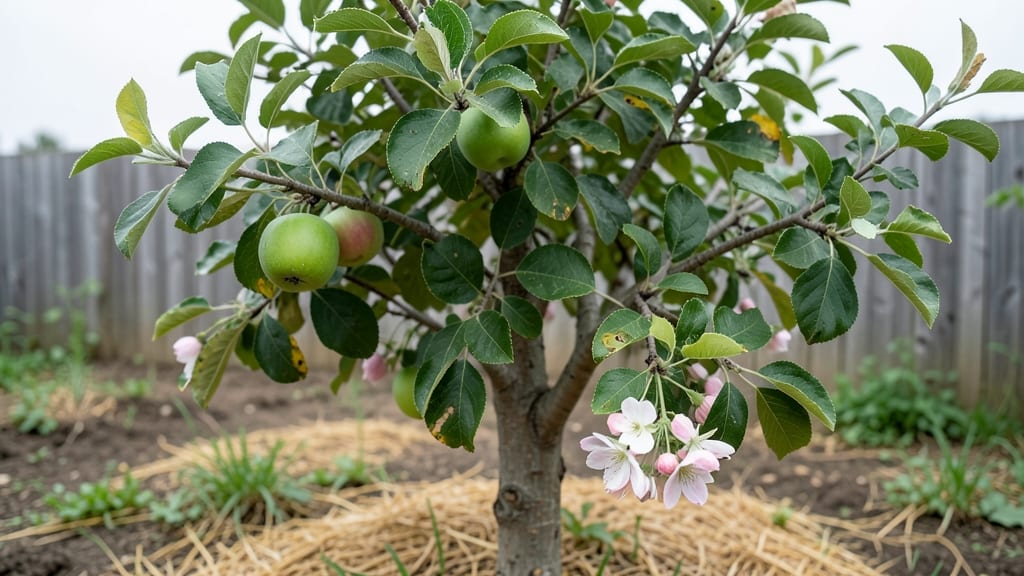
Growing a wax apple tree in the Pacific Northwest is like bringing a taste of the tropics to your backyard—except this one actually survives our frosts. 🌿 These trees produce those sweet, crunchy fruits that look like they belong in a tropical smoothie, but they’re tough enough for zones 9-11 and even some cold-hardy varieties that push into zone 8 with protection.
The secret to their success starts with the right spot: full sun, well-draining soil, and a location where they won’t get blasted by winter winds. In containers, they’re surprisingly adaptable—just move them indoors or under cover when temperatures dip below 20°F.
Propagation is easiest from grafted trees (they fruit faster), but seeds work if you’re patient and don’t mind waiting 5-10 years for fruit.
Pruning keeps them productive and shaped—focus on removing dead wood in late winter and thinning out crowded branches in early spring. When ripe, those wax apples fall easily (they’re not climbers), so harvest them before they hit the ground.
Store them in the fridge for 2-3 weeks—they’re best eaten fresh, but you can peel and slice them like an apple or eat them whole like a grapefruit.
Watch for scale insects and fungal spots, but these trees are generally low-maintenance compared to other fruit trees. With the right care, you’ll have a year-round tropical treat that actually thrives where you live—no greenhouse required.
📚 In This Guide
- What you need
- Instructions
- Tips and common mistakes
- Wrapping up and next steps
What you need
- ● Pruning shears (bypass or anvil type) – Choose sharp, high-quality shears (e.g., Felco F-2 or Gonicc) to make clean cuts. Size: 6-8 inches for small branches.
- ● Loppers – For thicker branches (up to 2 inches in diameter). Look for: Ratcheting or bypass-style loppers for precision.
- ● Pruning saw – For branches thicker than 2 inches. Recommended: Curved blade for smoother cuts.
- ● Garden gloves – Heavy-duty, cut-resistant gloves (e.g., Wright & McGill) to protect your hands from thorns and rough bark.
- ● Disinfectant (70% isopropyl alcohol or bleach solution) – 1 part bleach to 9 parts water to sterilize tools between cuts and prevent disease spread.
- ● Rubbing alcohol or hand sanitizer – For cleaning hands post-pruning.
- ○ Pruning sealant (optional but helpful) – A product like Tanglefoot Tree Wound Pruning Sealer to coat larger cuts and reduce sap oozing.
- ● Trash bags or compost bin – For collecting pruned branches and debris.
- ● Extension pole saw – If your tree is tall, this makes high branches more accessible.
- ● Marking spray or tape – To label branches for removal or highlight areas needing attention.
- ● Knee pads or a small stool – For comfort while working close to the ground.
- ● Notebook and pen – To jot down notes on pruning decisions or tree health observations.
Step-by-Step guide to planting and caring for a wax apple tree
Here's how to grow this Pacific Northwest favorite with minimal fuss.
🌱 Step 1: Choose the Right Location and Planting Time
Wax apple trees thrive in USDA zones 7-10, making them perfect for the Pacific Northwest's mild winters. Plant in early spring after the last frost date—typically March to April in most PNW regions. The tree needs full sun to partial shade (at least 6 hours of sunlight daily), but it tolerates light shade better than many fruit trees.
Pick a spot with well-draining soil—wax apples hate soggy roots. If your soil is heavy clay, amend it with 3-4 inches of compost mixed into the top 12 inches of soil. Dig a hole twice as wide as the root ball but only as deep—planting too deep suffocates the roots. Water the hole thoroughly before placing the tree inside.
🪴 Step 2: Plant and Support Young Trees
Set the tree in the hole so the root flare (where roots meet the trunk) sits 1-2 inches above soil level. This prevents water from pooling around the trunk. Backfill with native soil, tamping gently to remove air pockets. Water deeply to settle the soil and eliminate gaps.
Stake young trees if needed—wax apples grow 15-25 feet tall and need support in windy PNW regions. Use two stakes placed 12-18 inches from the trunk and tie the tree loosely with soft fabric strips (never wire). Mulch around the base with 2-3 inches of organic mulch (wood chips or straw), keeping it 6 inches away from the trunk to prevent rot.
☀️ Step 3: Water and Fertilize for Healthy Growth
Water deeply once a week during the first growing season, aiming for 1-1.5 inches of water per week. Check soil moisture by sticking your finger 2 inches deep—if it feels dry, water again. Once established (after 2-3 years), wax apples are drought-tolerant but produce better fruit with consistent moisture. Avoid overhead watering to prevent fungal diseases.
Fertilize in early spring with a balanced 10-10-10 fertilizer, applying ½ pound per year of tree age (e.g., 1 pound for a 2-year-old tree). Spread fertilizer 6 inches from the trunk and water it in. Avoid high-nitrogen fertilizers—they promote leafy growth at the expense of fruit. Wax apples need cross-pollination, so plant two trees for fruit production.
✂️ Step 4: Prune for Shape and Fruit Production
Prune in late winter or early spring before buds swell. Remove dead, diseased, or crossing branches first, then thin the canopy to improve airflow. Aim for an open-center shape—this lets sunlight reach inner branches where fruit develops. Cut back overly vigorous growth by ⅓ to encourage bushier growth.
Never prune more than 25% of the canopy in one season. Wax apples respond well to light pruning—focus on shaping rather than heavy cuts. After pruning, apply dormant oil spray (if pests were an issue last year) and water the base to help recovery. You'll see new growth within 4-6 weeks—this is your cue that pruning worked.
🍎 Step 5: Harvest and Maintain for Long-Term Success
Wax apples ripen in late summer to early fall, typically August to September in the PNW. They’re ready when the skin turns yellow-green and yields slightly to gentle pressure. Harvest by twisting gently—the fruit should detach easily without tearing. Store in a cool, dark place for up to 2 weeks or refrigerate for 4-6 weeks.
In fall, apply a 2-inch layer of mulch around the base (but not touching the trunk) to protect roots from winter chill. Wax apples are frost-hardy to 15°F, but young trees benefit from burlap wraps in extreme cold. Every 3-5 years, fertilize lightly in early spring to maintain vigor. With proper care, your tree will produce sweet, fragrant fruit for decades.
Tips & tricks for perfect wax apple tree care
A few simple tricks will help you grow a thriving wax apple tree that produces fruit for years to come.
Location and Soil Prep: Don't rush the soil preparation in Step 1—this is where your tree's success begins. If your yard has heavy clay soil, mix in that 3-4 inches of compost thoroughly into the top 12 inches of soil. I like to add a handful of sand too for better drainage. The goal is to create a loose, airy environment for those roots to spread out comfortably.
Staking Strategy: When staking young trees in Step 2, use two stakes positioned at a 45-degree angle from the trunk, not straight up. This creates a more stable triangle shape that better supports the tree in windy conditions. Also, tie the tree loosely—you want it to move slightly in the wind to strengthen its trunk naturally.
Watering Wisdom: The 1-1.5 inches of water per week guideline in Step 3 is perfect, but timing matters too. Water in the morning so the foliage has time to dry out before evening. This simple habit prevents fungal diseases that can plague young trees. I've seen many growers make this mistake and end up with leaf spot issues.
Pruning Precision: When pruning in Step 4, look for branches that grow directly inward—they're called "water sprouts" and they compete with fruit-bearing branches. Cut these back to the main trunk to improve airflow and fruit production. Remember, you're shaping the tree's future fruit production, not just making it look pretty.
Pro Tips for Wax Apple Tree
- A few simple tricks will help you grow a thriving wax apple tree that produces fruit for years to come.
- Location and Soil Prep: Don't rush the soil preparation in Step 1—this is where your tree's success begins.
- Staking Strategy: When staking young trees in Step 2, use two stakes positioned at a 45-degree angle from the trunk, not straight up.
Frequently asked questions
Got questions about growing and caring for your wax apple tree? You’re not alone! Here are some of the most common queries from gardeners in the Pacific Northwest—and their straightforward answers.
What’s the best time to plant a wax apple tree in my region?
The ideal time to plant a wax apple tree (Syzygium malaccense) in the PNW is during early spring or late fall, when soil temperatures are mild. This gives roots time to establish before summer heat or winter frost. If planting in fall, do it at least 6 weeks before the first frost to avoid stress. Pro tip: Amend clay-heavy PNW soil with compost for better drainage!
How cold can a wax apple tree tolerate?
While wax apple trees are frost-resistant, they thrive best in USDA Zones 10–12. In the PNW, young trees may need winter protection (e.g., frost cloth) if temps dip below 25°F. Mature trees can handle brief dips to 20°F, but prolonged cold can damage leaves or fruit. Choose a sheltered spot near a building or hedge for extra warmth.
Why aren’t my wax apple tree’s fruits ripening?
Several factors can delay ripening: insufficient sunlight (6+ hours daily), poor pollination (hand-pollinate with a brush if needed), or nutrient deficiencies (test soil for nitrogen/phosphorus). In the PNW’s cooler climate, fruits may take longer to mature—patience is key! If fruits stay green, check for pests like fruit flies or scale insects.
Can I grow a wax apple tree in a container?
Yes! Use a large container (20+ gallons) with drainage holes and a well-draining potting mix. Choose a dwarf variety if space is limited. Keep the container in full sun and water consistently—containers dry out faster. In winter, move pots to a garage or wrap them in insulation to protect roots from freezing PNW temps.
When and how should I prune my wax apple tree?
Prune in late winter or early spring (before new growth) to shape the tree and remove dead/diseased branches. Use sterilized tools to make clean cuts at a 45° angle. Avoid heavy pruning—wax apple trees produce fruit on older wood. Thin out crowded branches to improve airflow, reducing fungal risks common in damp PNW climates.
Wrapping up and next steps
Growing a wax apple tree in the Pacific Northwest isn’t just rewarding—it’s a resilient and delicious adventure! 🌿 With its frost-hardy nature and low-maintenance care, this fruit tree is perfect for both beginner and seasoned gardeners.
Whether you’re pruning for shape, health, or harvest, remember that patience and proper technique are your best tools.
Ready to take the next step? Start small—plant your tree in a sunny spot, follow the pruning tips you’ve learned, and watch it thrive. Before you know it, you’ll be enjoying homegrown wax apples straight from your own backyard! 🍏✨