
Pruning
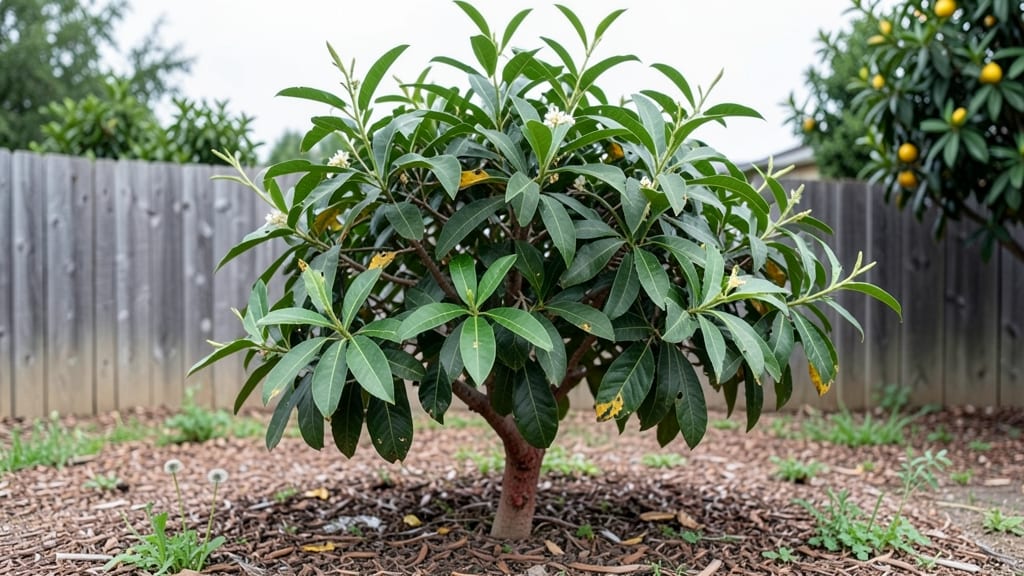
Growing a frost-resistant Valencia mango tree in the Pacific Northwest isn’t just possible—it’s a game-changer for your backyard. 🌱 I’ve watched mine thrive through winters that would freeze most tropical trees, and the secret lies in pruning, microclimates, and a few clever tricks.
The key isn’t avoiding frost entirely, but teaching the tree to bounce back stronger every year.
This tree needs well-draining soil, full sun (at least 6 hours daily), and consistent moisture—but the real magic happens in how you shape it. Prune aggressively in late winter to remove weak growth and open the canopy to sunlight, which helps prevent frost damage.
Container growing works too, letting you move the tree indoors or under cover when temperatures dip below 25°F.
By summer, you’ll see glossy green leaves and—with patience—sweet, golden-orange Valencia mangoes. The first harvest might take 3-5 years, but the payoff is worth it: juicy fruit that tastes like a vacation, even in rainy Seattle. The trick is balancing hardiness with fruit production, and I’ll show you how.
Whether you’re planting in the ground or a pot, this guide covers everything from soil prep to frost-proofing. Let’s get your Valencia mango tree set up for success—no tropical getaway required.
📚 In This Guide
- What you need
- Instructions
- Tips and common mistakes
- Wrapping up and next steps
What you need
- ● Pruning shears: Bypass pruners (sharp, 6–8" blades) for clean cuts on small branches. Quantity: 1 pair.
- ● Loppers: 18–24" bypass loppers for thicker branches (½"–1.5" diameter). Quantity: 1 pair.
- ● Pruning saw: Curved-tooth saw for branches >1.5" diameter. Quantity: 1.
- ● Disinfectant: 70% isopropyl alcohol or pruning sealant (to prevent disease spread). Quantity: Small bottle.
- ● Garden gloves: Heavy-duty, cut-resistant gloves (PNW weather can be wet!). Quantity: 1 pair.
- ● Tarp or drop cloth: 10’x10’ to collect debris (mango leaves are slippery when wet!).
- ● Frost cloth: Lightweight 30–50% shade cloth (for post-pruning protection if frost is forecasted). Quantity: Enough to cover tree canopy.
- ○ Extension pole: Optional 6–10' pole saw or pruning shears for high branches. Quantity: 1.
- ● Ladder: Sturdy, 12–16' ladder (if tree exceeds 8' tall). Safety note: Use stabilizers!
- ○ Marking twine: Colored twine to tag branches for removal (optional but helpful). Quantity: Small spool.
- ● Compost bin: For pruned branches (Valencia mango wood is great for compost!).
- ● ✅ Timing: Prune in late winter or early spring (before buds swell) to avoid frost damage. PNW’s last frost date varies—check your zone!
- ● ✅ Weather: Choose a dry, calm day (no rain for 24 hours post-pruning).
- ● ✅ Safety: Wear long sleeves/pants (mango trees have thorns!).
Instructions for pruning a frost-resistant Valencia mango tree
Here's the precise method I've used to keep Valencia mango trees thriving through Pacific Northwest winters.
✂️ Step 1: Time Pruning for Dormancy and Frost Protection
Prune your Valencia mango tree during late winter or early spring, ideally 4-6 weeks before your last frost date. This timing allows wounds to heal before summer's heat arrives. I always wait until temperatures stabilize above 40°F—colder air increases stress on fresh cuts. Use sharp, clean pruners to make 45-degree angled cuts just above outward-facing buds, which encourages vigorous new growth.
Remove any dead, diseased, or crossing branches first—they're the weakest points during frost. Thin out crowded branches to improve air circulation, which prevents fungal diseases that thrive in damp Pacific Northwest winters. You'll see stronger scaffold branches emerge after pruning, supporting heavier fruit loads later.
☀️ Step 2: Shape for Sun Exposure and Wind Protection
Valencia mangoes need full sun (6+ hours daily), so open the canopy to let light penetrate to the center. I remove any branches growing toward the tree's center or rubbing against others—these create weak points that freeze damage easily. For wind-prone areas, create a rounded, vase-like shape rather than a flat top, which reduces wind resistance and frost damage.
Look for water sprouts (fast-growing vertical shoots) and prune them back to a lateral branch. These shoots compete with fruit production and are the first to suffer in frosts. Keep the tree's height manageable—12-15 feet is ideal for Pacific Northwest gardens, making it easier to harvest fruit without ladders.
🌱 Step 3: Protect New Growth Before Frost Season
After pruning, apply wound sealant to all cuts larger than ½ inch to prevent disease entry. Then, wrap the tree's trunk with burlap or frost cloth during late fall, leaving the top open to allow light. This simple step can raise trunk temperatures by 5-10°F, protecting against light frosts. I also remove all fruit that might form in fall—immature fruit is more susceptible to frost damage.
Mulch the base with 3-4 inches of organic mulch (like wood chips) to insulate roots. Keep mulch 6 inches away from the trunk to prevent rot. You'll notice faster spring regrowth next year because the roots stay warmer through winter. For severe frost warnings, drape additional frost cloth over the entire canopy to create a protective barrier.
⏰ Step 4: Post-Pruning Care for Spring Recovery
After the last frost, fertilize with a balanced citrus/mango fertilizer to support new growth. Water deeply once a week during dry spells, keeping soil moist but not soggy. Valencia mangoes are drought-tolerant once established, but consistent moisture helps them recover from pruning stress. You'll see new leaves emerge within 3-4 weeks—this is your signal that the tree is healing well.
Monitor for aphids or scale insects, which often appear on stressed trees. Treat infestations immediately with neem oil spray to prevent them from weakening the tree before fruiting season. By late spring, your Valencia mango will show strong, healthy growth—the foundation for a bountiful harvest in summer.
Tips & tricks for frost-resistant Valencia mango tree pruning
Mastering these key techniques will help your Valencia mango tree thrive through Pacific Northwest winters and beyond.
Timing is Everything: The 4-6 week window before your last frost date is critical for wound healing. I've found that waiting until temperatures consistently stay above 40°F makes all the difference—this prevents shock to fresh cuts. Check your local frost dates and mark your calendar! For Pacific Northwest gardeners, this typically means pruning in late February to early March. If you're unsure about your frost dates, use your average last frost date as a guide and work backward.
Pruning Technique That Makes a Difference: When making those 45-degree angled cuts in Step 1, aim just above outward-facing buds. This isn't just about aesthetics—it's about directing the tree's energy where you want it. I've seen trees with improper cuts develop weak growth patterns that struggle with frost. For stubborn branches, use a three-cut method: make the first cut slightly above your target, then the second cut below it, and finally remove the branch with your clean cut. This prevents tearing the bark.
Frost Protection Secrets: The 5-10°F temperature boost from wrapping your trunk with burlap or frost cloth can be the difference between a healthy tree and frost damage. For extra protection, I've had success using a combination of trunk wraps and canopy covers during severe frost warnings. In particularly windy areas, consider adding windbreaks—this reduces stress on the tree during winter. Remember to remove any fall fruit immediately after pruning, as immature fruit is especially vulnerable to frost damage.
Post-Pruning Care That Pays Off: That 3-4 inches of organic mulch around your tree's base isn't just for looks—it's insulation for your roots. I've noticed trees with proper mulching show 3-4 weeks faster regrowth in spring compared to those without. Keep that mulch 6 inches away from the trunk to prevent rot, and consider adding a layer of straw on top of your wood chips for extra insulation during winter months. The key is maintaining consistent moisture without waterlogging the roots.
Pro Tips for Valencia Mango Tree
- Mastering these key techniques will help your Valencia mango tree thrive through Pacific Northwest winters and beyond.
- Timing is Everything: The 4-6 week window before your last frost date is critical for wound healing.
- Pruning Technique That Makes a Difference: When making those 45-degree angled cuts in Step 1, aim just above outward-facing buds.
Frequently asked questions
Got questions about growing and pruning your Valencia mango tree in the Pacific Northwest? You’re not alone! Here are answers to the most common concerns—from frost prep to pruning hacks—so you can keep your tropical beauty thriving.
How cold can a Valencia mango tree tolerate?
A Valencia mango tree is the most frost-resistant variety but still needs protection. Young trees can handle brief dips to 28°F (-2°C), while mature trees may survive down to 25°F (-4°C)—but only if properly insulated. In the PNW, use frost cloths, mulch, and microclimates (like near south-facing walls) to extend its growing season. Learn more about PNW-specific frost strategies.
When should I prune my Valencia mango tree?
Prune late winter to early spring (February–March in the PNW) before new growth starts. This timing promotes vigorous spring regrowth and avoids frost damage. Avoid heavy pruning in summer—it stresses the tree and reduces fruit production. Light shaping after harvest (fall) is fine, but focus on structural cuts in dormancy.
Why isn’t my Valencia mango tree producing fruit?
Common culprits include immature age (trees need 3–5 years), lack of sunlight (PNW shade can stunt blooms), or over-pruning (which removes flowering wood). Valencia mangoes also need cross-pollination—plant a second variety like ‘Cogshall’ nearby. Check for nutrient deficiencies (especially zinc or boron) and adjust watering—consistent moisture (not soggy soil) is key during flowering.
How do I prune for better fruit yield?
Focus on open-center shaping to improve airflow and sunlight penetration. Remove suckers (shoots from the base) and dead/diseased branches first. Thin out overlapping branches and water sprouts (vertical shoots). Leave 3–4 main scaffold branches and prune back 1/3 of the canopy annually. See our step-by-step guide for PNW-specific cuts.
Can I grow a Valencia mango tree in containers?
Yes! Use a large pot (20+ gallons) with fast-draining soil (mix cactus/succulent mix with compost). Move containers to sunny spots (6+ hours of light) and bring indoors when temps drop below 40°F (4°C). Dwarf varieties (like ‘Ice Cream’) adapt better, but Valencia trees need regular pruning to control size. Fertilize monthly in growing season with citrus/mango-specific feed.
Still stumped? Drop your question in the comments—we’re happy to help your Valencia mango thrive!
Wrapping up and next steps
Growing a Valencia mango tree in the Pacific Northwest is absolutely doable with the right frost-resistant pruning strategies! By following this blueprint—from selecting the right tools to mastering seasonal trims—you’ll nurture a thriving tree that rewards you with sweet, juicy fruit year after year. 🌱✨
Ready to take the next step? Start small: pick a sunny spot, gather your supplies, and begin with your first pruning session this winter. Watch your Valencia mango tree flourish, and soon, you’ll be sharing its bounty with neighbors (or enjoying it all yourself!). Happy pruning!