Pruning
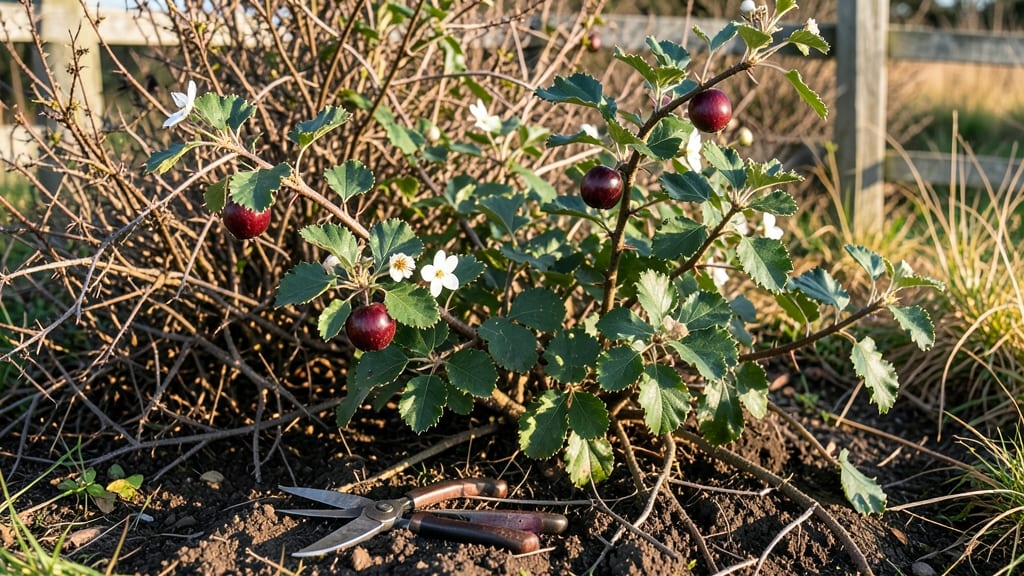
When your Pachypodium lamerei starts choking out native plants in the Pacific Northwest, it’s time to act—before the invasive spread takes over. 🌱 This striking succulent, often called Tree of Life, can become a garden menace if left unchecked, smothering delicate ferns and crowding out understory species.
The key isn’t just pruning; it’s strategic containment to protect your local ecosystem while keeping the plant from becoming a wildfire hazard.
Here’s the hard truth: aggressive pruning is your first line of defense, but timing matters. Late spring or early summer, when new growth is active but before seeds disperse, is your best window.
Use sharp, sterilized shears to cut back invasive stems by at least one-third, focusing on the thickest, most aggressive branches. For severe cases, root pruning in early spring can weaken its spread—though this requires digging deep, about 12-18 inches down.
What you’ll end up with is a managed plant that stays striking without dominating your garden. Native pollinators will return to the understory, and your soil won’t dry out as quickly from the Tree of Life’s thirsty roots.
The trade-off? Less dramatic height, but way more balance. This method works for both established plants and younger ones—just adjust the pruning intensity based on how fast it’s spreading.
For the Pacific Northwest’s wetter climate, mulch heavily with wood chips after pruning to suppress regrowth and retain moisture for native plants.
If the invasion’s already out of control, consider gradual removal over 2-3 seasons—never yank the whole plant at once, or you’ll create a gaping wound that invites weeds. Think of it as a marathon, not a sprint, to restore your garden’s natural harmony.
📚 In This Guide
- What you need
- Instructions
- Tips and common mistakes
- Wrapping up and next steps
What you need
- ● Pruning shears or bypass pruners – Sharp, clean, and sterilized (alcohol wipe or bleach solution). Quantity: 1 pair (avoid dull tools—they crush stems!).
- ● Heavy-duty gloves – Thick, cut-resistant (e.g., leather or Kevlar). Why? The Tree of Life has spiky branches!
- ● Disinfectant solution – 1 part bleach to 9 parts water (or 70% isopropyl alcohol). Quantity: Small spray bottle or bowl.
- ● Rubbing alcohol (70% or higher) – For sterilizing tools between cuts. Quantity: Small bottle.
- ● Compost or well-draining cactus/succulent soil – Quantity: Enough to refresh the root zone (1–2 gallons). Pro tip: Mix in perlite for drainage!
- ○ Rooting hormone (optional but helpful) – For propagating cuttings. Quantity: Small packet or gel.
- ● Plastic or paper bags – For collecting pruned debris. Quantity: 2–3 bags (to avoid mess!).
- ● Watering can with a narrow spout – For post-pruning hydration. Quantity: 1.
- ● Safety goggles – Protects eyes from sap or debris.
- ● Hose with adjustable nozzle – For rinsing tools and cleaning up sap.
- ● Pruning saw – If dealing with very thick branches (rare but possible in mature plants).
- ● Plant food (balanced fertilizer) – Diluted to half-strength for post-pruning recovery.
- ● Landscape fabric – To mulch around the base and suppress weeds.
- ● ✅ Check the weather: Prune on a dry, overcast day (or early morning) to avoid stressing the plant.
- ● ✅ Wear long sleeves/pants: The Tree of Life’s spines are serious—no shorts or sandals!
- ● ✅ Work in a well-ventilated area: Some may find the milky sap irritating.
- ● ✅ Have a trash bag ready: Dispose of pruned material immediately to prevent regrowth.
How to prune invasive Tree of Life in the Pacific Northwest
Here's the straightforward method I've used to manage aggressive Tree of Life growth while keeping your landscape healthy.
✂️ Step 1: Identify and Prepare for Pruning
First, put on your thick gloves and safety glasses—Tree of Life branches have sharp thorns that can draw blood. I always work on a dry day when the branches aren't slippery. Grab your pruning shears and loppers (for thicker branches) and examine the plant carefully. Look for these key signs: water sprouts (fast-growing vertical shoots), crossing branches (rubbing against each other), and dead or diseased wood.
Real talk: If you're dealing with a large, established Tree of Life, you might need a pruning saw for the thickest branches. I like to start small—removing just the most obvious problem areas first—so I don't get overwhelmed. This plant grows aggressively, so you'll want to make cuts that encourage healthier growth patterns rather than just hacking away.
🌿 Step 2: Remove Problematic Growth First
Start with the water sprouts—these are the fast-growing, vertical shoots that sap energy from the rest of the plant. Cut these back to a bud or lateral branch that's growing outward. I angle my cuts slightly above the bud so water runs off, not pools and rots. For any branches that are crossing or rubbing, remove the smaller one entirely at its base. This prevents wounds that can invite pests or disease.
Here's the thing—don't remove more than 25% of the plant's foliage at once. Tree of Life is resilient, but you don't want to stress it too much. You'll see healthier growth in the areas you've pruned if you've made clean cuts. If a branch is dead or diseased, cut it back to the nearest healthy growth. Burn or dispose of diseased wood immediately—don't compost it.
⏰ Step 3: Thin the Canopy for Better Airflow
Next, focus on thinning the canopy to improve airflow and sunlight penetration. Look for branches that are growing inward or downward—they create dense spots where moisture gets trapped. Remove these branches back to a side branch or bud that's growing outward. I like to step back every few cuts to visualize the plant's shape. The goal is to create an open, airy structure that lets light reach the lower branches.
You'll notice the plant starts to look more balanced as you work. Avoid "lion's tailing," which is cutting back too much at the top—this can leave the plant looking odd and stunted. Instead, aim for a natural, rounded shape. If you're unsure about a cut, I always err on the side of leaving more foliage. You can always prune more later, but you can't regrow what you've cut off.
💧 Step 4: Clean Up and Monitor for Recovery
After pruning, clean your tools with rubbing alcohol to prevent spreading diseases between cuts. I also like to apply a wound dressing to larger cuts—this helps seal the wound and reduces the risk of infection. Water the base of the plant deeply to help it recover from the stress of pruning. Avoid fertilizing immediately, though—let the plant focus on healing first.
Watch the Tree of Life closely over the next few weeks. You should see new growth emerging from the buds you left behind. If you notice any yellowing leaves or wilting, it might be a sign of over-pruning or stress. In the Pacific Northwest, late spring or early summer is the best time to prune—this gives the plant plenty of time to recover before winter. If you prune in fall, avoid heavy cuts that might not heal before the cold sets in.
☀️ Step 5: Maintain Pruning for Long-Term Control
Invasive Tree of Life needs regular maintenance to keep it from spreading uncontrollably. I recommend pruning 2-3 times a year: once in late spring to shape the plant, again in early summer to remove any new water sprouts, and a final light pruning in early fall to tidy up. This keeps the plant healthy and prevents it from becoming too aggressive in your landscape.
Here's where it gets fun—once you've established a routine, you'll start to recognize the plant's growth patterns. You'll know exactly which branches to watch for and when to make your cuts. Over time, your Tree of Life will become a well-behaved, beautiful addition to your garden instead of an invasive nuisance. Just remember: consistency is key. A little pruning now saves a lot of work later.
Tips & tricks for pruning invasive Tree of Life
These practical tips will help you prune like a pro while keeping your Pacific Northwest landscape thriving.
Safety First: Those thorns are no joke—wear thick gloves and safety glasses at all times. I learned this the hard way after getting pricked while reaching for a stubborn branch. For extra protection, consider long sleeves and pants. Also, work on dry days when branches aren't slippery from morning dew, which happens frequently in our Pacific Northwest climate.
Tool Selection Matters: In Step 1, you'll need the right tools for different branch sizes. For branches thicker than a pencil, use loppers. For anything larger, grab your pruning saw. I always keep a small brush nearby to clean up debris after making cuts—this helps prevent disease spread between branches. For the thickest branches, I've found that a folding pruning saw gives me the most control in tight spaces.
Make Clean Cuts: When removing water sprouts in Step 2, angle your cuts just above a bud or lateral branch. This technique encourages new growth in the right direction. I like to make my cuts at a 45-degree angle—this helps water run off rather than pool at the cut site. For larger branches, use a sharp pruning saw to avoid tearing the bark, which can invite pests and diseases common in our damp Pacific Northwest climate.
Seasonal Timing: The instructions mention late spring or early summer, but I've found that morning sessions work best—cooler temperatures and lower humidity reduce stress on the plant. In our region, avoid heavy pruning after September, as the plant needs time to heal before winter. If you must prune in fall, stick to light maintenance and never remove more than 10% of the foliage.
Pro Tips for Tree Of Life Invasive
- These practical tips will help you prune like a pro while keeping your Pacific Northwest landscape thriving.
- Safety First: Those thorns are no joke—wear thick gloves and safety glasses at all times.
- Tool Selection Matters: In Step 1, you'll need the right tools for different branch sizes.
Frequently asked questions
Got questions about managing your Tree of Life (Pachypodium lamerei) in the Pacific Northwest? You’re not alone—this striking succulent can be tricky to keep in check, especially when it spreads invasively. Below, we’ve rounded up the most common concerns and practical solutions to keep your garden thriving without the chaos.
When is the best time to prune my Tree of Life to prevent invasiveness?
Prune your Tree of Life in early spring (March–April) before new growth starts. This timing helps redirect energy to healthier, controlled growth while minimizing stress. Avoid pruning in late fall or winter, as cold Pacific Northwest weather can hinder recovery. Pro tip: If you spot aggressive suckering in summer, light trimming is okay—but save major pruning for spring!
How do I tell if my Tree of Life is becoming invasive?
Watch for these red flags: excessive suckering at the base, crowded stems that outcompete other plants, or roots spreading aggressively into nearby garden beds. In the PNW’s mild climate, Tree of Life can thrive year-round, so regular checks (every 4–6 weeks) help catch issues early. If left unchecked, it may even self-seed—yes, it’s that persistent!
Can I prune back my Tree of Life too much? What’s the risk?
While pruning encourages bushier growth, over-pruning (cutting more than 1/3 of the plant at once) can stress it, especially in cooler PNW summers. Stick to selective trimming of dead or overcrowded stems. If you’re aggressive, your Tree of Life might slow its growth or become more vulnerable to rot. Think of it like a haircut—less is more for long-term health!
Does the Pacific Northwest’s rainy climate affect Tree of Life pruning?
Wet conditions
increase the risk of fungal issues (like stem rot) after pruning. Always use sterilized tools and let cuts dry for 24 hours before rain. If pruning during the PNW’s wetter months (Oct–Mar), space cuts out to reduce moisture exposure. A light dusting of cinnamon on wounds can also help prevent infection—nature’s band-aid!
Are there non-pruning alternatives to control Tree of Life spread?
Yes! Try these low-effort methods:
- Mulching: Apply 3–4 inches of gravel or bark mulch around the base to suppress suckers.
- Container growing: Plant in deep pots (12+ inches) to limit root spread.
- Succulent barriers: Use landscape fabric or edging to block underground runners.
- Selective removal: Dig up and compost unwanted suckers (don’t toss them—they’ll regrow!).
Wrapping up and next steps
Pruning the Tree of Life (Pachypodium lamerei) in the Pacific Northwest isn’t just about aesthetics—it’s a powerful way to protect local ecosystems and revitalize your garden. By following the right techniques, you’ll curb invasiveness while keeping your plant (and neighbors’) spaces thriving. 🌿
Ready to take action? Start by scheduling your first pruning session this season—whether it’s trimming back aggressive growth or shaping young plants. Every cut counts toward a healthier, more balanced landscape! 🌱