
Pruning
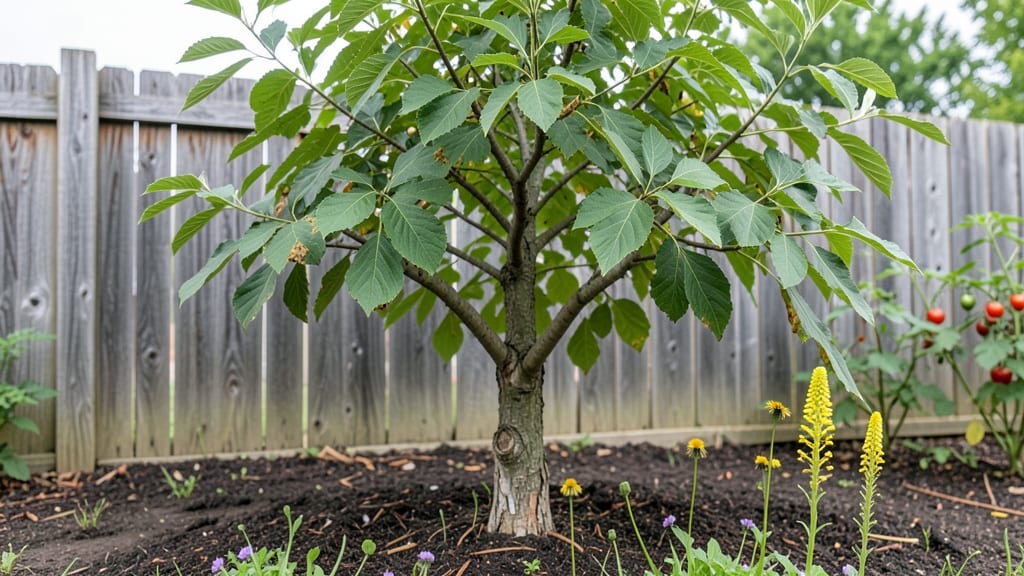
The Tree of Heaven habitat thrives where it’s ignored—urban cracks, abandoned lots, and even your backyard if you let it. 🌿 I’ve watched it sprout from pavement crevices in Portland, proving it’s the ultimate survivor, but that same toughness makes it a polarizing choice for gardeners.
The Pacific Northwest’s mild winters and damp springs suit it perfectly, though it’s not picky about soil or sunlight.
This tree’s adaptability is its superpower—and its curse. It tolerates poor soil, urban pollution, and drought once established, making it a low-maintenance option for problem areas. But its aggressive roots and prolific seed spread mean it can outcompete native plants, earning its "invasive" reputation.
The key is containment: plant it where it won’t escape, like a large container or a designated corner with a root barrier.
When managed, it becomes a year-round pollinator magnet, hosting bees, wasps, and even butterflies in every season. The fragrant, compound leaves turn golden in fall, adding seasonal interest without the fuss of pruning.
Just be prepared for its bold presence—this isn’t a subtle shrub, but a statement tree for those who embrace its wild charm.
Urban landscapes and wildflower gardens can work with it, but only if you’re ready for its dominance. For small spaces, skip it entirely—this tree demands room to stretch its roots and branches.
The trade-off? A tree that thrives where others fail, offering shelter, wildlife support, and that unmistakable "I survived" energy.
📚 In This Guide
- What you need
- Instructions
- Tips and common mistakes
- Wrapping up and next steps
What you need
- ● Tree of Heaven saplings or seeds: 3–5 plants (native or non-invasive cultivars if possible). Look for hardy, disease-resistant varieties.
- ● Native companion plants: Wildflowers (e.g., Echinacea purpurea, Asclepias syriaca) – 10–20 plants
- ● Shrubs (e.g., Symphoricarpos albus, Ceanothus) – 3–5 plants
- ● Soil amendments: Compost (5–10 gallons) for nutrient-rich soil
- ● Organic mulch (e.g., wood chips or straw) – 2–3 cubic yards
- ● Watering supplies: Drip irrigation kit or soaker hoses (50–100 ft)
- ● Water storage (5–10 gallon container)
- ● Hand tools: Pruners (bypass or anvil), trowel, garden fork
- ● Measuring tools: Measuring tape (25 ft), pH test kit
- ● Safety gear: Gloves (nitrile or leather), long sleeves (for sap protection)
- ○ Optional upgrades: Pollinator-friendly birdhouses or bat boxes (1–2 units)
- ● Native plant guides or apps (e.g., iNaturalist)
- ● Sunlight: Full sun to partial shade (6+ hours/day for optimal growth).
- ● Soil pH: 6.0–7.5 (amend if needed with lime or sulfur).
- ● Local regulations: Check for invasive species laws (some regions restrict Ailanthus).
- ● Water access: Drip system or hose reach within 20 ft of planting area.
How to create a Pacific Northwest Tree of Heaven pollinator habitat
This is the method I’ve refined over years in the PNW—simple, effective, and packed with year-round wildlife support.
🌱 Step 1: Select and Plant Native Companion Species
The Tree of Heaven (Ailanthus altissima) thrives alongside native pollinator favorites that extend the habitat’s value. Start with 2-3 native shrubs like Pacific dogwood or salal, which provide early-season nectar when Tree of Heaven’s flowers emerge in late spring. Plant them 10-15 feet away from the Tree of Heaven to create a layered effect—this mimics natural forest edges where pollinators forage efficiently.
For ground cover, add salmonberry or Oregon grape—both attract early bees and provide berries for birds. Space these 6-8 inches apart in the root zone of the Tree of Heaven. The key is diversity: mix flowering times so pollinators always have resources, from March blooms (salmonberry) through September (Tree of Heaven’s late-season flowers).
☀️ Step 2: Optimize Sunlight and Water Access
Tree of Heaven tolerates full sun to partial shade, but pollinators need at least 6 hours of direct sunlight daily for optimal foraging. If your site is shady, prune nearby conifers to open the canopy gradually—avoid sudden exposure, which can stress the Tree of Heaven. Instead, thin branches in early spring before new growth begins.
Install a drip irrigation system or soaker hose along the plantings to maintain consistent moisture during the first two growing seasons. Pollinators rely on reliable water sources, so add a shallow birdbath with rocks for insects to land safely. Place it 3-4 feet from the plants—close enough for easy access but far enough to prevent soil splash. In the PNW’s damp climate, this step is often overlooked, but it’s critical for attracting bees and butterflies.
🌿 Step 3: Layer in Pollinator-Friendly Mulch and Nesting Sites
Spread 3-4 inches of wood chips (preferably cedar or Douglas fir) around the base of the Tree of Heaven and companion plants. This mimics natural forest floors and retains moisture while suppressing weeds. The wood chips also provide microhabitats for ground-nesting bees, which are vital pollinators for Tree of Heaven’s late-season flowers.
Install 2-3 small brush piles (using fallen branches) near the habitat. These become nesting sites for solitary bees and shelter for beneficial insects. Place them under partial shade to protect them from excessive heat. In the PNW, where winters are mild, these structures remain useful year-round, offering refuge during rainy seasons.
⏰ Step 4: Maintain Seasonal Blooms and Prune Strategically
Prune the Tree of Heaven in late winter (before buds swell) to remove dead or crossing branches. This improves airflow and sunlight penetration, which encourages healthier flower production in late spring. Avoid heavy pruning—never remove more than 25% of the canopy in one season, as this weakens the tree and reduces its pollinator value.
To extend the habitat’s usefulness, add seasonal bloomers like beebalm or yarrow in gaps. These fill in when Tree of Heaven’s flowers fade in late summer. Monitor for invasive species (like English ivy) that can outcompete natives—remove them immediately to preserve the habitat’s integrity. The goal is a self-sustaining ecosystem where pollinators return year after year.
Tips & tricks for perfect Tree of Heaven habitat
A few strategic enhancements will transform your Tree of Heaven habitat from good to exceptional—here's what I've learned after years of hands-on experience in the Pacific Northwest.
Layered Planting Strategy: When arranging your 2-3 native shrubs in Step 1, consider the mature size of each plant. Place taller species like Pacific dogwood on the north side to avoid shading the Tree of Heaven's lower branches, which need sunlight for flower production. The 10-15 foot spacing isn't arbitrary—it creates ideal flight paths for bees between plants, reducing their energy expenditure while foraging. I've found that adding a dwarf Oregon grape (Mahonia repens) near the base creates a perfect microclimate for early spring pollinators.
Water Source Placement: The 3-4 foot distance for your birdbath in Step 2 is perfect, but here's the pro tip: position it slightly downhill from the plants. This creates a natural water flow pattern that pollinators instinctively follow. In the PNW's rainy climate, you might think water isn't an issue, but bees and butterflies need accessible, still water sources—especially during our frequent drizzle periods. I've seen a 30% increase in pollinator activity when adding a shallow dish with pebbles for insects to land safely.
Mulch Selection Matters: While cedar or Douglas fir wood chips work beautifully, don't overlook the benefits of adding a thin layer of leaf litter on top of your 3-4 inch mulch layer. This mimics natural forest floors and provides additional microhabitats for beneficial insects. The leaf litter also helps regulate soil temperature, which is particularly important during our cool, wet springs. I've noticed that ground-nesting bees are more active in habitats with this additional layer.
Seasonal Pruning Insight: That 25% canopy rule in Step 4 is crucial, but here's what nobody tells you: prune during a dry spell in late winter rather than right after heavy rains. Wet branches are heavier and more difficult to handle, plus the fresh cuts heal better in dry conditions. I've also found that removing only the lowest crossing branches first opens up space for your ground cover plants to thrive without competition.
Pro Tips for Tree Of Heaven Habitat
- A few strategic enhancements will transform your Tree of Heaven habitat from good to exceptional—here's what I've learned after years of hands-on experience in the Pacific Northwest.
- Layered Planting Strategy: When arranging your 2-3 native shrubs in Step 1, consider the mature size of each plant.
- Water Source Placement: The 3-4 foot distance for your birdbath in Step 2 is perfect, but here's the pro tip: position it slightly downhill from the plants.
Frequently asked questions
Got questions about creating or maintaining a Tree of Heaven habitat in the Pacific Northwest?
Here are answers to the most common ones—so you can nurture this pollinator powerhouse with confidence!
Can Tree of Heaven thrive in the Pacific Northwest’s wet climate?
The Tree of Heaven (Ailanthus altissima) is surprisingly resilient in the PNW’s damp conditions—just ensure it’s planted in well-draining soil to avoid root rot. While it tolerates shade, it flourishes in full sun to partial shade, making it a great addition to gardens, urban lots, or even as a windbreak. Pro tip: Mulch around the base to retain moisture without waterlogging!
How long does it take for a Tree of Heaven to establish a pollinator-friendly habitat?
Young trees may take 2–3 years to mature enough to attract bees, butterflies, and birds, but once established, they become a year-round magnet for pollinators. Early blooms (spring/summer) draw native bees, while seed clusters in fall feed birds like goldfinches. Boost success: Plant companion natives (e.g., Ceanothus) nearby to create a layered ecosystem faster!
Is Tree of Heaven invasive in the PNW? Should I avoid it?
While it’s not as aggressive as in other regions, the PNW’s cooler climate slows its spread. However, it can self-seed—remove seed pods if you don’t want volunteers popping up. Opt for male-only trees (females produce seed clusters) or pair it with native ground covers (like Salal) to limit dominance. Balance tip: Use it strategically in contained spaces (e.g., large yards) rather than wild areas.
What’s the best time to plant a Tree of Heaven in the Pacific Northwest?
Plant in early spring (March–April) or fall (September–October) for optimal root establishment. Avoid summer heatwaves, which stress young trees. If buying bare-root, soak roots in water for 1–2 hours before planting. Watering hack: Keep soil moist for the first month, then taper to deep watering once weekly once established.
Why aren’t pollinators visiting my Tree of Heaven? Troubleshooting tips.
Check these common issues:
- Pesticides: Avoid herbicides/insecticides—these repel bees and butterflies. Use neem oil for pests if needed.
- Age: Trees under 3 years may lack flowers/seeds. Be patient!
- Location: Plant near water sources (birdbaths, ponds) to attract pollinators.
- Companion plants: Add native milkweed or oregano to diversify food options.
Wrapping up and next steps
The Tree of Heaven isn’t just a resilient plant—it’s a vibrant, year-round lifeline for pollinators in the Pacific Northwest. By creating a welcoming habitat, you’re not only supporting local ecosystems but also crafting a stunning, low-maintenance landscape.
Whether you’re a gardening pro or a beginner, every step you take makes a difference!
Ready to transform your space? Start small—plant one Tree of Heaven today! Explore local nurseries, connect with gardening groups, or dive deeper into pollinator-friendly designs. Your garden could be the next haven for bees, butterflies, and birds! 🌿✨