Pruning
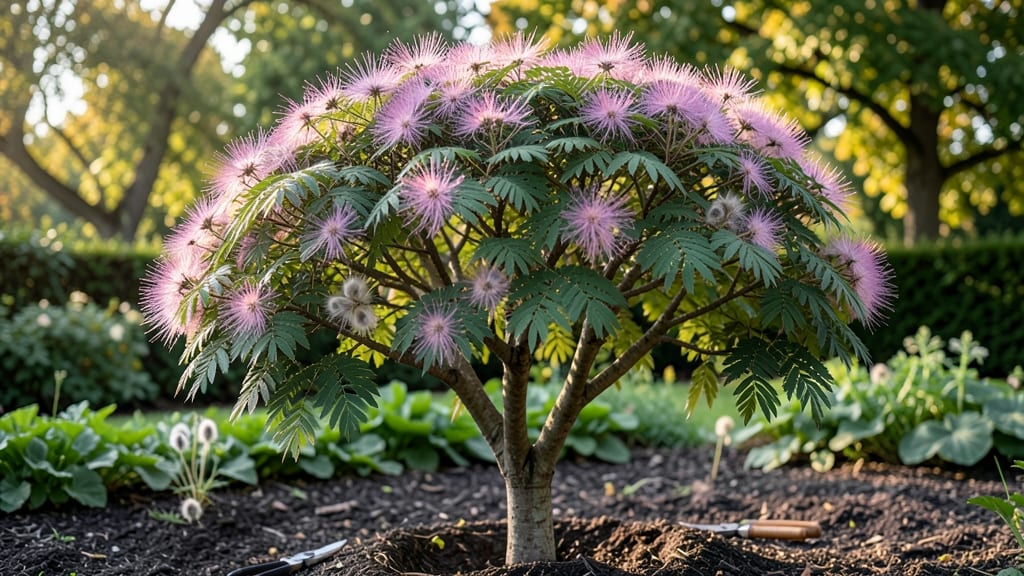
Planting a royal smoke tree in your Pacific Northwest garden means year-round hummingbird traffic and foliage that shifts from chartreuse to deep burgundy. 🌿 I remember the first time mine burst into those wispy, smoke-like plumes—it looked like magic, not just a shrub.
This hardy beauty thrives in zones 5-8, making it perfect for our rainy climate.
The secret to its success is simple: well-draining soil, full sun, and minimal fuss. My tree grows happily in average garden soil with occasional watering—drought-tolerant once established. The key is pruning in late winter to shape it and encourage those signature plumes, which hummingbirds adore for their nectar-rich flowers.
By midsummer, you’ll have a vibrant centerpiece that draws pollinators and adds drama to any landscape. The foliage’s color changes with the seasons, giving you free seasonal interest without extra work. Even better, it’s deer-resistant and low-maintenance once planted.
Works beautifully as a standalone specimen, in mixed borders, or even as a small tree in larger landscapes. Let’s get yours growing strong for years of effortless beauty and bird activity!
📚 In This Guide
- What you need
- Instructions
- Tips and common mistakes
- Wrapping up and next steps
What you need
- ● Royal Smoke Tree: 1–3 nursery-grown plants (choose ‘Royal Purple’ or ‘Grace’ cultivars for vibrant foliage).
- ● Pruning shears: Sharp, bypass-style shears (20–24" blade length) for clean cuts.
- ● Loppers: 1 pair (for thicker branches, up to 2" diameter).
- ● Hand pruners: Small, precise pruners (for delicate trimming).
- ● Gloves: Heavy-duty gardening gloves (to protect from thorns and sap).
- ● Disinfectant: 70% isopropyl alcohol or garden disinfectant (to sterilize tools between cuts).
- ● Mulch: 2–3 inches of organic mulch (e.g., wood chips or bark) to retain moisture.
- ● Extension pole: For high branches (10–12 ft).
- ● Hose or watering can: For post-pruning hydration.
- ● Fertilizer: Slow-release, balanced fertilizer (10-10-10 ratio) for established trees.
- ● Plant support: Stakes or cages (if planting in windy PNW areas).
- ● Bird-friendly additions: Nearby nectar-rich flowers (e.g., bee balm or penstemon) to attract hummingbirds year-round! 🐦
Step-by-Step instructions for planting and cultivating royal smoke trees
Here's how to establish these striking Pacific Northwest natives for maximum hummingbird activity and garden drama.
🪴 Step 1: Select and Prepare the Planting Site
The royal smoke tree thrives in full sun to partial shade—at least 6 hours of direct sunlight daily—but tolerates light shade in hotter inland areas. Choose a location with well-draining soil; these trees despise soggy roots. I always test drainage by digging a 12-inch hole and filling it with water—if it doesn’t drain within 2 hours, amend the soil with 3-4 inches of compost mixed into the top 12 inches of native soil.
Royal smoke trees grow 15-25 feet tall and wide, so space them 15-20 feet apart for mature size. If planting near structures, account for their horizontal spread—roots can extend 10 feet beyond the canopy. I like to plant them near patios or walkways where their fragrant foliage and showy plumes create a natural focal point.
🌱 Step 2: Plant Bare-Root or Container-Grown Trees
For bare-root trees, soak the roots in lukewarm water for 1-2 hours before planting to revive them. Dig a hole twice as wide as the root ball but no deeper—planting too deep suffocates the roots. Loosen the roots gently if they’re circling and position the tree so the top of the root flare sits 1-2 inches above ground level. This prevents rot while allowing the roots to access oxygen.
Backfill with native soil mixed with 1 part compost to improve fertility. Water deeply to settle the soil, then create a 2-inch-deep watering basin around the base. For container-grown trees, remove the pot and inspect the roots—if they’re circling, trim them with clean pruners before planting. Mulch with 3 inches of wood chips (keeping mulch 6 inches away from the trunk) to retain moisture and regulate soil temperature.
☀️ Step 3: Water and Fertilize for Establishment
Water deeply 2-3 times per week for the first 2 months to encourage deep root growth. You’ll know you’re watering correctly when the soil 4 inches down stays consistently moist but not waterlogged. Overwatering is the fastest way to kill these trees—yellowing leaves usually mean roots are drowning. After establishment, royal smoke trees are drought-tolerant once mature, but young trees need consistent moisture.
Fertilize once in early spring with a balanced 10-10-10 fertilizer (follow package rates). I avoid high-nitrogen fertilizers—they promote leafy growth at the expense of those showy flower plumes hummingbirds adore. A light application of fish emulsion in early summer provides organic nutrients without burning the roots. Stop fertilizing by mid-summer to allow the tree to harden off for winter.
✂️ Step 4: Prune for Shape and Flower Production
Prune in late winter or early spring before new growth begins. Remove dead, diseased, or crossing branches first—these compete with healthy growth. Thin out 10-20% of the canopy to improve air circulation, which reduces fungal diseases like powdery mildew. I always prune just above a bud or lateral branch to encourage bushier growth and more flowering sites.
Royal smoke trees flower on new wood, so avoid heavy pruning in fall or winter—you’ll sacrifice next year’s blooms. If a branch grows too large or becomes unsightly, prune it back to a strong lateral branch rather than cutting it flush to the trunk. The tree’s pinkish-red summer foliage and smoky purple plumes make it a standout, but proper pruning keeps it looking its best year-round.
🌿 Step 5: Protect and Maintain for Long-Term Health
In the Pacific Northwest’s rainy winters, royal smoke trees handle moisture well, but windburn can scorch young leaves. If planting in exposed areas, consider a windbreak (like a fence or shrub row) for the first 2 growing seasons. Mulch annually in early spring to replenish organic matter—3 inches of wood chips works perfectly. Avoid piling mulch against the trunk, as this invites rot.
Watch for aphids or spider mites on new growth—spray with neem oil if you see sticky residue or webbing. These trees are deer-resistant, but young saplings may need physical barriers if local deer populations are high. Once established, royal smoke trees require minimal care—just annual pruning, occasional fertilizing, and watering during droughts to keep them thriving for decades.
Tips & tricks for perfect royal smoke tree cultivation
These pro-level insights will help you grow a thriving royal smoke tree that becomes a hummingbird magnet and garden showstopper.
Soil Preparation Secret: The 2-hour drainage test in Step 1 is non-negotiable. I've seen too many royal smoke trees fail because of soggy roots—these trees are tough but not swamp-loving. If your soil drains poorly, consider planting on a slight mound or creating a raised bed. The 3-4 inches of compost mixed into the top 12 inches of soil acts like a moisture buffer, preventing both drought stress and waterlogging. Think of it as creating the perfect Goldilocks zone for roots.
Root Care Technique: When planting bare-root trees in Step 2, don't be tempted to rush the 1-2 hour soak. This hydration step revives the roots and gives you a better chance of successful establishment. I like to add a splash of seaweed extract to the soaking water—it contains natural growth hormones that help kickstart root development. After planting, the 2-inch watering basin is crucial; it directs water exactly where the roots need it most during those critical first weeks.
Watering Wisdom: The 2-3 times per week watering schedule in Step 3 might seem straightforward, but timing matters just as much as quantity. Water in the early morning so the foliage has all day to dry, preventing fungal issues. I've found that checking soil moisture at 4 inches down with a moisture meter (or your finger) is more reliable than counting days. If the soil feels damp at that depth, hold off watering—these trees are more forgiving of drought than overwatering.
Pruning Pro Tip: When thinning 10-20% of the canopy in Step 4, focus on removing branches that cross or rub against each other. These are the weak points where diseases enter. I always make my cuts just above a bud or lateral branch—this encourages the tree to fill out beautifully rather than creating stubby wounds. Remember, you're shaping the tree's future flowering sites when you prune now.
Pro Tips for Royal Smoke Tree
- These pro-level insights will help you grow a thriving royal smoke tree that becomes a hummingbird magnet and garden showstopper.
- Soil Preparation Secret: The 2-hour drainage test in Step 1 is non-negotiable.
- Root Care Technique: When planting bare-root trees in Step 2, don't be tempted to rush the 1-2 hour soak.
Frequently asked questions
Got questions about growing and caring for your Royal Smoke Tree (Cotinus)?
Here are some of the most common ones—plus quick answers to keep your plant thriving in the Pacific Northwest’s unique climate.
How often should I prune my Royal Smoke Tree?
Prune your Cotinus in late winter or early spring (before new growth starts) to shape it and encourage dense foliage. Light trimming can also happen in summer to control size, but avoid heavy cuts then—it may stimulate tender new growth vulnerable to frost. Pro tip: Use sterilized tools to prevent disease!
Is Royal Smoke Tree cold-hardy enough for the PNW?
Royal Smoke Trees thrive in USDA zones 4–8, making them perfect for the Pacific Northwest’s cool, wet winters. They tolerate down to -30°F (-34°C), though young plants may need winter mulch for extra protection. Bonus: Their smoky purple plumes add winter interest!
Why aren’t my Royal Smoke Tree’s leaves turning purple?
Purple foliage fades due to too much direct sun, over-fertilizing (especially with nitrogen), or poor drainage. Try moving it to partial shade or amending clay soil with compost. Troubleshoot: Check for overwatering—Royal Smoke Trees prefer well-draining soil.
How do I attract more hummingbirds to my Royal Smoke Tree?
Hummingbirds love Cotinus for its tiny summer flowers and nectar-rich plumes! Plant it near other pollinator-friendly species (like penstemon or bee balm) and add a hummingbird feeder nearby. Avoid pesticides—hummingbirds are sensitive to them. Pro tip: Red flowers (like Salvia) work best too!
Can I grow Royal Smoke Tree in a container?
Yes! Dwarf varieties like ‘Royal Purple’ thrive in 15–20 gallon containers with fast-draining mix (cactus soil + perlite). Use a pot with drainage holes and replant every 2–3 years to refresh roots. Warning: Containers dry out faster—water deeply when the top inch of soil feels dry.
What’s a good alternative if my Royal Smoke Tree isn’t working?
If you want similar color and hummingbird appeal, try:
- Smoke Bush (Cotinus hybrids) – More compact varieties like ‘Grace’ or ‘Ancot’.
- Ninebark (Physocarpus) – Tough, purple-leaved shrub with berries for birds.
- Spirea (Spiraea) – ‘Goldflame’ offers fiery foliage and attracts pollinators.
All three handle PNW’s rain and wind well!
Wrapping up and next steps
The Royal Smoke Tree isn’t just a stunning addition to your Pacific Northwest garden—it’s a year-round hummingbird magnet and a low-maintenance superstar! With the right pruning techniques, you’ll keep it thriving, encourage vibrant blooms, and support local wildlife. 🌿
Ready to transform your yard? Grab your tools, follow the steps above, and enjoy the rewards of a healthy, buzzing Royal Smoke Tree. Your garden—and the hummingbirds—will thank you! 🦉💚