
Pruning
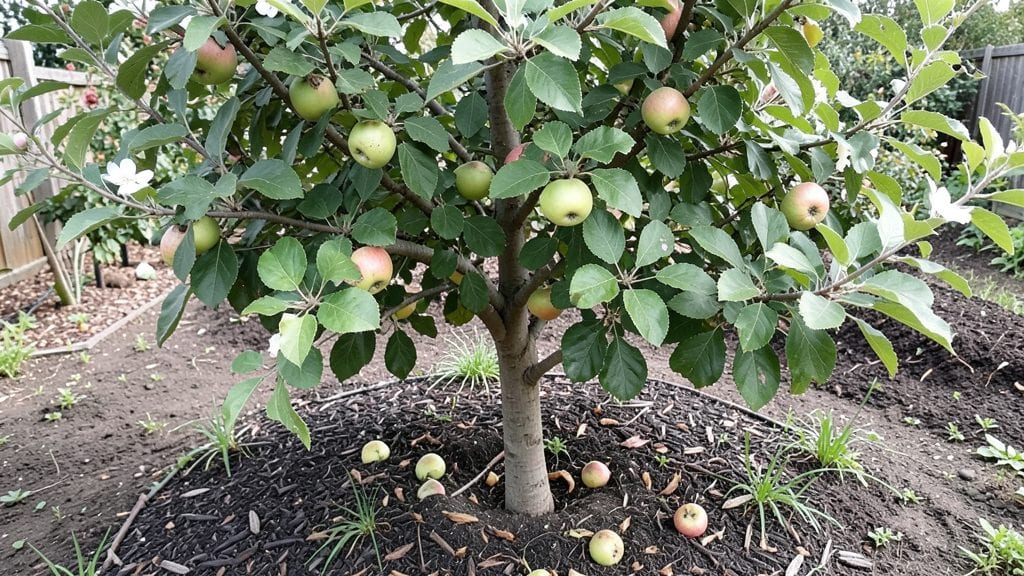
A surprise apple tree tucked into your Pacific Northwest garden turns ordinary spaces into whimsical havens—where hummingbirds dart through blossoms year-round and minimal pruning keeps the magic effortless. 🌿 I planted mine in a corner where no one expected it, and now it’s the centerpiece of our fairy-tale backyard, its branches heavy with fruit and visitors alike.
The secret lies in dwarf varieties like 'Golden Delicious' or 'Honeycrisp,' which thrive in small yards and urban gardens without needing acres of space. Pair it with climbing roses or lavender for a layered look, and place a birdbath nearby to attract hummingbirds—your tree will become their favorite pit stop.
Minimal pruning means less work and more enjoyment, with just a few cuts to shape the tree and encourage blooms.
Imagine summer afternoons spent under its shade, autumns filled with crisp, homegrown apples, and winters when the bare branches still host curious birds. The tree’s unexpected placement makes it a conversation starter, while its low-maintenance nature keeps it stress-free. You’ll wonder how you ever gardened without one.
Works in containers for balconies, as a focal point in cottage gardens, or even near patios where the scent of blossoms lingers. The Pacific Northwest’s mild climate makes it ideal—just choose the right variety and let nature do the rest.
Ready to transform your space into a surprise? Let’s get started.
📚 In This Guide
- What you need
- Instructions
- Tips and common mistakes
- Wrapping up and next steps
What you need
- ● Apple tree sapling: Choose a dwarf or semi-dwarf variety (e.g., 'Gala,' 'Fuji,' or 'Honeycrisp') for easier pruning and smaller space needs. 1 sapling (3–5 years old, bare-root or potted).
- ○ Hummingbird-friendly plants: Add native NW species like salal (Gaultheria shallon), red elderberry (Sambucus racemosa), or salmonberry (Rubus spectabilis) for nectar. 3–5 small plants (optional but highly recommended!).
- ● Organic mulch: 3–5 cubic yards of cedar chips, wood shavings, or straw to retain moisture and suppress weeds.
- ● Pruning tools: Bypass pruners (for small branches) – 1 pair (sharp, bypass-style for clean cuts).
- ● Loppers (for thicker branches) – 1 pair (with 4–6" cutting capacity).
- ● Hand saw (for stubborn branches) – 1 (with a curved blade).
- ● Safety gear: Work gloves (gardening-grade, cut-resistant) – 1 pair.
- ● Safety goggles – 1 pair (to protect from debris).
- ● Planting supplies: Shovel (round-point or digging shovel) – 1.
- ● Garden hose or watering can – 1 (with spray nozzle).
- ● Compost or fertilizer (balanced 10-10-10 or organic option) – 5–10 lbs.
- ● A sunny location with at least 6–8 hours of direct sunlight daily (partial shade is okay in hotter PNW summers).
- ● Well-draining soil (amend with compost if your soil is clay-heavy).
- ● Access to a water source (tree needs 10–20 gallons weekly during the first year).
- ● Local knowledge: Check with your county extension office for PNW-specific apple varieties and frost dates!
- ● Hummingbird feeder (red, nectar-filled) – 1–2 (place near the tree for extra appeal!).
- ● Tree support stake (bamboo or metal) – 1–2 (if planting in windy areas).
- ● Reflective mulch (black or silver plastic) – 1 roll (to deter voles and warm roots).
- ● Birdhouse or bat box – 1 (to encourage pollinators!).
How to create a Pacific Northwest hummingbird haven with a surprise apple tree
This low-maintenance approach turns any yard into a vibrant, year-round hummingbird magnet.
🌱 Step 1: Select the Right Apple Tree Variety for Hummingbirds
Choose a dwarf or semi-dwarf apple tree bred for Pacific Northwest climates—varieties like 'Gala', 'Fuji', or 'Honeycrisp' produce abundant blooms hummingbirds adore. These trees thrive in USDA zones 5-8 and tolerate the region's wet winters. Avoid crabapples; their small fruit doesn’t sustain birds as well.
Here's the thing—hummingbirds are drawn to open, flat blossoms with easy access to nectar. Plant your tree where it gets full sun (6-8 hours daily) but with afternoon shade protection during summer. The PNW’s mild summers mean you won’t need to worry about heat stress during bloom season.
🪴 Step 2: Plant in Well-Draining Soil With Strategic Mulching
Dig a hole twice as wide as the root ball but only as deep. Loosen the roots gently if they’re circling—this encourages outward growth. The Pacific Northwest’s acidic, loamy soil is ideal, but amend with compost if your soil is heavy clay. Mix in a slow-release fertilizer (like 10-10-10) to give the tree a nutrient boost.
Backfill with native soil, tamp lightly, then water deeply. Spread 3-4 inches of wood chips or bark mulch around the base, keeping it 3 inches away from the trunk to prevent rot. This mulch mimics the forest floor, retains moisture, and suppresses weeds—critical in the PNW’s damp climate.
☀️ Step 3: Encourage Year-Round Blooms for Hummingbirds
Prune only in late winter (February-March) to remove dead wood and shape the tree. Hummingbirds rely on early spring blooms for nectar after winter, so avoid heavy pruning that delays flowering. Leave some winter-damaged branches—they provide perching spots for birds and shelter for insects.
Add a small water feature (like a shallow dish with pebbles) near the tree. Hummingbirds drink every 10-15 minutes during migration, and the PNW’s frequent rain means they’ll appreciate a reliable source. Place it within 10 feet of the tree so they associate it with food.
🌿 Step 4: Supplement With Native Plants for Extended Visits
Plant native PNW shrubs like red-flowering currant (Ribes sanguineum) or salmonberry (Rubus spectabilis) nearby. These bloom before your apple tree in spring and again in summer, extending the hummingbird season. Avoid invasive species—they disrupt local ecosystems.
Leave some fruit on the tree into fall. Overripe apples ferment and create a natural "hummingbird buffet." While most fruit will drop, leaving 10-15 apples ensures late-season visitors have an easy meal before migration. This is the moment that matters: a tree that feeds birds year-round becomes a legendary stopover.
⏰ Step 5: Maintain Minimal Care for Long-Term Success
Water deeply once a week during the first growing season, then taper to every 2-3 weeks once established. The PNW’s rainfall usually handles the rest—just check the soil 2 inches down before watering. Overwatering in winter causes root rot, which hummingbirds won’t thank you for.
Apply compost annually in early spring to replenish nutrients. Hummingbirds notice healthy trees—they’re drawn to vibrant foliage and abundant blooms. Avoid pesticides; even "organic" sprays can harm these tiny pollinators. Let the tree’s natural defenses (like ladybugs) handle pests instead.
Tips & tricks for perfect Pacific Northwest hummingbird haven
A few strategic choices will transform your yard into a hummingbird paradise that thrives year-round.
Location is Everything: When selecting your planting site in Step 1, prioritize areas with morning sun and afternoon shade—this mimics the forest understory where hummingbirds naturally forage. The PNW's mild summers mean you can avoid harsh afternoon heat that stresses both trees and birds. I've noticed hummingbirds prefer spots near existing bird activity, so consider planting near other pollinator-friendly plants you may already have.
Root Ball Strategy: In Step 2, when loosening the roots, focus on the outer edges where roots naturally circle. This encourages outward growth rather than upward, which helps the tree establish faster in our wet climate. After planting, create a shallow basin around the base to direct water straight to the roots—this prevents runoff in those heavy PNW rains we all love to hate.
Pruning Precision: The late winter pruning in Step 3 is your chance to create natural perches for hummingbirds. Leave some branches with small diameters (about pencil thickness) that birds can comfortably land on. These branches also provide shelter for insects that hummingbirds rely on for protein. I always make my cuts at a 45-degree angle just above a bud or branch fork—this promotes better healing and growth.
Water Feature Placement: For the water feature in Step 3, position it slightly uphill from the tree if possible. This creates a natural funnel that directs hummingbirds toward your apple tree's blossoms. The shallow dish should have pebbles or floating plants to give birds safe landing spots—they're more likely to drink if they don't feel vulnerable. Change the water every 2-3 days to prevent mosquito breeding, which can actually harm hummingbirds.
Pro Tips for Surprise Apple Tree
- A few strategic choices will transform your yard into a hummingbird paradise that thrives year-round.
- Location is Everything: When selecting your planting site in Step 1, prioritize areas with morning sun and afternoon shade—this mimics the forest understory where hummingbirds naturally forage.
- Root Ball Strategy: In Step 2, when loosening the roots, focus on the outer edges where roots naturally circle.
Frequently asked questions
Got questions about growing a surprise apple tree in the Pacific Northwest? You’re not alone! Here are some of the most common queries—and their answers—to help you get started with confidence.
How long does it take for a surprise apple tree to bear fruit?
A surprise apple tree (like the Malus 'Surprise' variety) typically starts producing fruit within 3–5 years after planting, though some may take longer depending on climate and care. Patience is key—these trees are worth the wait for their year-round interest and delicious harvests!
When is the best time to plant a surprise apple tree in the PNW?
The ideal time to plant is in early spring (March–April) or early fall (September–October). This gives roots time to establish before summer heat or winter frost. Avoid planting in late fall—you don’t want young roots freezing before they settle in!
Can I grow a surprise apple tree in a container? Or does it need to be planted in the ground?
While surprise apple trees can thrive in large containers (20+ gallons) for a few years, they’re best planted in the ground long-term. Their roots grow deep, and containers limit growth and fruit production. If you’re container-bound, choose a dwarf variety and ensure it gets full sun and regular watering.
How much pruning does a surprise apple tree really need?
One of the perks of this tree is its minimal pruning needs! Focus on:
- Removing dead, diseased, or crossing branches annually.
- Thinning out overcrowded areas to improve airflow (especially after harvest).
- Avoid heavy pruning—these trees bloom beautifully year-round, and aggressive cuts can reduce flowers.
Why does my surprise apple tree have fewer flowers or fruit than expected?
Several factors could be at play:
- Pollination issues: Some varieties are self-pollinating, but others need a second tree nearby. If you’re unsure, plant a compatible pollinator like ‘Golden Delicious’ or ‘Honeycrisp’ within 50 feet.
- Over-fertilizing with nitrogen: Too much N promotes leafy growth at the expense of flowers/fruit. Use a balanced 10-10-10 fertilizer instead.
- Environmental stress: Drought, extreme heat, or poor drainage can reduce blooms. Mulch well and water deeply during dry spells.
Wrapping up and next steps
Transforming your Pacific Northwest garden into a hummingbird haven with a surprise apple tree is simpler—and more rewarding—than you think! 🌿 With minimal pruning, you’ve created a year-round oasis that benefits both wildlife and your landscape. The key? Confidence in the process and a willingness to embrace nature’s surprises.
Ready to take the next step? Start by observing your tree’s growth and adjusting care as needed—whether that’s light shaping or protecting against pests. Share your progress with fellow gardeners or local wildlife groups; their insights could spark even more joy in your hummingbird-friendly haven! 🐦⬛🍎