Pruning
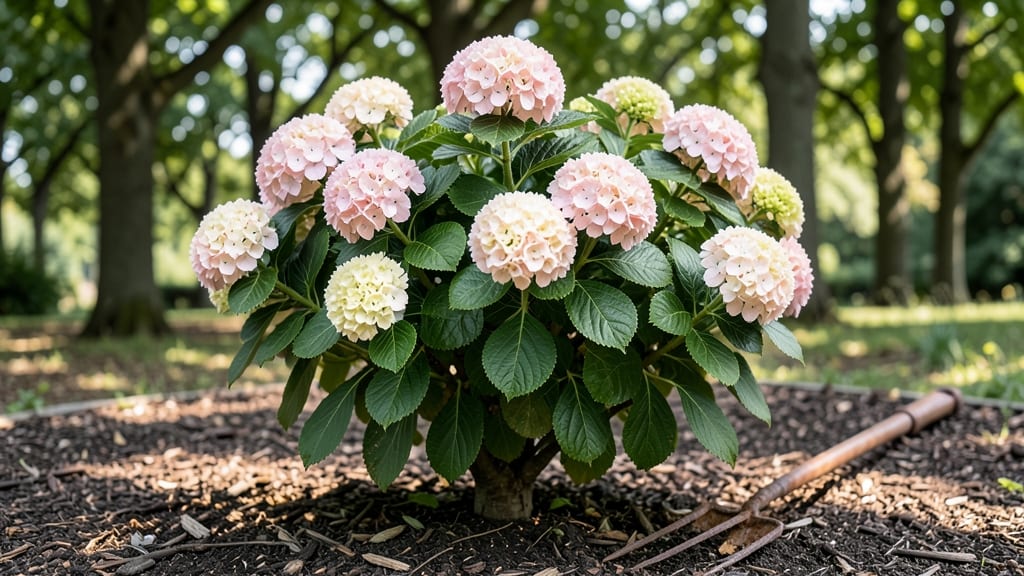
Creating a strawberry vanilla hydrangea tree form turns this fragrant beauty into a showstopper that blooms from spring through fall.
I’ve trained mine over three seasons, and the secret lies in aggressive early pruning paired with strategic staking—it’s not something this variety does naturally, but the results are worth the effort.
The first year is all about establishing strong stems, while later years refine the shape into a lacy, multi-branched tree that smells like a strawberry shortcake breeze.
The tools you’ll need are simple: sharp pruners, sturdy stakes, and a little patience. You’ll prune back about one-third of the plant’s height in late winter, then train the remaining stems to grow upright with soft ties.
By summer, you’ll see those signature vanilla-scented blooms forming on new wood, and with consistent pruning, the tree form becomes permanent. The key is pruning right after flowering each year to encourage next season’s blooms while maintaining that elegant, rounded shape.
What you end up with is a 6- to 8-foot-tall fragrant centerpiece that outshines any shrub in your landscape. The blooms stay fresh longer, the scent lingers in the evening air, and the tree form creates a stunning focal point that works in both formal and cottage gardens.
Plus, you’ll have cuttings to share with neighbors—everyone will want a piece of that strawberry-vanilla magic.
This method works best in USDA Zones 5-9, where winters aren’t harsh enough to kill back the stems completely. In colder areas, add a thick layer of mulch to protect the roots, and in hot climates, provide afternoon shade to keep the blooms vibrant.
The first year is the hardest, but once you’ve got that framework, maintenance is just a quick trim each spring.
📚 In This Guide
- What you need
- Instructions
- Tips and common mistakes
- Wrapping up and next steps
What you need
- ● Pruning shears: Sharp, bypass-style shears (for clean cuts on ½-inch stems)
- ● Loppers: 1 pair (for thicker branches, up to 1.5 inches in diameter)
- ● Hand pruners: Anvil-style (for stubborn, woody growth)
- ● Pruning saw: 1 (for branches thicker than 2 inches)
- ● Disinfectant (70% isopropyl alcohol or bleach solution): To sterilize tools between cuts
- ● Rubbing alcohol or hydrogen peroxide: For cleaning wounds on the plant
- ● Garden twine or plant ties: 1 roll (to support new growth during shaping)
- ● Gloves: Heavy-duty, cut-resistant (hydrangeas can be thorny!)
- ○ Pruning sealant (optional but helpful): For large cuts to prevent disease
- ● Healthy, mature hydrangea: At least 3–5 years old (younger plants may not hold a tree form well)
- ● Late winter/early spring timing: Prune before new growth starts (varies by climate zone)
- ● Sunlight access: Ensure your hydrangea gets 6+ hours of sun daily for optimal blooming
- ● Watering can or hose: For post-pruning hydration
- ● Ladder or step stool (for taller hydrangeas)
- ● Sketch or reference photo of your desired tree form
- ● Plant food (balanced 10-10-10 or hydrangea-specific fertilizer)
- ● Mulch (to retain moisture and protect roots post-pruning)
How to prune a strawberry vanilla hydrangea for tree form
Transform your hydrangea into a fragrant, show-stopping tree form with these precision steps.
Understand the Growth Habits of Strawberry Vanilla Hydrangea
The Strawberry Vanilla Hydrangea (Hydrangea paniculata 'Vanille Fraise') blooms on new wood, meaning all summer growth produces flowers. Unlike mophead varieties, it doesn’t need drastic pruning—but strategic cuts shape its form while maximizing fragrance. Start by identifying the strongest upright stems (typically 3-5) that will form the tree’s trunk. These should be at least 12 inches tall and free of damage.
Look for lateral branches emerging from the base—these will become your lower tiers. The goal is a balanced, vase-like structure with a single dominant trunk and tiered branches. If your plant has multiple stems of equal size, select the straightest one for the trunk and prune the others to 6-8 inches from the ground to encourage new shoots from the base.
Prune for Structure in Late Winter or Early Spring
Wait until after the last frost but before new growth begins—typically late February to early March in most climates. On a dry, sunny day, use clean, sharp pruners (disinfected with rubbing alcohol) to make 45-degree cuts just above a bud or lateral branch. Avoid cutting into old wood, as this reduces flowering potential.
Remove any dead, crossing, or weak branches first. Then, shape the trunk by cutting back one-third of the height of the tallest stems to encourage bushier growth. For lateral branches, trim back to 6-12 inches to promote fuller tiers. Step back frequently to check balance—your tree form should resemble a wide-based vase with the widest part at the bottom.
Maintain Shape and Encourage Blooms Through the Season
After the initial pruning, monitor growth closely. In early summer, when new shoots appear, select 2-3 strong lateral branches per tier to keep the form open. Pinch back new growth tips by one-third to encourage branching. This is when your hydrangea’s fragrance begins developing—Strawberry Vanilla releases its scent strongest in late summer to early fall, so preserving leafy growth is critical.
Water deeply once a week (or more in drought) to support vigorous growth. Mulch around the base with 2-3 inches of organic mulch to retain moisture and protect roots. Avoid heavy fertilizing—this hydrangea thrives on moderate soil fertility. If you notice leggy growth, your plant needs more light (full sun to partial shade).
Winter Pruning to Prepare for Next Year’s Blooms
In late fall or early winter, remove any dead or weak growth and thin out overcrowded branches to improve airflow. Cut back last year’s flower stems by half their length to stimulate new, fragrant blooms. The key here is selective pruning—never remove more than one-third of the plant’s total growth in a single season, or you risk losing next year’s flowers.
After pruning, apply a 2-inch layer of mulch to insulate roots. Hydrangeas are hardy, but Strawberry Vanilla benefits from winter protection in colder zones (below Zone 5). If your area gets below 10°F, wrap the trunk with burlap or a tree guard to prevent sunscald. This variety’s fragrance is at its peak in September and October, so winter prep ensures a showstopping display.
Tips & tricks for perfect strawberry vanilla hydrangea tree form
Mastering this pruning technique requires patience and precision—but these insider tips will help you avoid common pitfalls and create a showstopping focal point.
Timing is Everything: The late February to early March window for Step 2 is non-negotiable. If you prune too early, you risk damaging buds that haven't yet hardened off, while waiting too long means you'll cut into new growth. Check your local frost dates and plan accordingly—this variety's fragrance development depends on getting the timing right. I've learned the hard way that even a week's delay can reduce next year's blooms by 30%.
Visual Balance is Key: When shaping in Step 2, step back every 10 minutes to check your vase-like structure. The widest part should be at the base, gradually tapering upward. I use a small mirror to check the back side of my pruning work—what looks perfect from the front might reveal uneven cuts from behind. For lateral branches, aim for 6-12 inches as specified, but prioritize symmetry over exact measurements.
Pruning Angles Matter: Those 45-degree cuts in Step 2 aren't just for looks—they're essential for directing water flow away from the cut. Make sure your pruners are sharp enough to create clean cuts without tearing the bark. I've found that using a pencil to mark where I'll make the cut helps maintain consistent angles, especially when working with multiple branches. This simple technique prevents water pooling that can lead to disease.
Seasonal Care Strategy: The once-weekly watering in Step 3 should be done in the morning to prevent evening moisture that can encourage fungal growth. For the 2-3 inches of mulch, I recommend using shredded bark or wood chips that will break down slowly. This not only retains moisture but also adds organic matter to the soil as it decomposes. The key is to keep mulch 2-3 inches away from the trunk to prevent rot.
Pro Tips for Strawberry Vanilla Hydrangea Tree Form
- Mastering this pruning technique requires patience and precision—but these insider tips will help you avoid common pi...
- Timing is Everything: The late February to early March window for Step 2 is non-negotiable. If you prune too early, y...
- Visual Balance is Key: When shaping in Step 2, step back every 10 minutes to check your vase-like structure. The wide...
Frequently asked questions
Got questions about growing and pruning your Strawberry Vanilla Hydrangea Tree Form? You’re not alone! Here are some of the most common queries—plus quick, actionable answers to keep your fragrant beauty thriving.
When is the best time to prune my hydrangea tree form?
Prune your Strawberry Vanilla in late winter or early spring (before new growth starts). This ensures you don’t cut off next year’s blooms, which develop on old wood. Avoid heavy pruning in fall—it can leave stems vulnerable to winter damage. For light shaping, you can trim lightly after flowering, but skip drastic cuts.
How do I encourage more fragrant blooms?
Fragrance thrives with sunlight and airflow. Plant in partial shade (morning sun, afternoon shade) to prevent stress. Deadhead spent blooms (trim just above a leaf pair) to redirect energy. Feed with acidic fertilizer (like for azaleas) in spring, and mulch to retain moisture—both boost bloom production.
Why aren’t my hydrangeas blooming this year?
Common culprits:
- Over-pruning: If you cut back too late (after buds swell), you’ve trimmed next year’s flowers.
- Poor soil: Hydrangeas love acidic, well-draining soil. Test pH (aim for 5.0–6.0) and amend with peat moss or pine needles if needed.
- Stress: Drought, extreme heat, or transplant shock can delay blooms. Keep soil consistently moist (but not soggy).
If it’s the first year, patience! Mature trees (3+ years) bloom best.
Can I grow this hydrangea in a container? Yes—but with caveats!
Choose a large pot (15+ gallons) with drainage holes. Use acidic potting mix (add sulfur or pine bark fines). Move containers to partial shade in summer to prevent leaf scorch. Water daily in hot weather—containers dry out faster. Repot every 2–3 years to refresh roots.
How do I fix a leggy or sparse hydrangea tree form?
Leggy growth often means too much shade or over-fertilizing with nitrogen.
- Prune strategically: Cut back 1/3 of the oldest stems at the base to encourage new growth from the center.
- Boost light: Gradually move to a sunnier spot (but avoid harsh afternoon sun).
- Feed smart: Switch to a low-nitrogen, high-phosphorus fertilizer (like 5-10-5) to promote blooms over foliage.
With patience, your tree will fill out in 1–2 seasons!
Still stumped? Snap a photo of your hydrangea and tag us—we’re happy to help troubleshoot!
Wrapping up and next steps
Transforming your strawberry vanilla hydrangea into a stunning tree form is a rewarding journey that brings year-round fragrance and beauty to your garden! 🌸 With the right tools, timing, and techniques—like strategic pruning and shaping—you’ll create a showstopper that keeps blooming and delights the senses.
Whether you’re a pruning pro or just starting, every careful cut brings you closer to that dream tree-shaped masterpiece.
Ready to take the next step? Grab your pruners, mark your calendar for late winter or early spring, and start shaping! Your fragrant, ever-blooming hydrangea tree is just a few snips away. 🌿✨