Pruning
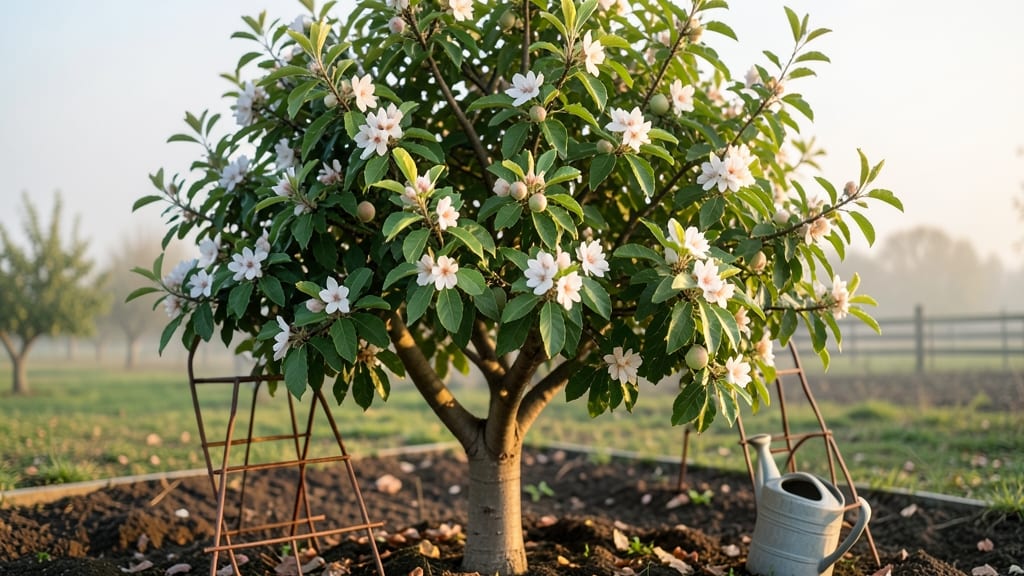
Pruning stone fruit trees in cold climates isn’t just about shaping branches—it’s about survival and future harvests. 🌱 I’ve learned that aggressive cuts in late winter can mean the difference between a tree that thrives and one that struggles through harsh winters.
The right timing and technique keep your peaches, plums, and cherries productive for decades.
Cold-hardy varieties like ‘Montmorency’ cherries or ‘Honeygold’ peaches need open-centered canopies to prevent frost damage and improve airflow. Start with sharp pruners and focus on removing dead wood first—this alone cuts down on disease risks.
For young trees, aim to keep the main scaffold branches spaced 12-18 inches apart to avoid overcrowding as they mature.
You’ll see the payoff in June, when properly pruned trees burst with fruit while weak ones lag behind. The key is patience: stone fruit trees respond slowly to pruning, so avoid heavy cuts in their first few years.
Instead, shape gradually and prioritize sunlight penetration to the center of the tree—this is where next year’s harvest begins.
This approach works for zones 3-6, where winter dieback is a real threat. For even colder regions, consider dwarf varieties or extra mulch to protect roots. Let’s get those branches in shape before spring arrives!
📚 In This Guide
- What you need
- Instructions
- Tips and common mistakes
- Wrapping up and next steps
What you need
- ● Pruning shears: Bypass pruners (sharp, 6–8 inches) for small branches (1/4–3/4 inch thick). Quantity: 1–2 pairs.
- ● Loppers: Bypass or anvil type (long-handled, 18–24 inches) for medium branches (3/4–2 inches thick). Quantity: 1 pair.
- ● Pruning saw: Curved-tooth saw for thick branches (2+ inches). Quantity: 1.
- ● Disinfectant: 70% isopropyl alcohol or bleach solution (1 part bleach to 9 parts water) to sterilize tools between cuts. Quantity: Small spray bottle or wipe.
- ○ Pruning sealant: Tree wound paint (optional but helpful for cold climates to prevent disease entry). Quantity: Small jar.
- ● Gloves: Heavy-duty, cut-resistant (protects hands from thorns and blisters). Quantity: 1 pair.
- ● Safety gear: Safety glasses and long sleeves/pants (stone fruit trees can have sharp thorns!).
- ● Ladder or step stool: Sturdy, non-slip (for reaching higher branches). Height: 6–12 feet, depending on tree size.
- ● Marking twine or flags: Colored twine or small flags to tag branches for removal (helps visualize pruning plan).
- ● Heavy-duty trash bags: For collecting pruned branches (10–20 gallon size). Quantity: 2–3 bags.
- ● Extension pole saw: For ultra-high branches (12+ feet).
- ● Tree pruning rope: 3/8-inch poly rope to secure branches during cuts.
- ● Hand sanitizer: For post-pruning clean-up.
- ● Pruning guide or app: Digital tools (e.g., iTree or PruneTime) for tracking cuts and growth patterns.
- ● Hot cocoa or thermos: Because cold-weather pruning deserves a reward! ☕
Instructions for pruning stone fruit trees in cold climates
Cold-hardy stone fruit trees need strategic pruning to survive winter and thrive in spring.
✂️ Step 1: Prune in Late Winter or Early Spring
Timing is everything for stone fruit trees in cold climates. I always prune 2-4 weeks before the last frost date when the tree is still dormant but the threat of hard freezes has passed. This ensures wounds heal before spring growth begins. For example, in Zone 4, that might be early March, while Zone 6 could wait until late February.
Use clean, sharp pruning shears to make cuts at a 45-degree angle just above a bud or branch collar. Avoid leaving stubs—these invite disease and rot. If you're pruning in early spring, wait until buds begin to swell but before they burst open. This prevents excessive bleeding from the tree and gives you a clear view of the branch structure.
✂️ Step 2: Remove Dead, Diseased, or Weak Wood
Start by eliminating dead, diseased, or crossing branches—these are the first priorities. Dead wood is easy to spot: it’s gray, brittle, and doesn’t bend when you test it. Diseased branches often have cankers, oozing sap, or fungal growth, and crossing branches rub against each other, creating wounds that invite pests. Cut these out first, working from the inside of the tree outward to improve airflow and sunlight penetration.
Next, look for weak, thin, or spindly branches—these rarely produce fruit and compete with stronger growth. Remove them entirely at their point of origin. If a branch is larger than ½ inch in diameter, use loppers or a pruning saw to avoid tearing the bark. Always disinfect your tools between cuts with rubbing alcohol or a 10% bleach solution to prevent spreading disease.
✂️ Step 3: Thin Out to Improve Airflow and Light
Stone fruit trees need open, airy canopies to prevent fungal diseases like brown rot and leaf spot. Aim to remove 20-30% of the tree’s total branches, focusing on overcrowded areas where branches grow too close together. Start by thinning from the center of the tree outward, removing branches that grow inward or downward. These branches block light and air, creating a humid microclimate perfect for fungal growth.
For suckers and water sprouts—those fast-growing, vertical shoots—cut them back to a lateral branch or bud. These shoots drain the tree’s energy and rarely produce fruit. If you’re unsure whether a branch is necessary, ask yourself: Does this branch produce fruit? Does it allow light and air to reach the center? If the answer is no, prune it out.
✂️ Step 4: Shape for Cold-Climate Resilience
Cold-hardy stone fruit trees benefit from an open-center or vase-shaped structure, which allows snow to slide off easily and reduces winter damage. Avoid heavy pruning that leaves large wounds—these take longer to heal and are more vulnerable to bacterial cankers in cold climates. Instead, make smaller cuts that encourage multiple leaders (main branches) to form a sturdy framework.
If your tree has damaged or broken branches from winter ice or snow, prune them back to a healthy bud or lateral branch. Never leave a stub—it’s an open invitation for disease. For larger branches, use the three-cut method to avoid tearing the bark: make an undercut, then a top cut, and finally remove the branch. Seal larger wounds (over 2 inches in diameter) with pruning sealant to protect against moisture loss and pests.
⏰ Step 5: Post-Pruning Care for Cold Recovery
After pruning, water the tree deeply to help it recover and reduce stress. Apply a 2-3 inch layer of mulch around the base (but not touching the trunk) to insulate roots and retain moisture. In very cold climates, consider wrapping the trunk with tree guard or burlap to protect against sunscald and rodent damage during winter.
Monitor the tree closely in the weeks following pruning. If you see excessive bleeding (sap oozing from cuts), don’t panic—it’s normal for stone fruit trees. However, if you notice wilting, yellowing leaves, or signs of disease, adjust your watering or pruning approach. Stone fruit trees are resilient, but they need time to heal, especially in cold climates. Avoid heavy pruning in the following year—let the tree recover and focus on light maintenance pruning to shape and encourage fruit production.
Tips & tricks for perfect stone fruit tree pruning in cold climates
Pruning stone fruit trees in cold climates requires precision and timing to ensure your tree thrives year after year. Here are the key strategies that make all the difference.
Timing is Critical: The 2-4 week window before your last frost date is non-negotiable for cold-hardy stone fruit trees. This timing ensures wounds have time to heal before spring growth begins. In colder zones like Zone 4, I've found that pruning in early March gives the tree enough time to recover before bud break. If you're in a warmer microclimate within Zone 6, you might extend this to late February—but always check your local frost dates.
Tool Maintenance Matters: Your pruning shears and loppers should be sharper than a chef's knife—dull tools crush rather than cut cleanly, creating jagged wounds that invite disease. I always disinfect my tools between cuts using rubbing alcohol or a 10% bleach solution. This simple step prevents cross-contamination between healthy and diseased branches, which is especially critical in cold climates where fungal diseases like brown rot can become more aggressive.
Visual Cues for Pruning Decisions: When deciding which branches to remove in Step 3, look for these visual clues: branches growing inward or downward block sunlight and air circulation, creating the perfect conditions for fungal growth. For suckers and water sprouts, cut back to a lateral branch or bud—you'll notice these shoots grow vertically and rarely produce fruit. The goal is to create an open center that allows snow to slide off easily during winter storms, reducing branch damage.
Cold-Climate Wound Care: For larger branches over 2 inches in diameter, I've learned the hard way that proper wound care is essential. After making your cuts using the three-cut method, seal larger wounds immediately with pruning sealant. This prevents moisture loss and reduces the risk of bacterial cankers, which are particularly problematic in cold climates. Think of it like putting a bandage on a deep cut—it helps the tree heal faster and more effectively.
Pro Tips for Stone Fruit Tree
- Pruning stone fruit trees in cold climates requires precision and timing to ensure your tree thrives year after year.
- Timing is Critical: The 2-4 week window before your last frost date is non-negotiable for cold-hardy stone fruit trees.
- Tool Maintenance Matters: Your pruning shears and loppers should be sharper than a chef's knife—dull tools crush rather than cut cleanly, creating jagged wounds that invite disease.
Frequently asked questions
When is the best time to prune stone fruit trees in cold climates?
Prune your stone fruit tree dormant season—late winter or early spring (just before buds swell) when temperatures are above freezing but before new growth starts. Avoid pruning in fall, as it can leave wounds vulnerable to cold damage and disease. For cold-hardy varieties, a light pruning after harvest can also encourage airflow.
Can I prune stone fruit trees in winter if it’s freezing?
No—never prune during hard freezes or when temperatures dip below 20°F (-6°C). Cold weather stresses trees and slows wound healing. Wait until the ground thaws and the tree is fully dormant. If you’re in an extremely cold zone, prioritize pruning in early spring to minimize frost risk.
How much should I prune my stone fruit tree each year?
Aim to remove 15–25% of the tree’s canopy annually for healthy growth. Focus on:
- Dead, diseased, or crossing branches ( thinning cuts)
- Suckers or water sprouts ( remove at the base)
- Old wood ( renewal pruning for younger trees)
Why are my stone fruit tree’s branches dying after pruning?
Dying branches often signal bacterial canker, frost damage, or improper cuts. Check for:
- Ragged cuts (use clean, sharp tools and make 45° angles)
- Oozing sap or dark streaks ( sign of disease—prune infected wood immediately)
- Sunburnt bark ( thin canopy gradually to avoid shock)
Are there cold-hardy stone fruit tree alternatives if mine struggles?
Yes! If your current tree battles cold, consider these resilient varieties:
- Peach: ‘Reliance’ or ‘Contender’ (zone 4–5)
- Plum: ‘Methley’ or ‘Stanley’ (zone 3–4)
- Cherry: ‘Montmorency’ (sour cherry, zone 3–5)
- Apricot: ‘Gold Bar’ (zone 5–6, needs winter protection)
Wrapping up and next steps
Growing a thriving stone fruit tree in cold climates is totally doable with the right pruning know-how! By mastering techniques like open-center shaping, dormant-season cuts, and winter protection, you’ll set your tree up for bountiful harvests year after year. 🌳✨
Now that you’re armed with the essentials, roll up your sleeves and give your tree the TLC it deserves. Start small—even a single branch trimmed today is a step toward a healthier, fruitier future. Happy pruning!
Next step: Grab your tools and schedule your first pruning session before bud break (or after harvest for summer pruning). Your future stone fruit feast awaits! 🍑🍒