Pruning
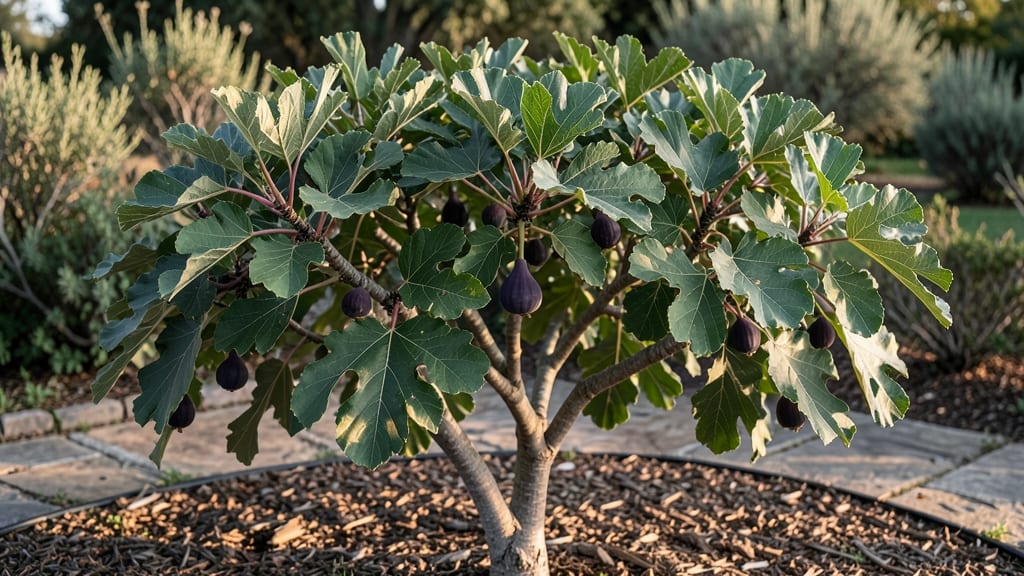
Growing a Stella fig tree in the Pacific Northwest means year-round harvests—even when frost threatens. I planted mine last spring, and by midsummer, the glossy green leaves and tiny purple figs had neighbors stopping to ask how I pulled it off.
The secret isn’t magic; it’s knowing when to prune, how much sun to give it, and when to protect it from winter’s chill.
This variety thrives where others freeze, thanks to its cold-hardy roots. You’ll need well-draining soil, 6+ hours of sunlight daily, and a spot sheltered from harsh winds. Water deeply once a week (more in summer), but never let it sit soggy—root rot is the enemy.
The pruning schedule is the real game-changer: cut back in late winter to shape the tree, then trim lightly after harvests to encourage more fruit.
By summer’s end, you’ll be picking sweet, honey-like figs straight from the tree. The Stella’s compact growth makes it perfect for small yards or containers, and with proper care, it produces fruit twice a year—spring and fall.
Even in rainy PNW winters, a little mulch and a frost blanket keep it happy.
Here’s where it gets interesting—this tree rewards patience. First-year fruit is modest, but by year two, you’ll have enough to share. The key is consistency: prune at the right time, fertilize lightly in spring, and watch it transform from a bare branch into a lush, productive centerpiece. Let’s get started!
📚 In This Guide
- What you need
- Instructions
- Tips and common mistakes
- Wrapping up and next steps
What you need
- ● Pruning shears – Sharp, bypass-style (for clean cuts), 10–12-inch blade (for thicker branches).
- ● Loppers – 18–24-inch, for branches ½–1½ inches thick.
- ● Pruning saw – 8–10-inch, for branches 2+ inches thick (Stella figs can get woody!).
- ● Gloves – Garden-grade, cut-resistant (fig thorns are sharp!).
- ● Disinfectant – 70% isopropyl alcohol or rubbing alcohol (to sterilize tools between cuts).
- ● Rags or paper towels – For wiping tools clean.
- ● Twine or zip ties – ¼-inch width, for supporting new growth.
- ● Marking twine or tape – Bright color (e.g., red), to tag branches for removal.
- ● Pruning sealant – Not always needed, but useful for large cuts (>2 inches) to prevent disease.
- ● Ladder – Lightweight, extendable (Stella figs can grow 15–20 feet tall!).
- ● Garden hose – For rinsing tools post-pruning.
- ● Notebook & pen – To sketch your tree’s structure before cutting!
- ● Compost bin – For small pruned branches (great for mulch!).
Instructions: pruning your Stella fig tree for maximum Pacific Northwest yields
Pruning Stella figs isn't just about shaping—it's about unlocking fruit production in our cool, wet climate.
Time Your First Prune After Harvest
Wait until after your first harvest in late summer or early fall before making your first cuts. Stella figs produce fruit on both old and new wood, so don't prune too early—you'll remove potential fruit-bearing branches. I always prune after the first major harvest wave, typically in September or October when temperatures begin dropping.
Look for branches that grew last season—they're the ones bearing fruit this year. These will be thicker and have more mature bark. Your goal is to open up the center of the tree to improve airflow and sunlight penetration. This prevents fungal diseases that thrive in our Pacific Northwest humidity.
Remove Dead, Diseased, or Crossing Branches
Start by eliminating any dead or diseased wood—these branches won't produce fruit and can spread problems to healthy growth. Cut back to the main trunk or to a healthy lateral branch. Make your cuts just outside the branch collar (that swollen area where the branch meets the trunk) at a 45-degree angle.
Next, remove any branches that are rubbing against each other. These crossing branches create wounds that invite disease. You'll know you've done well when you can see light in the center of the tree. This isn't about drastic shaping—just creating an open framework that allows air to circulate and sunlight to reach all branches.
Thin Out Overcrowded Growth
Stella figs respond well to selective thinning rather than heavy pruning. Focus on removing branches that grow inward or downward—these rarely produce quality fruit and create shade that prevents other branches from fruiting. I typically remove about 20-30% of the total growth each year, never more than that.
When thinning, prioritize branches that are less than pencil-thick. These younger branches are more flexible and will produce fruit next season. Leave the thicker, more established branches—they're your tree's fruit production powerhouses. Remember, you're shaping for next year's harvest, not this year's.
Light Winter Pruning for Structure
In late winter or very early spring (February-March), do a light structural pruning before new growth begins. This is when you can see the tree's framework clearly. Remove any branches that grew during the previous season's flush that are now crossing or growing in poor directions.
Also look for "water sprouts"—those fast-growing, vertical shoots that appear after pruning. These rarely produce fruit and should be removed completely at their base. Your goal is to maintain an open vase shape that catches sunlight from all directions. This winter pruning should be minimal—just enough to maintain the shape you established in fall.
Post-Harvest Maintenance Pruning
After your final harvest of the season (typically October-November), do a final light pruning to remove any branches that produced fruit. These branches will be thinner and may have dried back after bearing fruit. Cut them back to a healthy lateral branch or to the main trunk.
This final prune also gives you a chance to tidy up any awkward growth that appeared during the season. The key is to keep the tree balanced—never remove more than 25% of the total growth in any one season. Stella figs are forgiving, but they respond best to gradual, thoughtful pruning rather than drastic cuts.
Tips & tricks for pruning your Stella fig tree
These practical insights will help you prune your Stella fig tree like a pro, ensuring healthy growth and bountiful harvests in our Pacific Northwest climate.
Timing is Everything: In Step 1, when you're pruning after your first harvest in September or October, pay close attention to the weather. Our cool, wet climate means pruning too early can stress the tree. Aim for a dry day with temperatures above 50°F—this gives fresh cuts time to heal before potential rain. I've learned the hard way that pruning after a warm spell (like our Indian summers) helps prevent fungal infections.
Branch Selection Strategy: During Step 3's thinning process, remember that Stella figs produce fruit on both old and new wood. When you're removing 20-30% of growth, focus on branches growing inward or downward—these create shade that reduces fruit quality. Look for branches with mature bark (thicker, darker) that bore fruit this year; these are your tree's workhorses. Don't be tempted to remove too many of these productive branches, even if they're not perfectly shaped.
Cutting Technique Matters: The 45-degree angle mentioned in Step 2 isn't just for looks—it's crucial for proper healing. Make your cuts just outside the branch collar where the branch meets the trunk. This prevents water from pooling in the wound, which can lead to rot. Use sharp pruners to make clean cuts; dull blades can crush the bark and invite disease. For larger branches, consider using a three-cut method to prevent bark tearing.
Seasonal Maintenance Insight: In Step 4's winter pruning, that "minimal" approach is key. Our Pacific Northwest winters are mild, but sudden cold snaps can stress newly pruned trees. Only remove what's absolutely necessary—water sprouts and crossing branches—to maintain that open vase shape. This light touch prevents overstressing the tree when it's already dealing with winter conditions. Think of it as a gentle tune-up rather than a major overhaul.
Pro Tips for Stella Fig Tree
- These practical insights will help you prune your Stella fig tree like a pro, ensuring healthy growth and bountiful harvests in our Pacific Northwest climate.
- Timing is Everything: In Step 1, when you're pruning after your first harvest in September or October, pay close attention to the weather.
- Branch Selection Strategy: During Step 3's thinning process, remember that Stella figs produce fruit on both old and new wood.
Frequently asked questions
Got questions about keeping your Stella fig tree thriving in the Pacific Northwest? You’re not alone! Here are answers to the most common concerns—from pruning timing to troubleshooting—so you can enjoy year-round harvests with ease.
When is the best time to prune my Stella fig tree in the PNW?
Prune your Stella fig tree twice a year for optimal growth: late winter/early spring (before buds break) to shape the tree and remove dead wood, and right after harvest (late summer) to encourage new fruit-bearing branches. Avoid pruning in fall—it can stunt growth before winter dormancy.
How do I protect my Stella fig tree from PNW winters?
Stella figs are semi-hardy (Zone 7-10), but PNW winters can be tricky. Mulch heavily at the base, wrap the trunk in burlap, and cover with frost cloth if temps drop below 20°F. Young trees may need container relocation to a garage or shed for extreme cold snaps.
What if I prune at the wrong time and my Stella fig tree doesn’t fruit?
No fruit after pruning? You might’ve cut too late in the season or removed too many fruit-bearing spurs (short, stubby branches). Focus on pruning in late winter and leave at least 3-4 spurs per branch. If it’s still struggling, fertilize lightly with citrus-specific fertilizer in early spring.
Can I grow a Stella fig tree in a container, and how does pruning differ?
Container-grown Stella figs thrive in large pots (15+ gallons) with drainage holes. Prune more aggressively in early spring to control size, and move containers indoors (garage, sunroom) when temps drop below 40°F. Use well-draining soil and repot every 2-3 years.
Why are my Stella fig leaves yellowing or dropping, even after pruning?
Yellow leaves often signal overwatering, root rot, or nutrient deficiency. Check for soggy soil (figs hate wet feet!) and adjust watering to deep but infrequent soaks. If leaves are crispy, it’s underwatering or heat stress—mulch and water at the base during dry spells. A balanced fertilizer in spring can also help.
Wrapping up and next steps
Pruning your Stella fig tree is the secret to unlocking a bountiful, year-round harvest—especially in the Pacific Northwest’s unique climate! 🌿 By mastering the art of seasonal trimming, you’re not just shaping your tree; you’re investing in its health, productivity, and longevity.
Whether you’re a beginner or a seasoned gardener, every snip brings you closer to a garden overflowing with sweet, sun-ripened figs.
Ready to take the next step? Grab your pruners, mark your calendar for the next pruning window, and start small! Observe your tree’s growth, experiment with techniques, and soon, you’ll be the proud owner of a thriving Stella fig tree that rewards you with harvests from spring to fall.
Happy pruning—your garden (and taste buds) will thank you! 🍇✨