Flowers
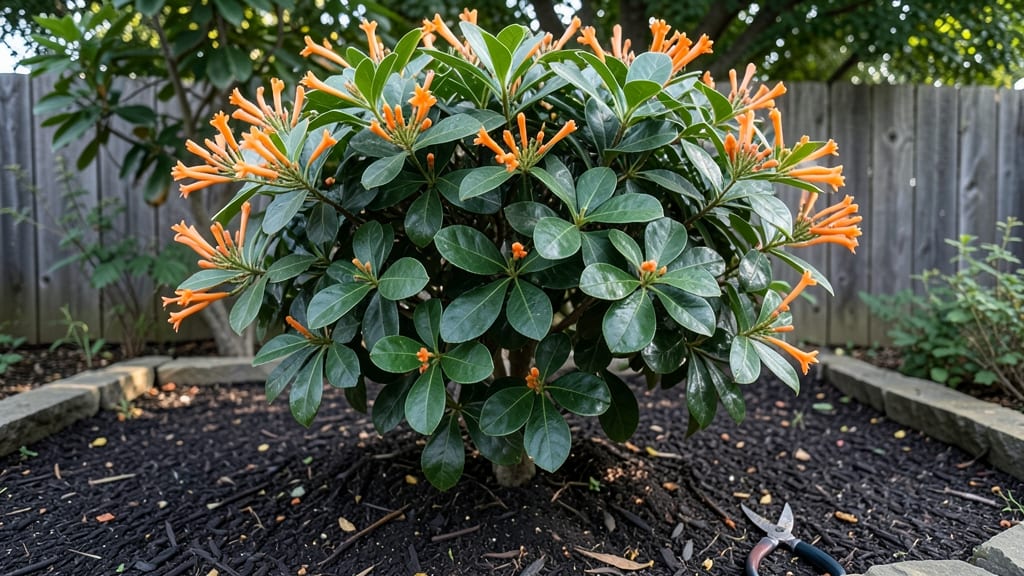
This South Florida tree with orange flowers, the Royal Poinciana (Delonix regia), transforms neighborhoods into dazzling spring fireworks—its vibrant blossoms draw hummingbirds in droves for weeks.
I planted mine near the patio, and now I can’t imagine a summer without the buzz of wings and that bright, citrusy burst of color against the blue sky. The tree thrives in our heat and humidity, proving it’s not just a pretty face but a hardy survivor too.
This isn’t just a tree—it’s a year-round statement piece when cared for right. While it peaks in spring, with proper conditions, it’ll reward you with sporadic blooms even in winter’s edge. The feathery foliage stays lush year-round, and its dramatic shape makes it the centerpiece of any landscape.
Just give it full sun and well-draining soil, and it’ll reward you with low-maintenance beauty that outshines any seasonal annual.
Imagine your morning coffee on the patio, surrounded by hummingbirds darting between blossoms while the scent of citrusy flowers fills the air. That’s the magic of the Royal Poinciana—a living flame that turns your yard into a tropical paradise without the fuss.
It’s the kind of tree that makes neighbors stop and take photos, and once it’s in your yard, you’ll wonder how you ever lived without it.
Perfect for large yards, medians, or even as a striking street tree, this Florida native handles our climate like a champ. Just watch out for those messy seed pods—they’re a trade-off for all that color. Ready to make your landscape the talk of the neighborhood?
📚 In This Guide
- What you need
- Instructions
- Tips and common mistakes
- Wrapping up and next steps
What you need
- ● Tree sapling: 1–3-gallon container (ensure it’s disease-free and native to South Florida).
- ● Well-draining soil: Mix of native soil + compost (ratio: 3 parts soil, 1 part compost).
- ● Fertilizer: Slow-release, low-phosphorus fertilizer (e.g., 6-3-6 NPK ratio).
- ● Mulch: 2–3 inches of organic mulch (pine bark or shredded leaves).
- ● Watering can or hose: With a gentle spray nozzle.
- ● Pruning shears: Sharp, sterilized (for shaping and maintenance).
- ● Gloves: Heavy-duty gardening gloves (for thorny branches, like Firebush).
- ● Trowel: For planting holes (if transplanting).
- ○ Hummingbird feeder: 1–2 (optional but highly recommended!).
- ● Pest control: Neem oil or insecticidal soap (for aphids/mealybugs).
- ○ Stake (optional): For young trees in windy areas.
How to plant and care for a South Florida orange-blooming tree
Here's how to grow a vibrant, hummingbird-friendly tree that thrives in Florida's heat and blooms all year.
Choose the Right Tree for Your Space
For South Florida's climate, the Firecracker Plant (Russelia equisetiformis) or Royal Poinciana (Delonix regia) are excellent choices. Both produce stunning orange flowers and attract hummingbirds. The Firecracker Plant grows as a shrub or small tree (6-10 feet tall), perfect for small yards or containers, while the Royal Poinciana reaches 30-50 feet and needs ample space.
Check your property size and sunlight exposure—both need full sun (6+ hours daily). The Firecracker Plant tolerates partial shade, but it won’t bloom as prolifically. If your yard has power lines overhead, opt for the smaller Firecracker Plant or a Dwarf Royal Poinciana variety.
Plant at the Right Time and in the Right Spot
Plant your tree in late winter or early spring (February-March) to give roots time to establish before summer’s intense heat. Dig a hole twice as wide as the root ball but no deeper—planting too deep suffocates roots. Mix the native soil with 2-3 inches of compost or organic mulch to improve drainage and fertility.
Position the tree where it gets morning sun and afternoon shade if possible, especially for Royal Poinciana, which can scorch in relentless afternoon heat. Water deeply right after planting to settle the soil around roots, then let the top 2 inches of soil dry out before watering again. Overwatering at this stage causes root rot.
Water and Fertilize for Year-Round Blooms
Once established, these trees are drought-tolerant, but newly planted trees need consistent moisture. Water deeply once a week during the first year, soaking the soil to 12-18 inches deep. You’ll know it’s enough when water drains out the bottom of the hole. After the first year, reduce watering to every 2-3 weeks unless there’s a prolonged dry spell.
Fertilize in early spring (February) with a balanced, slow-release fertilizer (10-10-10). Apply ½ cup per inch of trunk diameter around the drip line (the area where branches extend). Avoid high-nitrogen fertilizers—they promote leafy growth over flowers. A light application of citrus-specific fertilizer every 6 months keeps blooms vibrant.
Prune to Encourage More Flowers
Prune your tree right after flowering (late spring) to shape it and encourage new growth. Remove dead, diseased, or crossing branches first—these compete with healthy branches for nutrients. For the Firecracker Plant, trim back leggy stems by ⅓ to promote bushier growth. For Royal Poinciana, prune selectively to maintain an open canopy for airflow and sunlight penetration.
Never prune in summer or fall—new growth won’t harden off before cold snaps. Use sterilized pruning shears to prevent spreading disease. After pruning, apply a 2-inch layer of mulch around the base (keeping it 6 inches away from the trunk) to retain moisture and regulate soil temperature.
Protect from Pests and Seasonal Challenges
South Florida’s humidity attracts pests like scale insects and aphids, which weaken trees and reduce flowering. Spray with neem oil or insecticidal soap if you spot sticky residue (honeydew) on leaves. For Royal Poinciana, watch for canker diseases—remove infected branches immediately and dispose of them in the trash (not compost).
During hurricane season (June-November), stake young trees to prevent wind damage. If your tree loses branches in a storm, prune them back to the nearest healthy bud to encourage regrowth. Both trees are frost-sensitive—if temps drop below 30°F, cover young trees with frost cloth or bring container-grown plants indoors temporarily.
Tips & tricks for perfect South Florida orange-blooming trees
These practical tips will help you grow vibrant, hummingbird-attracting trees that thrive in Florida's unique climate.
Tree Selection: If you're torn between Firecracker Plant and Royal Poinciana, consider your space and future growth. The Firecracker Plant's compact size (6-10 feet) makes it ideal for containers or small yards, while Royal Poinciana's dramatic 30-50 feet height creates stunning focal points. For power lines or tight spaces, ask your nursery about dwarf varieties—they maintain the same vibrant orange blooms without the height.
Planting Depth: I can't stress this enough—planting too deep suffocates roots and can kill your tree. The hole should be twice as wide as the root ball but only as deep. When placing your tree, make sure the top of the root ball sits just above ground level. This ensures proper root development and prevents waterlogging.
Sunlight Strategy: Both trees need full sun (6+ hours daily), but Royal Poinciana can scorch in relentless afternoon heat. Position it where it gets morning sun and afternoon shade, especially in West Florida where sun intensity peaks. For Firecracker Plants, you can push to 5 hours of sun if needed, though blooms will be less prolific.
Fertilizer Timing: That early spring (February) fertilization is crucial for establishing trees. Use a balanced 10-10-10 fertilizer and apply it around the drip line—not at the trunk. The key is to fertilize when new growth begins, not during dormancy. For established trees, that 6-month citrus-specific fertilizer application keeps blooms vibrant without promoting excessive leaf growth.
Pro Tips for South Florida Tree With Orange Flowers
- These practical tips will help you grow vibrant, hummingbird-attracting trees that thrive in Florida's unique climate.
- Tree Selection: If you're torn between Firecracker Plant and Royal Poinciana, consider your space and future growth. ...
- Planting Depth: I can't stress this enough—planting too deep suffocates roots and can kill your tree. The hole should...
Frequently asked questions
Got questions about South Florida’s stunning orange-blooming trees? You’re not alone! Here are answers to the most common queries about these vibrant hummingbird magnets:
What’s the most common South Florida tree with bright orange flowers?
The Firebush (Hamelia patens) is the star! Its tubular orange-red blooms thrive in Florida’s heat and humidity, attracting hummingbirds year-round. Other contenders include Royal Poinciana (Delonix regia) (seasonal) and Jacaranda (Jacaranda mimosifolia) (purple, but stunning).
Do these trees bloom all year, or just in certain seasons?
Firebush can bloom year-round in ideal conditions (full sun, well-drained soil), but heavy rains or cold snaps may slow flowering. Royal Poincianas peak in spring/summer, while Jacarandas bloom spectacularly in March–April. For consistent color, Firebush is your best bet!
Why aren’t hummingbirds visiting my orange-flowering tree?
Check these fixes:
- Timing: Hummingbirds favor morning sun for nectar—plant near east-facing windows.
- Nectar: Ensure blooms are fresh (wilted flowers = less nectar).
- Competitors: Remove invasive plants (e.g., Mexican Petunia) that may lure them away.
- Water: A shallow dish with pebbles + water nearby helps!
Can I grow an orange-flowering tree in a pot? How big do they get?
Firebush thrives in 15–20 gallon containers with drainage holes, but expect 6–10 feet tall/wide. Royal Poincianas are too large for pots (30–40 feet!). Use well-draining potting mix and repot every 2–3 years. Pro tip: Prune regularly to control size!
Are any of these trees invasive or harmful to Florida’s ecosystem?
Firebush is not invasive in Florida, but Royal Poincianas can spread aggressively in some areas. Always check with FDACS before planting. Bonus: Firebush supports native pollinators—win-win!
What’s a low-maintenance alternative if I want orange flowers but less upkeep?
Try:
- Bougainvillea (drought-tolerant, thrives in heat, blooms spring–fall).
- Plumeria (Frangipani) (fragrant, pest-resistant, but needs full sun).
- Orange Jewel Honeysuckle (Lonicera sempervirens ‘Dropmore Scarlet’) (vining, hummingbird-friendly, evergreen).
Wrapping up and next steps
Discovering the South Florida Royal Poinciana isn’t just about adding a splash of color to your landscape—it’s about inviting nature’s tiny acrobats, the hummingbirds, into your backyard year-round! 🐦⬛ With its vibrant orange blooms and low-maintenance charm, this tree is a dream for gardeners and wildlife lovers alike.
Whether you’re a seasoned green thumb or just starting, planting one is a simple yet rewarding step toward creating a thriving, pollinator-friendly oasis.
Ready to transform your space? Start by choosing a sunny spot in your yard, gather your tools, and let the magic of this stunning tree unfold. Your future hummingbird visitors will thank you!