
Pruning
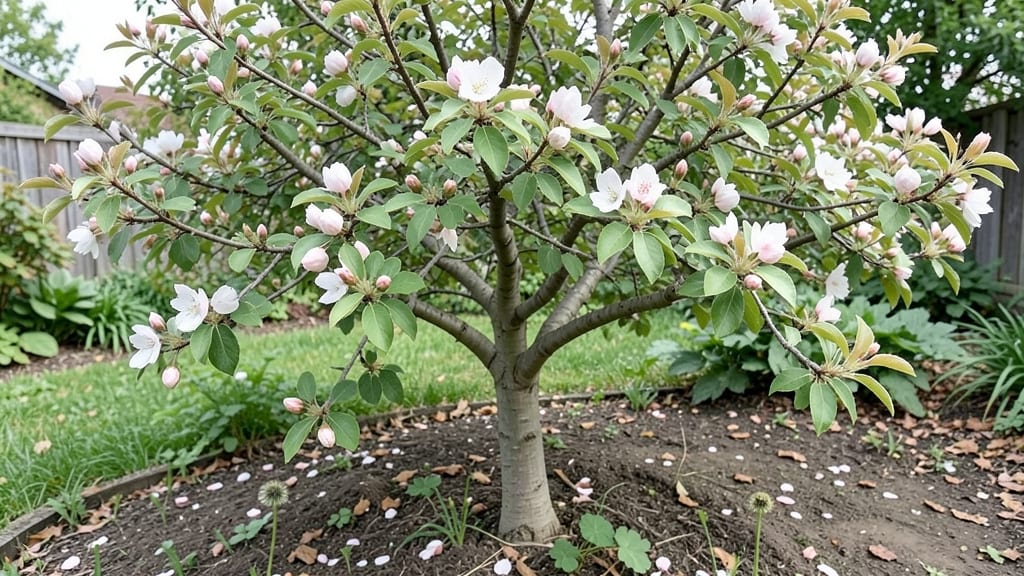
The Snow Beauty peach tree thrives in the Pacific Northwest’s cool climate—something most peach varieties struggle with. 🌱 I planted mine last spring, and this year’s blossoms proved it’s the exception that delivers. Unlike finicky stone fruits, this variety handles our damp springs and chilly summers without throwing a fit.
Here’s the secret: it needs well-draining soil (amend with compost if yours is heavy) and full sun—at least 6-8 hours daily. Water deeply once a week unless it rains, and avoid wetting the leaves to prevent fungal issues.
The first year is about establishing roots, not fruit, so resist the urge to harvest.
By summer, you’ll see glossy green leaves and clusters of delicate white blossoms that eventually turn into sweet, freestone peaches. The real magic? This tree produces consistently—no biennial bearing like some varieties. Prune in late winter to open the canopy, and fertilize lightly in early spring to fuel growth.
For PNW gardeners, this is the peach tree that actually works—no greenhouse needed. The only challenge? Birds love them too, so netting helps. Let’s get yours growing strong!
📚 In This Guide
- What you need
- Instructions
- Tips and common mistakes
- Wrapping up and next steps
What you need
- ● Pruning shears: Bypass pruners (sharp, clean, and sterilized with rubbing alcohol to prevent disease). Recommended: Felco F-2 or similar (1 pair).
- ● Loppers: For thicker branches (up to 2 inches in diameter). Recommended: Corona or Fiskars (1 pair).
- ● Pruning saw: For branches thicker than 2 inches (e.g., Fiskars X7).
- ● Gloves: Heavy-duty, cut-resistant gloves (e.g., Felco or Mechanix) to protect hands from thorns.
- ● Disinfectant: 70% isopropyl alcohol or a 10% bleach solution (1:9 ratio with water) for sterilizing tools between cuts.
- ● Rubbing alcohol wipes: For quick tool cleanups (pack of 50+).
- ○ Pruning sealant: Optional but helpful for large cuts (e.g., Tanglefoot Tree Wound Pruning Sealer).
- ● Ladder or step stool: For reaching higher branches (ensure it’s stable and rated for your weight).
- ● Trash bags or bucket: For collecting pruned branches (2–3 large bags or a 5-gallon bucket).
- ● Notebook & pen: To jot down notes on cuts made (helpful for tracking growth).
- ● Timing: Prune during the dormant season (late winter/early spring, before buds swell) for Snow Beauty peaches. Avoid pruning in wet or freezing conditions.
- ● Weather: Choose a dry, sunny day (humidity <60%) to minimize disease risk.
- ● Safety gear: Safety glasses (to protect from debris) and long sleeves/pants (for thorn protection).
- ● Tree health check: Inspect the tree for signs of peach leaf curl or pests before pruning. Treat if necessary.
- ● Local regulations: Check if your area requires permits for large-scale pruning (rare but possible for mature trees).
- ● Handheld leaf blower: For clearing debris after pruning (e.g., Black+Decker BD3000).
- ● Tree paint: Pruning paint (e.g., Dynamat Tree Wound Dressing) for sealing cuts larger than ½ inch.
- ● Camera: Snap photos of the tree’s structure before/after pruning for reference.
- ● Earplugs: If your tree is very thorny, these can help during heavy pruning sessions!
Instructions for planting and establishing a Snow Beauty peach tree in the Pacific Northwest
This cold-hardy variety thrives in our region when planted with precision and care.
🌱 Step 1: Choose the Perfect Planting Site and Timing
The Snow Beauty peach needs full sun—at least 6-8 hours daily—and protection from harsh winds. In the Pacific Northwest, plant in early spring (March-April) when soil temperatures reach 50°F, ensuring roots establish before summer heat arrives. Avoid low-lying areas where cold air settles, as this variety tolerates only 10-20°F without damage.
Test your site by observing sunlight patterns for a week. The ideal spot gets morning sun and afternoon shade in summer to prevent fruit sunburn. Amend heavy clay soil with 2-3 inches of compost before planting—this improves drainage, which peaches despise. I always dig a 3-foot-deep hole to check drainage; if water pools after 24 hours, raise the planting mound or choose another location.
🪴 Step 2: Plant with Proper Spacing and Support
Dig a hole twice as wide as the root ball but no deeper—planting too low suffocates roots. Position the tree so the graft union (visible bump near the base) sits 2-3 inches above soil level. This prevents rot while allowing flexibility for future mulching. Space trees 15-20 feet apart to ensure airflow and reduce disease risk.
Stake the tree immediately with 2-inch-wide wooden stakes driven 18 inches deep on opposite sides. Use soft tree ties (not wire) to secure the trunk at a 45-degree angle for the first year—this encourages strong root development. Backfill with native soil mixed with 1 gallon of compost, tamping gently to eliminate air pockets. Water deeply to settle everything, then add 3 inches of wood chips (not bark) in a 3-foot-wide circle around the base, keeping mulch 6 inches away from the trunk.
☀️ Step 3: Water and Fertilize for Strong Early Growth
Water deeply twice weekly for the first month, then taper to once weekly once leaves appear. You'll know you're doing it right when the soil 6 inches down stays consistently moist but not soggy. Overwatering in winter causes root rot—this tree's Achilles' heel. Use a soaker hose for even moisture, avoiding wetting foliage to prevent fungal diseases like brown rot.
Apply ½ cup of 10-10-10 fertilizer at planting, then again in early spring before buds swell. Switch to organic compost tea in summer to avoid burning roots. Prune only to remove dead or crossing branches—never more than 25% of the canopy in the first year. The Snow Beauty's natural shape produces fruit more reliably when left mostly intact.
✂️ Step 4: Protect and Train for Winter Hardiness
In fall, apply 4-6 inches of mulch around the base (but not touching the trunk) to insulate roots. Wrap the trunk with tree wrap if your winter dips below 15°F—this prevents sunscald. Prune again in late winter to remove suckers (shoots from below the graft) and dead wood, cutting at a 45-degree angle just above a bud.
Thin fruit in late spring to 6-8 inches apart—this ensures larger, higher-quality peaches. The Snow Beauty bears reliably, but overcrowded fruit leads to small, misshapen harvests. Watch for peach tree borers by inspecting bark for sawdust-like frass in early summer. Treat with neem oil if you spot signs, applying it when leaves are dry and temperatures are below 90°F to avoid leaf burn.
Tips & tricks for perfect Snow Beauty peach tree establishment
These pro tips will help you avoid common pitfalls and maximize your Snow Beauty peach tree's success in the Pacific Northwest.
Soil Test First: Before planting, conduct a simple soil test to check pH levels—peaches thrive in slightly acidic soil (pH 6.0-6.5). If your soil tests too alkaline, amend with sulfur or peat moss before planting. I've seen trees struggle in our region's naturally alkaline soils, so this step can make all the difference. The 2-3 inches of compost you'll add helps, but it's not a complete fix if the pH is way off.
Timing is Everything: The early spring planting window (March-April) is critical for root establishment before summer heat arrives. Watch for soil temperatures to reach 50°F—this is your green light. In colder years, you might need to wait until late April. I've planted too early when soils were still chilly, and the roots just sat there waiting to grow, putting the tree at risk for winter stress.
Staking Strategy: When securing your tree with 2-inch-wide wooden stakes at a 45-degree angle, make sure the ties aren't too tight—they should allow for some trunk movement as the tree grows. I've seen beginners cinch them so tight that the trunk can't flex naturally, which weakens the tree's ability to handle wind. Check the ties every few weeks and loosen them as the trunk thickens.
Winter Protection: If your winters regularly dip below 15°F, don't skip the tree wrap—it's not just for show. Wrap the trunk starting in late fall, leaving space at the base for mulch. I've seen sunscald damage on unwrapped trees even in our mild winters, and once that bark peels, it's vulnerable to disease. The wrap also protects against rodent chewing during winter months.
Pro Tips for Snow Beauty Peach Tree
- These pro tips will help you avoid common pitfalls and maximize your Snow Beauty peach tree's success in the Pacific Northwest.
- Soil Test First: Before planting, conduct a simple soil test to check pH levels—peaches thrive in slightly acidic soil (pH 6.0-6.5).
- Timing is Everything: The early spring planting window (March-April) is critical for root establishment before summer heat arrives.
Frequently asked questions
What’s the best time to plant a Snow Beauty peach tree in the PNW?
The ideal window is late winter to early spring (February–March) when the soil is workable but the tree isn’t yet in active growth. This gives roots time to establish before summer heat. Avoid planting in fall—peach trees are sensitive to cold, wet soil.
Can Snow Beauty peaches handle PNW winters without protection?
This variety is semi-dwarf and cold-hardy (USDA Zones 5–8), but young trees or harsh winters may need extra care. Wrap the trunk with tree wrap or burlap, and mound soil around the base (but not over the graft union). Mulch heavily to insulate roots—just keep it 4–6 inches away from the trunk.
Why aren’t my Snow Beauty peaches ripening fully?
Inconsistent ripening often stems from chilling hours (peaches need 300–500 hours below 45°F). If your PNW location gets fewer than 300 hours, consider a low-chill alternative like Redhaven. Also check for sunlight—partial shade can delay ripening. Prune to open the canopy and ensure airflow.
How often should I prune a Snow Beauty peach tree, and when?
Prune twice a year: late winter (before buds swell) to shape the tree and remove dead wood, and summer (after harvest) to thin fruit and improve airflow. Avoid heavy pruning in fall—it stimulates new growth vulnerable to winter damage. Use sharp tools and disinfect them between cuts!
Do I need to hand-pollinate Snow Beauty peaches?
This variety is self-pollinating, but bees still help! If your area has few pollinators, gently shake branches during bloom (early spring) to transfer pollen. Planting a second peach variety nearby can also boost yields. Avoid pesticides during bloom to protect pollinators like bees and butterflies.
What should I do if my Snow Beauty tree gets peach leaf curl?
This fungal disease causes curled, puckered leaves and reduces fruit. Prevent it with dormant-season spray (copper fungicide or lime sulfur) in late winter. Remove and destroy infected leaves in fall. For treatment, apply a fungicide (like neem oil) during bud swell and again after harvest. Keep the area under the tree clean and well-drained.
Wrapping up and next steps
The Snow Beauty peach tree is a standout choice for Pacific Northwest gardeners, offering delicious, reliable fruit with minimal fuss—when pruned and cared for correctly. 🌟 By mastering seasonal trimming, disease prevention, and proper spacing, you’ll enjoy a bountiful harvest year after year.
Whether you’re a novice or seasoned gardener, this tree rewards patience with juicy, sweet peaches that taste like summer in every bite!
Ready to grow your own Snow Beauty peaches? Grab your pruners, mark your calendar for key trimming dates, and watch your tree thrive! 🌱 Start planning your pruning schedule today—your future harvest is waiting!