
Flowers
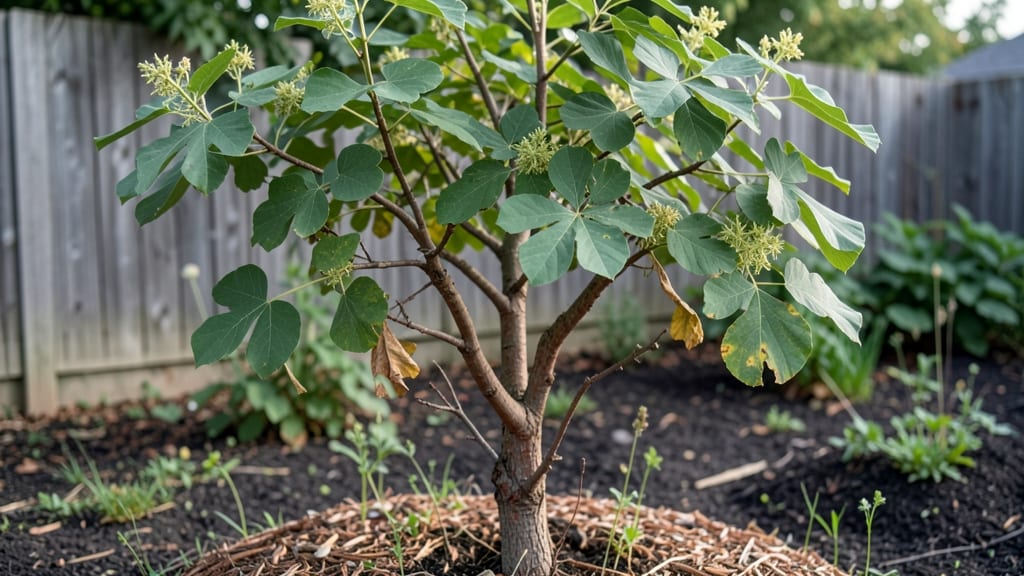
Sassafras tree flowers are the Pacific Northwest’s secret weapon for hummingbird lovers—tiny, fragrant blooms that thrive even after frost. 🌿 I’ve watched them transform my yard from a quiet corner to a hummingbird highway, with ruby-throated visitors darting between branches by late spring.
The key isn’t just planting; it’s understanding their stubborn charm—how they bounce back from winter’s bite and reward patience with clusters of pale yellow-green flowers that smell like root beer on a warm day.
These trees aren’t picky, but they do love deep, well-drained soil and at least 6 hours of sunlight daily. In the PNW’s damp climate, they handle frost like a champ, often blooming earlier than expected when temperatures climb into the 50s.
The flowers themselves are small—just ¼-inch wide—but packed with nectar that hummingbirds can’t resist. Propagation’s easiest from saplings, though seeds take longer to flower (3–5 years vs. 1–2 for nursery-grown trees).
What makes them special? The flowers aren’t just food—they’re a pollinator party. Bees, butterflies, and hummingbirds all show up, and the tree’s mottled bark adds winter interest. By summer, those blooms turn into bright red berries that birds adore.
The trade-off? Sassafras roots spread aggressively, so plant them where they can stretch out—15–20 feet apart—or contain them in large containers if space is tight.
Once established, they’re nearly foolproof. Water deeply in dry spells, mulch to protect roots, and prune only to shape—never to “encourage” flowers, since they bloom on new growth.
In my yard, the first hummingbird of spring always finds them first. Ready to turn your garden into a winged wonderland? Let’s get growing.
📚 In This Guide
- What you need
- Instructions
- Tips and common mistakes
- Wrapping up and next steps
What you need
- ● Growing sassafras tree flowers in the Pacific Northwest is a rewarding project, and having the right materials ensures success! Here’s what you’ll need to get started:
- ● Pro tip: 💡 If starting from seeds, soak them overnight to speed up germination!
Step-by-Step instructions for cultivating sassafras tree flowers
Here’s how to coax fragrant, hummingbird-loved blooms from this hardy Pacific Northwest native.
🌱 Step 1: Select and Prepare the Planting Site
Sassafras thrives in partial shade to full sun but tolerates dappled woodland conditions—ideal for understory plantings. Choose a spot with well-draining soil and slightly acidic pH (5.0-6.5). In the Pacific Northwest’s wet winters, avoid soggy areas where roots rot.
If your soil is heavy clay, amend with 2-3 inches of compost mixed into the top 12 inches of soil. Sassafras roots spread aggressively, so dig a hole twice as wide as the root ball but only as deep—planting too deep suffocates roots. Loosen the sides of the hole to encourage root penetration.
☀️ Step 2: Plant at the Right Time and Depth
Fall is the best time to plant sassafras in the Pacific Northwest, allowing roots to establish before spring’s frost-resistant growth surge. If planting in spring, do it 4-6 weeks before last frost—these trees hate transplant shock.
Place the root ball so the top of the root flare (where roots meet trunk) sits 1 inch above soil level. Backfill with native soil, tamping gently to remove air pockets. Water deeply until moisture reaches 12 inches down, then mulch with 3 inches of wood chips to retain moisture and regulate soil temperature.
💧 Step 3: Water Strategically for First-Year Establishment
Newly planted sassafras need deep watering every 7-10 days during the first growing season. Check moisture by pushing a finger 3 inches into soil—if dry, water slowly until it drains 6 inches deep. Overwatering is the fastest way to kill these trees.
Once established, sassafras tolerates drought but produces more abundant flowers with consistent moisture. In the Pacific Northwest’s mild summers, supplemental watering during dry spells encourages vigorous blooming. Avoid wetting foliage to prevent fungal diseases like powdery mildew.
✂️ Step 4: Prune for Airflow and Flower Production
Prune sassafras late winter to early spring before new growth begins. Remove dead, crossing, or inward-growing branches first—these compete for energy and reduce flower yield. Use clean, sharp pruners to make cuts just outside the branch collar.
Thin the canopy to allow sunlight to reach inner branches, where many flowers develop. Aim for an open, vase-like shape—this improves airflow and reduces humidity-related diseases. Never remove more than 25% of the canopy in one year; sassafras responds poorly to aggressive pruning.
🪴 Step 5: Fertilize Lightly for Optimal Blooming
Sassafras grows well in low-fertility soil, but a light application of 10-10-10 fertilizer in early spring encourages flower production. Sprinkle ½ cup per 100 square feet around the drip line, then water deeply to distribute nutrients. Avoid high-nitrogen fertilizers—they promote leafy growth at the expense of flowers.
In the Pacific Northwest, where soils are often nutrient-poor, compost tea applied monthly during bloom season provides a gentle nutrient boost without burning roots. Stop fertilizing 6 weeks before first frost to allow roots to harden off for winter.
Tips & tricks for cultivating sassafras tree flowers
Here's what I've learned after nurturing sassafras trees through Pacific Northwest winters—these insights will help you maximize those fragrant, hummingbird-attracting blooms.
Soil Preparation Matters: In Step 1, when amending heavy clay soil, don't just top-dress with compost. Mix that 2-3 inches of compost thoroughly into the top 12 inches of soil to create a proper root zone. I've seen sassafras roots struggle when planted in unamended heavy soil—they need that looser texture to spread properly. For even better drainage, consider adding a handful of perlite or coarse sand to the mix.
Timing is Everything for Planting: The instructions mention planting in fall or 4-6 weeks before last frost, but here's the thing: if you're in a colder microclimate, push that spring planting back another 2 weeks. I planted one tree too early in a frost pocket, and it took two growing seasons to recover. Check your local frost dates and adjust accordingly—sassafras roots need time to establish before cold snaps.
Watering Wisdom: Those 7-10 day watering intervals in Step 3 are perfect for our region's mild summers, but watch for signs of stress. In Step 3, when you check moisture by pushing your finger 3 inches deep, look for wilting leaves or curled leaf edges—they're early warning signs. Sassafras can handle drought once established, but new plantings need consistent moisture to develop strong root systems. Early morning watering prevents fungal issues too.
Pruning for Maximum Blooms: When you're pruning in Step 4, focus on creating that open vase shape by removing branches that grow inward. I've found that sassafras produces its most abundant flowers on branches that receive direct sunlight for at least 6 hours daily. Thin the canopy gradually—never take more than 25% in one year—as these trees respond poorly to aggressive pruning. Use clean, sharp pruners to make cuts just outside the branch collar for faster healing.
Pro Tips for Sassafras Tree Flowers
- Here's what I've learned after nurturing sassafras trees through Pacific Northwest winters—these insights will help you maximize those fragrant, hummingbird-attracting blooms.
- Soil Preparation Matters: In Step 1, when amending heavy clay soil, don't just top-dress with compost.
- Timing is Everything for Planting: The instructions mention planting in fall or 4-6 weeks before last frost, but here's the thing: if you're in a colder microclimate, push that spring planting back another 2 weeks.
Frequently asked questions
Got questions about sassafras tree flowers? You’re not alone! Here are answers to the most common queries—from timing to troubleshooting—so you can grow these stunning blooms with confidence.
When do sassafras tree flowers bloom in the Pacific Northwest?
Sassafras flowers typically bloom in late winter to early spring (February–March), just before the iconic yellow-green foliage emerges. In the PNW’s milder coastal regions, blooms may appear slightly earlier, while inland areas might see them a bit later. Pro tip: Watch for frost warnings—these delicate flowers can be damaged by late frosts.
How do I attract hummingbirds to my sassafras tree?
Hummingbirds love sassafras flowers! To maximize visits, plant your tree in a sunny, sheltered spot (they prefer protection from wind). Add a hummingbird feeder nearby with a 1:4 sugar-water ratio (no dye!). Avoid pesticides—hummingbirds are sensitive to chemicals. Bonus: Native sassafras varieties (like Sassafras albidum) are their top choice!
Why aren’t my sassafras flowers opening?
If your sassafras flowers stay budded, check these common issues:
- Too much shade: Sassafras needs at least 6 hours of sun daily for blooms.
- Overwatering: Soggy soil can stress roots. Water deeply but only when the top 2 inches of soil are dry.
- Young tree: Mature sassafras (5+ years) produce more flowers. Be patient!
- Frost damage: Late frosts can kill buds. Use frost cloth if frost is forecasted.
Can I grow sassafras from seeds or should I buy a sapling?
You can grow sassafras from seeds, but it’s slow (germination takes 30–90 days) and unpredictable. For faster, guaranteed results, buy a 1–2-year-old sapling from a local PNW nursery. Saplings root easily and bloom sooner. Seed tip: Stratify seeds (cold-moist treatment) to mimic winter for better germination rates.
Are sassafras flowers edible or toxic?
While sassafras roots and bark were historically used in tea (now avoided due to safrole content), the flowers and leaves are non-toxic and safe for humans and pets. However, the berries are toxic if consumed in large quantities—keep pets and kids away from them. Use flowers sparingly in teas or garnishes for a mild, aromatic touch.
What’s a good alternative if sassafras doesn’t thrive in my yard?
If your soil or climate is tricky, try these hummingbird-friendly PNW alternatives with similar blooms:
- Pacific Dogwood (Cornus nuttallii) – Stunning spring flowers, drought-tolerant.
- Oregon Grape (Mahonia aquifolium) – Early blooms, shade-tolerant.
- Red Flowering Currant (Ribes sanguineum) – Vibrant red clusters, great for pollinators.
Wrapping up and next steps
The sassafras tree flowers are a true gem of the Pacific Northwest—easy to grow, resilient to frost, and a hummingbird’s dream! 🌸 With the right soil, sunlight, and a little patience, you can enjoy their fragrant blooms and vibrant foliage for years.
Whether you’re a gardening newbie or a seasoned pro, this frost-resistant beauty is a rewarding addition to any landscape.
Ready to plant your own? Grab those seeds or saplings, pick a sunny spot, and get growing! Share your progress—or your hummingbird visitors—with the gardening community for extra inspiration. Happy planting! 🌱✨