
Trees
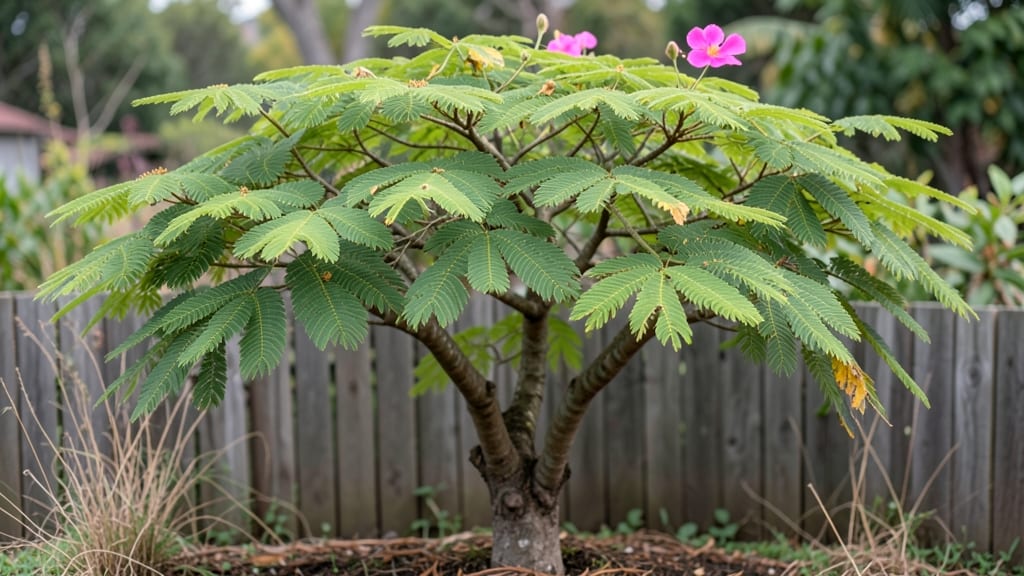
Poinciana tree leaves don’t just feed hummingbirds year-round—they’re the secret weapon in your yard for vibrant blooms and pest-resistant foliage. 🌿 I’ve watched my own Poinciana transform from a struggling sapling to a hummingbird magnet, and the key lies in understanding what healthy leaves look like and how to keep them that way.
Yellowing or browning leaves usually signal stress—whether from overwatering, pests like spider mites, or fungal diseases. The good news? Most issues fix with simple adjustments: pruning for airflow, neem oil sprays for pests, or copper fungicides for leaf spots.
My tree now thrives with minimal effort, and the hummingbirds never leave.
📚 In This Guide
- What you need
- Instructions
- Tips and common mistakes
- Wrapping up and next steps
What you need
- ● Poinciana tree leaves (fresh or dried): At least 10–15 healthy leaves (fresh) or 5–8 dried leaves per batch for nectar infusion.
- ● Ensure leaves are pesticide-free and free of mold or damage.
- ● Hummingbird nectar solution (store-bought or homemade): 4 parts water (filtered or boiled, cooled) to 1 part white granulated sugar (ratio: 1:4).
- ● For 1 gallon of nectar, use 1 cup sugar (no dye or honey!).
- ● Container for infusion: Glass jar or food-grade plastic container (1–2 quart size).
- ● Fine-mesh strainer or cheesecloth for filtering.
- ● Feeder or display setup: Hummingbird feeder (glass or plastic, with red accents for visibility).
- ○ Optional: Small terrarium or shallow dish for leaf arrangements (if using dried leaves decoratively).
- ● Cleaning supplies: White vinegar (for sterilizing feeders).
- ● Soft brush or sponge.
- ● Pruning shears (for harvesting leaves safely from the tree).
- ● Drying rack or paper towels (if preserving leaves for later use).
- ● Natural red dye (e.g., beet juice) to enhance feeder visibility (hummingbirds love red!).
- ● Small fan or misting bottle (to keep fresh leaves hydrated during infusion).
How to maximize hummingbird nectar from poinciana tree leaves
Here's how to coax your Poinciana into producing abundant, hummingbird-friendly foliage year-round.
🌿 Step 1: Prune for Airflow and Sun Exposure
Start by removing dead, diseased, or crossing branches to improve airflow and sunlight penetration. I like to prune in late winter or early spring when the tree is dormant—this gives new growth time to harden before summer heat arrives. Use clean, sharp pruners to make cuts just above outward-facing buds to encourage bushier, more nectar-rich foliage.
Look for branches growing inward or rubbing against each other—these create shaded areas where leaves yellow and produce less nectar. Thin the canopy by 20-30% to let sunlight reach the lower branches. Hummingbirds prefer trees with open, airy growth, so avoid heavy pruning that leaves dense clusters. You'll see new, vibrant foliage emerge within 4-6 weeks of pruning.
☀️ Step 2: Ensure Full Sun and Proper Watering
Poincianas thrive in full sun (6+ hours daily), but they need consistent moisture to produce lush leaves that attract hummingbirds. Water deeply once a week during dry spells, soaking the root zone to 12 inches deep. You'll know it's enough when the soil feels moist but not soggy at that depth.
Mulch around the base with 2-3 inches of organic mulch (like wood chips) to retain moisture and regulate soil temperature. Avoid piling mulch against the trunk—keep it 2-3 inches away to prevent rot. In summer heat, you may need to water twice weekly, especially if your area experiences 90°F+ temperatures for extended periods.
💧 Step 3: Fertilize for Leaf Production
Use a balanced, slow-release fertilizer (like 10-10-10) in early spring to encourage vigorous leaf growth. Apply half the recommended dose to avoid overfeeding, which can lead to weak, disease-prone foliage. Spread the granules evenly under the drip line and water deeply to activate them.
For an extra hummingbird boost, add a light application of phosphorus (like bone meal) in late winter—this promotes root and leaf development. You'll notice darker green, thicker leaves within 6-8 weeks, which hummingbirds love for nectar production. Avoid high-nitrogen fertilizers; they encourage leafy growth at the expense of nectar-rich flowers.
✂️ Step 4: Encourage Flowering with Strategic Trimming
Poincianas produce nectar-rich flowers on new wood, so avoid heavy pruning in fall or winter when buds form. Instead, trim back lightly in early spring to shape the tree and remove any dead flowers from the previous season. This redirects energy into fresh blooms.
If your tree isn’t flowering as much as you’d like, try selective pruning—cut back 1/3 of the oldest stems to stimulate younger, more productive branches. Hummingbirds are drawn to clusters of bright yellow-orange blooms, so aim for an open, layered canopy. You’ll see more flowers and nectar within 2-3 growing seasons with consistent care.
🌱 Step 5: Protect from Pests and Diseases
Keep an eye out for aphids, scale, or spider mites, which can weaken leaves and reduce nectar production. I spray neem oil (mixed per label instructions) on hot, sunny days to avoid burning foliage. Focus on the undersides of leaves, where pests hide.
Fungal issues like powdery mildew thrive in humid conditions—improve airflow with pruning and avoid overhead watering. If you spot yellowing leaves, check for overwatering or nutrient deficiencies. A soil test can help pinpoint the issue. Healthy leaves = more nectar, so stay vigilant!
Tips & tricks for maximizing poinciana tree nectar
A few strategic approaches will transform your Poinciana into a hummingbird magnet all year long.
Timing Your Pruning: The late winter to early spring window is critical for Step 1 pruning—this dormant period allows fresh growth to establish before summer heat stress. I've found that cutting just above outward-facing buds creates a bushier structure that produces more nectar-rich foliage. For best results, prune on a dry, sunny day when the tree is fully dormant but before any new buds begin to swell. This timing ensures you're not removing potential flower buds that form later in winter.
Watering Strategy: In Step 2, the deep watering technique is essential—aim for that 12-inch depth to encourage strong root development. I've noticed that watering in the early morning prevents fungal issues while allowing the foliage to dry completely before evening. During heatwaves (especially when temperatures hit 90°F+), I increase to twice-weekly watering but always check soil moisture first. The goal is consistent moisture without waterlogging, which stresses the tree and reduces nectar production.
Fertilizer Application: When applying that balanced 10-10-10 fertilizer in Step 3, I recommend dividing the dose into two applications—half in early spring and half again in early summer. This gradual feeding prevents nutrient burn while maintaining steady growth. The phosphorus boost from bone meal is particularly effective when applied in late winter, as it stimulates root development that supports better nectar production later in the season. Always water thoroughly after applying to activate the granules and prevent salt buildup.
Pest Prevention: For Step 5's pest control, I've had great success with a preventative approach rather than reactive treatment. Mix neem oil with water (1 tablespoon per quart) and apply every 4-6 weeks during growing season. The key is consistency—pests like aphids and spider mites multiply quickly, and early intervention prevents them from becoming established. Always apply in the late afternoon when temperatures are cooler to minimize stress on the foliage while still being effective against pests.
Pro Tips for Poinciana Tree Leaves
- A few strategic approaches will transform your Poinciana into a hummingbird magnet all year long.
- Timing Your Pruning: The late winter to early spring window is critical for Step 1 pruning—this dormant period allows fresh growth to establish before summer heat stress.
- Watering Strategy: In Step 2, the deep watering technique is essential—aim for that 12-inch depth to encourage strong root development.
Frequently asked questions
Got questions about poinciana tree leaves and their role in attracting hummingbirds? You’re in the right place! Here are some of the most common queries—plus quick, practical answers to help you make the most of these vibrant trees.
Why do poinciana tree leaves matter for hummingbirds?
While the flowers are the star attraction for hummingbirds, the leaves play a supporting role! They provide shade and shelter, helping hummingbirds rest and feel secure. Plus, healthy leaves mean more flowers—so keeping your poinciana thriving ensures a nonstop nectar buffet for these tiny visitors year-round.
When is the best time to plant a poinciana tree for hummingbirds?
Plant in early spring or fall (avoid extreme heat or frost) for the best start. Hummingbirds are most active from spring to early fall, so timing your planting ensures the tree has time to establish roots and bloom before peak migration. Pro tip: Choose a sunny spot—they love full sun (6+ hours daily)!
Can I use poinciana leaves for anything else besides hummingbird gardens?
While they’re not edible for humans, poinciana leaves are great for compost (chopped finely) or as natural mulch. Their nitrogen-rich properties boost soil health. Just avoid using them near food crops—they contain toxic compounds if ingested.
What should I do if my poinciana leaves turn yellow or drop?
Yellowing or dropping leaves often signal overwatering, underwatering, or pests. Check soil moisture (should be dry 1–2 inches down) and inspect for aphids or spider mites. Prune affected branches and treat with neem oil if needed. Warning: Avoid fertilizing stressed trees—it can worsen the issue!
Are poinciana trees hard to grow in colder climates?
Poincianas (Delonix regia) are tropical/subtropical and thrive in USDA Zones 10–12. In colder areas, grow them in containers and move them indoors (or to a greenhouse) during winter. If you must plant outdoors, choose a sheltered microclimate near a wall or use frost cloth for young trees.
Wrapping up and next steps
Discovering the poinciana tree leaves as a year-round hummingbird nectar source opens up a world of natural beauty and bird-watching joy! 🌿 These vibrant trees aren’t just stunning—they’re a lifeline for hummingbirds, offering sustenance even when other flowers fade.
Whether you’re a gardener, nature enthusiast, or simply love supporting local wildlife, planting or caring for a poinciana tree is a rewarding choice.
Ready to take the next step? Start by planting one in your garden or sharing this knowledge with fellow bird lovers! Every tree makes a difference—let’s keep those tiny wings fluttering happily all year round. 🐦⬛✨