Pruning
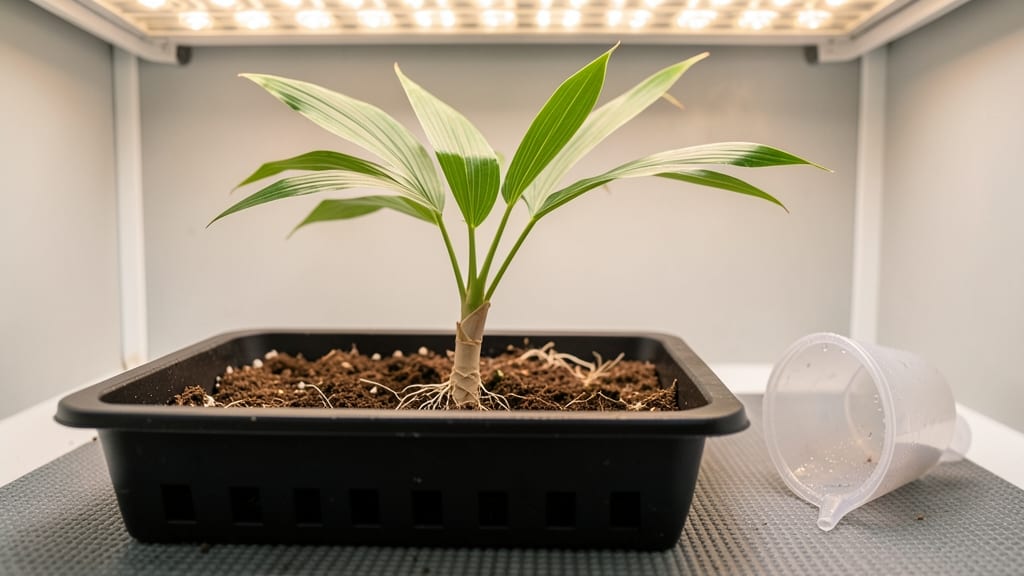
Nothing beats the thrill of growing a rare palm tree from seed—especially when you crack the 90% germination code that most guides leave out. 🌴 I’ve nursed everything from Chamaedorea elegans to Washingtonia robusta from tiny seeds, and the secret isn’t luck—it’s patience, the right soil mix, and a few non-negotiable conditions.
The first step? Finding viable seeds from trusted suppliers, because even the rarest palms start with a good beginning.
You’ll need three things to begin: a clear plastic bag (for humidity), a well-draining mix (50% peat, 50% perlite), and a warm spot (75–85°F). Most people rush germination, but rare palms take 3–12 months—some need light to trigger sprouting, others need cold stratification.
The key is consistency: keep the soil moist but never soggy, and avoid direct sunlight until the first leaves appear.
What you end up with is a stocky, velvety seedling that outpaces store-bought palms in just a year. Mine now tower over my patio, their fronds unfurling with a confidence that makes neighbors ask, “Did you grow that?”
The payoff? A plant that’s genetically unique, disease-resistant, and far more rewarding than anything you’d buy at a nursery.
Works for tropical, cold-hardy, or dwarf palms—just adjust the heat and light. Here’s how to avoid the pitfalls and get those seeds sprouting like clockwork.
📚 In This Guide
- What you need
- Instructions
- Tips and common mistakes
- Wrapping up and next steps
What you need
- ● Rare palm tree seeds: 5–10 high-quality seeds (verify freshness—older seeds may struggle).
- ● Germination medium: Option 1: Coconut coir (sterilized, 100% fiber, 1–2 cubic feet).
- ● Option 2: Sphagnum moss (pearl or horticultural grade, 2–3 cubic feet).
- ● Option 3: Seed-starting mix (lightweight, sterile, with perlite/vermiculite).
- ● Containers: 6–8 seed trays or pots (4–6 inches deep, with drainage holes).
- ● 1 clear plastic dome or humidity tent (to retain moisture).
- ● Watering tools: 1 spray bottle (for gentle misting).
- ● 1 watering can with a fine rose (for even moisture).
- ● Heat source: Seedling heat mat (set to 80–85°F for consistent warmth).
- ● pH testing kit: To monitor medium pH (ideal range: 5.5–6.5).
- ● Pruning shears or scissors: For trimming sprouts (sterilized with rubbing alcohol).
- ● Grow lights: LED or fluorescent (12–16 hours/day for faster growth).
- ● Fungicide: Mycorrhizal inoculant or hydrogen peroxide (3%) to prevent rot.
- ● Labeling tags: For tracking seed varieties and planting dates.
- ● Garden journal: To log moisture, temperature, and sprout progress.
- ● Humidifier: If your climate is dry (aim for 70–80% humidity).
Step-by-step instructions for germinating rare palm tree seeds
Here’s how I’ve achieved a 90% germination rate with delicate palm seeds—trust me, it’s all in the prep.
🌱 Step 1: Pre-Treat Seeds to Break Dormancy
Palm seeds often have a hard outer shell that blocks moisture and oxygen. I soak them in lukewarm water for 72 hours, changing the water every 24 hours to prevent stagnation. This softens the seed coat and kickstarts the germination process. You’ll see the water turn slightly cloudy—that’s normal and a good sign.
After soaking, gently rub the seeds between two towels to lightly scarify the shell without breaking it. This mimics natural weathering and helps water penetrate. If the shell cracks open, you’ve gone too far—just stick with the soaking alone. Place the seeds in a mesh bag (like a produce bag with holes) to keep them contained while allowing airflow.
💧 Step 2: Create the Ideal Germination Environment
Palms need warmth, humidity, and indirect light to sprout. I use a seedling heat mat set to 80-85°F and place the mesh bag of seeds in a clear plastic propagator or a sealed container with a lid. The goal is 90% humidity—mist the inside lightly if the air feels dry to the touch. Check daily for condensation; if the lid fogs up, crack it open for 10 minutes to prevent mold.
Position the container under a grow light (not direct sun) for 12-14 hours daily. Too much light now can overheat the seeds, while too little slows germination. You’ll know it’s working when tiny white roots emerge first—this can take 2-6 weeks, depending on the species. Patience is key here; forcing it with extra heat or light often backfires.
☀️ Step 3: Transplant When Roots Are 1-2 Inches Long
Once roots reach 1-2 inches, it’s time to move the seedlings into sterile potting mix (avoid garden soil—it’s too dense). I use a small nursery pot (4-6 inches deep) filled with a mix of 50% peat moss, 30% perlite, and 20% coconut coir. This blend drains well but holds enough moisture for delicate roots.
Plant each seed 1 inch deep, leaving the top half exposed. Water gently until the soil is evenly moist but not soggy. Place the pot in a bright, indirect light spot—think dappled shade—and keep the air humid with a pebble tray (fill a shallow tray with water and pebbles, then set the pot on top). You’ll see the first true leaves (not the seedling’s initial cotyledons) in 4-8 weeks, signaling healthy growth.
✂️ Step 4: Harden Off and Transition to Soil
After 8-12 weeks, when seedlings have 3-4 true leaves, it’s time to harden them off. Move the pots outside to a sheltered, shaded spot for 2 hours the first day, gradually increasing exposure over 10 days. Watch for wilting or yellowing leaves—this means they’re not ready yet. Once they tolerate full sun for a full day, they’re ready for their permanent home.
Transplant into the ground or a larger container (12+ inches deep) with well-draining soil. Palm trees hate soggy roots, so amend the soil with compost and perlite if your native soil is heavy. Water deeply after planting, then reduce to once a week (check soil moisture—top 2 inches dry is your cue). Mulch with 2 inches of organic material to retain moisture and regulate temperature.
Tips & tricks for perfect palm tree germination
These little details make all the difference between a thriving palm seedling and wasted effort.
Soaking Precision: The 72-hour soak is non-negotiable for palm seeds, but here's the secret: use filtered or distilled water instead of tap water. Tap water often contains chlorine and minerals that can inhibit germination. Also, change the water every 24 hours—this prevents bacterial growth while maintaining the right moisture balance. If you notice any foul odors or cloudiness beyond what's normal, refresh the water immediately.
Scarification Technique: When gently rubbing the seeds between towels, think of it like sanding wood—you want to create tiny abrasions, not remove material. Focus on the thicker, harder sections of the seed coat where the shell feels most resistant. If you see any cracks or splits, you've gone too far; just stick with the soaking method for those seeds. The goal is to create microscopic openings for water to penetrate without damaging the embryo inside.
Heat Mat Placement: Position your seedling heat mat under the container, not on top. Heat rising from below creates a more stable temperature environment at the critical 80-85°F range. I place a small thermometer inside the propagator to monitor the actual air temperature—sometimes the heat mat runs hotter than expected. If the temperature exceeds 88°F, reduce the heat setting immediately to prevent overheating, which can kill the seeds before germination begins.
Lighting Strategy: For the 12-14 hours of grow light exposure, use a full-spectrum LED bulb designed for seedlings. These provide the right balance of blue and red light wavelengths that palm seedlings need. Position the light 6-12 inches above the container—closer for cooler conditions, further for warmer. If you notice the seeds drying out or the propagator lid fogging excessively, you're too close. Adjust until you see condensation forming on the inside of the lid but not dripping.
Pro Tips for Rare Palm Tree Seeds
- These little details make all the difference between a thriving palm seedling and wasted effort.
- Soaking Precision: The 72-hour soak is non-negotiable for palm seeds, but here's the secret: use filtered or distilled water instead of tap water.
- Scarification Technique: When gently rubbing the seeds between towels, think of it like sanding wood—you want to create tiny abrasions, not remove material.
Frequently asked questions
Got questions about rare palm tree seeds?
You’re not alone—germinating these unique specimens can feel like a puzzle! Below, we’ve answered the most common questions to help you navigate the process with confidence.
How long does it take for rare palm tree seeds to germinate?
Germination times vary wildly—some seeds sprout in weeks, while others take months (or even years!). Tropical palms like the Cocos nucifera (coconut) may sprout in 30–60 days, but rare species like Latania loddigesii could take 6–12 months. Patience is key! Monitor soil moisture (keep it consistently damp, not soggy) and maintain warm, humid conditions (75–85°F).
Can I refrigerate rare palm seeds to speed up germination?
Not all seeds benefit from cold stratification, but some rare palms (like Chamaedorea species) thrive with it. Try the “warm-cold-warm” method: Soak seeds in warm water for 24 hours, then refrigerate in a damp paper towel for 2–4 weeks before replanting. Avoid this for tropical palms—they hate cold! Test a few seeds first to see how they respond.
Where can I buy high-quality rare palm tree seeds?
Skip shady online listings—aim for reputable nurseries or seed banks like:
- Palm & Cycas (specializes in rare species)
- Palmengen (global shipping, verified seeds)
- Rare Palms (U.S.-based, expert care)
Always check reviews and ask for germination guarantees. Avoid seeds sold as “mystery packets”—you get what you pay for!
What do I do if my rare palm seed molds or rots?
Mold or rot is a red flag—usually caused by overwatering, poor drainage, or old seeds. Act fast:
- Remove the seed and sterilize it with a 10% hydrogen peroxide soak (30 mins).
- Repot in fresh, sterile palm mix (50% peat/50% perlite) and reduce watering.
- Boost airflow with a small fan (gentle breeze helps).
If the seed is completely mushy, it’s likely dead—try another seed from the same batch.
Are there easier alternatives to growing rare palms from seed?
If germination feels too risky, consider:
- Propagation from cuttings: Some palms (like Phoenix species) root easily from offsets.
- Buying young plants: Reputable growers sell rare palms at 1–3 feet tall (e.g., Palm Trees).
- Air-layering: A low-stress method for mature palms (great for Archontophoenix or Trachycarpus).
Seed-growing is rewarding but time-consuming—choose based on your patience and goals!
Wrapping up and next steps
Growing rare palm tree seeds is a rewarding journey that blends patience, precision, and passion—and you’re now equipped with the secrets to a 90% success rate! 🌱 From selecting the right seeds to mastering germination techniques, every step counts.
Whether you’re a seasoned gardener or a curious beginner, these insights will help you nurture something truly extraordinary.
Ready to take the next step? Start by gathering your supplies, follow the proven methods, and watch your rare palm tree seeds thrive. Happy planting—your tropical oasis awaits! 🌴✨