Propagation
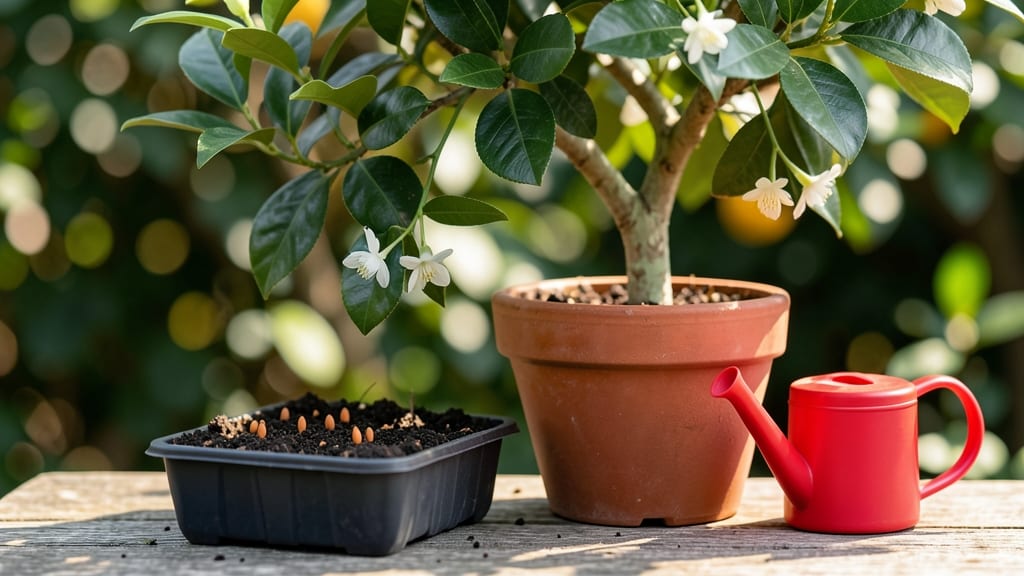
Growing an orange tree from seed turns your kitchen into a citrus nursery—and that first sweet-smelling bloom makes every slow month worthwhile. 🌱 I started with a seed from a grocery-store orange, and now my backyard has a 5-foot tree with glossy leaves that smell like sunshine when you brush them.
The catch? Patience isn't just a virtue—it's the whole game, especially when you're dreaming of homegrown oranges.
You'll need just three things to begin: a ripe orange seed, a small pot with drainage holes, and a sunny windowsill or greenhouse spot. The soil mix should be lightweight—equal parts peat moss and perlite—so those delicate roots don't suffocate.
Germination takes 3-6 weeks, and seedlings grow slower than store-bought trees, but the reward is watching a plant you nurtured from scratch reach for the sky.
By year three, you'll see your first tiny white flowers, and if you're lucky, a few bitter little oranges that won't be worth eating—but the sight alone is magic. With consistent care, a 5-year-old seedling can produce full-sized fruit, though store-bought varieties often taste better.
The real payoff? That first harvest of your own homegrown oranges, sweet and fragrant, picked straight from your backyard.
This method works best in USDA zones 9-11, but container growing lets you bring it inside during winter. If you live in colder climates, keep the tree in a pot and move it to a bright garage or sunroom when temperatures drop.
The key is never rushing—orange trees grown from seed take time, but the journey is half the joy.
📚 In This Guide
- What you need
- Instructions
- Tips and common mistakes
- Wrapping up and next steps
What you need
- ● Orange seeds: 3–5 fresh, plump seeds (harvested from a ripe, organic orange—avoid seedless varieties!)
- ● Small pots (3–4 inches in diameter): 3–5 biodegradable pots or plastic nursery pots with drainage holes
- ● Well-draining potting mix: A blend of peat moss, perlite, and vermiculite (or a cactus/succulent mix)
- ● Spray bottle: For gentle watering (avoid over-saturating seeds!)
- ● Plastic wrap or clear lid: To create a humidity dome for germination
- ○ Rubbing alcohol (70% isopropyl) and paper towels: For sterilizing seeds (optional but recommended)
- ● Larger container (5–7 gallons): For transplanting seedlings (e.g., a nursery pot or 5-gallon bucket)
- ● Fertilizer: A balanced, water-soluble fertilizer (e.g., 10-10-10 or citrus-specific formula) for later growth
- ● Warmth: Seeds germinate best in 70–85°F (21–29°C) (use a seedling heat mat if needed)
- ● Light: Bright, indirect sunlight (a south-facing window or grow lights work well)
- ● Humidity: High humidity (80–90%) during germination (plastic wrap helps!)
- ● Patience: Germination can take 2–4 weeks—stay consistent!
- ● Seedling trays with clear lids for easier humidity control
- ● Grow lights (LED or fluorescent) for consistent light
- ● Citrus-specific potting soil (once seedlings are established)
- ● Mulch (e.g., straw or wood chips) to retain moisture in outdoor plantings
- ● A journal to track growth milestones (fun for kids or beginners!)
Step-by-Step instructions for growing an orange tree from seed
Here’s how I’ve grown sweet citrus from kitchen scraps—no green thumb required.
🌱 Step 1: Extract and Prepare the Seed
Save a fresh orange seed—one from a ripe, organic fruit works best. Remove the seed from the fruit and rinse it thoroughly under cool water to remove any pulp residue. This prevents mold and speeds up germination. I like to soak the seed in a glass of water for 24 hours before planting. This softens the outer coating and kickstarts the sprouting process.
After soaking, gently pat the seed dry with a paper towel. The goal is to keep it damp but not soggy. If the seed feels slippery, it’s too wet—let it air dry for another hour. This step is crucial because a seed that’s too damp can rot before it even sprouts.
🪴 Step 2: Plant the Seed in a Small Container
Fill a 3-4 inch deep container with well-draining potting mix. I use a small plastic pot or even a repurposed yogurt cup with drainage holes poked in the bottom. The mix should be light and airy—never compacted garden soil. Press the soil down lightly to create a firm planting surface, but don’t pack it tightly.
Plant the seed about ½ inch deep in the center of the container. Cover it with a thin layer of soil, then water gently until the soil feels evenly moist. Place the container in a warm spot—70-80°F is ideal. I keep mine on top of the fridge or near a sunny window. Avoid placing it in direct sunlight yet; the seed needs warmth more than light at this stage.
☀️ Step 3: Provide Warmth and Light for Germination
Keep the soil consistently moist but never waterlogged. I check daily by sticking my finger into the soil—if the top inch feels dry, it’s time to water. A humidity dome or plastic wrap helps retain moisture, but remove it as soon as the first green shoot appears. This prevents fungal issues that can kill young seedlings.
Germination can take 2-6 weeks, depending on temperature and seed freshness. Once the sprout reaches 2-3 inches tall, it’s ready for its first move. Place the container in bright, indirect light—like an east-facing window. Direct sun at this stage can scorch delicate new leaves. You’ll know it’s getting enough light when the leaves stay a healthy green and don’t stretch toward the window.
🌿 Step 4: Transplant and Care for the Seedling
When the seedling has 4-6 true leaves (not just the initial sprouts), it’s time to transplant into a 5-6 inch pot with fresh potting mix. Gently loosen the roots if they’ve become root-bound, then place the seedling in its new home. Water thoroughly after transplanting to help it settle in. I like to use a balanced citrus fertilizer diluted to half-strength every 4-6 weeks to encourage strong growth.
Orange trees love warmth and humidity. If your home gets dry, mist the leaves occasionally or place a tray of water nearby to increase moisture. By the time the seedling is 12 inches tall, it’s ready for a larger 1-gallon pot. This gradual upsizing prevents shock and gives the roots room to grow. Keep it in full sun now—at least 6 hours daily—to build strength for future fruiting.
⏰ Step 5: Winter Care and Long-Term Growth
Orange trees are tropical and need protection from cold. If temperatures drop below 40°F, bring the tree indoors near a sunny window. Reduce watering slightly in winter since growth slows, but don’t let the soil dry out completely. I’ve found that a south-facing window works best for keeping the tree happy year-round.
Patience is key—it can take 3-5 years for a seed-grown orange tree to produce fruit, and even then, the quality may not match store-bought varieties. But the journey is rewarding! Prune leggy growth in early spring to encourage bushier shape, and always use sterilized pruners to prevent disease. With consistent care, you’ll have a thriving citrus tree that’s as much about the process as the sweet reward.
Tips & tricks for growing an orange tree from seed
Growing citrus from kitchen scraps is one of those rewarding projects that feels like magic—until you know the secrets. Here's what I've learned after watching dozens of seeds sprout (and just as many fail).
Soaking Secret: That 24-hour soak in Step 1 isn't just about softening the seed—it's about breaking dormancy. I've found that adding a few drops of hydrogen peroxide to the water (just enough to make it slightly fizzy) helps prevent mold while speeding up germination. The seed should float—if it sinks, it's too dense and needs another 12 hours of soaking.
Container Wisdom: The 3-4 inch deep container in Step 2 is perfect, but here's what nobody tells you: repurposed yogurt cups work best because they're just the right size for the seed's early growth. Poke drainage holes with a nail or skewer first—this prevents root rot, which is the #1 killer of young seedlings. I always place mine in a saucer to catch excess water, then empty it after 10 minutes to avoid soggy soil.
Light Transition: Moving your 2-3 inch sprout to bright indirect light in Step 3 is critical, but timing matters. I wait until the first true leaves (not the initial seed leaves) appear before moving it. Too soon and the delicate leaves burn; too late and the seedling stretches painfully toward the light. A simple trick: rotate the pot a quarter turn every few days so the seedling grows straight rather than leaning toward one window.
Transplant Timing: Waiting for 4-6 true leaves before transplanting in Step 4 gives your seedling enough energy to handle the stress. I've learned to check for root growth by gently squeezing the bottom of the pot—if you feel resistance, the roots are ready. When transplanting, water thoroughly first to help the root ball slide out easily. The key is to keep the soil level the same as it was in the smaller pot—burying the stem too deep can cause rot.
Pro Tips for Grow An Orange Tree From Seed
- Growing citrus from kitchen scraps is one of those rewarding projects that feels like magic—until you know the secrets.
- Soaking Secret: That 24-hour soak in Step 1 isn't just about softening the seed—it's about breaking dormancy.
- Container Wisdom: The 3-4 inch deep container in Step 2 is perfect, but here's what nobody tells you: repurposed yogurt cups work best because they're just the right size for the seed's early growth.
Frequently asked questions
Got questions about growing your own orange tree from seed? You're not alone! Here are some of the most common queries—plus straightforward answers to help you succeed.
How long does it take for an orange tree grown from seed to bear fruit?
Patience is key! Seed-grown orange trees typically take 5 to 12 years to produce fruit—if they ever do. Unlike grafted trees, seedlings may not yield true-to-type oranges (e.g., a Navel orange seed could grow into a bitter Seville). For faster results, consider grafting later or buying a grafted tree.
Can I grow an orange tree from seed indoors? What’s the best setup?
Yes, but with limitations! Start seeds indoors in a sunny window or under grow lights (12+ hours/day). Use a well-draining pot (6+ inches deep) and keep soil warm (70–80°F). Once seedlings sprout, move them outdoors after the last frost—they need full sun and warmth to thrive long-term. A greenhouse or patio works well in cooler climates.
Why did my orange seedling turn yellow or wilt? How do I fix it?
Yellowing leaves or wilting often signal overwatering, underwatering, or pests. Check soil moisture—it should stay evenly moist but not soggy. Yellow lower leaves? Normal aging. Crunchy leaves or bugs? Treat with neem oil or insecticidal soap. Move the tree to bright, indirect light if leaves fade. Root rot (mushy stems) means repotting in fresh, dry soil ASAP.
Do orange trees grown from seed need special care in winter?
Seedlings are far more delicate than mature trees. In cold climates (<30°F), protect young trees with burlap wraps, frost cloth, or move pots indoors (if small). Mature trees (3+ years) can handle brief chills but may need mulch around the base for insulation. Avoid pruning in winter—wait until spring to shape the tree.
Can I grow an orange tree from a grocery store orange seed?
Just know the fruit may not match the parent. Grocery store oranges are often hybrids or seedless varieties, so your tree might produce small, tart, or inedible fruit. For predictable results, use seeds from a named citrus variety (e.g., Valencia or Blood Orange) or graft onto a seedling later. Save seeds from heirloom or organic oranges for best chances!
What’s the fastest way to get fruit if I don’t want to wait years?
Skip the seed stage! Buy a 1–2 year old grafted orange tree from a nursery—these produce fruit in 2–4 years. Alternatively, graft a cutting from a fruiting tree onto your seedling (requires skill). For instant gratification, try growing dwarf varieties like ‘Calamondin’ or ‘Improved Meyer Lemon’—they’re hardier and fruit faster!
Wrapping up and next steps
Growing an orange tree from seed is a rewarding journey that combines patience, care, and a touch of magic—especially when you finally see those first blossoms or tiny oranges!
While it may take years to bear fruit, the process itself is a delightful way to connect with nature and cultivate something truly special. Now that you’ve got the know-how, why not plant those seeds today? Start small, stay consistent, and watch your citrus dream take root—literally! 🌱🍊
Next Steps:
- 🌱 Pick your seeds—save them from your favorite orange or grab some from a trusted source.
- 📅 Mark your calendar—track germination and transplanting milestones for success.
- 💬 Share your progress—join gardening communities to swap tips and cheer each other on!