
Trees
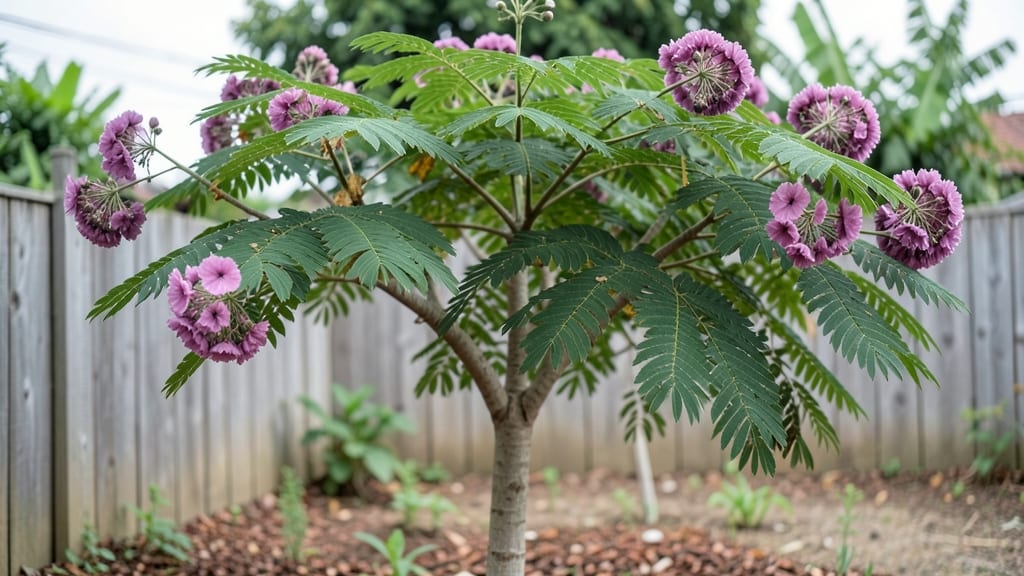
The Purple Prince tree brings a burst of color to Pacific Northwest gardens with its stunning lavender-pink blooms that appear before the leaves. 🌸 I fell in love with this tree the first time I saw it—its unique growth habit and frost-resistant flowers make it a standout in any landscape.
Unlike many spring-blooming trees, it thrives in cooler climates, which is why it’s perfect for our region’s unpredictable weather.
This small deciduous tree grows 15-20 feet tall and wide, making it ideal for both backyard gardens and urban landscapes. Its heart-shaped leaves emerge after the flowers, creating a layered display from early spring through summer.
The Cercis canadensis 'Purple Prince' is a cultivar of the Eastern redbud, known for its compact size and vibrant blooms that attract pollinators like bees and butterflies.
Planting is simple: choose a spot with full sun to partial shade and well-draining soil. It tolerates a range of soil types but prefers slightly acidic to neutral conditions.
For container growing, a 5-gallon pot is sufficient for young trees, though they’ll eventually need to be transplanted into the ground as they mature.
Once established, this tree is low-maintenance—just water deeply during dry spells and prune lightly after flowering to shape the tree. It’s also deer-resistant, which is a bonus for gardeners dealing with wildlife browsing.
With the right care, your Purple Prince will reward you with years of stunning spring color and seasonal interest.
📚 In This Guide
- What you need
- Instructions
- Tips and common mistakes
- Wrapping up and next steps
What you need
- ● Purple Prince tree: 1 bare-root sapling (1–3 years old, 3–6 ft tall) from a reputable nursery (e.g., Proven Winners or local PNW growers).
- ● OR 1–2 seeds (slower to mature; requires stratification for best results).
- ● Soil amendments: 5–10 lbs compost (well-aged, organic).
- ● 2–3 lbs sand or perlite (for drainage, especially in clay-heavy PNW soil).
- ● 1 cup slow-release fertilizer (10-10-10 or balanced formula).
- ● Planting tools: 1 shovel or spade (18–24" wide for mature trees; smaller for saplings).
- ● 1 trowel (for seed planting or delicate root handling).
- ● 1 measuring tape (to mark planting depth).
- ● Location prep: Sunlight: Full sun (6+ hours/day)—PNW’s partial shade won’t suffice for vibrant blooms!
- ● Space: 15–20 ft diameter (mature canopy spread) or 8–10 ft apart if planting multiple trees.
- ● Watering supplies: 1 garden hose with adjustable nozzle (or drip irrigation system for efficiency).
- ● 5–10 gallons of water (for initial watering; more in summer).
- ○ Optional (but helpful!): Mulch: 3–4 inches of wood chips or straw (retains moisture, suppresses weeds).
- ● Tree support: 1–2 stakes + soft ties (for young saplings in windy PNW areas).
- ● Soil test kit: To check pH (6.0–7.0 ideal) and nutrient levels.
Step-by-Step instructions for planting Purple Prince trees
This cold-hardy beauty thrives in Pacific Northwest conditions—here’s how to plant it for maximum color and resilience.
🪴 Step 1: Choose the Perfect Planting Site
Select a location with full sun to partial shade—at least 6 hours of sunlight daily—while protecting it from harsh afternoon winds. Purple Prince trees tolerate a range of soil types but prefer well-draining, slightly acidic soil with a pH between 5.5 and 7.0. If your soil is heavy clay, amend it with 3-4 inches of compost mixed into the top 12 inches of soil before planting.
Test your site’s drainage by digging a 12-inch-deep hole and filling it with water. If the water drains slowly (over 4 hours), raise the planting area by mounding soil or planting in a slightly elevated bed. This prevents root rot, which can kill young trees within weeks.
🌱 Step 2: Dig and Prepare the Planting Hole
Dig a hole twice as wide as the tree’s root ball but only as deep as the container’s root base. Loosen the sides of the hole with a shovel or hands to encourage root spread. Avoid compacting the soil—roots need loose, oxygen-rich soil to establish quickly in Pacific Northwest’s cool, damp climate.
Place the tree in the hole so the top of the root ball sits 1-2 inches above ground level. This prevents water from pooling around the trunk during heavy winter rains. Backfill the hole with the native soil, tamping it down gently in layers to remove air pockets. Water the tree deeply to settle the soil around the roots.
☀️ Step 3: Mulch and Water for Establishment
Spread a 3-inch layer of organic mulch (like wood chips or shredded bark) around the base of the tree, keeping it 6 inches away from the trunk to prevent rot. Mulch conserves moisture, regulates soil temperature, and suppresses weeds—critical for young trees in the PNW’s wet winters. Replenish mulch annually as it breaks down.
Water the tree deeply once a week during the first growing season, providing 1-2 gallons of water per irrigation. Check moisture by sticking your finger 2 inches into the soil—if it feels dry, water again. Avoid overhead watering, which can spread fungal diseases like powdery mildew, common in Pacific Northwest’s humid summers.
⏰ Step 4: Prune and Protect for Long-Term Health
Prune in late winter or early spring before new growth begins, removing any dead, damaged, or crossing branches. Use clean, sharp pruners to make cuts just outside the branch collar—the swollen area where the branch meets the trunk—to promote faster healing. Thin out crowded branches to improve airflow, reducing disease risk.
In the first year, protect young trees from late spring frosts by covering them with a frost cloth if temperatures drop below 28°F. Purple Prince trees are frost-resistant, but new growth is vulnerable. Once established, they handle PNW winters beautifully, with vibrant purple blooms appearing in late spring to early summer.
Tips & tricks for perfect Purple Prince tree planting
These pro tips will help you avoid common pitfalls and give your Purple Prince tree the best possible start in Pacific Northwest conditions.
The Sunlight Factor: In Step 1, when selecting your site, remember that "full sun to partial shade" means at least 6 hours of direct sunlight daily—but watch for afternoon shade if your location gets intense summer sun. The Pacific Northwest's variable weather means you might need to adjust based on your specific microclimate. I always scout the site at different times of day to confirm light exposure.
Soil Prep Strategy: For Step 1's soil preparation, if your test hole drains slowly (over 4 hours), consider creating a raised bed instead of just mounding soil. This gives you better control over drainage and prevents root rot, which is especially critical in the PNW's wet climate. I've seen Purple Prince trees fail within months when planted in poorly draining soil.
Planting Depth Secret: In Step 2, that 1-2 inches above ground level positioning is crucial—it prevents water from pooling around the trunk during our rainy winters. I use a small stake marked at the correct height to ensure perfect placement every time. This small detail makes a huge difference in long-term tree health.
Mulch Mastery: For Step 3's mulching, use a 3-inch layer of wood chips or shredded bark, but avoid piling it against the trunk. The 6-inch clearance prevents rot while still protecting roots. I always refresh mulch in early spring before blooming season to maintain moisture regulation and weed suppression.
Pro Tips for Purple Prince Tree
- These pro tips will help you avoid common pitfalls and give your Purple Prince tree the best possible start in Pacific Northwest conditions.
- The Sunlight Factor: In Step 1, when selecting your site, remember that "full sun to partial shade" means at least 6 hours of direct sunlight daily—but watch for afternoon shade if your location gets intense summer sun.
- Soil Prep Strategy: For Step 1's soil preparation, if your test hole drains slowly (over 4 hours), consider creating a raised bed instead of just mounding soil.
Frequently asked questions
Got questions about growing the stunning Purple Prince tree? You’re not alone! Here are answers to the most common queries from gardeners in the Pacific Northwest and beyond.
Is the Purple Prince tree truly frost-resistant?
The Purple Prince tree (Lagerstroemia 'Purple Prince') is highly frost-tolerant, surviving temperatures down to 10°F (-12°C) once established. Young saplings may need winter protection (like mulch or burlap wraps) in their first few years, but mature trees thrive in PNW winters with minimal fuss.
When is the best time to plant a Purple Prince tree?
Plant your Purple Prince tree in early spring or fall (3–4 weeks before the first frost) for optimal root establishment. Avoid summer heatwaves or winter freezes—both stress young trees. Pro tip: Water deeply before planting to reduce transplant shock!
How fast does the Purple Prince tree grow, and how large does it get?
Expect 12–18 inches of growth per year under ideal conditions. Mature trees reach 15–25 feet tall and wide, making them perfect for medium-sized yards or as a focal point. Prune annually to shape it and encourage bushier blooms!
What are some low-maintenance alternatives to the Purple Prince?
If you love the Purple Prince’s drama but want easier care, consider:
- Crape Myrtle 'Natchez' (white blooms, similar size)
- Smoke Tree (Cotinus) (drought-tolerant, fiery foliage)
- Japanese Maple 'Bloodgood' (compact, vibrant red leaves)
Why aren’t my Purple Prince tree’s leaves turning purple?
Purple foliage fades due to over-fertilization (especially nitrogen-heavy), poor drainage, or too much shade. Fix it by:
- Switching to a balanced, low-nitrogen fertilizer (like 10-10-10).
- Ensuring 6+ hours of sunlight daily.
- Amending heavy clay soil with compost for better aeration.
Wrapping up and next steps
The Purple Prince tree is a stunning, low-maintenance addition to Pacific Northwest gardens—its vibrant blooms and cold-hardy nature make it a standout choice. With the right soil, sunlight, and care, you’ll enjoy years of effortless beauty and seasonal charm. 🌿
Ready to transform your outdoor space? Plant your Purple Prince tree this season—start by selecting a sunny spot, prep the soil, and watch your garden thrive with minimal fuss. Happy gardening! 🌸