Orchid Care
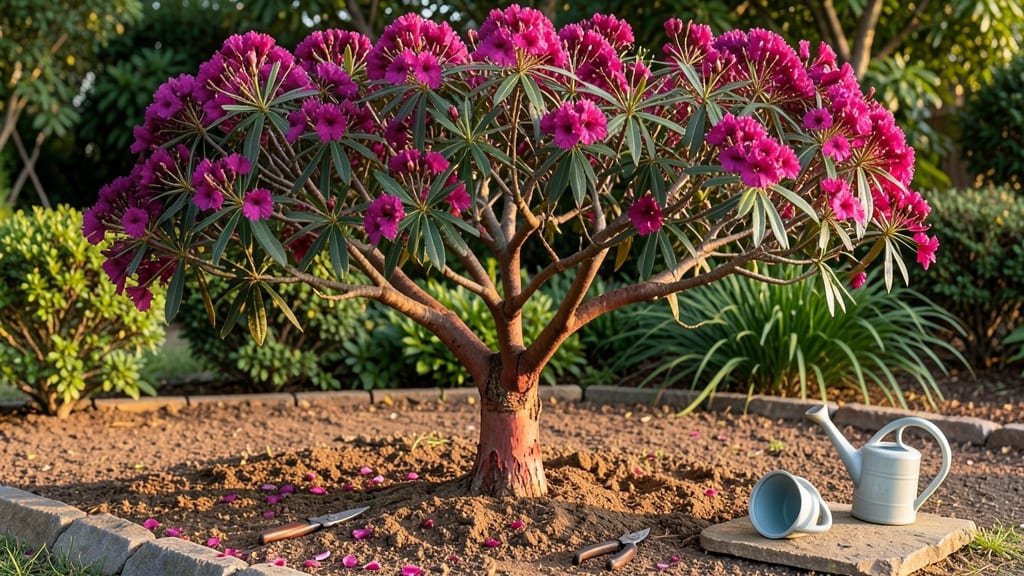
Growing a Purple Hong Kong Orchid Tree means waking up to vibrant purple blooms that last from spring through fall—no fuss, no fussiness. 🌿 I planted mine in my sunny Florida patio last year, and it’s already become the star of the neighborhood, with those striking orchid-shaped flowers that hummingbirds adore.
The secret to its success? It’s tougher than it looks, thriving in heat and drought once established.
This tree doesn’t demand much—just well-draining soil, full sun, and occasional watering once rooted. I’ve seen it survive weeks without rain, and it even handles light pruning to shape its graceful branches.
The key is getting it started right: a fast-draining mix of garden soil and sand, and a spot where it won’t get blasted by winter winds (if you’re in cooler zones).
What you’ll love most are those cascading clusters of purple blooms, each one a delicate masterpiece that turns heads. The foliage stays lush and green year-round, and with just a little pruning after blooming, you’ll encourage even more flowers next season.
It’s the kind of plant that makes gardening feel effortless—beautiful without the drama.
Perfect for containers, small yards, or as a striking focal point in tropical landscapes. Once it’s happy, it’s nearly indestructible. Let’s get yours growing!
📚 In This Guide
- What you need
- Instructions
- Tips and common mistakes
- Wrapping up and next steps
What you need
- ● Purple Hong Kong Orchid Tree: 1 nursery-grown sapling (3–6 inches tall, recommended for faster blooms), OR
- ● Seeds (collect fresh pods or buy from a reputable supplier; germination can take 4–8 weeks), OR
- ● Healthy cuttings (4–6 inches long, taken from mature branches in spring or early summer).
- ● Well-draining potting mix: 50% cactus/succulent soil, 30% perlite or pumice, 20% compost (for pots) OR amended garden soil (for in-ground planting).
- ○ Container (optional but helpful): 1 large pot (12–18 inches in diameter) with drainage holes, OR
- ● Direct planting spot with full sun (6+ hours/day) and sheltered from strong winds.
- ● Fertilizer: Balanced 10-10-10 or 20-20-20 granular fertilizer (use sparingly, every 4–6 weeks in growing season).
- ● Pruning tools: Sharp bypass pruners (sterilized with rubbing alcohol).
- ● Mulch: Organic mulch (e.g., wood chips) to retain moisture and regulate soil temperature.
- ● Rooting hormone (for cuttings, speeds up growth by 30–50%).
- ● Slow-release fertilizer tablets (for pots, reduces maintenance).
- ● Trellis or support stake (if training as a climber or small tree).
- ● Soil pH test kit (ideal range: 6.0–7.5; amend with lime or sulfur if needed).
- ● Drip irrigation system (for large plantings, saves water and time).
How to grow a thriving purple Hong Kong orchid tree
This stunning tree rewards you with vibrant blooms all year—here’s how to keep it happy with simple care.
🌱 Step 1: Choose the Right Spot and Container
Place your Purple Hong Kong Orchid Tree where it gets bright, indirect light—think east or west-facing windows, or under a sheer curtain if in direct sun. This tree thrives in 65-75°F temperatures and can handle brief dips to 50°F, but avoid drafts or cold windows. If growing outdoors in warm climates, choose a partially shaded spot with protection from harsh afternoon rays.
For container growing, use a 10-12 inch pot with drainage holes—this tree hates soggy roots. Terracotta works best because it breathes, but any well-draining container will do. Fill it with fast-draining potting mix (I blend equal parts cactus mix and perlite). The key here is preventing waterlogging, so if you’re unsure, err on the side of extra drainage.
☀️ Step 2: Water Wisely for Year-Round Blooms
Water when the top 1-2 inches of soil feel dry—stick your finger in to check. Overwatering is the #1 killer of these trees, so let the soil dry out completely between waterings. In summer, you might water every 5-7 days; in winter, stretch it to every 10-14 days. Always water until it drains freely from the bottom, then empty the saucer to prevent root rot.
Here’s the trick: water deeply but infrequently. A quick spritz won’t reach the roots, and you’ll end up with a thirsty, leggy plant. Instead, give it a thorough soak until water runs out the drainage holes. This encourages strong root growth and keeps those blooms coming. Watch for wilting leaves—that’s your signal to water, but don’t drown it to revive it.
🪴 Step 3: Feed and Prune for Continuous Flowers
Feed your tree every 4-6 weeks in spring and summer with a balanced liquid fertilizer (10-10-10 or 20-20-20). Dilute it to half-strength to avoid burning the roots. In fall and winter, cut back to every 8-12 weeks—less food means fewer blooms, but the plant conserves energy for next season. I swear by a slow-release fertilizer pellet in the soil for steady nutrition without the hassle.
Prune lightly after blooms fade to encourage new growth. Snip just above a leaf node with clean, sharp scissors—never tear the stems. You can also trim back leggy growth to shape the tree, but avoid heavy pruning. The goal is to keep it bushy and full, not to strip it down. Deadhead spent blooms regularly to redirect energy into new flowers.
⏰ Step 4: Adjust Care for Seasons
In spring and summer, boost humidity by misting the leaves or placing the pot on a tray of pebbles with water (just keep the pot above the waterline). This tree loves moisture in the air, especially if your home runs dry. Rotate the pot a quarter turn weekly so it grows evenly toward the light—you’ll notice one side stretching toward the window if you skip this.
For fall and winter, reduce watering and fertilizing as growth slows. Move the tree away from heat vents or cold drafts—it’s sensitive to sudden temperature swings. If you see leaves dropping, it’s usually a sign of stress from dry air or inconsistent watering. A humidifier nearby can work wonders during winter heating season.
🌿 Step 5: Troubleshoot Common Issues
Yellow leaves? You’re likely overwatering. Let the soil dry out more between waterings and check the pot’s drainage. Brown leaf tips? Dry air or fluoride in tap water. Switch to filtered or rainwater and increase humidity. No blooms? It might need more light or fertilizer—move it closer to a window or give it a boost with a bloom-specific fertilizer.
Pests like spider mites or mealybugs can hitch a ride. Wipe leaves with a damp cloth weekly to catch them early. If you spot webbing or sticky residue, isolate the plant and treat with neem oil or insecticidal soap. I’ve found that a weekly leaf wipe keeps pests at bay and keeps the foliage looking lush. This tree is tough, but it’ll let you know when something’s off—listen closely!
Tips & tricks for perfect purple Hong Kong orchid tree care
Here's how to keep your vibrant purple orchid tree thriving with minimal effort—these tricks will help you avoid common pitfalls and maximize those stunning year-round blooms.
Light Positioning: In Step 1, when choosing your spot, pay attention to how the light shifts throughout the day. If you notice one side of your tree leaning toward the window, rotate it a quarter turn every week as mentioned in Step 4. This ensures even growth and prevents that lopsided look. I've found that placing the tree on a lazy Susan makes this weekly rotation effortless—just give it a quick spin before you water.
Soil Moisture Test: For Step 2's watering instructions, here's a pro trick: Use a chopstick or wooden skewer instead of your finger to check soil moisture. Push it into the soil about 1-2 inches deep—if it comes out mostly clean, it's time to water. This method is especially helpful if you're concerned about spreading bacteria through finger-checking, and it gives you a more accurate reading of the root zone's moisture level.
Fertilizer Timing: When feeding your tree every 4-6 weeks in spring/summer (Step 3), I've discovered a simple way to remember: fertilize right after you water. This ensures the nutrients have time to absorb before the next watering. Also, if you notice new growth slowing down after fertilizing, you might be overdoing it—cut back to every 8 weeks and monitor the response.
Humidity Hacks: For the humidity boost in Step 4, try this easy trick: Place a small pebble tray under your tree's pot, but instead of using water, fill it with damp sphagnum moss. This creates consistent moisture without the risk of root rot from sitting water. I've kept my tree thriving in dry winter air for months using this method alone.
Pro Tips for Purple Hong Kong Orchid Tree
- Here's how to keep your vibrant purple orchid tree thriving with minimal effort—these tricks will help you avoid common pitfalls and maximize those stunning year-round blooms.
- Light Positioning: In Step 1, when choosing your spot, pay attention to how the light shifts throughout the day.
- Soil Moisture Test: For Step 2's watering instructions, here's a pro trick: Use a chopstick or wooden skewer instead of your finger to check soil moisture.
Frequently asked questions
Got questions about growing and caring for your Purple Hong Kong Orchid Tree? You’re not alone! Here are some of the most common queries—and their answers—to help you keep your tree thriving with ease.
How often should I water my Purple Hong Kong Orchid Tree?
The Purple Hong Kong Orchid Tree thrives on consistency over excess. Water it when the top 1–2 inches of soil feel dry, typically every 7–10 days in warm weather or every 2–3 weeks in cooler months. Overwatering is the #1 killer—ensure pots have drainage holes to prevent root rot. Pro tip: Stick your finger in the soil to check moisture levels!
When does the Purple Hong Kong Orchid Tree bloom, and how can I encourage more flowers?
This beauty blooms year-round in tropical climates (like its namesake Hong Kong!) but may slow down in winter. To trigger more flowers, provide bright, indirect light (east or west-facing windows) and fertilize lightly every 4–6 weeks with a balanced orchid fertilizer. A cool snap (50–60°F for a few weeks) can also prompt blooming. Fun fact: Purple hues deepen in cooler temps!
What’s the ideal temperature range for this tree?
The Purple Hong Kong Orchid Tree loves warmth but hates extremes. Keep it between 65–85°F during the day and no lower than 55°F at night. It tolerates brief dips to 50°F, but prolonged cold (<45°F) can damage leaves or buds. If indoors, avoid drafty spots like near AC vents or heaters. Warning: Never let it sit in freezing temps!
Can I grow a Purple Hong Kong Orchid Tree indoors, and what’s the best spot?
This tree adapts well to indoor life if given the right conditions. Place it near a sunny window (east or west exposure) or under grow lights for 6–8 hours daily. Avoid harsh direct sunlight, which can scorch leaves. Rotate the pot occasionally for even growth. Light hack: South-facing windows work if filtered with sheer curtains!
Why are my Purple Hong Kong Orchid Tree’s leaves turning yellow or dropping?
Yellow leaves or drooping usually signal overwatering, underwatering, or stress. Check the soil moisture first—if soggy, let it dry out; if bone-dry, water thoroughly. Other culprits include:
- Pests (like spider mites or scale): Wipe leaves with neem oil or insecticidal soap.
- Nutrient deficiency: Feed with orchid fertilizer every 2 months.
- Root rot: Repot in fresh, well-draining soil if roots smell foul.
Are there any low-maintenance alternatives to the Purple Hong Kong Orchid Tree?
If you love the purple blooms and easy care but want options, try these:
- Jade Plant (Crassula ovata): Succulent with purple-tinged leaves; thrives on neglect.
- African Violet (Saintpaulia): Compact, blooms purple, and loves indirect light.
- Mophead Hydrangea (Hydrangea macrophylla): Can produce purple flowers with soil pH adjustments.
- Bromeliad (e.g., Aechmea): Bold foliage, minimal watering, and occasional purple blooms.
Wrapping up and next steps
The Purple Hong Kong Orchid Tree is a stunning, low-maintenance gem that brings vibrant color and easy beauty to any garden or patio.
With its year-round blooms and resilient nature, it’s perfect for both beginners and seasoned plant lovers—just give it a sunny spot, well-draining soil, and occasional watering, and watch it thrive! 🌸
Ready to add this effortless elegance to your space? Start by sourcing your tree from a reputable nursery, then follow the care tips shared here.
Whether you’re a green thumb or just dipping your toes into gardening, this tree will reward you with months of stunning purple blooms—with minimal fuss. Happy planting! 🌿