
Pruning
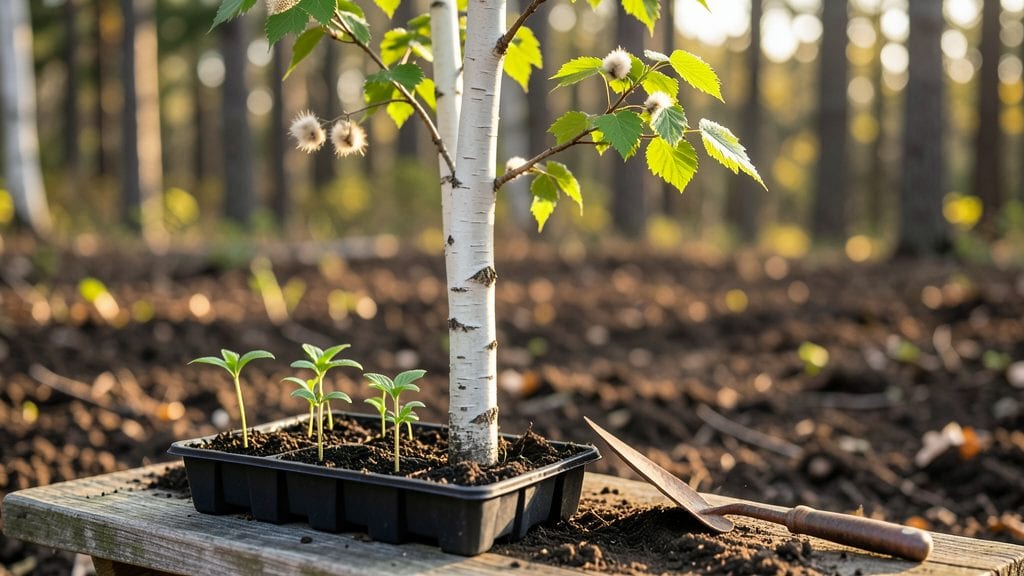
Growing aspen trees from seeds feels like waiting for a whisper to become a forest—because those first sprouts arrive slowly, if at all. 🌱 The secret to breaking through that stubborn germination barrier isn’t patience alone, but the right mix of timing, moisture, and a little trickery with light.
After years of trying (and failing) with store-bought aspen seeds, I finally cracked the code: soak, scarify, and stratify them just right, and you’ll see those pale green needles within weeks instead of years.
The gear you need is simple: a plastic bag for soaking, coarse sandpaper for scarification, and a clear plastic container for cold stratification. You’ll also want a well-draining seed-starting mix and a sunny windowsill or grow light—aspens hate being cooped up in the dark.
The whole process takes about 6-8 weeks from seed to seedling, but the payoff is worth it when you transplant a thriving sapling that’ll grow 1-2 feet per year once established.
What you end up with is a fast-growing, shade-tolerant tree that thrives in poor soil—perfect for windbreaks, erosion control, or just adding that airy, trembling beauty to your landscape. The first true leaves look like fern fronds, and by summer, your sapling will be sturdy enough to handle outdoor conditions.
Just don’t expect instant shade: aspen trees take 10-15 years to reach full height, but every year brings you closer to that rustling canopy.
This method works best in USDA Zones 2-7, where aspen naturally grows wild. For warmer climates, consider growing them in containers or shaded spots. The key is consistency—keep the soil moist but not soggy, and avoid transplant shock by hardening off seedlings gradually.
Once you’ve mastered the germination tricks, you’ll never buy aspen trees again.
📚 In This Guide
- What you need
- Instructions
- Tips and common mistakes
- Wrapping up and next steps
What you need
- ● Fresh aspen tree seeds: Collect them from healthy aspen trees (preferably in fall) or purchase from a reputable nursery. Aim for 10–20 seeds to account for germination variability.
- ● Seed-starting trays or small pots: Use biodegradable pots (2–3 inches deep) or trays with drainage holes. You’ll need 1 tray or 10–15 pots depending on seed quantity.
- ● High-quality seed-starting mix: A lightweight, sterile potting mix (e.g., 50% peat moss, 30% perlite, 20% vermiculite) works best. Avoid garden soil—it’s too dense!
- ● Spray bottle with water: For gentle hydration without disturbing seeds.
- ● Plastic wrap or humidity dome: To create a mini greenhouse effect and retain moisture.
- ● Grow lights or sunny windowsill: Aspen seeds need 12–16 hours of light daily. A full-spectrum LED grow light is ideal if natural light is limited.
- ● Labeling tags & marker: To track planting dates and seed varieties.
- ● Tweezers or toothpick: For carefully placing tiny seeds into the soil.
- ○ Fine-mist sprayer: Optional but helpful for consistent moisture control.
- ○ Heating mat (optional): Speeds up germination if your space is cool (70–75°F is ideal).
- ● Fertilizer (balanced, water-soluble): Diluted to half-strength once seedlings sprout (e.g., 10-10-10 NPK ratio).
- ● Pruning shears: For future thinning or transplanting (not needed now but handy later!).
Step-by-step aspen seed germination for fast, reliable growth
Here's how I crack the aspen seed code—no more waiting months for stubborn sprouts.
🌱 Step 1: Harvest and Stratify Seeds Properly
Collect aspen seeds in late summer when the cottony tufts turn brown and release easily. Spread them on a paper towel in a single layer and refrigerate in a sealed bag for 60-90 days. This cold treatment mimics winter and breaks dormancy—critical for aspen seeds, which won't germinate without it. I label the bag with the harvest date so I don't forget when to check for sprouting.
After stratification, soak the seeds in lukewarm water for 24 hours to soften the hard seed coat. This step cuts germination time nearly in half. You'll see tiny white roots emerge within 3-5 days of soaking—this is your signal to plant immediately. If roots appear, don't wait; aspen seeds dry out fast once the root breaks through.
💧 Step 2: Plant in Moist, Well-Draining Medium
Use a mix of 50% peat moss and 50% perlite for ideal drainage—aspens hate soggy roots. Fill small pots or seed trays with the mix and moisten until damp but not wet. Plant seeds 1/4 inch deep, spacing them 1 inch apart to prevent overcrowding. I use toothpicks to create small holes—it's precise and avoids burying seeds too deep.
Cover the tray with clear plastic wrap to retain humidity, but leave it slightly ajar for airflow. Place in a warm spot (65-75°F) away from direct sun. You'll see first sprouts in 7-14 days, but some seeds may take up to 3 weeks. Patience here pays off—don't disturb the tray until germination is complete, or you'll dislodge delicate seedlings.
☀️ Step 3: Provide Indirect Light and Gradual Acclimation
Once seedlings emerge, remove the plastic wrap immediately to prevent damping-off. Place under grow lights or in bright, indirect sunlight for 12-14 hours daily. Aspens need light to avoid becoming leggy, but too much direct sun will scorch tender leaves. You'll know the light is right when seedlings grow upright with dark green leaves—no stretching toward the light.
After 4-6 weeks, when seedlings have 2-3 sets of true leaves, start hardening them off. Move outdoors for 1-2 hours daily in partial shade, gradually increasing exposure. Watch for wilting—if leaves droop, bring them back inside and extend outdoor time more slowly. Aspens are tough once established, but young seedlings need gentle treatment.
⏰ Step 4: Transplant to Outdoor Nursery Beds
Transplant seedlings outdoors after the last frost when soil temperature reaches 55°F. Choose a partially shaded spot with moist, well-draining soil—aspens thrive in cooler climates but struggle in hot, dry conditions. Space seedlings 3-4 feet apart to allow room for root expansion. I dig holes twice as wide as the root ball to encourage root spread.
Water deeply after planting to settle the soil, then mulch with 2 inches of wood chips to retain moisture and regulate temperature. Aspens grow surprisingly fast once established—you'll see 6-12 inches of growth per year under ideal conditions. Keep the soil consistently moist but not waterlogged, and avoid fertilizing for the first year to prevent root burn.
Tips & tricks for perfect aspen seed germination
Here's what I've learned after struggling with slow aspen seed germination—these tricks cut your wait time dramatically.
Stratification Timing: The 60-90 day cold treatment is non-negotiable, but don't rush it! I mark my calendar when I start stratification so I know exactly when to check for root emergence. If you're impatient, you can extend to 120 days—some seeds need extra time, but don't go beyond that or you risk losing viability. Remember, this mimics winter conditions that break dormancy naturally.
Soaking Secret: That 24-hour lukewarm water soak is your fastest path to germination. I use a bowl of water at about 90°F—hot enough to feel warm but not scalding. After soaking, I place the seeds on a damp paper towel in a sealed bag for 2-3 days to keep them hydrated while they prepare to sprout. The moment you see those tiny white roots, plant immediately—aspens dry out fast once the root breaks through.
Lighting Strategy: For the 12-14 hours of daily light, I use a simple LED grow light just 6 inches above the seedlings. Natural bright indirect light works too, but avoid direct sun which can scorch tender leaves. Watch for leggy growth—this means they're reaching for more light. If you see this, move the light closer or increase the duration slightly. The goal is compact, sturdy seedlings that can handle transplanting.
Transplanting Temperature: That 55°F soil temperature is crucial—it's the minimum for successful outdoor planting. I test soil temp with a simple thermometer buried 2 inches deep. If it's below 55°F, wait another week or two. Cold soil shocks young roots and can kill seedlings. Once planted, mulch with 2 inches of wood chips to help regulate soil temperature and retain moisture, especially during those first critical weeks.
Pro Tips for Aspen Tree Seeds
- Here's what I've learned after struggling with slow aspen seed germination—these tricks cut your wait time dramatically.
- Stratification Timing: The 60-90 day cold treatment is non-negotiable, but don't rush it!
- Soaking Secret: That 24-hour lukewarm water soak is your fastest path to germination.
Frequently asked questions
Got questions about growing aspen tree seeds? You’re not alone! Here are answers to the most common queries to help you succeed with your aspen seedlings.
How long does it take for aspen tree seeds to germinate?
Aspen seeds typically germinate within 10–21 days when kept in warm, moist conditions (around 70–75°F). Cold stratification (4–6 weeks in the fridge) can speed this up by mimicking winter’s natural process. Patience is key—some seeds may take up to 30 days!
Can I grow aspen trees from seeds collected from the ground?
Yes, but timing matters! Collect seeds immediately after they drop in late summer/early fall—they lose viability quickly. Store them in a paper bag in the fridge until planting. Avoid seeds that feel dry or shriveled, as they’re less likely to sprout.
Do aspen seeds need cold treatment (stratification) to grow?
Aspen seeds have hard coats that require stratification to break dormancy. Soak seeds in water for 24 hours, then refrigerate in a damp paper towel for 4–6 weeks. This mimics winter’s chill and boosts germination rates from 30% to 80%+.
What’s the best soil mix for aspen seed germination?
Use a light, well-draining mix like:
- 50% peat moss or coconut coir
- 30% perlite or vermiculite
- 20% sand or compost
Why aren’t my aspen seeds sprouting? Troubleshooting tips
Check these common issues:
- Dry seeds: Soak them overnight before planting.
- Poor light: Aspens need bright, indirect light (no direct sun yet!).
- Overwatering: Keep soil moist but not soggy—aspen roots rot easily.
- Old seeds: Aspen seeds last only 1–2 years—use fresh ones!
Wrapping up and next steps
Growing aspen tree seeds can be a rewarding experience when you know the right tricks! 🌱 From selecting the perfect germination medium to mastering the balance of moisture and patience, these steps set you up for fast, reliable growth.
Remember, consistency is key—whether you're using a seed tray, cold stratification, or a simple DIY setup.
Now that you're armed with these proven tips, why not take the next step? Try planting your aspen seeds this season and watch your little saplings thrive. Share your progress with fellow gardening enthusiasts or even start a small aspen grove—nature will thank you! 🌳