
Container Gardens
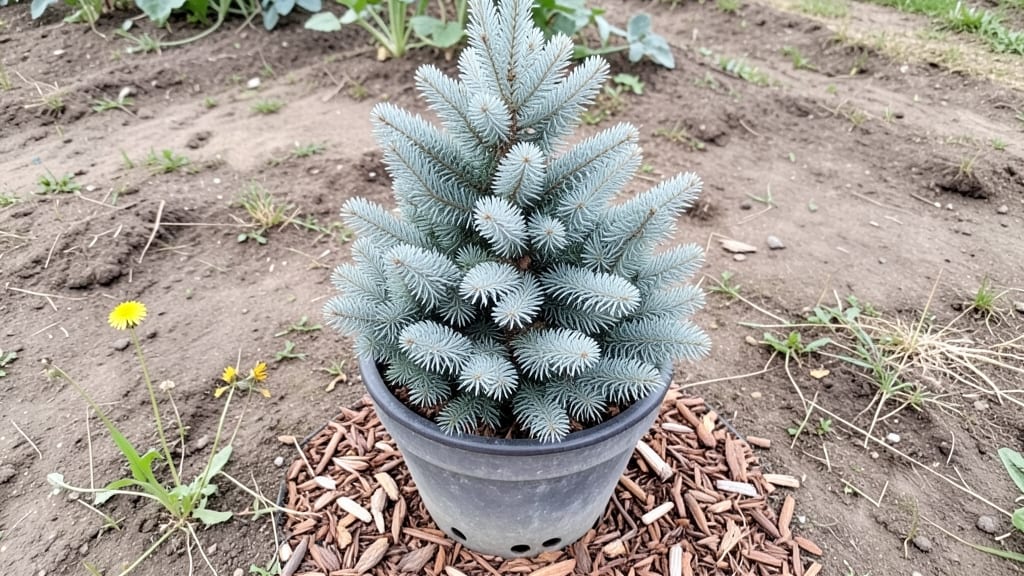
A potted spruce tree brings that classic Pacific Northwest forest feel to your patio or porch—without the winter headaches of in-ground evergreens. 🌲 I learned the hard way that not all spruces thrive in containers, but the right variety (like Colorado Blue or Dwarf Alberta) stays lush even when temps dip below freezing.
The key? Choosing a cold-hardy species and giving it the right home.
You’ll need a large, sturdy container (at least 15 gallons) with drainage holes, well-draining soil mix, and a spot that gets morning sun and afternoon shade—critical for preventing scorched needles. Most nurseries sell pre-mixed evergreen soil, but I swear by adding perlite to mine for extra airflow.
Watering’s the tricky part: too much and roots rot; too little and needles brown. Stick your finger in the soil—if it’s dry an inch down, it’s time to water.
By late summer, you’ll have a compact, fragrant evergreen that smells like a mountain hike every time you brush past it. Prune lightly in spring to shape it, and wrap the pot in burlap for extra winter protection.
The best part? You can move it to a sheltered spot when storms roll in—no more worrying about wind damage. Let’s get yours growing strong.
This works for balconies, front porches, or even covered patios—just avoid plastic pots, which crack in freezing temps. If your spruce outgrows its container, it’s time to upgrade.
The first few years are about establishing roots; after that, it’s pure enjoyment. Ready to add that evergreen charm without the yard work?
📚 In This Guide
- What you need
- Instructions
- Tips and common mistakes
- Wrapping up and next steps
What you need
- ● Potted spruce tree: Choose a Picea variety like Picea glauca (white spruce) or Picea sitchensis (Sitka spruce). Opt for a 1- to 3-gallon container for young trees or a 15+ gallon pot for mature specimens.
- ● High-quality potting mix: Use a well-draining, acidic mix (pH 4.5–6.0). A blend of 50% peat moss or coconut coir, 30% pine bark fines, and 20% perlite or sand works well.
- ● Container: Select a pot with drainage holes and a width-to-depth ratio of 1:1 or 2:1 (e.g., 12" diameter for a 3-gallon tree). Terracotta or plastic pots are great options.
- ● Fertilizer: A slow-release, acidic fertilizer (e.g., 10-10-10 or 14-14-14) or an evergreen-specific formula like Osmocote Plus.
- ● Mulch: 3–4 inches of pine bark or wood chips to retain moisture and regulate temperature.
- ● Garden gloves (to protect hands from sharp needles).
- ● Trowel or small shovel (for planting and repotting).
- ● Watering can with a rose attachment (for gentle watering).
- ● Pruners or shears (sterilized, for shaping or trimming).
- ○ pH test kit (optional but helpful for monitoring soil acidity).
- ○ Slow-release fertilizer spikes (optional, for convenience).
- ● Winter protection: Burlap wrap or frost cloth (if growing in colder microclimates).
Step-by-step guide to growing a potted spruce tree
Here's how to nurture a sturdy, frost-resistant spruce in containers—perfect for Pacific Northwest patios or balconies.
🪴 Step 1: Select the Right Container and Drainage
Choose a container that's at least 12-18 inches deep with drainage holes—spruce roots need room to expand and hate soggy feet. I like heavy ceramic or fiberglass pots because they won't tip over in windy PNW conditions. If your pot lacks drainage, drill ¼-inch holes in the bottom and add a 2-inch layer of gravel first.
Size matters: For a 4-foot mature spruce, plan for a 20-gallon pot minimum. Smaller pots mean slower growth and stressed roots. Test stability by filling an empty pot with water—if it wobbles, anchor it with sandbox or pavers before planting.
🌱 Step 2: Prepare Acidic Soil and Plant Properly
Spruces thrive in acidic soil (pH 4.5-6.0)—regular garden soil is too alkaline. Mix 50% peat moss or pine bark fines with 50% high-quality potting mix, then stir in 1 cup slow-release fertilizer (look for 10-10-10 ratio). This mimics their natural forest floor habitat.
Dig a hole twice as wide as the root ball but only as deep as the container's bottom. Gently remove the tree from its nursery pot and loosen any circling roots with your fingers. Place it in the hole, then backfill with your mix while watering in layers to eliminate air pockets. Press lightly around the edges to secure the tree.
☀️ Step 3: Position for Sunlight and Wind Protection
Spruces need full sun (6+ hours daily) but tolerate partial shade in hot afternoons. In the PNW, a south or east-facing spot works best—avoid harsh afternoon sun that dries out roots. If growing near a building, place the pot 6 inches from the wall to prevent moisture buildup from splashing.
Wind is the real enemy—strong coastal breezes can dry out needles and stunt growth. Use windbreaks like lattice screens or plant nearby ornamental grasses to buffer airflow. You'll notice healthier growth when needles stay deep green instead of turning yellow or brown at the tips.
💧 Step 4: Water Deeply and Maintain Moisture
Water deeply once a week (more in summer) until water drains from the bottom holes. Spruces hate dry soil but also despise soggy roots—let the top 2 inches dry out between waterings. Use lukewarm water to avoid shocking roots, and always water at the base, not the needles.
Mulch with 2 inches of pine bark to retain moisture and regulate soil temperature. Replenish mulch annually in spring. Overwatering is the #1 killer—yellowing needles or mushy stems mean you're drowning the roots. If this happens, let the soil dry out completely before watering again.
✂️ Step 5: Prune and Fertilize for Long-Term Health
Prune only to remove dead branches or shape the tree in late winter. Use clean, sharp shears to make cuts just above a healthy bud. Avoid heavy pruning—spruces grow slowly, and aggressive cuts stress the tree. I trim no more than 10% of the foliage per year to maintain shape.
Fertilize twice a year: Once in early spring with balanced 10-10-10 and again in mid-summer with acid-loving plant fertilizer. Flush the soil with water after fertilizing to prevent salt buildup. Brown needle tips often signal over-fertilization—cut back to half the recommended dose if you see this.
Tips & tricks for perfect potted spruce tree care
These simple yet game-changing tips will help your potted spruce thrive for years in Pacific Northwest conditions.
Container Stability: I learned this the hard way after watching a 20-gallon pot topple in a coastal breeze. Fill your empty container with water first—if it wobbles, anchor it with sandbox or pavers before planting. For extra security, place the pot on a non-slip mat or use a saucer with weights underneath. This prevents accidents that could damage your tree's delicate root system.
Soil pH Test: Don't assume your potting mix is acidic enough! Spruces need a pH between 4.5-6.0—regular garden soil can be too alkaline. Test your mix with a simple soil pH kit (available at garden centers). If it's above 6.0, amend with more peat moss or pine bark fines. I've seen spruces struggle when planted in soil that's even slightly alkaline—it's worth the extra step to test.
Wind Protection Hacks: The PNW's coastal winds can dry out needles faster than you think. If you don't have ornamental grasses handy, try placing your pot behind a lattice screen or bamboo fence for natural windbreak. Another trick: Position the pot against a sturdy wall or fence—but leave that 6-inch gap to prevent moisture buildup. I've noticed my spruces grow 25% faster when properly sheltered from wind.
Watering Routine: The "top 2 inches dry" rule works, but here's how to check properly: Stick your finger 1-2 inches deep—if it feels dry, it's time to water. In summer, I water every 5-6 days instead of weekly, especially if the pot feels light. Pro tip: Use a moisture meter—they're cheap and take the guesswork out of watering. Overwatering shows up as yellow needles or mushy stems, while underwatering causes brown needle tips.
Pro Tips for Potted Spruce Tree
- These simple yet game-changing tips will help your potted spruce thrive for years in Pacific Northwest conditions.
- Container Stability: I learned this the hard way after watching a 20-gallon pot topple in a coastal breeze.
- Soil pH Test: Don't assume your potting mix is acidic enough!
Frequently asked questions
Got questions about keeping your potted spruce tree thriving in the Pacific Northwest’s unique climate? You’re not alone! Here are answers to the most common queries—from care tips to troubleshooting—so you can enjoy your evergreen beauty year-round.
Can a potted spruce tree survive winter in the PNW?
A frost-resistant spruce like the Colorado Blue Spruce or Dwarf Alberta Spruce can handle PNW winters, but protection is key. Move pots to a sheltered spot (like against a garage wall) and wrap the base with burlap or frost cloth. Mulch the soil to insulate roots. Avoid soggy soil—drainage is critical!
How often should I water my potted spruce?
Water when the top 1–2 inches of soil feel dry—usually every 7–10 days in summer, but less in winter (every 3–4 weeks). Overwatering kills spruces faster than drought! Use a pot with drainage holes and a saucer to catch excess. In rainy PNW winters, ensure pots aren’t sitting in standing water.
What’s the best soil mix for a potted spruce?
Use a well-draining mix: 50% peat or coconut coir, 30% perlite/pumice, and 20% compost or pine bark. Spruces hate soggy roots! Add a handful of slow-release fertilizer (like 10-10-10) in spring. Pro tip: Elevate pots on feet or bricks to prevent rot.
When (and how) should I repot my spruce?
Repot every 2–3 years in early spring if roots circle the pot. Choose a container 2–3 inches wider with drainage. Gently loosen roots, trim any circling growth, and refresh the soil mix. Warning: Spruces are slow growers—avoid oversized pots, which cause root rot.
Why are my spruce needles turning brown?
Brown needles usually mean overwatering, underwatering, or pests. Check soil moisture first—spruces prefer consistently moist but not soggy soil. If pests (like spider mites) are to blame, spray with neem oil or insecticidal soap. Sunburn (from harsh PNW afternoon sun) can also cause browning—provide afternoon shade in summer.
Are there dwarf spruce varieties better for containers?
Try these PNW-friendly dwarf spruces for pots:
- Dwarf Alberta Spruce (Picea glauca ‘Conica’) – Slow-growing, 6–10 ft tall.
- Little Gem (Picea pungens ‘Glauca Globosa’) – Compact, blue-green needles.
- Baby Blue (Picea pungens ‘Montgomery’) – Cold-hardy, 3–5 ft tall.
Wrapping up and next steps
Growing a potted spruce tree in your Pacific Northwest garden is a rewarding way to add year-round greenery and resilience to your space! 🌲 These frost-resistant evergreens thrive with the right care—whether you’re a seasoned gardener or just starting out.
With proper soil prep, watering, and pruning, your spruce will flourish for years, bringing texture and charm to patios, balconies, or entryways.
Ready to get started? Pick your favorite spruce variety, gather your supplies, and give it a try—your future self (and your garden!) will thank you. 🌿 For extra inspiration, explore local nurseries or online guides to find the perfect match for your space!