
Trees
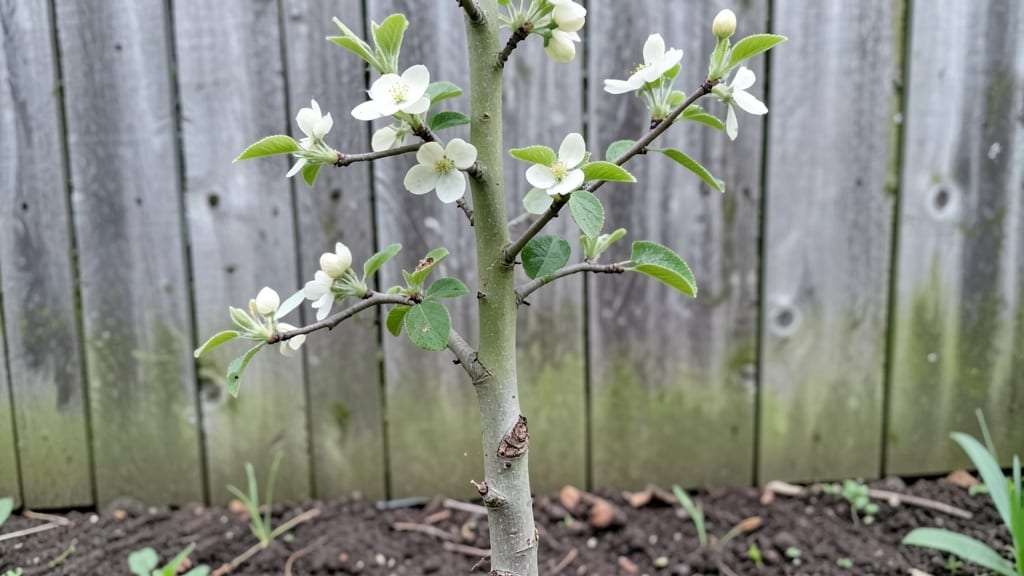
Frost-resistant pear trees thrive in Pacific Northwest gardens when planted right—here’s how to get started. 🌱 I’ve watched my own trees survive winter freezes while producing juicy fruit, and the secret lies in choosing the right variety, prepping the soil, and timing everything perfectly.
The best time to plant is late fall or early spring, when the ground is workable but still cool.
You’ll need a sunny spot with well-draining soil, a digging tool, compost, and a sturdy tree stake. Spacing matters too: give each tree at least 20 feet of space so they don’t compete for nutrients or light.
Varieties like Bartlett or Anjou are classic choices, but frost-hardy options like Seckel or Moonglow handle PNW winters like champions.
Once planted, water deeply to settle the soil, then mulch around the base to protect roots. The first year is about establishing strong roots, so avoid heavy pruning—just shape the tree lightly to encourage upward growth.
By next summer, you’ll see new leaves and a sturdy framework for years of harvests.
This method works for both backyard orchards and container planting (with dwarf varieties). The key is patience—pear trees take 3-5 years to bear fruit, but the payoff is worth every season of care. Let’s get those roots in the ground!
📚 In This Guide
- What you need
- Instructions
- Tips and common mistakes
- Wrapping up and next steps
What you need
- ● Pear Tree Saplings: 1–3 frost-resistant varieties (e.g., Bartlett, Seckel, or Moonglow—check local nurseries for PNW-specific recommendations).
- ● Age: 1–3 years old (bare-root or container-grown).
- ● Soil Amendments: 5–10 lbs of compost or well-rotted manure per tree.
- ● 1–2 lbs of balanced fertilizer (10-10-10 or organic equivalent) per tree.
- ● Lime (if soil pH is below 6.0; test with a soil kit).
- ● Planting Supplies: 1 shovel (round-point for digging).
- ● 1 garden trowel (for delicate root handling).
- ● 1–2 5-gallon buckets (for watering or mixing soil).
- ● Mulch (3–4 inches of wood chips or straw per tree).
- ○ Protective Gear (Optional but Helpful): Tree guards (to deter rodents or deer).
- ● Frost cloth (for young trees in early spring/fall).
- ● Drip irrigation kit (for consistent moisture).
- ● Location: Full sun (6+ hours/day) and well-draining soil. Avoid low spots where frost pools.
- ● Spacing: Plant trees 20–25 feet apart (or follow variety-specific guidelines).
- ● Timing: Plant bare-root saplings in late winter/early spring or container-grown trees in early fall.
- ● Soil Test: Check pH and nutrient levels (PNW Extension offices offer affordable kits).
How to plant pear trees in the Pacific Northwest
Here's the straightforward method I've used for years to establish healthy, cold-hardy pear trees in our chilly climate.
🌱 Step 1: Choose the Right Time and Location
Plant your pear trees in early spring—about 4-6 weeks before your last frost date—when soil temperatures reach at least 45°F. This timing gives roots time to establish before summer heat arrives. In the Pacific Northwest, that's typically March or April. Avoid planting in fall—young trees won't have time to root before winter.
Select a spot with full sun (6-8 hours daily) and good air circulation to prevent fungal diseases. Pears thrive in well-draining soil with a pH between 6.0 and 7.0. Test your soil before planting—amending with compost or sulfur can adjust pH if needed. I always dig a hole twice as wide as the root ball but no deeper than it is to encourage outward root growth.
🪴 Step 2: Prepare the Planting Hole and Soil
Dig a hole 12-18 inches wide and just deep enough to accommodate the tree's root ball without bending roots. Loosen the soil at the bottom of the hole with a shovel or garden fork to help roots penetrate easily. If your native soil is heavy clay, mix in 2-3 inches of compost to improve drainage and fertility.
Remove the tree from its container and gently loosen any circling roots with your fingers. Place the tree in the hole so the top of the root ball sits 1-2 inches above ground level. This prevents water from pooling around the trunk, which can cause rot. Backfill with native soil, tamping lightly every 6 inches to remove air pockets.
☀️ Step 3: Water Thoroughly and Mulch Properly
Water the tree deeply right after planting—about 10-15 gallons—to settle the soil and eliminate air pockets. Keep the soil evenly moist (not soggy) for the first 2-3 weeks, watering every 2-3 days until new growth appears. You'll know it's right when the top 2 inches of soil feel damp but not wet.
Apply 2-3 inches of organic mulch (like wood chips or straw) around the base, keeping it 6 inches away from the trunk to prevent rot. Mulch helps retain moisture and regulate soil temperature. Replenish mulch annually in late winter to maintain coverage. Avoid piling mulch against the trunk—this creates a moist environment that attracts pests.
✂️ Step 4: Prune and Protect for First-Year Growth
Prune the tree immediately after planting to remove any broken or crossing branches. Cut back any limbs that are too long or weak—aim to leave a balanced shape with 3-4 main scaffold branches. This encourages strong growth and prevents future structural issues. Use clean, sharp pruners to make cuts at a 45-degree angle just above a bud.
In the Pacific Northwest, young pear trees benefit from winter protection during their first few years. Wrap the trunk with tree guard or burlap in late fall to shield it from girdling rodents and winter sunburn. Remove the wrap in early spring before new growth begins. Avoid heavy pruning in the first year—focus on light shaping to reduce stress on the young tree.
Tips & tricks for planting pear trees in the Pacific Northwest
These simple yet game-changing tips will help you grow thriving, frost-resistant pear trees that thrive in our unique climate.
Timing is Everything: The 4-6 week window before your last frost is crucial because young roots need time to establish before summer heat arrives. I check soil temperature with a simple thermometer—if it's below 45°F, wait a few more days. In colder microclimates, you might need to plant even later in spring. Don't rush this step; patience now means stronger trees later.
Soil Prep Secrets: Before digging your 12-18 inch hole, test your soil's pH—pears prefer 6.0-7.0. If your soil is too acidic, mix in pulverized limestone (about 1/2 cup per hole) when backfilling. For heavy clay soils, I add a 50/50 mix of native soil and compost to improve drainage. This makes all the difference in root development.
Watering Wisdom: Those first 2-3 weeks are critical for root establishment. I use a soaker hose set to deliver about 10-15 gallons right after planting, then maintain even moisture. A good test is to check soil moisture 2 inches down—it should feel like a damp sponge, not a soaked rag. Overwatering can suffocate roots just as much as underwatering.
Pruning Pro Tips: When pruning immediately after planting, focus on creating an open center with your 3-4 main scaffold branches. I like to make cuts just above outward-facing buds to encourage strong growth. For the first-year shaping, avoid removing more than 25% of the foliage—this keeps stress on the young tree to a minimum while still establishing good structure.
Pro Tips for Planting Pear Trees
- These simple yet game-changing tips will help you grow thriving, frost-resistant pear trees that thrive in our unique climate.
- Timing is Everything: The 4-6 week window before your last frost is crucial because young roots need time to establish before summer heat arrives.
- Soil Prep Secrets: Before digging your 12-18 inch hole, test your soil's pH—pears prefer 6.0-7.0.
Frequently asked questions
Got questions about planting pear trees in the Pacific Northwest? You’re not alone! Here are some of the most common concerns—and their answers—to help you grow a thriving orchard.
When is the best time to plant pear trees in the PNW?
The ideal time is late fall or early winter (November–February) when the ground is cool but workable. This gives roots time to establish before spring growth. Spring planting (March–April) is also fine, but avoid extreme heat or drought. Pro tip: Bare-root trees (sold dormant) plant best in winter, while container-grown trees can go in year-round (except frozen ground).
Which frost-resistant pear varieties thrive in the PNW?
Look for hardy, cold-tolerant varieties like Bartlett, Anjou, Seckel, or Moonglow. These handle the PNW’s Zone 5–8 winters well. Dwarf varieties (e.g., Old Home) are great for small spaces. Check local nurseries for grafted trees—they’re more reliable than seed-grown.
Do pear trees need a pollinator, and what if I only want one tree?
Most pears are self-pollinating but produce more fruit with a partner. If space is tight, plant two compatible varieties (e.g., Bartlett + Anjou) within 50–100 feet. Tip: Check labels for pollination needs—some varieties (like Seckel) are nearly self-sufficient.
What pests or diseases should I watch for in PNW pear trees?
Common issues include:
- Coddling moths (larvae burrow into fruit—use row covers or pesticide sprays in summer).
- Fire blight (bacterial infection; prune infected branches 6 inches below the damage).
- Pear psylla (tiny pests causing curled leaves; spray neem oil or insecticidal soap).
Can I grow pear trees in containers, or do they need ground planting?
Dwarf varieties (like Old Home or Moonglow) thrive in large containers (15+ gallons) with well-draining soil. Use a balanced fertilizer and repot every 2–3 years. Limit to 1–2 trees per container—they need space to support roots and fruit. Note: Container trees may need winter protection in colder PNW zones.
Wrapping up and next steps
Planting pear trees in the Pacific Northwest is a rewarding way to enjoy fresh, homegrown fruit while supporting local ecosystems. By choosing frost-resistant varieties like Seckel or Bartlett and following proper planting techniques, you’ll set your orchard up for success.
With patience and care, your trees will thrive—and soon, you’ll be savoring the sweet taste of homegrown pears! 🍐
Ready to get started? Pick your variety, gather your tools, and dig in! Happy planting!