
Trees
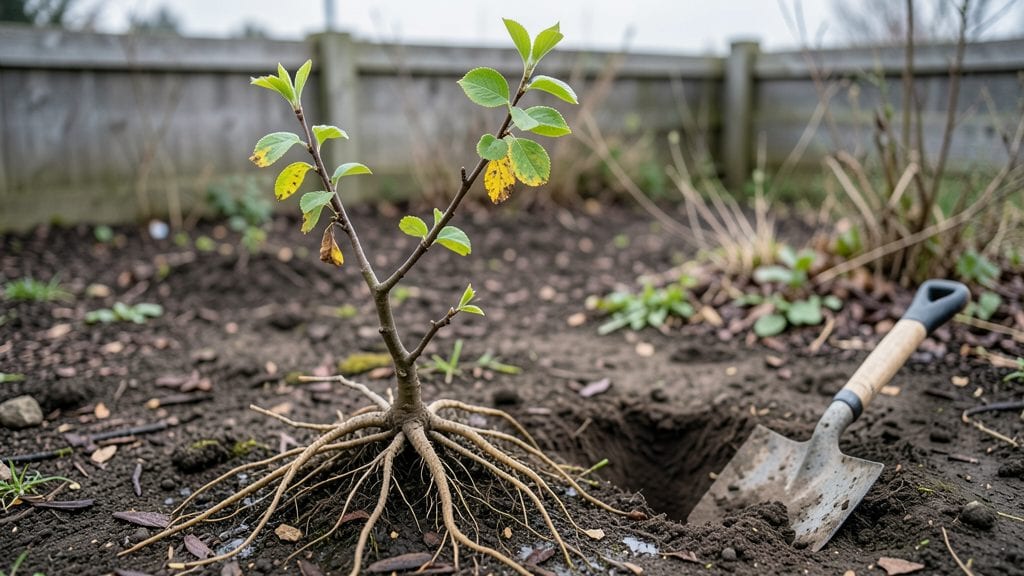
Planting date trees in the Pacific Northwest means timing it right for year-round hummingbird nectar—because these little visitors won’t wait for your mistakes. 🌿 The best window is late fall through early winter, when trees are dormant but the ground stays workable, giving roots a head start before spring growth kicks in.
Here’s the secret: container-grown trees can go in anytime, but bare-root varieties need that dormant-season slot—typically October through February in our climate. Digging too early risks drying out roots, while planting too late means frost heaves or slow establishment.
I’ve learned the hard way that Oregon grape holly and red twig dogwood thrive when planted before the first hard freeze, so check your microclimate’s last frost date.
You’ll end up with trees that burst into bloom earlier, feed hummingbirds from March through November, and outperform nursery stock planted at the wrong time.
Just imagine: vibrant red stems in winter, white flowers in spring, and berries that last into fall—all because you planted when the tree could focus on roots instead of leaves.
For the Pacific Northwest’s wetter regions, amend heavy clay soil with 3-4 inches of compost before planting, and mulch to keep moisture steady. Evergreens like Pacific yew need slightly earlier planting—aim for September to November—to avoid winter desiccation.
Let’s get those trees in the ground when they’ll thank you for it.
📚 In This Guide
- What you need
- Instructions
- Tips and common mistakes
- Wrapping up and next steps
What you need
- ● 1-2 healthy date tree saplings (choose varieties like Phoenix dactylifera 'Medjool' or 'Deglet Noor'; ensure they're bare-root or potted, depending on availability).
- ● High-quality potting soil or native soil mix (50 lbs minimum; amend with compost for better drainage).
- ● Organic mulch (4-6 cubic feet; options: wood chips, straw, or bark).
- ● Slow-release fertilizer (10-10-10 or 8-3-9 blend, 5 lbs).
- ● Shovel or spade (for digging planting holes).
- ● Garden hose with spray nozzle (for watering).
- ● Pruning shears (sterilized, for trimming damaged roots or branches).
- ○ Staking materials (optional but recommended for young trees) (2-3 wooden stakes + tree ties or soft rope).
- ● Drip irrigation system or soaker hose (for consistent moisture; 50 ft minimum).
- ● Soil pH testing kit (to check acidity; date trees prefer 6.5-8.0 pH).
- ● Root stimulator (like Mycorrhizal fungi powder, 1 oz).
- ● Tree guard or protective barrier (to deter animals from young trees).
- ● Hummingbird-friendly companion plants (e.g., fuchsia, salvia, or penstemon for extra pollinator appeal!).
- ● Garden kneeler or pad (for comfort during planting).
Step-by-step instructions for planting date trees
Here’s how I plant date trees to ensure they thrive in the Pacific Northwest’s climate.
🌱 Step 1: Choose the Right Time and Location
Plant your date tree in early spring, when soil temperatures reach at least 60°F. This timing avoids frost damage while giving roots time to establish before summer heat. In the Pacific Northwest, aim for March or April—just as the last frosts pass.
Select a location with full sun exposure (at least 6-8 hours daily) and well-draining soil. Date trees despise soggy roots, so avoid low spots where water pools. If your soil is heavy clay, amend it with organic matter (like compost) before planting to improve drainage.
🪴 Step 2: Dig and Prepare the Planting Hole
Dig a hole twice as wide as the tree’s root ball but no deeper. Loosen the sides of the hole to encourage root spread. If planting multiple trees, space them 15-20 feet apart—date trees need room to grow without competing for nutrients.
Mix the removed soil with compost or aged manure to enrich it. Place the tree in the hole so the top of the root ball sits 1-2 inches above ground level. This prevents water from pooling around the trunk, which can cause rot. Gently backfill with the amended soil, tamping lightly to remove air pockets.
☀️ Step 3: Water Deeply and Mulch Properly
Water the tree deeply immediately after planting to settle the soil around the roots. Use 1-2 gallons of water for young trees, ensuring moisture reaches 12 inches down. Avoid overwatering—date trees are drought-tolerant once established, but young roots need consistent moisture.
Spread 2-3 inches of mulch (wood chips or straw) around the base, keeping it 6 inches away from the trunk to prevent rot. Mulch helps retain soil moisture and regulates temperature, which is crucial in the Pacific Northwest’s variable climate. Replenish mulch annually as it breaks down.
✂️ Step 4: Prune and Protect for the First Year
Prune any broken or damaged branches right after planting, but avoid heavy pruning. Date trees grow slowly, so minimal trimming helps them focus energy on root development. Remove only dead or crossing branches—never cut more than 20% of the tree’s foliage in the first year.
Protect young trees from winter winds and late frosts by wrapping the trunk with burlap or using a tree guard. In the Pacific Northwest, coastal areas may experience milder winters, but inland zones can still see chilly snaps. Water the tree every 2-3 weeks during dry spells to keep roots hydrated.
⏰ Step 5: Monitor and Adjust for Long-Term Growth
Check the tree’s soil moisture weekly during the first growing season. Stick your finger 2 inches into the soil—if it’s dry, water deeply. Over time, date trees develop deep roots, so they’ll need less frequent watering, but young trees are sensitive to drought.
Fertilize in early spring with a balanced, slow-release fertilizer (10-10-10 ratio). Apply it 6 inches away from the trunk and water it in well. Avoid high-nitrogen fertilizers—they promote leafy growth at the expense of fruit production. Watch for pests like scale insects and treat early with neem oil if needed.
Tips & tricks for perfect date tree planting
A few key tricks will help your date trees thrive in the Pacific Northwest's unique climate.
Soil Temperature Check: Use a soil thermometer to confirm that soil temperatures have reached at least 60°F before planting in early spring. I've planted in March only to have late frosts damage young trees—always verify with a thermometer rather than relying on calendar dates. The Pacific Northwest's coastal areas can have unpredictable temperature swings, so this extra step is crucial.
Root Ball Preparation: Before planting, gently loosen the edges of the root ball if it appears compacted. This encourages roots to spread outward rather than circling the tree, which can lead to girdling. In Step 2, when you're preparing the hole, use your fingers to break up any tight soil clumps around the roots—this gives them a better chance to establish quickly in our region's often-acidic soils.
Mulch Layering Technique: When applying the 2-3 inches of mulch in Step 3, create a slight depression around the base of the tree to help direct water toward the roots. This is especially important in the Pacific Northwest's rainy seasons. I like to use cedar mulch because it naturally repels pests while breaking down slowly—just remember to keep it 6 inches away from the trunk to prevent rot.
Frost Protection Strategy: For the first two winters, I've found that wrapping young trees with burlap and adding a layer of straw mulch around the base provides extra protection against late frosts. In inland areas of the Pacific Northwest, temperatures can drop unexpectedly, so this double protection gives your tree the best chance to survive its first critical years. The key is to apply these protections before the first frost warning, not after.
Pro Tips for Planting Date Trees
- A few key tricks will help your date trees thrive in the Pacific Northwest's unique climate.
- Soil Temperature Check: Use a soil thermometer to confirm that soil temperatures have reached at least 60°F before planting in early spring.
- Root Ball Preparation: Before planting, gently loosen the edges of the root ball if it appears compacted.
Frequently asked questions
Got questions about planting date trees in the Pacific Northwest? You’re not alone! Here are answers to the most common queries to help you get started with confidence.
When is the best time to plant date trees in the PNW?
The ideal window is late spring to early summer (May–June), when soil is warm but not scorching. This gives roots time to establish before winter. For container-grown trees, you can plant up to fall (September–October), but avoid freezing temperatures. Pro tip: Avoid planting in winter—frost can shock young roots!
Can I plant date trees in winter?
Not ideal! Date trees are tropical/subtropical and struggle with cold. If you must plant in winter, use heated containers or a greenhouse and protect the tree with burlap wraps and mulch. However, spring planting is always the safest bet for the PNW’s unpredictable climate. Pro tip: Monitor frost dates—wait until after the last frost!
What if my date tree doesn’t thrive after planting?
Common issues include poor drainage, underwatering, or pests. Check soil moisture (dates hate soggy roots!), ensure full sun (6+ hours/day), and watch for scale insects or aphids. If leaves yellow, it may need more iron or better drainage. Pro tip: Mulch heavily (3–4 inches) to retain moisture and regulate soil temp.
Are there cheaper alternatives to date trees for hummingbirds?
Native PNW plants like red-flowering currant, salal, or Pacific dogwood attract hummingbirds and are low-maintenance. For fruit, consider serviceberry or huckleberry. Date trees are a luxury choice—prioritize pollinator-friendly natives if budget is tight! Pro tip: Mix natives with your date tree for a resilient, wildlife-friendly garden.
How do I protect my date tree from PNW’s rain and wind?
Use a windbreak (like a fence or shrubs) and plant in a sheltered spot. Stake young trees to prevent toppling, and elevate containers to avoid waterlogging. For extra protection, apply anti-desiccant spray in winter. Pro tip: Choose a dwarf variety (like ‘Medjool’) if space or wind is a concern—they’re hardier!
Wrapping up and next steps
Planting a date tree in the Pacific Northwest isn’t just about adding a stunning focal point to your landscape—it’s about creating a thriving ecosystem that hummingbirds will flock to year-round. 🌿 From choosing the right variety to timing your planting for success, every step matters.
Now that you’re armed with the know-how, there’s no better time to roll up your sleeves and get growing!
Ready to take the next step? Start by marking your calendar for the ideal planting window (fall or early spring) and gather your supplies. Then, dig in—your future hummingbird haven awaits!